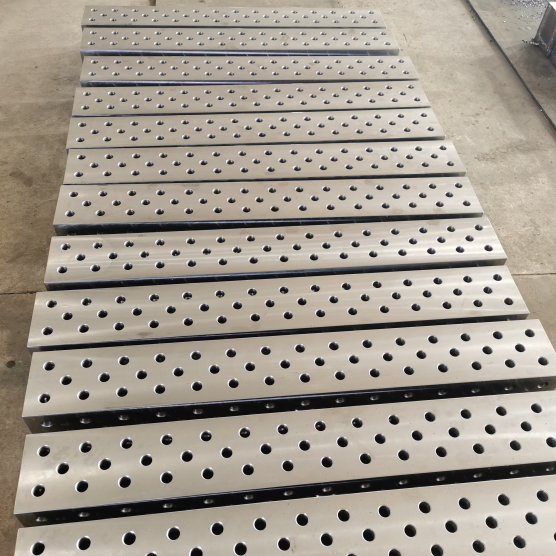
Permanent mold aluminum casting is a high-volume manufacturing process where molten aluminum is poured into reusable metal molds, typically made from steel or iron. Unlike sand casting, which uses disposable molds, permanent mold casting (also known as gravity die casting) produces parts with superior surface finish, tighter dimensional tolerances, and enhanced mechanical properties. For industrial buyers sourcing from China, this method offers an optimal balance between cost-efficiency and quality for medium-to-high production runs. Our facility specializes in delivering precision-engineered aluminum components that meet rigorous international standards, ensuring consistency across thousands of cycles.
What Is Permanent Mold Aluminum Casting?
Permanent mold aluminum casting, often referred to as gravity die casting, involves pouring molten aluminum alloy into a pre-heated, reusable metal mold under the force of gravity. The term “permanent” distinguishes the tooling from expendable mold processes like sand casting. Because the mold is made of durable metal, it can withstand hundreds of thousands of casting cycles before requiring replacement or major refurbishment.
This process is distinct from high-pressure die casting (HPDC). In HPDC, metal is injected at high speeds and pressures. In permanent mold casting, the fill rate is slower and controlled by gravity, sometimes assisted by low-pressure air or vacuum. This slower fill rate reduces turbulence and gas entrapment, resulting in castings with lower porosity and higher structural integrity.
Key Characteristics of the Process
- Reusable Tooling: Molds are machined from high-grade steel or cast iron, designed for longevity.
- Gravity Feed: Molten metal flows naturally into the cavity, minimizing air inclusion.
- Coating Application: A refractory coating is applied to the mold surface to protect the tooling and control cooling rates.
- Ejection Mechanism: Once solidified, the part is ejected using mechanical pins, similar to plastic injection molding but at higher temperatures.
The result is a component that exhibits a fine grain structure due to rapid cooling against the metal mold walls. This fine grain structure translates to better mechanical properties, such as higher tensile strength and improved fatigue resistance, compared to sand-cast equivalents.
How Does Permanent Mold Casting Work? Step-by-Step
Understanding the operational workflow is critical for engineering teams evaluating manufacturability. The process follows a strict sequence to ensure repeatability and quality control. Below is the standard operational procedure utilized in our Chinese manufacturing facilities.
1. Mold Preparation and Preheating
Before any metal is poured, the permanent mold must be prepared. The mold halves are cleaned and inspected for damage. A critical step is preheating the mold to a specific temperature range, typically between 150°C and 200°C. Preheating prevents thermal shock to the mold steel and ensures the molten aluminum does not cool too rapidly upon contact, which could cause premature freezing or incomplete filling.
2. Application of Refractory Coating
A ceramic-based refractory coating is sprayed onto the internal surfaces of the mold. This coating serves three vital functions:
- Thermal Barrier: It insulates the mold surface, controlling the rate of heat extraction and preventing the aluminum from sticking.
- Mold Protection: It reduces erosion and chemical reaction between the molten aluminum and the steel mold.
- Surface Finish: It contributes to the smoothness of the final casting surface.
The thickness and uniformity of this coating are strictly monitored, as variations can lead to dimensional inconsistencies.
3. Mold Assembly and Clamping
The two halves of the mold are closed and securely clamped together. In some advanced setups, cores (internal features) are inserted at this stage. These cores can be permanent (metal) or semi-permanent (sand), depending on the complexity of the internal geometry. Proper clamping force is essential to prevent flash—excess material leaking out of the mold joint.
4. Pouring and Filling
Molten aluminum alloy, typically heated to around 700°C–750°C, is poured into the sprue cup. The flow is governed by gravity. In sophisticated systems, a tilt mechanism may be used. The mold starts in a tilted position and rotates to a horizontal position during filling. This “tilt pouring” technique ensures a smooth, non-turbulent flow front, pushing air ahead of the metal rather than trapping it.
5. Solidification and Cooling
Once the cavity is filled, the metal begins to solidify. The metal mold acts as a heat sink, drawing heat away from the aluminum rapidly. This rapid cooling promotes a fine dendritic microstructure. Cooling channels within the mold or external water sprays may be used to accelerate this phase and optimize cycle time.
6. Ejection and Trimming
After sufficient solidification, the mold opens, and ejector pins push the casting out. The part is then transferred to a trimming station where the gating system (sprue, runners, and risers) is removed. Any remaining flash is deburred, and the part undergoes initial visual inspection.
Permanent Mold Casting vs. Other Aluminum Casting Methods
Selecting the right casting method depends on volume, complexity, tolerance requirements, and budget. Below is a detailed comparison of permanent mold casting against the most common alternatives: Sand Casting and High-Pressure Die Casting (HPDC).
| Feature | Permanent Mold Casting | Sand Casting | High-Pressure Die Casting (HPDC) |
| Tooling Cost | Medium to High | Low | Very High |
| Production Volume | Medium to High (1,000 – 100,000+) | Low to Medium | Very High (100,000+) |
| Surface Finish | Excellent (Smooth) | Rough (Requires machining) | Excellent (Very Smooth) |
| Dimensional Tolerance | Tight (±0.25mm typical) | Loose (±1.0mm or more) | Very Tight (±0.1mm) |
| Mechanical Properties | High (Fine grain structure) | Moderate | Moderate (Potential porosity) |
| Wall Thickness | Minimum ~3mm | No practical minimum | Can be very thin (<1mm) |
| Lead Time | Moderate (Mold machining required) | Fast (Pattern making only) | Long (Complex mold design) |
When to Choose Permanent Mold Casting?
Permanent mold casting is the ideal choice when you need higher quality than sand casting can provide but do not have the volume to justify the exorbitant tooling costs of high-pressure die casting. It is particularly suitable for parts requiring:
- Consistent Mechanical Strength: Applications involving structural loads benefit from the dense, pore-free structure.
- Good Surface Finish: Parts that require minimal post-casting machining or cosmetic finishing.
- Medium Production Runs: Quantities ranging from a few thousand to fifty thousand units per year.
- Complex Internal Geometries: When used with metal cores, it can produce complex internal passages efficiently.
Material Selection: Aluminum Alloys for Permanent Mold Casting
Not all aluminum alloys are suitable for permanent mold casting. The alloy must have good fluidity to fill the mold before solidifying and sufficient hot strength to resist cracking during ejection. The most commonly used series include the 3xx.x (Al-Si) and 4xx.x (Al-Si) series.
A356 (AlSi7Mg)
A356 is the most popular alloy for permanent mold casting, especially for automotive and aerospace components. It offers an excellent combination of castability, mechanical properties, and pressure tightness.
- Characteristics: Good corrosion resistance, moderate strength, and excellent weldability.
- Heat Treatment: Often used in T6 temper condition to maximize strength.
- Applications: Wheel rims, cylinder heads, pump housings, and structural brackets.
A380 (AlSi9Cu3Fe)
While more common in die casting, A380 is sometimes used in permanent mold applications where higher strength and hardness are required, and ductility is less critical.
- Characteristics: High fluidity and good pressure tightness.
- Limitations: Lower corrosion resistance and ductility compared to A356.
319 and 333 Alloys
These alloys are chosen for their high strength and hardness at elevated temperatures. They are frequently used in engine blocks and cylinder heads where thermal stability is paramount.
Design Guidelines for Permanent Mold Castings
To maximize the benefits of permanent mold casting and minimize tooling costs, designers should adhere to specific guidelines. Deviating from these principles can lead to defects such as shrinkage, warping, or mold damage.
Wall Thickness
Uniform wall thickness is crucial. Variations in thickness cause uneven cooling rates, leading to internal stresses and distortion. The recommended minimum wall thickness is generally 3mm to 4mm. Thinner walls may not fill completely before solidifying, while excessively thick sections can lead to shrinkage porosity.
Draft Angles
Because the aluminum shrinks onto the mold core and cavity walls during cooling, draft angles are necessary for ejection. External surfaces typically require a draft of 1° to 2°, while internal surfaces (cores) may require 2° to 3°. Insufficient draft can cause scoring on the mold surface and damage the casting during ejection.
CornerRadius and Fillets
Sharp corners create stress concentrations in both the casting and the mold. All internal and external corners should be radiused. Fillets help distribute stress evenly and improve metal flow during pouring. A general rule is to use a radius equal to half the wall thickness at intersections.
Parting Lines
The parting line is where the two halves of the mold meet. Its location affects the appearance and dimensional accuracy of the part. Designers should place parting lines in non-critical areas to hide any minor flash. Symmetrical designs often allow for simpler mold construction and lower costs.
Quality Control and Inspection Standards
In 2026, quality expectations for industrial components are higher than ever. Sourcing from a reputable manufacturer in China requires robust quality assurance protocols. Our facility employs a multi-stage inspection process to ensure every batch meets specifications.
Visual and Dimensional Inspection
Every casting undergoes visual inspection for surface defects such as cracks, cold shuts, and excessive flash. Dimensional checks are performed using Coordinate Measuring Machines (CMM) and digital calipers against the CAD model. First Article Inspection (FAI) reports are generated for new tools to validate initial production runs.
X-Ray and Radiographic Testing
For critical components, internal integrity is verified using X-ray inspection. This non-destructive testing (NDT) method detects internal porosity, shrinkage cavities, and inclusions that are not visible on the surface. Acceptance criteria follow ASTM E155 standards for reference radiographs.
Spectrochemical Analysis
Material composition is verified using Optical Emission Spectrometry (OES). Samples are taken from each melt batch to ensure the alloy chemistry matches the specified grade (e.g., A356). This ensures that mechanical properties such as tensile strength and yield strength will meet requirements.
Mechanical Testing
Test bars are cast alongside production parts and subjected to tensile testing, hardness testing, and elongation measurements. These results verify that the heat treatment process (if applicable) has achieved the desired temper condition.
Common Defects and How We Prevent Them
Even with advanced technology, casting defects can occur. Understanding these potential issues demonstrates our expertise and commitment to problem-solving.
Porosity
Porosity is the presence of small voids or holes in the casting. It is usually caused by trapped gas or shrinkage during solidification.
- Prevention: We utilize vacuum-assisted filling and optimized gating systems to reduce turbulence. Proper riser design ensures that shrinkage occurs in the riser, not the part.
Cold Shuts
A cold shut occurs when two streams of molten metal meet but fail to fuse properly, often because the metal has cooled too much.
- Prevention: Maintaining correct mold and metal pouring temperatures is key. We monitor thermal profiles continuously to ensure consistent heat management.
Misruns
A misrun happens when the mold is not completely filled, resulting in an incomplete part.
- Prevention: Adequate venting allows air to escape as metal enters. We simulate filling processes using CFD (Computational Fluid Dynamics) software during the design phase to identify and correct potential flow issues.
Applications of Permanent Mold Aluminum Castings
The versatility of permanent mold casting makes it suitable for a wide range of industries. The combination of strength, weight savings, and aesthetic quality drives its adoption in sectors where performance is critical.
Automotive Industry
This is the largest application sector. Components include:
- Wheels: Aluminum alloy wheels are predominantly produced via permanent mold or low-pressure casting due to the need for high fatigue resistance.
- Engine Components: Cylinder heads, pistons, and intake manifolds benefit from the thermal conductivity and strength of the process.
- Transmission Housings: Require precise dimensions and leak-proof integrity.
Aerospace and Defense
Aerospace components demand high strength-to-weight ratios and strict quality control. Permanent mold castings are used for:
- Structural Brackets: Supporting avionics and interior systems.
- Pump Housings: For fuel and hydraulic systems.
- Heat Sinks: Leveraging the thermal properties of aluminum.
Industrial Machinery
Heavy-duty equipment relies on durable components. Common parts include:
- Pump and Valve Bodies: Where pressure containment is essential.
- Gearbox Housings: Requiring precise bearing seats and alignment.
- Compressor Parts: Pistons and cylinders for air and gas compression.
Consumer Electronics and Appliances
For visible components, the smooth surface finish of permanent mold casting reduces the need for extensive polishing. Applications include:
- Heat Sinks: For LED lighting and power supplies.
- Housings: For high-end appliances and power tools.
Why Source Permanent Mold Castings from China?
China has evolved from a low-cost labor provider to a hub for advanced manufacturing technology. Sourcing permanent mold aluminum castings from China in 2026 offers several strategic advantages for global buyers.
Advanced Manufacturing Infrastructure
Leading Chinese foundries now operate state-of-the-art facilities equipped with automated pouring systems, robotic trimming cells, and advanced CNC machining centers. The integration of Industry 4.0 technologies allows for real-time monitoring of process parameters, ensuring consistent quality.
Cost Efficiency Without Compromising Quality
While labor costs in China have risen, the overall manufacturing ecosystem remains highly efficient. Economies of scale, localized supply chains for raw materials (aluminum ingots), and competitive tooling fabrication costs result in significant savings compared to Western manufacturers. Buyers can achieve up to 30-40% cost reduction without sacrificing technical standards.
Scalability and Flexibility
Chinese manufacturers are accustomed to handling diverse order volumes. Whether you need a prototype run of 500 units or mass production of 50,000 units, the infrastructure exists to scale up quickly. This flexibility is crucial for companies managing fluctuating demand.
Expertise in Export Compliance
Experienced manufacturers are well-versed in international quality standards such as ISO 9001, IATF 16949 (automotive), and AS9100 (aerospace). They understand the documentation and certification requirements for exporting to North America, Europe, and other regulated markets.
FAQ: Frequently Asked Questions About Permanent Mold Casting
What is the typical lead time for permanent mold tooling?
Tooling fabrication typically takes 4 to 6 weeks, depending on the complexity of the part and the number of cavities. Once the tool is approved, production lead times are short, often 2 to 3 weeks for batch orders.
Can permanent mold casting produce complex internal features?
Yes, by using retractable metal cores or soluble sand cores. However, extremely complex internal geometries might be more suited to sand casting or investment casting. Our engineering team can evaluate your CAD files to determine the most cost-effective approach.
Is heat treatment necessary for permanent mold castings?
It depends on the alloy and application. A356 alloys are commonly T6 heat-treated to enhance strength and hardness. If high ductility is required, a T4 temper might be used. For non-structural parts, as-cast conditions may suffice.
What is the maximum size of a part that can be permanent mold cast?
While there is no strict limit, practical considerations suggest a maximum weight of around 10-15 kg for standard permanent mold processes. Larger parts become difficult to handle and may require excessive clamping force. For larger components, sand casting is often more economical.
How does the cost compare to CNC machining?
For low volumes (under 100 units), CNC machining from billet aluminum may be cheaper due to the absence of tooling costs. However, for volumes above 1,000 units, permanent mold casting becomes significantly more cost-effective due to lower material waste and faster cycle times.
Selection Guide: How to Choose the Right Manufacturer
Choosing the right partner is as important as selecting the right process. When evaluating potential suppliers for permanent mold aluminum casting, consider the following factors:
- Technical Capability: Do they have in-house engineering support for DFM (Design for Manufacturability)? Can they perform mold flow analysis?
- Quality Certifications: Look for ISO 9001 as a baseline. For automotive work, IATF 16949 is mandatory.
- Equipment Age and Maintenance: Modern machines with closed-loop control systems offer better consistency than older, manually operated equipment.
- Communication: Effective communication is vital for resolving technical queries and managing project timelines. Ensure the supplier has English-speaking engineering staff.
- Supply Chain Transparency: Verify the source of their raw aluminum. Reputable suppliers use certified ingots from major smelters to ensure material purity.
About Botou Haijun Metal Products Co., Ltd.: Precision Beyond Casting
At Botou Haijun Metal Products Co., Ltd., our expertise extends beyond the casting process itself. We specialize in the research, development, and production of high-precision flexible modular fixtures and metalworking tools, providing efficient welding and positioning solutions for the modern manufacturing industry. While we deliver top-tier permanent mold castings, we also empower our clients with the tooling needed to assemble and inspect them.
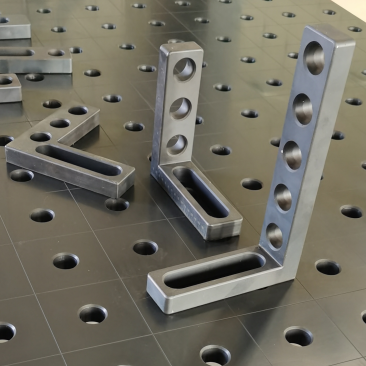
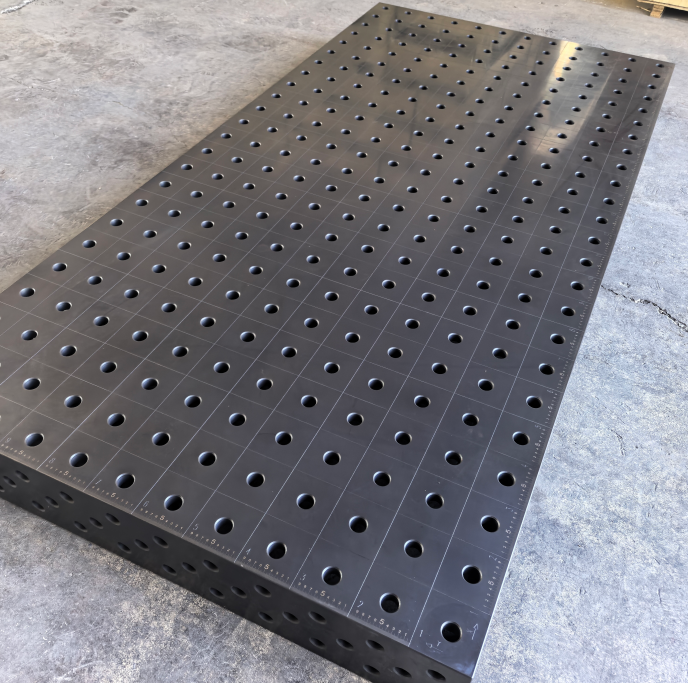
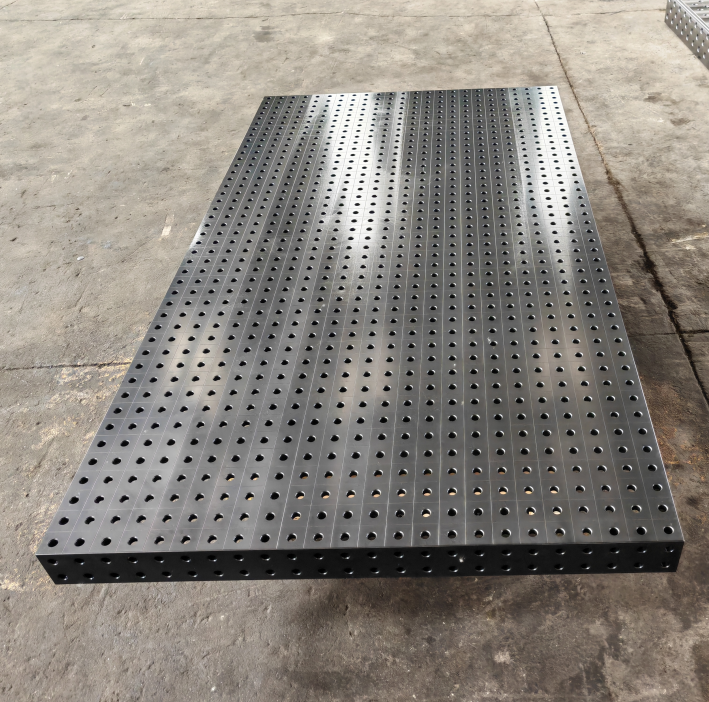
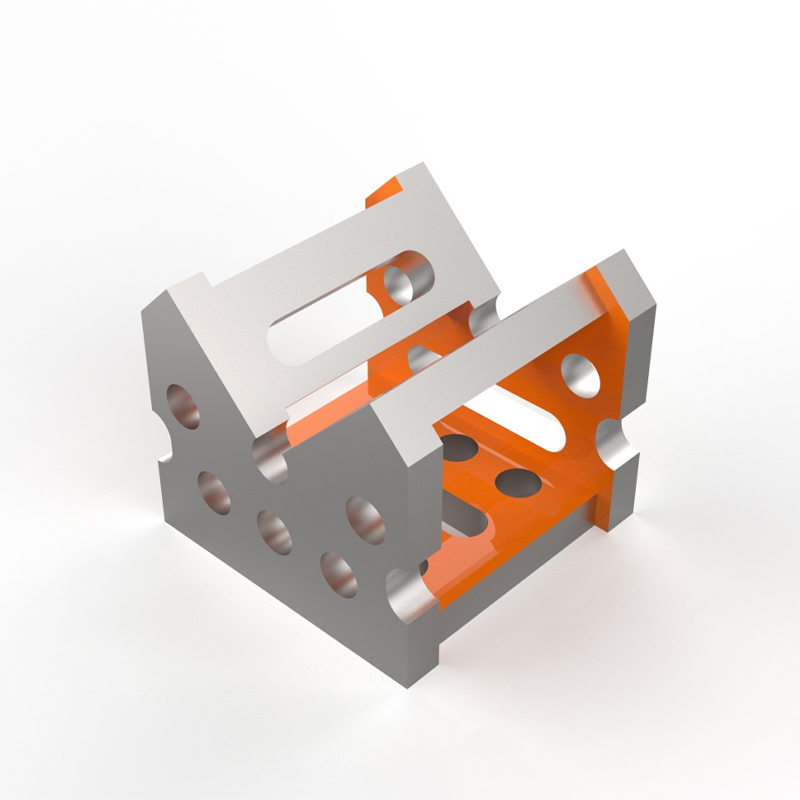
Our core product line includes renowned 2D and 3D flexible welding platforms, which have become the preferred jigging equipment in the machining, automotive, and aerospace sectors due to their exceptional versatility and precision. To complement these platforms, we offer a comprehensive range of accessories, such as U-shaped and L-shaped multi-purpose square boxes, 200-series support angle irons, and 0-225° universal angle gauges. These components integrate seamlessly to enable rapid workpiece positioning and clamping. Additionally, we manufacture professional cast iron 3D welding platforms and angle connection blocks, ensuring durability and stability. With years of industry experience, Haijun Metal is a trusted supplier of tools and gauges to customers globally, continuously providing high-quality production machinery tool series that align with the precision standards of our casting operations.
Conclusion: Elevate Your Product Quality with Precision Casting
Permanent mold aluminum casting represents a strategic intersection of quality, efficiency, and cost-effectiveness. For engineering teams and procurement managers seeking reliable components for automotive, industrial, or consumer applications, this process delivers superior mechanical properties and surface finishes that sand casting cannot match, at a lower tooling investment than high-pressure die casting.
By partnering with a specialized manufacturer in China, you gain access to advanced manufacturing capabilities, scalable production capacity, and competitive pricing structures. Our commitment to rigorous quality control, technical expertise, and customer-centric service ensures that your projects are delivered on time and to specification.
Whether you are developing a new product or optimizing an existing supply chain, understanding the nuances of permanent mold casting empowers you to make informed decisions. We invite you to leverage our experience and infrastructure to bring your designs to life.
Ready to start your next project? Contact our engineering team today for a comprehensive Design for Manufacturability (DFM) review and a competitive quote. Let us help you achieve the perfect balance of performance and value.
Explore Our Permanent Mold Casting Solutions and Request a Quote