A mobile welding bench for sale is a portable workstation designed to provide stable, flat, and modular surfaces for welding, assembly, and fabrication tasks away from fixed shop floors. Unlike static tables, these units feature heavy-duty casters, locking mechanisms, and often integrate with flexible fixture systems like those developed by Botou Haijun Metal Products Co., Ltd. When comparing features and prices, buyers must evaluate load capacity, caster quality, surface material (steel vs. cast iron), and modularity. This guide breaks down the critical specifications, cost drivers, and selection criteria to help manufacturing professionals choose the right mobile solution for automotive, aerospace, or general machining applications in 2026.
What Is a Mobile Welding Bench and Why Do Modern Shops Need One?
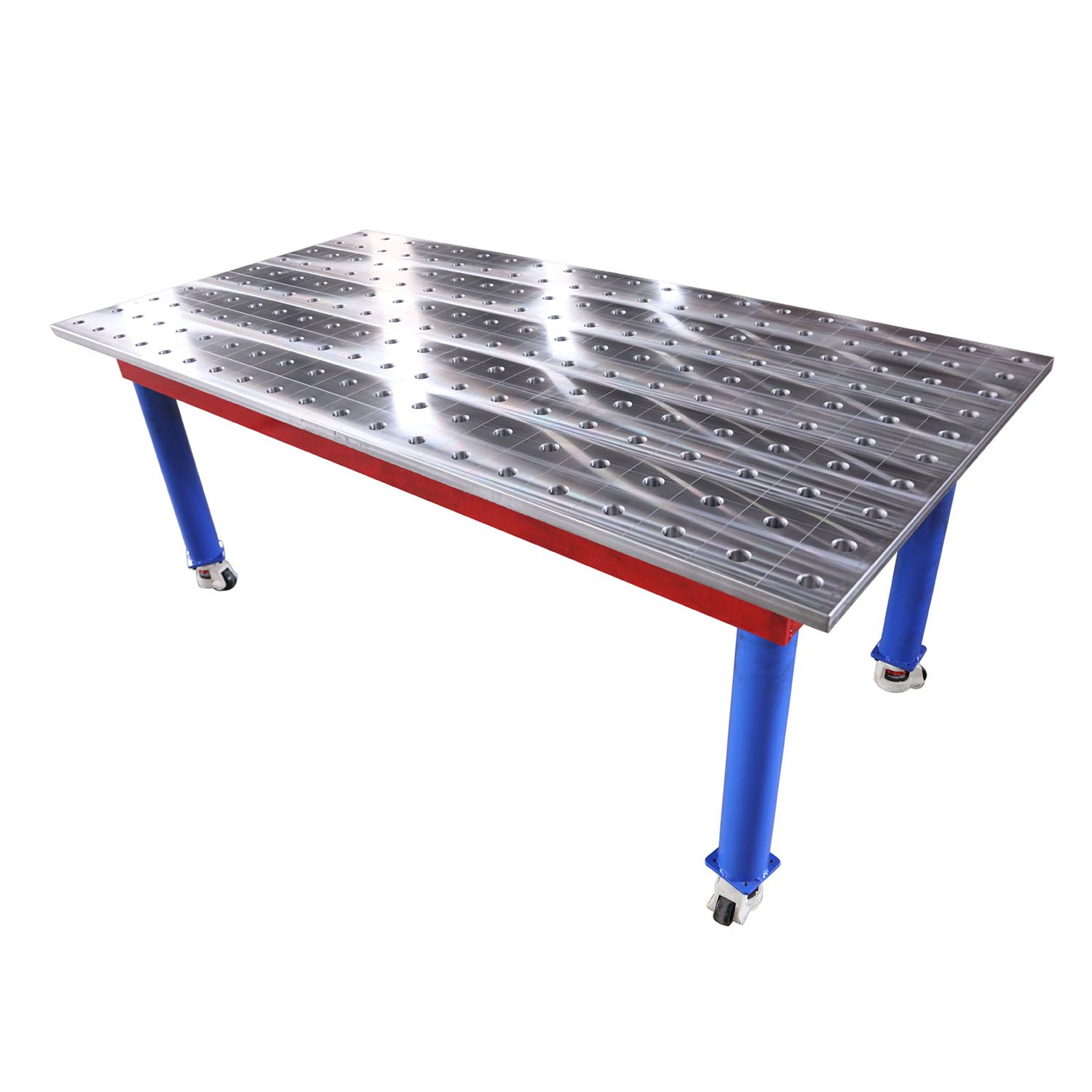
A mobile welding bench is not merely a table on wheels; it is a dynamic positioning system. In modern manufacturing, particularly in sectors like automotive repair and large-scale structural fabrication, workpieces are often too large or cumbersome to move to a stationary welding station. A mobile bench brings the precision workspace to the part.
The core value lies in flexibility. Traditional fixed welding tables limit workflow to a single location. Mobile units allow welders to reconfigure shop floor layouts instantly, optimizing space utilization. For companies utilizing high-precision flexible modular fixtures, mobility adds another layer of efficiency. It enables rapid prototyping and small-batch production without the downtime associated with relocating heavy machinery.
Botou Haijun Metal Products Co., Ltd. has recognized this shift in industrial needs. By specializing in high-precision flexible modular fixtures, they have engineered solutions that combine the stability of cast iron platforms with the mobility required for modern, agile manufacturing environments. This integration ensures that portability does not come at the cost of the geometric accuracy required for complex welding tasks.
Key Differences Between Static and Mobile Welding Stations
Understanding the distinction between static and mobile setups is crucial for procurement decisions. While static tables offer maximum rigidity, mobile benches offer operational versatility.
- Space Efficiency: Mobile benches can be tucked away when not in use, freeing up floor space for other operations or material storage.
- Workflow Optimization: They facilitate a linear production flow where parts move through different stages (cutting, fitting, welding) without manual lifting.
- Accessibility: For large assemblies, moving the welding station around the workpiece allows for better access to difficult joints compared to rotating the workpiece itself.
Core Features to Evaluate When Looking for a Mobile Welding Bench for Sale
When searching for a mobile welding bench for sale, price is rarely the only deciding factor. The technical specifications determine whether the unit will withstand the thermal and mechanical stresses of professional welding. Here are the non-negotiable features to assess.
1. Caster Quality and Locking Mechanisms
The mobility of the bench relies entirely on its caster system. Industrial-grade mobile benches require casters rated for significantly higher loads than the bench’s empty weight. Look for:
- Load Rating: Each caster should support at least 25% of the maximum intended load, with a safety margin. For heavy-duty applications, swivel casters with double ball races are preferred.
- Locking Systems: Stability during welding is critical. High-quality benches feature dual-locking casters that secure both the wheel rotation and the swivel mechanism. Some advanced models, compatible with Botou Haijun’s modular systems, include foot-operated brakes for hands-free locking.
- Material Composition: Polyurethane wheels are ideal for indoor shop floors as they protect epoxy coatings while providing smooth movement. Steel wheels are reserved for rougher outdoor or foundry environments.
2. Surface Material and Flatness Tolerance
The tabletop is the primary reference plane for your work. Two main materials dominate the market:
- Structural Steel: Common in general fabrication. It is durable and cost-effective but may warp under extreme heat if not properly ribbed.
- Cast Iron: Preferred for high-precision work. Cast iron dampens vibration and resists warping better than steel. Botou Haijun Metal Products Co., Ltd. manufactures professional cast iron 3D welding platforms that offer exceptional durability and stability, making them ideal for mobile bases where vibration control is paramount.
Flatness tolerance is typically measured in millimeters per meter. For precision jigging, a tolerance of ±0.5mm/m or better is standard. Lower-cost mobile benches may have tolerances of ±2mm/m, which is acceptable for structural steelwork but insufficient for aerospace or automotive panel alignment.
3. Modularity and Fixture Compatibility
A bare table is limited. The true power of a modern mobile welding bench lies in its ability to accept clamping and positioning accessories. This is where the ecosystem matters.
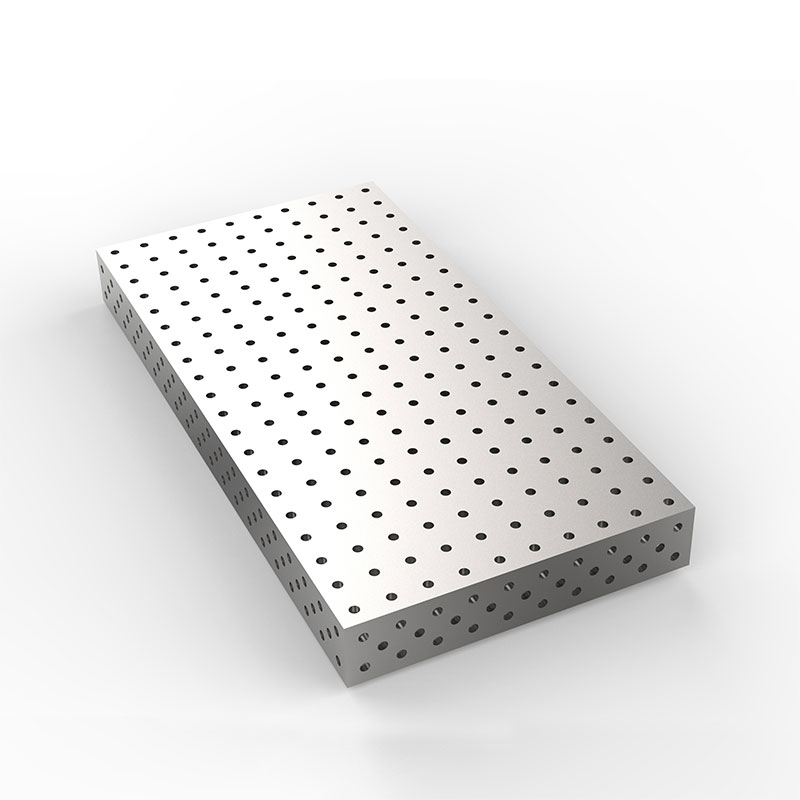
Botou Haijun’s core product line includes 2D and 3D flexible welding platforms renowned for their versatility. When selecting a mobile bench, ensure the tabletop has a standardized hole pattern (such as 16mm or 28mm diameter holes on a 50mm or 100mm grid). This allows for the seamless integration of:
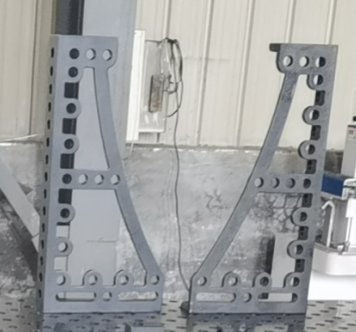
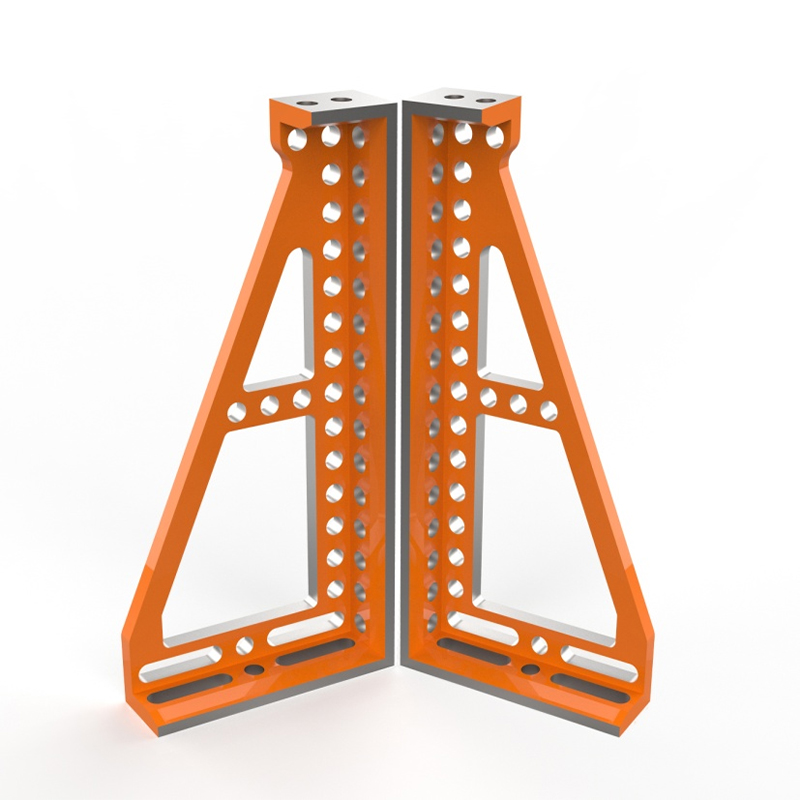
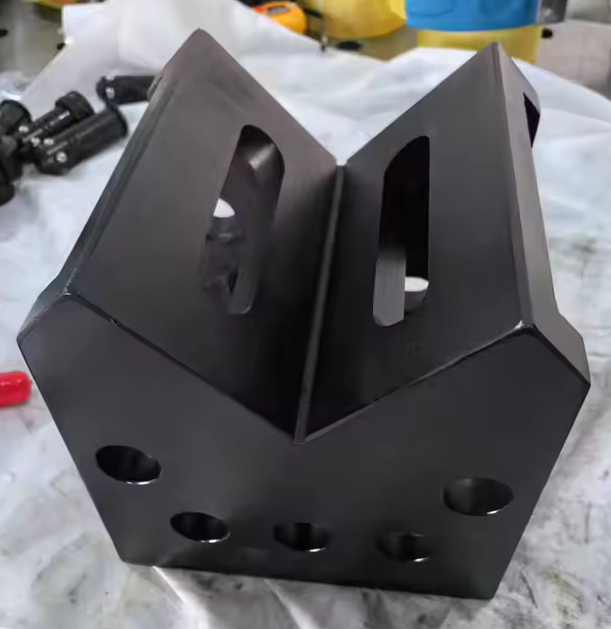
- U-shaped and L-shaped multi-purpose square boxes: Essential for creating precise 90-degree references.
- 200-series support angle irons: Used for elevating and supporting workpieces at consistent heights.
- 0-225° universal angle gauges: These accessories integrate seamlessly with the platforms to enable rapid workpiece positioning and clamping at various angles.
Without this modularity, a mobile bench is just a table. With it, it becomes a comprehensive positioning solution.
Price Comparison: What Drives the Cost of Mobile Welding Benches?
Prices for mobile welding benches vary widely, ranging from a few hundred dollars for basic DIY units to several thousand for industrial-grade, modular systems. Understanding the cost drivers helps in budgeting and value assessment.
| Feature Category | Economy Grade ($) | Professional Grade ($$) | Precision Industrial Grade ($$$) |
| Tabletop Material | Mild Steel, no finish | Heavy-gauge Steel, drilled/tapped | Stress-relieved Cast Iron, precision ground |
| Casters | Basic swivel, plastic wheels | Heavy-duty polyurethane, single lock | Industrial double-lock, high load rating |
| Modularity | None or basic holes | Standard hole pattern, limited accessories | Full 2D/3D compatibility (e.g., Haijun system) |
| Frame Construction | Lightweight tubing | Reinforced steel frame | Welded box-section, vibration-dampened |
| Best For | Hobbyists, light repair | General fabrication, job shops | Aerospace, automotive, precision machining |
Hidden Costs to Consider
When analyzing the price, do not overlook the total cost of ownership. Economy benches often require frequent replacement of casters or resurfacing of the table due to warping. Professional grade units, such as those supported by Botou Haijun’s comprehensive range of complementary components, offer long-term reliability. The initial investment is higher, but the lifespan and precision retention are superior.
Additionally, consider the cost of fixtures. A mobile bench without clamps is incomplete. Investing in a system that supports standardized accessories like angle connection blocks and support irons ensures that you can expand your capabilities without buying new tables.
Application Scenarios: Where Mobile Welding Benches Excel
Different industries leverage mobile welding benches in unique ways. Identifying your specific application helps narrow down the feature set you need.
Automotive Repair and Customization
In automotive shops, space is premium. Mechanics often need to weld exhaust systems, roll cages, or custom brackets directly on or near the vehicle. A mobile bench equipped with Botou Haijun’s flexible fixtures allows technicians to bring the jig to the car. The ability to use universal angle gauges ensures that suspension components are welded at exact specifications, reducing rework.
Aerospace Component Assembly
Aerospace manufacturing demands extreme precision. Large airframe sections cannot be easily moved. Mobile cast iron platforms provide the necessary stability and flatness for assembling sub-components. The vibration-damping properties of cast iron are critical here to maintain alignment during tack welding. The modularity allows for quick reconfiguration between different aircraft parts, supporting low-volume, high-mix production.
General Job Shop Fabrication
For job shops handling diverse projects, a one-size-fits-all approach fails. A mobile bench acts as a “plug-and-play” workstation. One day it might be set up for sheet metal work with specific clamps; the next, it is configured for heavy structural steel with support angle irons. This adaptability reduces setup time and increases billable hours.
How to Choose the Right Mobile Welding Bench: A Step-by-Step Guide
Selecting the right equipment involves a systematic evaluation of your needs. Follow these steps to make an informed decision.
Step 1: Define Your Load Requirements
Calculate the maximum weight of the workpieces you will handle. Add the weight of the fixtures and clamps. Choose a bench with a load capacity at least 1.5 times this total. This ensures the casters and frame remain stable under dynamic loads.
Step 2: Determine Precision Needs
Are you welding decorative gates or aerospace brackets? For general structural work, a steel top is sufficient. For precision jigging, opt for a cast iron platform. Botou Haijun Metal Products Co., Ltd. offers both 2D and 3D flexible welding platforms, allowing you to match the precision level to your industry standards.
Step 3: Assess Mobility Needs
How often will you move the bench? If it stays in one spot for weeks, standard locks are fine. If it moves daily, invest in high-quality swivel casters with easy-access brakes. Check the floor type in your facility; soft polyurethane wheels are best for finished concrete.
Step 4: Verify Accessory Compatibility
Ensure the bench supports the clamping systems you already own or plan to buy. Look for standardized hole patterns. The availability of complementary components like U-shaped square boxes and angle connection blocks is vital for maximizing the bench’s utility. Haijun Metal’s ecosystem is designed for this seamless integration.
Common Mistakes to Avoid When Buying a Mobile Welding Bench
Even experienced buyers can fall into traps when purchasing mobile welding solutions. Avoid these common pitfalls to ensure a successful investment.
- Ignoring Caster Height: Ensure the bench height matches your ergonomic needs. Adding casters raises the table. If the base is too low, the final height may be uncomfortable for standing work.
- Overlooking Floor Conditions: Heavy benches on soft wheels can sink into asphalt or damage soft epoxy floors. Match the wheel material to your floor surface.
- Neglecting Grounding Points: Welding requires proper grounding. Some mobile benches have insulated wheels, breaking the ground path. Ensure the bench has dedicated grounding studs or conductive casters.
- Buying Non-Modular Units: A fixed-surface mobile table limits future growth. Always prioritize systems that allow for the addition of fixtures and clamps.
Maintenance Tips for Longevity
To maintain the precision and functionality of your mobile welding bench, regular maintenance is essential.
- Caster Care: Regularly clean debris from caster wheels and bearings. Lubricate swivel mechanisms quarterly to prevent seizing.
- Surface Protection: Apply a thin coat of oil or wax to steel tops to prevent rust. For cast iron platforms, avoid dropping heavy tools that could chip the surface.
- Lock Inspection: Test locking mechanisms monthly. Replace worn brakes immediately to ensure safety during welding operations.
- Fixture Storage: Store accessories like angle gauges and square boxes in organized racks when not in use to prevent loss and damage.
Frequently Asked Questions (FAQ)
Can a mobile welding bench handle heavy industrial loads?
Yes, provided it is designed for industrial use. Heavy-duty mobile benches with reinforced frames and high-load casters can support thousands of pounds. However, always verify the manufacturer’s load rating. Botou Haijun’s industrial-grade platforms are engineered for high stability, ensuring they can handle substantial weights without compromising flatness.
What is the advantage of cast iron over steel for mobile benches?
Cast iron offers superior vibration damping and resistance to warping under heat. It maintains flatness better over time, making it ideal for precision welding and jigging. Steel is lighter and cheaper but more prone to deformation if exposed to intense, localized heat.
How do I ensure my mobile bench is grounded properly?
Most professional mobile benches include dedicated grounding points or studs. Connect your welder’s ground clamp directly to this point. Do not rely on the casters for grounding, as rubber or polyurethane wheels are insulators. If using steel wheels, ensure they are clean and in direct contact with the floor, but a dedicated stud is safer and more reliable.
Are modular fixtures compatible with all mobile benches?
No. Modular fixtures require specific hole patterns and spacing. Before purchasing fixtures, confirm that your bench’s tabletop matches the system’s specifications. Botou Haijun’s accessories, such as the 200-series support angle irons, are designed to integrate seamlessly with their specific platform grids, ensuring precise alignment.
Conclusion: Investing in Flexibility and Precision
Choosing a mobile welding bench for sale is a strategic decision that impacts workflow efficiency, product quality, and shop floor flexibility. In 2026, the demand for agile manufacturing solutions continues to grow. A high-quality mobile bench, especially one integrated with a robust modular fixture system, provides the versatility needed to handle diverse projects without sacrificing precision.
For businesses in machining, automotive, and aerospace sectors, the combination of mobility and modularity is unbeatable. Botou Haijun Metal Products Co., Ltd. stands out as a trusted supplier, offering not just tables, but comprehensive positioning solutions. Their expertise in 2D and 3D flexible welding platforms, along with a wide range of accessories like universal angle gauges and square boxes, ensures that every investment delivers long-term value.
When evaluating options, prioritize load capacity, caster quality, and modularity. Avoid cheap alternatives that compromise on stability. Instead, look for systems that offer scalability and precision. By selecting the right mobile welding bench, you empower your team to work smarter, faster, and with greater accuracy.
Ready to upgrade your welding workflow? Explore our range of high-precision flexible modular fixtures and mobile solutions. Contact us today to discuss your specific application needs and discover how our products can enhance your production efficiency.
View Our Full Product Line and Technical Specifications