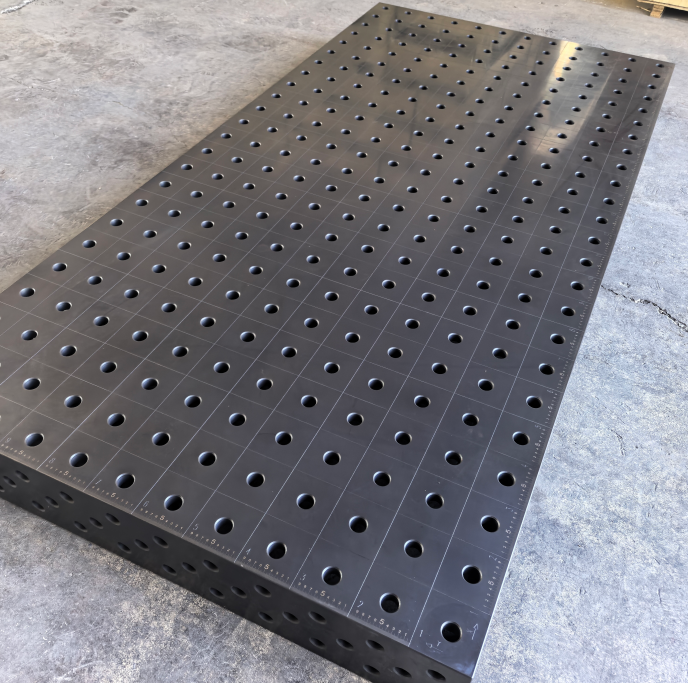
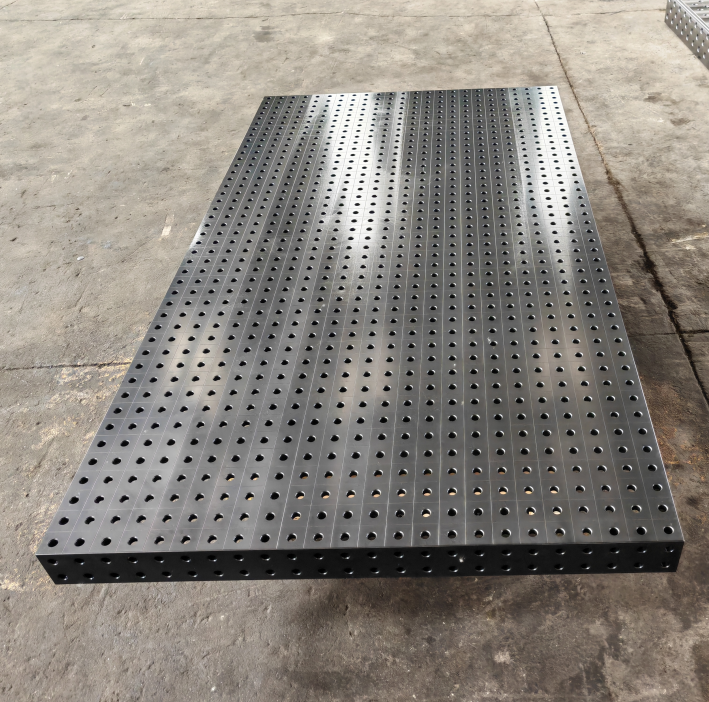
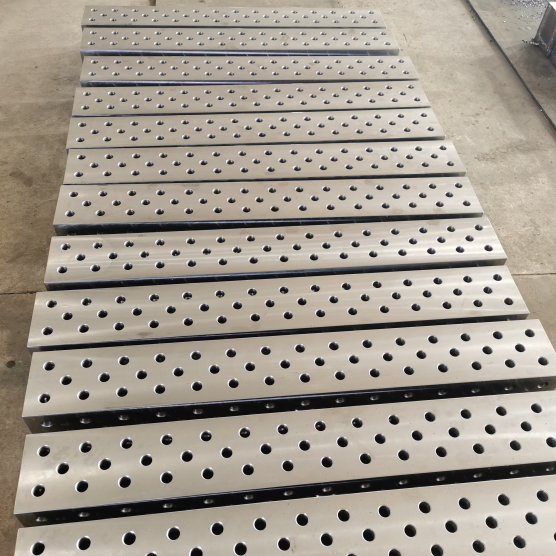
A metal fab table is a precision-engineered work surface designed for welding, cutting, and assembly tasks in industrial fabrication. Unlike standard steel tables, these units feature a grid of holes or slots that allow for modular clamping, fixturing, and rapid reconfiguration. In 2026, top-tier metal fab tables prioritize flatness tolerances within ±0.005 inches per square foot, heat-resistant coatings, and compatibility with automated positioning systems. Choosing the right table directly impacts weld accuracy, throughput speed, and long-term operational costs for manufacturing facilities.
What Defines a Professional Metal Fab Table in 2026?
The landscape of industrial fabrication has shifted significantly. The modern metal fab table is no longer just a heavy piece of steel; it is a critical component of the production workflow. In 2026, the definition of a professional-grade table revolves around three core pillars: dimensional stability, modularity, and durability under thermal stress.
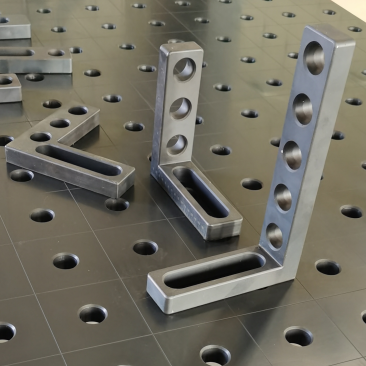
Fabricators today demand surfaces that maintain perfect flatness even after thousands of thermal cycles. A high-quality table serves as the “third hand” for welders, holding components in precise alignment while allowing for quick adjustments. The integration of standardized hole patterns enables the use of universal clamps, stops, and angle brackets, transforming a static surface into a dynamic 3D workspace.
- Precision Flatness: Essential for ensuring assemblies fit together without gaps or warping.
- Thermal Resistance: The ability to withstand direct arc strikes and spatter without degrading the surface.
- Modular Fixturing: Compatibility with a wide range of tooling to handle complex geometries.
When evaluating equipment for a shop floor, understanding these defining characteristics helps distinguish between a basic workbench and a true production asset. The investment in a superior table pays dividends through reduced rework, faster setup times, and improved final product quality.
Key Features and Technical Specifications
Selecting the right equipment requires a deep dive into technical specifications. Not all tables are built to handle the rigors of heavy industrial use. The following features represent the current industry standard for high-performance fabrication surfaces in 2026.
Surface Material and Hardness
The tabletop material is the most critical factor. Most premium tables utilize low-carbon steel (such as ASTM A36 or equivalent) that has undergone specific heat treatment processes. This treatment increases surface hardness to resist indentation from clamps while maintaining enough ductility to prevent cracking under thermal shock.
Advanced models often feature specialized coatings. These are not merely paint; they are ceramic-based or nitrided layers designed to repel spatter. This feature significantly reduces cleanup time, as weld spatter does not adhere strongly to the treated surface. For applications involving stainless steel or aluminum, non-ferrous tops or dedicated covers are available to prevent cross-contamination.
Hole Pattern and Tolerance
The grid system is the heart of the table’s functionality. The two dominant standards in 2026 are the 16mm (5/8″) and 28mm (1-1/8″) hole patterns.
- 16mm Systems: Ideal for light to medium-duty fabrication, robotics, and intricate sheet metal work. They offer higher hole density for finer adjustments.
- 28mm Systems: Designed for heavy structural steel, large assemblies, and high-tonnage clamping forces. The larger pins provide greater shear strength.
Precision is paramount. High-end tables maintain hole position tolerances within ±0.1mm across the entire surface. This ensures that when a fixture is moved from one side of the table to the other, the geometry remains consistent. Without this level of accuracy, repeatable production becomes impossible.
Leg Structure and Stability
A wobbly table ruins welds. The support structure must be rigid enough to prevent deflection under load. Modern designs utilize heavy-gauge rectangular tubing for legs, often reinforced with cross-bracing. Adjustable leveling feet are standard, allowing the table to remain perfectly flat even on uneven concrete floors. Some heavy-duty models include forklift pockets and lifting eyes for safe relocation within the facility.
Metal Fab Table vs. Traditional Welding Tables: A Detailed Comparison
Understanding the difference between a dedicated metal fab table and a traditional solid-top welding table is crucial for procurement decisions. While both serve as work surfaces, their applications and performance capabilities differ vastly.
| Feature | Metal Fab Table (Fixture Table) | Traditional Solid-Top Welding Table |
| Surface Design | Grid of precision-drilled holes or slots | Solid, continuous steel plate |
| Clamping Flexibility | High: Clamps can be positioned anywhere on the grid | Low: Limited to edge clamping or magnetic bases |
| Setup Time | Fast: Modular tooling allows rapid reconfiguration | Slow: Requires custom jigs or tack welding |
| Flatness Retention | Engineered to resist warping; often stress-relieved | Prone to warping over time due to heat concentration |
| Primary Application | Complex assembly, repeatable production, prototyping | Heavy cutting, grinding, single-off repairs |
| Cost Efficiency | Higher upfront cost, lower labor cost per unit | Lower upfront cost, higher labor cost per unit |
The data clearly shows that for shops focused on production volume and repeatability, the modular fab table is the superior choice. Traditional tables still have a place for rough cutting or grinding where surface damage is less critical, but they lack the versatility required for modern lean manufacturing environments.
Industrial Applications and Use Cases
The versatility of the metal fab table extends across numerous sectors. Its ability to adapt to different workflows makes it a cornerstone in various manufacturing disciplines.
Structural Steel Fabrication
In structural steel work, accuracy determines fit-up. Large 28mm systems allow fabricators to assemble beams, columns, and trusses with precise angles. The heavy-duty clamping capacity holds massive components securely, enabling welders to complete joints without movement. This reduces the need for post-weld straightening and ensures structures meet strict building codes.
Sheet Metal and Enclosure Manufacturing
For manufacturers producing electrical enclosures, machine guards, or HVAC components, the 16mm system is indispensable. The fine grid allows for the precise alignment of thin-gauge materials. Stop blocks and angle fixtures ensure that every box produced is identical, streamlining the assembly line process. The clean surface also prevents scratching of finished or pre-painted parts.
Robotics and Automation Integration
As automation grows in 2026, fab tables have evolved to support robotic cells. Many tables are designed with mounting points underneath or integrated channels for cable management. The predictable geometry of the hole pattern allows robot programmers to set coordinate systems quickly. Fixtures built on these tables can be easily replicated, allowing for multiple cells to run the same program with minimal calibration.
Prototyping and R&D
Research and development teams benefit immensely from the reconfigurability of these tables. Engineers can build a fixture for a prototype, test it, dismantle it, and reuse the components for the next iteration. This agility accelerates the product development cycle and reduces the cost of tooling for one-off projects.
How to Choose the Right Metal Fab Table for Your Facility
Selecting the correct table involves analyzing your specific production needs. Making the wrong choice can lead to bottlenecks or unnecessary expenses. Consider the following factors to guide your decision.
Assessing Load Requirements
Determine the maximum weight of the assemblies you will be working on. Light-duty tables may suffice for small parts, but heavy structural work demands a frame capable of supporting several tons without deflecting. Check the load rating per square foot provided by the manufacturer. Always add a safety margin to account for dynamic loads during clamping and welding.
Determining the Hole Pattern Size
Your choice between 16mm and 28mm depends on the scale of your work and the clamping forces required.
- Choose 16mm if you work primarily with materials under 10mm thickness and require fine positioning.
- Choose 28mm if you handle heavy plates, thick sections, or need to apply significant torque with clamps.
Some facilities opt for a hybrid approach, utilizing different tables for different stages of production. However, standardizing on one system simplifies tooling inventory and training.
Table Size and Shop Layout
Measure your available floor space carefully. Remember to account for aisle space around the table for operator movement and material handling equipment. Standard sizes range from 4×4 feet to 6×12 feet. Custom sizes are often available. Consider future expansion; a slightly larger table might accommodate growth without requiring a new purchase later.
Budget and Total Cost of Ownership
While the initial price is important, consider the total cost of ownership. A cheaper table that warps after six months will cost more in the long run due to scrapped parts and lost productivity. Invest in a table with a proven track record of durability. Factor in the cost of necessary tooling (clamps, stops, angles), which can sometimes equal the cost of the table itself.
Installation and Maintenance Best Practices
To maximize the lifespan and performance of your metal fab table, proper installation and regular maintenance are essential. Neglecting these aspects can lead to premature wear and loss of precision.
Proper Installation Steps
- Site Preparation: Ensure the floor is clean and capable of supporting the table’s weight. Remove any debris that could interfere with leveling.
- Unpacking and Inspection: Carefully unpack the table and inspect for any shipping damage. Verify that all hardware and leveling feet are present.
- Positioning: Move the table to its designated location using appropriate lifting equipment. Never drag the table, as this can damage the legs or floor.
- Leveling: Use a precision machinist level to adjust the feet. Start from the center and work outward. Tighten the locking nuts once the desired flatness is achieved.
- Anchoring (Optional): For high-vibration environments or seismic zones, consider anchoring the table to the floor using the provided mounting holes.
Routine Maintenance Schedule
Regular care keeps the table functioning optimally. Establish a routine that includes:
- Daily Cleaning: Sweep off metal shavings and spatter. Use a wire brush or scraper for stubborn deposits. Avoid using harsh chemicals that might degrade coatings.
- Weekly Inspection: Check the tightness of leg bolts and leveling feet. Inspect the surface for deep gouges or damage.
- Monthly Lubrication: Apply a light coat of oil to the surface if not using a spatter-resistant coating, to prevent rust. Clean tooling pins and clamps to ensure smooth insertion.
- Annual Calibration: Re-check the flatness of the table. If significant deviation is found, consult the manufacturer for resurfacing options or adjustment procedures.
Common Mistakes to Avoid When Using Fixture Tables
Even experienced welders can make errors that compromise the integrity of the table or the quality of the work. Being aware of these common pitfalls can save time and money.
Overloading Beyond Capacity
One of the most frequent mistakes is exceeding the table’s load rating. Placing excessively heavy assemblies in the center of a span can cause permanent deflection. Always distribute weight evenly and use additional supports for oversized parts.
Improper Clamping Techniques
Using the wrong type of clamp or applying force at an incorrect angle can damage the hole edges. This leads to “egging” of the holes, making tooling loose and inaccurate. Ensure clamps are seated fully and perpendicular to the surface before tightening.
Neglecting Thermal Management
Concentrating too much heat in one small area can warp the tabletop. When performing long continuous welds, move the workpiece or use heat sinks to dissipate thermal energy. Avoid striking arcs directly on the table surface unless it is specifically rated for such abuse.
Mixing Tooling Systems
Attempting to force incompatible tooling into the holes can ruin both the pin and the table. Stick to the specified system for your table. If you need to switch systems, use adapter plates rather than modifying the table itself.
Partnering with Industry Leaders: The Haijun Metal Advantage
As the demand for high-precision flexible modular fixtures grows, selecting a reliable manufacturer becomes as critical as choosing the right table specifications. Botou Haijun Metal Products Co., Ltd. has established itself as a trusted partner in this evolving landscape, specializing in the research, development, and production of advanced metalworking tools. With years of industry experience, Haijun Metal is committed to providing efficient and flexible welding solutions tailored for the modern manufacturing sector, including machining, automotive, and aerospace industries.
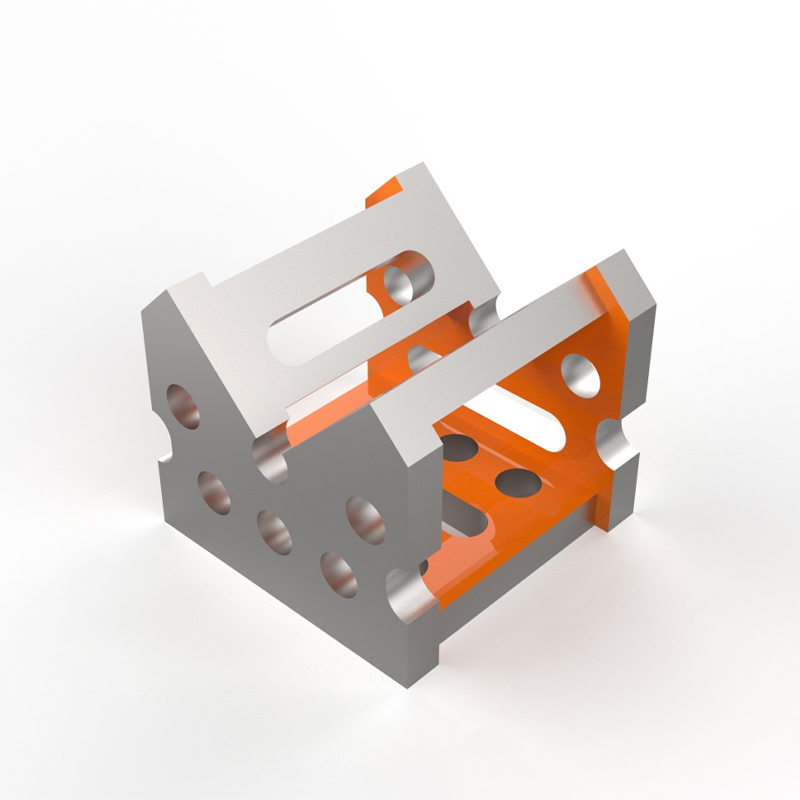
Their core product line features renowned 2D and 3D flexible welding platforms, celebrated for exceptional versatility and precision. These platforms serve as the foundation for rapid workpiece positioning, seamlessly integrating with a comprehensive range of complementary components. Whether you require U-shaped and L-shaped multi-purpose square boxes, 200-series support angle irons, or 0-225° universal angle gauges, Haijun Metal offers accessories designed to work in perfect harmony with their tables. Furthermore, their manufacturing capabilities extend to professional cast iron 3D welding platforms and angle connection blocks, ensuring that every product delivers the durability and stability required for demanding industrial environments. By choosing a supplier like Haijun Metal, facilities gain access to a complete ecosystem of high-quality production machinery tools that enhance overall operational efficiency.
2026 Market Trends and Pricing Insights
The market for industrial fabrication equipment continues to evolve. In 2026, several trends are influencing the availability and pricing of metal fab tables.
Shift Towards Automation-Ready Designs
Manufacturers are increasingly designing tables with automation in mind. Features like integrated sensor mounts, cable troughs, and compatibility with collaborative robots are becoming standard. This shift reflects the broader industry move towards Industry 4.0 and smart manufacturing.
Material Cost Fluctuations
Steel prices remain volatile, impacting the final cost of heavy equipment. Buyers should expect pricing to reflect current raw material markets. However, the value proposition of high-efficiency tables remains strong, as labor savings often offset the initial capital expenditure within the first year of operation.
Customization and Modularity
There is a growing demand for customizable solutions. Companies are offering tables with mixed hole patterns, specialized cutouts for dust extraction, and modular leg configurations. This flexibility allows businesses to tailor their workspace exactly to their unique processes.
Pricing Expectations
Pricing varies widely based on size, thickness, and features. Entry-level light-duty tables start at a lower price point, suitable for small shops. Mid-range professional tables offer a balance of durability and cost, representing the bulk of the market. High-end heavy-duty systems with advanced coatings and extreme precision command a premium but deliver unmatched longevity and performance. It is advisable to request detailed quotes that include shipping and installation costs, as these can be significant for large units.
Frequently Asked Questions (FAQ)
What is the difference between 16mm and 28mm hole patterns?
The 16mm pattern offers higher hole density, suitable for smaller parts and finer adjustments. The 28mm pattern provides greater clamping strength and is better suited for heavy structural steel and large assemblies. The choice depends on the thickness of your material and the force required for fixturing.
Can I weld directly on the metal fab table surface?
Yes, most professional tables are designed to withstand welding spatter and arc strikes. However, excessive heat concentration in one spot can cause warping. It is good practice to move the work frequently and use backing bars when possible to protect the surface integrity.
How do I clean weld spatter from the table?
For standard steel tables, a chipping hammer or scraper works well. If your table has a spatter-resistant coating, spatter should pop off easily once cooled. Avoid using grinding discs on the table surface, as this can remove protective coatings and alter flatness.
Is assembly required for these tables?
Most tables ship partially assembled to reduce freight costs. Typically, you will need to attach the legs and leveling feet. The tabletop usually comes as a single solid piece. Assembly generally requires basic tools and can be completed by two people in under an hour.
What accessories are essential for a new table?
Essential accessories include a set of clamping pins, toggle clamps, stop blocks, and angle brackets. A rubber mallet for seating pins and a cleaning brush are also highly recommended. Investing in a comprehensive tooling kit maximizes the table’s utility from day one.
How long does a metal fab table last?
With proper maintenance and usage within rated limits, a high-quality metal fab table can last for decades. The surface may show wear over time, but the structural integrity typically remains intact. Many users report using the same tables for 20 years or more in demanding industrial environments.
Conclusion: Elevating Your Fabrication Capabilities
In the competitive landscape of 2026, efficiency and precision are the keys to success. A high-quality metal fab table is more than just a workbench; it is a strategic asset that enhances productivity, improves weld quality, and reduces operational costs. By providing a stable, modular, and durable platform, these tables empower fabricators to tackle complex projects with confidence.
Whether you are running a high-volume production line, a specialized robotics cell, or a versatile job shop, investing in the right fabrication table yields immediate and long-term benefits. The ability to rapidly reconfigure fixtures, maintain tight tolerances, and withstand the rigors of daily industrial use sets top-tier facilities apart from the rest.
Who should upgrade? If your current setup involves makeshift jigs, inconsistent fit-ups, or excessive time spent on part alignment, it is time to consider a professional solution. Facilities focusing on structural steel, precision sheet metal, or automated welding will see the highest return on investment.
Ready to transform your workshop? Explore our range of industrial-grade fabrication tables and tooling systems designed to meet the rigorous demands of modern manufacturing. Contact our team today to discuss your specific requirements, request a custom quote, or learn how to integrate these solutions into your existing workflow.
View Our Full Range of Industrial Welding Tables & Technical Specifications