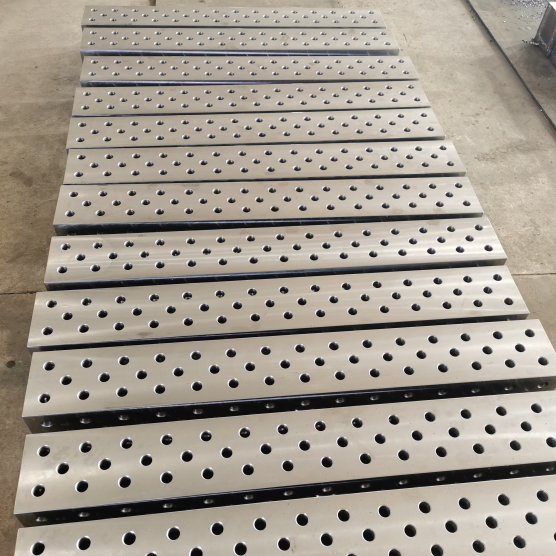
As a premier ISO certified aluminum casting manufacturer based in China, we deliver high-precision, defect-free metal components for global industries. Our facility adheres to strict ISO 9001:2015 quality management standards and IATF 16949 automotive protocols, ensuring every cast part meets rigorous international specifications. By integrating advanced die casting, gravity casting, and sand casting technologies with comprehensive in-house testing, we provide scalable solutions for automotive, aerospace, and industrial machinery sectors. Partnering with our factory guarantees supply chain transparency, consistent mechanical properties, and on-time delivery for complex engineering projects.
Why Choose an ISO Certified Aluminum Casting Manufacturer?
Selecting a manufacturing partner is a critical decision that impacts product reliability, supply chain stability, and final assembly costs. In the realm of metal fabrication, certification is not merely a badge; it is a documented proof of process control, consistency, and accountability. An ISO certified aluminum casting manufacturer operates under a framework that mandates regular audits, standardized operating procedures, and continuous improvement mechanisms.
For international buyers, particularly those sourcing from China, ISO certification serves as a universal language of quality. It bridges the gap between different regulatory environments and ensures that the manufacturing processes align with global expectations. Without such certification, buyers face higher risks regarding dimensional accuracy, material integrity, and batch-to-batch consistency.
The Role of ISO 9001 in Quality Assurance
ISO 9001 is the foundational standard for quality management systems (QMS). For an aluminum foundry, this certification implies that every stage of production—from raw material ingestion to final shipment—is monitored and recorded. Key benefits include:
- Process Standardization: Every casting cycle follows a documented procedure, reducing human error and variability.
- Traceability: Materials and processes can be traced back to their source, which is crucial for root cause analysis if defects occur.
- Customer Focus: The QMS requires manufacturers to actively monitor customer satisfaction and address complaints systematically.
- Risk Management: Potential failures in the casting process are identified and mitigated before they impact production.
In 2026, the expectation for digital traceability has increased. Modern ISO-compliant factories utilize ERP and MES systems to log real-time data, providing clients with transparent visibility into their order status and quality metrics.
IATF 16949: The Automotive Gold Standard
While ISO 9001 is general, IATF 16949 is specific to the automotive industry. If your project involves engine blocks, transmission housings, or structural safety components, partnering with an IATF-certified supplier is often mandatory. This standard emphasizes defect prevention, reduction of variation, and waste minimization in the automotive supply chain.
An ISO certified aluminum casting manufacturer holding IATF 16949 demonstrates capability in:
- Advanced Product Quality Planning (APQP)
- Production Part Approval Process (PPAP)
- Failure Mode and Effects Analysis (FMEA)
- Statistical Process Control (SPC)
These tools ensure that high-volume production runs maintain tight tolerances and superior surface finishes, critical for automated assembly lines in the automotive sector.
Core Aluminum Casting Processes Offered
Different applications require different casting methods. A versatile manufacturer offers multiple technologies to match the geometric complexity, volume, and mechanical requirements of your project. Understanding these processes helps in selecting the right approach for cost-efficiency and performance.
High-Pressure Die Casting (HPDC)
Die casting is the most common method for mass-producing aluminum parts. Molten aluminum is injected into a steel mold (die) under high pressure. This process is ideal for high-volume runs requiring thin walls and complex shapes.
Key Advantages:
- High Production Speed: Cycle times can be as short as 10-30 seconds.
- Excellent Surface Finish: Parts often require minimal secondary machining.
- Tight Tolerances: Capable of holding tolerances within ±0.1mm for small parts.
- Complex Geometries: Can produce intricate details, threads, and ribs directly in the cast.
This method is widely used for consumer electronics housings, automotive engine components, and power tool bodies. However, it involves high initial tooling costs, making it less suitable for low-volume prototypes.
Gravity Die Casting (Permanent Mold)
Also known as permanent mold casting, this process relies on gravity to fill the mold rather than high pressure. The molds are typically made of metal and can be reused thousands of times.
When to Use Gravity Casting:
- Superior Mechanical Properties: The slower cooling rate results in a denser microstructure with fewer gas pores compared to HPDC.
- Medium Volumes: Ideal for batches ranging from hundreds to tens of thousands.
- Thicker Walls: Better suited for parts requiring substantial structural integrity.
Common applications include automotive wheels, pump housings, and gearboxes. An ISO certified aluminum casting manufacturer will optimize the gating system to ensure smooth metal flow and minimize turbulence, further enhancing part quality.
Sand Casting
Sand casting uses expendable sand molds to create metal parts. It is the most flexible casting method, capable of producing very large components that cannot be made via die casting.
Characteristics:
- Low Tooling Cost: Patterns are cheaper and faster to produce than steel dies.
- Large Part Capability: Suitable for components weighing several hundred kilograms.
- Design Flexibility: Easy to modify designs between runs without expensive mold changes.
While the surface finish is rougher and tolerances are wider than die casting, sand casting is indispensable for heavy machinery, marine engines, and infrastructure components. Post-casting machining is usually required to achieve final dimensions.
Low-Pressure Die Casting (LPDC)
LPDC combines elements of gravity and pressure casting. Molten aluminum is pushed into the mold at low pressure, resulting in a calm fill that reduces oxidation and porosity.
This process is increasingly popular for automotive structural parts, such as chassis nodes and battery tray components, where strength and weight reduction are paramount. The resulting parts have excellent elongation and fatigue resistance, meeting the stringent safety standards of modern electric vehicles.
Material Selection: Aluminum Alloys Explained
The choice of aluminum alloy significantly influences the castability, mechanical strength, corrosion resistance, and machinability of the final part. An experienced manufacturer guides clients in selecting the optimal alloy based on application requirements.
| Alloy Series | Common Grades | Key Characteristics | Typical Applications |
| A380 (Al-Si-Cu) | ADC12, A380 | Excellent fluidity, good strength, moderate corrosion resistance. Most widely used die casting alloy. | Engine blocks, transmission cases, electronic housings. |
| A360 (Al-Si-Mg) | A360, ADC10 | Superior corrosion resistance and pressure tightness. Lower ductility than A380. | Marine components, outdoor equipment, fluid-handling parts. |
| A356 (Al-Si-Mg) | A356, ZL101A | High strength-to-weight ratio, excellent weldability, and heat treatability. Used in gravity and sand casting. | Automotive wheels, aircraft structures, high-stress brackets. |
| A413 (Al-Si) | A413, ADC1 | Highest fluidity and pressure tightness. Low strength but excellent for thin-walled, complex shapes. | Instrument housings, intricate decorative parts. |
Heat Treatment and Tempers
To enhance mechanical properties, aluminum castings often undergo heat treatment. The T5 and T6 tempers are the most common:
- T5 (Artificial Aging): Cooled from an elevated temperature shaping process and then artificially aged. Improves strength and hardness.
- T6 (Solution Heat Treated + Artificially Aged): Provides the highest strength and hardness levels. Essential for structural components subject to high loads.
An ISO certified aluminum casting manufacturer maintains precise control over furnace temperatures and quenching rates to ensure consistent temper results across all batches. Certification audits verify that heat treatment logs are accurate and compliant with ASTM or EN standards.
Quality Control and Testing Protocols
Quality control (QC) is the backbone of a reliable manufacturing partnership. In 2026, buyers expect more than just final inspection; they demand integrated quality assurance throughout the production lifecycle. Our facility employs a multi-layered QC strategy to ensure zero-defect delivery.
In-Process Inspection
Monitoring begins before the metal is poured. Key checks include:
- Melt Quality Analysis: Spectrometers verify chemical composition in real-time. Hydrogen content is measured to prevent porosity.
- Mold Temperature Control: Sensors ensure dies are within optimal temperature ranges to prevent thermal shock and dimensional drift.
- First Article Inspection (FAI): The first parts from a new mold are thoroughly measured against CAD drawings using CMM (Coordinate Measuring Machine).
Non-Destructive Testing (NDT)
NDT methods allow us to detect internal and surface defects without damaging the part. Common techniques include:
- X-Ray Inspection: Reveals internal voids, shrinkage, and inclusions. Critical for automotive and aerospace safety parts.
- Dye Penetrant Testing: Identifies surface-breaking cracks and porosity. Cost-effective for high-volume screening.
- Ultrasonic Testing: Detects subsurface flaws in thicker sections, often used for large sand-cast components.
Destructive Testing and Lab Analysis
Periodic destructive testing validates the mechanical integrity of the castings. Samples are subjected to:
- Tensile Testing: Measures yield strength, ultimate tensile strength, and elongation.
- Hardness Testing: Verifies Brinell or Rockwell hardness values to confirm heat treatment efficacy.
- Microstructure Analysis: Metallographic examination ensures proper grain structure and absence of intermetallic compounds that could weaken the part.
All test results are documented in Certificates of Analysis (CoA) and Certificates of Conformity (CoC), which are provided with each shipment. This documentation is a key requirement for maintaining ISO certification and customer trust.
Industries Served by Our Aluminum Casting Solutions
Aluminum’s unique combination of light weight, strength, and corrosion resistance makes it indispensable across various sectors. As a specialized ISO certified aluminum casting manufacturer, we tailor our processes to meet the distinct demands of each industry.
Automotive and Electric Vehicles (EV)
The shift towards electrification has revolutionized automotive casting. EVs require lightweight components to maximize battery range. We produce:
- Battery Housings: Large, complex die-cast trays with high pressure tightness to protect battery cells.
- Motor Housings: Precision-cast enclosures with efficient cooling channels.
- Structural Nodes: High-strength LPDC parts that replace steel stampings, reducing vehicle weight by up to 30%.
Our IATF 16949 certification ensures that these safety-critical components meet the rigorous standards of global OEMs.
Aerospace and Defense
Aerospace components demand the highest levels of reliability and traceability. We utilize high-grade alloys like A356 and specialized heat treatments to produce:
- Avionics housings
- Hydraulic manifold blocks
- Bracket assemblies
Strict adherence to AS9100 quality principles (often aligned with ISO 9001 in our operations) ensures full material traceability and compliance with aviation regulations.
Industrial Machinery and Automation
Heavy-duty machinery requires robust components that can withstand vibration, heat, and wear. Our sand and gravity casting capabilities produce:
- Pump and valve bodies
- Compressor housings
- Robot arm joints and bases
These parts are designed for durability and ease of maintenance, supporting the efficiency of automated production lines worldwide.
Consumer Electronics and Telecommunications
For consumer goods, aesthetics and thermal management are key. High-pressure die casting allows for:
- Thin-walled laptop and smartphone frames
- Heat sinks with complex fin structures
- 5G base station enclosures with EMI shielding properties
Surface finishing options like anodizing, powder coating, and bead blasting are integrated to meet premium cosmetic standards.
Step-by-Step: How to Order Custom Aluminum Castings
Navigating the procurement process for custom castings can be complex. We have streamlined our workflow to ensure clarity and efficiency from inquiry to delivery.
- Request for Quote (RFQ): Submit your 3D CAD files (STEP, IGES) and 2D drawings. Specify material, quantity, and any special requirements.
- Engineering Review: Our engineers analyze the design for manufacturability (DFM). We may suggest modifications to improve castability, reduce costs, or enhance performance.
- Quotation and Agreement: Receive a detailed quote including tooling costs, unit price, and lead time. Upon approval, a purchase order is issued.
- Tooling Design and Fabrication: We design the mold and simulate the filling process using software to predict potential defects. Tooling is then machined and tested.
- Sample Production and Approval: Initial samples are produced and inspected. Reports including dimensional data and material certs are sent for your approval.
- Mass Production: Once samples are approved, full-scale production begins. Regular in-process inspections ensure consistency.
- Final Inspection and Shipping: Finished parts undergo final QC. Packaging is customized to prevent damage during transit. Goods are shipped via sea or air freight as agreed.
This transparent process minimizes risks and ensures that the final product matches your exact specifications.
Comparing Aluminum Casting with Other Manufacturing Methods
Choosing the right manufacturing method depends on volume, complexity, and budget. Here is how aluminum casting compares to other common processes.
| Feature | Aluminum Die Casting | CNC Machining | Sheet Metal Fabrication |
| Best For | Complex shapes, high volumes | Prototypes, very tight tolerances | Enclosures, thin structures |
| Unit Cost | Low (at high volume) | High | Medium |
| Tooling Cost | High | None/Low | Low |
| Design Freedom | High (internal features possible) | Very High | Low (limited to bent sheets) |
| Material Waste | Low (recyclable scrap) | High (subtractive process) | Medium |
| Lead Time | Longer (due to tooling) | Short | Short |
For high-volume production of complex parts, die casting is unbeatable in terms of cost per unit. For low-volume prototypes, CNC machining may be more economical initially, but casting becomes cost-effective as volumes increase. An ISO certified aluminum casting manufacturer can help you determine the break-even point and recommend the best strategy for your project lifecycle.
Common Challenges in Aluminum Casting and Solutions
Even with advanced technology, casting presents challenges. Understanding these issues helps in setting realistic expectations and collaborating effectively with your supplier.
Porosity
Issue: Gas entrapment or shrinkage creates voids within the part, weakening it.
Solution: Optimize gate design, use vacuum-assisted die casting, and control melt hygiene. X-ray inspection identifies affected parts before shipment.
Dimensional Variation
Issue: Parts deviate from specified tolerances due to thermal expansion or mold wear.
Solution: Implement statistical process control (SPC), regular mold maintenance, and automated CMM inspection. ISO standards mandate corrective actions when trends are detected.
Surface Defects
Issue: Flow marks, cold shuts, or soldering affect appearance and function.
Solution: Adjust injection speed and pressure, improve mold lubrication, and polish mold surfaces. Secondary machining or tumbling can remove minor surface imperfections.
Frequently Asked Questions (FAQ)
What certifications should I look for in a Chinese aluminum casting factory?
At minimum, look for ISO 9001:2015 for general quality management. For automotive parts, IATF 16949 is essential. For aerospace, AS9100 is preferred. Environmental certifications like ISO 14001 indicate a responsible manufacturing partner.
Can you handle secondary operations like machining and finishing?
Yes. A full-service ISO certified aluminum casting manufacturer offers integrated secondary services. This includes CNC machining, tapping, drilling, powder coating, anodizing, painting, and assembly. Integrating these steps reduces supply chain complexity and ensures better quality control.
What is the typical lead time for custom aluminum castings?
Tooling fabrication usually takes 25-40 days, depending on complexity. Sample production adds 5-7 days. Mass production lead times vary by volume but typically range from 15-30 days after sample approval. Expedited options may be available for urgent projects.
How do you ensure material authenticity?
We source raw aluminum from reputable suppliers who provide Material Test Reports (MTRs). Our in-house spectrometer verifies the chemical composition of every melt batch. This dual verification ensures that the alloy grade matches your specifications exactly.
Do you support low-volume production or prototyping?
Yes. While die casting tooling is expensive, we offer soft tooling or prototype molds for lower volumes. Alternatively, we can use sand casting or gravity casting for initial runs, allowing you to test the market before committing to hard tooling for high-pressure die casting.
Sustainability in Aluminum Casting
In 2026, sustainability is a core business imperative. Aluminum is infinitely recyclable, and our manufacturing processes reflect this advantage. As an ISO 14001-compliant facility, we prioritize environmental responsibility.
- Recycled Content: We utilize a high percentage of post-industrial recycled aluminum, reducing the carbon footprint associated with primary aluminum production.
- Energy Efficiency: Modern induction furnaces and energy-efficient die casting machines minimize power consumption.
- Waste Reduction: Sprue and runner materials are immediately recycled back into the melting furnace, achieving near-zero waste in the production loop.
- Emissions Control: Advanced filtration systems capture particulates and fumes, ensuring clean air emissions.
Partnering with a sustainable manufacturer enhances your brand’s ESG (Environmental, Social, and Governance) profile, meeting the growing demand for eco-friendly supply chains.
Conclusion: Partner with Confidence
Choosing the right manufacturing partner is pivotal to the success of your product. An ISO certified aluminum casting manufacturer provides more than just metal parts; it delivers reliability, consistency, and peace of mind. With our commitment to international quality standards, advanced technological capabilities, and transparent communication, we are equipped to handle your most challenging engineering requirements.
Whether you need high-volume die-cast components for the automotive industry or precision gravity-cast parts for industrial machinery, our team is ready to support your project from concept to completion. We combine decades of casting expertise with modern quality systems to ensure your products stand out in the global market.
Ready to start your next project?
Contact our engineering team today for a free DFM review and competitive quote. Let us demonstrate how our ISO-certified processes can add value to your supply chain.
Explore Our Aluminum Casting Capabilities and Request a Quote