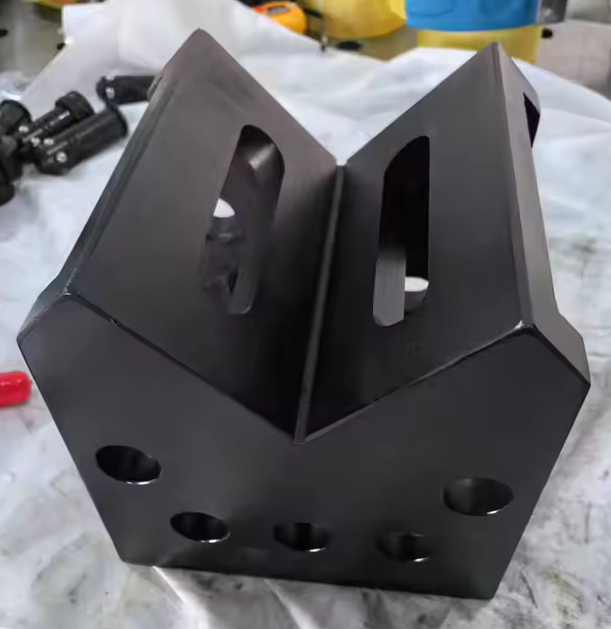
Choosing the best welding table for your workshop requires evaluating material thickness, surface flatness, modularity, and load capacity to ensure precision and durability. For professional fabrication, a high-quality table must resist warping under heat, provide accurate clamping points, and support complex assemblies. In 2026, the industry standard has shifted toward flexible modular systems that offer superior versatility compared to traditional fixed benches. By prioritizing structural integrity and compatible fixturing accessories, manufacturers can significantly reduce setup time and improve weld quality. This guide details the critical technical factors for selecting a welding workstation that meets rigorous industrial demands.
Why Welding Table Selection Impacts Fabrication Quality
A welding table is not merely a work surface; it is the foundational reference plane for all dimensional accuracy in metal fabrication. Poor table selection leads to cumulative errors, distorted assemblies, and increased rework rates. When a table lacks sufficient rigidity, thermal expansion during welding can cause the surface to warp, compromising the squareness of every subsequent project.
Professional workshops prioritize tables that maintain geometric stability under extreme thermal stress. The right choice minimizes distortion, ensures repeatable positioning, and enhances operator safety by providing stable grounding points. Understanding the mechanical properties of the table material and its interaction with clamping systems is essential for achieving high-precision results in machining, automotive, and aerospace applications.
The Role of Surface Flatness and Stability
Surface flatness is the most critical metric for any welding fixture. Even minor deviations can result in significant angular errors in large assemblies. High-precision tables are machined to strict tolerances, ensuring that the working surface remains true over time. Stability is equally important; the table must absorb vibration and resist movement when heavy components are clamped or when arc striking occurs.
In practical applications, a stable platform allows welders to focus on bead placement and penetration rather than constantly adjusting misaligned parts. This efficiency directly translates to higher throughput and consistent product quality. For industries requiring tight tolerances, such as aerospace component manufacturing, the initial investment in a precision-ground table pays dividends through reduced scrap rates.
Key Material Considerations: Cast Iron vs. Steel
The material composition of a welding table determines its longevity, heat resistance, and maintenance requirements. The two primary options in industrial settings are cast iron and structural steel. Each material offers distinct advantages depending on the specific welding processes and environmental conditions of the workshop.
Cast Iron: Known for its exceptional damping properties, cast iron absorbs vibration effectively, which is crucial for precision jigging. It is highly resistant to warping under thermal stress due to its microstructure. However, cast iron is brittle and can crack if subjected to severe impact. It also requires protection against rust, as it is more porous than steel.
Structural Steel: Steel tables are tougher and more resistant to impact damage. They are generally easier to repair if damaged by stray arcs or heavy drops. Modern high-grade steel tables are often stress-relieved to minimize warping. While they may not dampen vibration as effectively as cast iron, their durability makes them ideal for heavy-duty structural welding where rough handling is common.
| Feature | Cast Iron Tables | Structural Steel Tables |
| Vibration Damping | Excellent | Moderate |
| Impact Resistance | Low (Brittle) | High (Ductile) |
| Thermal Stability | High | Moderate (Requires Stress Relief) |
| Maintenance | Requires Rust Prevention | Standard Cleaning |
| Best Application | Precision Jigging, Aerospace | Heavy Structural, General Fabrication |
Modular Flexibility vs. Fixed Surfaces
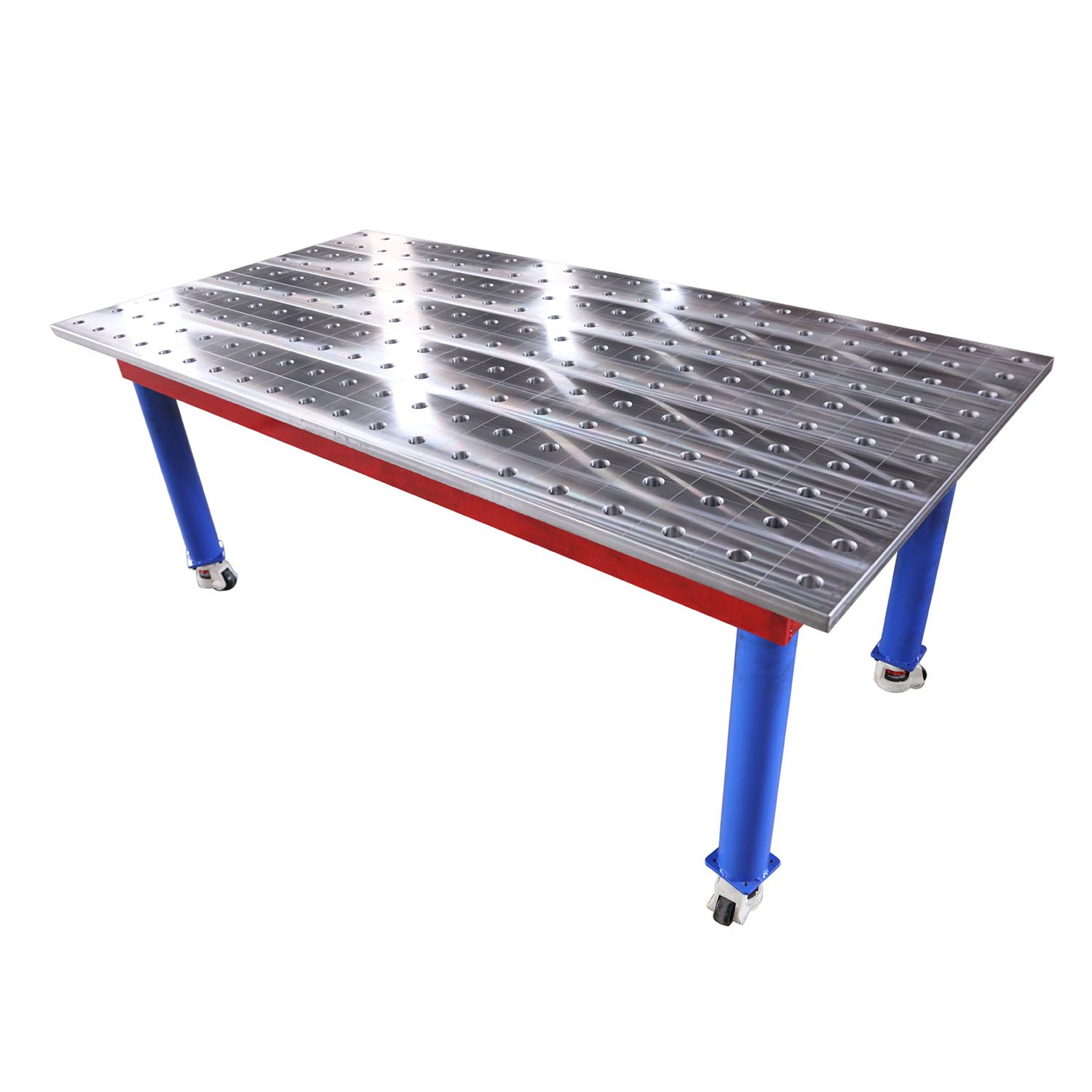
In modern manufacturing, flexibility is paramount. Traditional fixed welding tables with permanent holes or slots limit the types of fixtures that can be used. Modular welding platforms, such as the 2D and 3D flexible welding systems, have become the preferred solution for dynamic production environments. These systems allow for rapid reconfiguration, enabling a single table to handle diverse projects without extensive downtime.
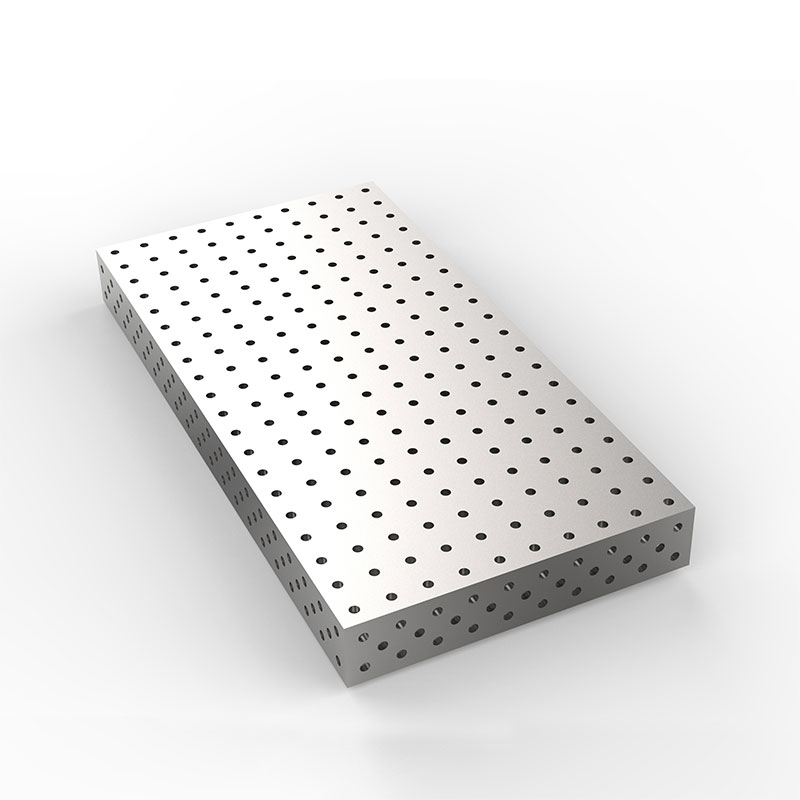
Modular systems utilize a grid of precision-drilled holes or slots that accept various clamping components. This adaptability supports complex geometries and multi-part assemblies. For instance, Botou Haijun Metal Products Co., Ltd. specializes in these high-precision flexible modular fixtures, offering solutions that integrate seamlessly with complementary components like U-shaped and L-shaped multi-purpose square boxes. This modularity ensures that workshops can scale their operations efficiently, adapting to new product lines without investing in entirely new infrastructure.
Advantages of 2D and 3D Flexible Platforms
2D flexible platforms are ideal for flat assemblies, allowing components to be clamped securely in a horizontal plane. They are widely used in sheet metal fabrication and frame construction. 3D flexible platforms take this versatility further by enabling clamping from multiple angles, including vertical and inclined positions. This capability is essential for complex structures where access to all sides is required for welding.
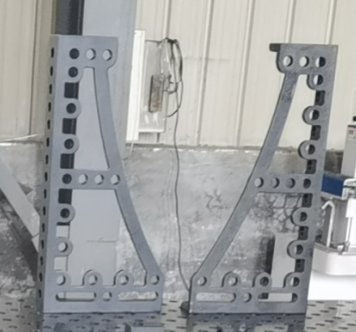
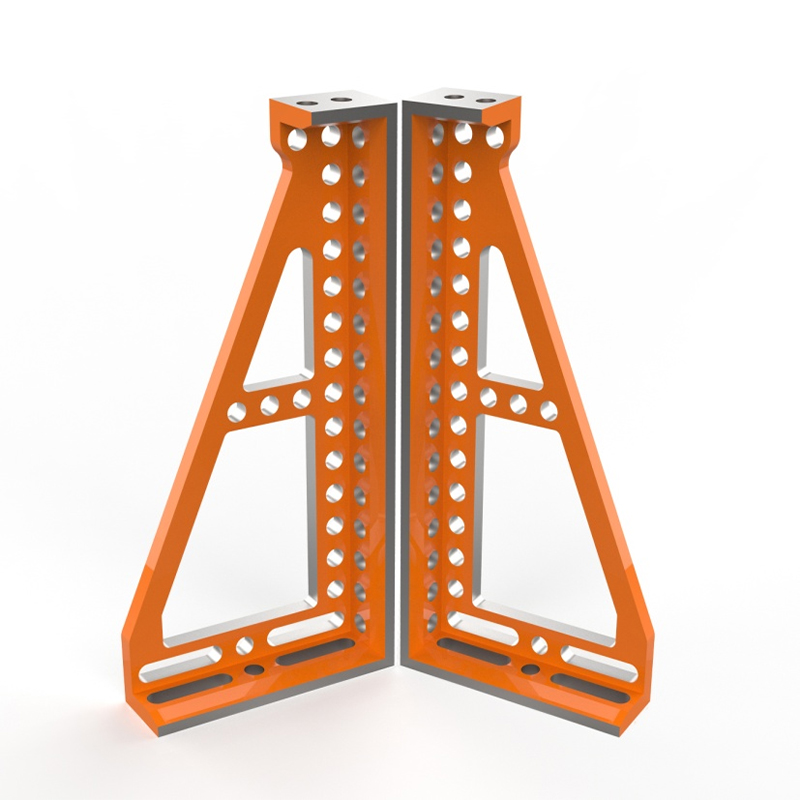
The precision of these platforms is maintained through hardened bushings or machined slots that ensure repeatable positioning. Accessories such as 200-series support angle irons and 0-225° universal angle gauges integrate seamlessly with these platforms, enabling rapid workpiece positioning and clamping. This level of integration reduces setup time from hours to minutes, significantly boosting overall productivity.
Essential Features for Professional Welding Tables
When evaluating welding tables, several technical features distinguish professional-grade equipment from basic workbenches. These features directly impact the usability, safety, and precision of the welding process.
- Hole Pattern and Spacing: A standardized hole pattern ensures compatibility with a wide range of clamps and stops. Common spacing includes 50mm or 100mm grids. The precision of these holes is critical for accurate alignment.
- Load Capacity: The table must support the weight of heavy workpieces without sagging. Check the manufacturer’s specifications for maximum distributed and point loads.
- Grounding Points: Integrated grounding studs or clamps provide a reliable electrical path for the welding circuit, improving arc stability and safety.
- Surface Treatment: Anti-spatter coatings or nitrided surfaces prevent weld spatter from adhering to the table, making cleanup easier and protecting the surface integrity.
- Leveling Feet: Adjustable leveling feet compensate for uneven workshop floors, ensuring the table surface remains perfectly horizontal.
Importance of Compatible Clamping Systems
A welding table is only as effective as its clamping system. The ability to secure workpieces rigidly prevents movement during welding, which is crucial for maintaining dimensional accuracy. High-quality tables are designed to work with specialized clamping tools that offer quick release and high holding force.
For example, angle connection blocks and support angle irons are vital for creating square and stable assemblies. These components must fit precisely into the table’s reference system to ensure that angles are true. Botou Haijun Metal Products Co., Ltd. provides a comprehensive range of such accessories, ensuring that every product delivers exceptional durability and stability. The seamless integration of these tools with the welding platform enables rapid workpiece positioning, reducing non-value-added time in the production cycle.
Step-by-Step Guide to Choosing the Right Welding Table
Selecting the optimal welding table involves a systematic assessment of your workshop’s specific needs. Follow these steps to make an informed decision that aligns with your production goals.
Step 1: Assess Your Workpiece Dimensions and Weight
Determine the maximum size and weight of the components you typically weld. The table surface must be large enough to accommodate these parts with room for clamping fixtures. For oversized structures, consider modular tables that can be linked together to create a larger working area. Ensure the table’s load capacity exceeds the weight of your heaviest typical assembly to prevent structural deformation.
Step 2: Define Precision Requirements
Evaluate the tolerance levels required for your products. If you are producing high-precision machinery parts or aerospace components, you need a table with certified flatness and a rigid modular system. For general structural steelwork, a robust steel table with basic clamping capabilities may suffice. The level of precision dictates whether you need a cast iron platform or a heavy-duty steel frame.
Step 3: Evaluate Modularity Needs
Consider the variety of jobs your workshop handles. If you frequently switch between different project types, a flexible modular system is essential. Look for tables with standardized hole patterns that support a wide ecosystem of fixtures. This flexibility allows you to reuse the same table for diverse applications, maximizing return on investment. Systems like those offered by Haijun Metal enable rapid reconfiguration, supporting both 2D and 3D assembly needs.
Step 4: Check Compatibility with Existing Tools
Ensure the new table is compatible with your existing clamps, squares, and gauges. If you are investing in a new modular system, verify that the manufacturer offers a complete range of accessories. This includes square boxes, angle irons, and universal gauges. Compatibility ensures that you can leverage your current tooling inventory while expanding your capabilities with new fixtures.
Step 5: Consider Long-Term Durability and Maintenance
Assess the maintenance requirements of the table. Cast iron tables may need regular oiling to prevent rust, while steel tables might require occasional resurfacing if damaged. Choose a surface treatment that matches your workshop environment. For high-spatter environments, a non-stick coating can significantly reduce cleanup time. Invest in a table from a reputable supplier with years of industry experience to ensure long-term reliability.
Common Mistakes to Avoid When Buying a Welding Table
Many workshops make costly errors when purchasing welding equipment. Avoiding these common pitfalls can save time and money.
- Ignoring Floor Load Capacity: Heavy welding tables, especially those made of cast iron, exert significant pressure on the floor. Ensure your workshop floor can support the weight to prevent settling or cracking.
- Underestimating Clamp Requirements: Buying a table without budgeting for high-quality clamps renders the table less effective. The clamping system is as important as the table itself.
- Choosing Non-Standard Hole Patterns: Proprietary hole patterns limit your ability to source third-party fixtures. Stick to industry-standard spacing to ensure broad compatibility.
- Neglecting Grounding Safety: A table without proper grounding points can lead to unsafe welding conditions and poor arc performance. Always verify the presence of dedicated grounding studs.
- Overlooking Future Expansion: Workshops grow. Choose a modular system that allows for easy expansion or reconfiguration as your business scales.
Applications Across Industries
High-precision welding tables are versatile tools used across various sectors. Their ability to provide accurate positioning makes them indispensable in industries where quality and consistency are critical.
Machining Industry: In machining, welding tables are used to fabricate fixtures and jigs that hold parts during milling or turning. The precision of the table ensures that these fixtures are accurate, leading to better machining results.
Automotive Sector: Automotive manufacturing requires the assembly of complex frames and chassis components. Flexible welding platforms allow for the precise alignment of these parts, ensuring structural integrity and safety. The use of 3D flexible systems enables the welding of curved and angled components with ease.
Aerospace Industry: Aerospace components demand extremely tight tolerances. Cast iron 3D welding platforms provide the stability and precision needed for assembling aircraft structures. The vibration-damping properties of cast iron are particularly beneficial in this sector, where even minor distortions can be catastrophic.
Botou Haijun Metal Products Co., Ltd. has become a trusted supplier of tools and gauges to customers in these industries, both domestically and internationally. Their commitment to providing efficient and flexible welding and positioning solutions supports the high standards required in modern manufacturing.
Frequently Asked Questions (FAQ)
What is the difference between 2D and 3D welding tables?
2D welding tables are designed for flat assemblies, allowing clamping in the horizontal plane. 3D welding tables feature holes or slots on multiple sides, enabling clamping from vertical and angled positions. This makes 3D tables suitable for complex, multi-dimensional structures.
How do I maintain the flatness of my welding table?
To maintain flatness, avoid dropping heavy objects on the table and use protective covers when grinding nearby. Regularly clean the surface to remove spatter and debris. For cast iron tables, apply a light coat of oil to prevent rust. Periodically check flatness with a precision straightedge and resurface if necessary.
Why are modular welding tables better for job shops?
Modular welding tables offer flexibility, allowing job shops to handle diverse projects without needing multiple dedicated tables. The ability to quickly reconfigure fixtures reduces setup time and increases productivity. This adaptability is crucial for shops that handle custom or low-volume orders.
Can I weld directly on a cast iron table?
While you can weld on cast iron, it is recommended to use sacrificial plates or spatter-resistant coatings to protect the surface. Direct welding can cause localized hardening or cracking in cast iron due to its brittleness. Using protective measures extends the life of the table.
What accessories are essential for a modular welding table?
Essential accessories include clamping squares, angle irons, stop blocks, and C-clamps. Universal angle gauges and support angle irons are also critical for setting up complex angles. Botou Haijun Metal Products Co., Ltd. offers a comprehensive range of these components, such as U-shaped and L-shaped multi-purpose square boxes, which integrate seamlessly with their platforms.
Conclusion: Investing in Precision and Efficiency
Choosing the best welding table for your workshop is a strategic decision that impacts productivity, quality, and safety. By prioritizing material quality, modularity, and precision, you can create a fabrication environment that supports high-level manufacturing demands. Whether you are in the machining, automotive, or aerospace industry, a reliable welding platform is the backbone of your operation.
For workshops seeking efficient and flexible welding solutions, partnering with an experienced manufacturer is crucial. Botou Haijun Metal Products Co., Ltd. specializes in the research, development, and production of high-precision flexible modular fixtures. Their core product line, including 2D and 3D flexible welding platforms, is renowned for exceptional versatility and precision. With a comprehensive range of complementary components, Haijun Metal ensures that every product delivers exceptional durability and stability.
If you are ready to upgrade your workshop with high-quality production machinery tool series, consider the long-term benefits of a modular system. Evaluate your specific needs for precision, load capacity, and flexibility. Explore our range of flexible welding platforms and accessories to find the perfect solution for your manufacturing challenges. Contact us today to discuss how our customized positioning solutions can enhance your production efficiency.