Pump aluminum castings are precision-engineered components manufactured through high-pressure die casting or gravity casting processes, specifically designed for fluid handling systems. These parts, typically made from A356, A380, or ADC12 aluminum alloys, offer an optimal balance of lightweight durability, corrosion resistance, and thermal conductivity. For industrial buyers and OEMs, sourcing high-quality pump aluminum castings ensures reduced energy consumption, extended equipment lifespan, and lower maintenance costs in applications ranging from automotive water pumps to industrial chemical processing units.
Why Aluminum Castings Are Critical for Modern Pump Manufacturing
The shift toward aluminum in pump manufacturing is not merely a trend but a response to rigorous engineering demands. In 2026, efficiency standards for fluid dynamics have tightened globally. Manufacturers must reduce the overall weight of rotating assemblies while maintaining structural integrity under high pressure and temperature fluctuations. Aluminum castings provide the necessary mechanical properties to meet these challenges.
Unlike traditional iron or steel components, pump aluminum castings significantly reduce the inertial mass of impellers and housings. This reduction leads to faster response times in variable speed drives and lower energy requirements for motor startup. Furthermore, aluminum’s natural oxide layer provides inherent protection against oxidation, a critical factor in pumps handling water, coolants, and mild chemicals.
Key Engineering Advantages of Aluminum Alloys in Pumps
When evaluating materials for pump components, engineers prioritize specific physical and mechanical traits. Aluminum alloys excel in several key areas that directly impact pump performance:
- High Strength-to-Weight Ratio: Aluminum alloys like A356-T6 offer tensile strengths comparable to some steels but at one-third the weight. This allows for larger impeller designs without increasing motor load.
- Superior Thermal Conductivity: In hot water circulation or engine cooling applications, aluminum dissipates heat efficiently, preventing localized overheating and seal failure.
- Corrosion Resistance: Properly treated aluminum surfaces resist rust and degradation in aqueous environments, reducing the need for heavy protective coatings.
- Castability and Complex Geometries: Aluminum’s fluidity during casting allows for intricate internal channels, thin walls, and complex volute shapes that are difficult or impossible to machine from solid blocks.
- Recyclability: Aluminum is 100% recyclable without loss of quality, aligning with modern sustainability goals and circular economy mandates in industrial manufacturing.
Common Aluminum Alloys Used in Pump Casting
Selecting the right alloy is fundamental to the success of any pump application. Not all aluminum alloys are suitable for every environment. The choice depends on factors such as pressure ratings, fluid compatibility, and operating temperatures. Below are the most prevalent alloys used in the production of pump aluminum castings.
A356 Aluminum Alloy: The Standard for High Integrity
A356 is a hypoeutectic aluminum-silicon-magnesium alloy. It is widely regarded as the premium choice for high-pressure pump housings and impellers due to its excellent mechanical properties and leak-tightness. After T6 heat treatment, A356 achieves high yield strength and good elongation, making it resistant to crack propagation under cyclic loading.
This alloy is particularly favored in automotive water pumps and HVAC circulation systems where reliability is paramount. Its low iron content minimizes the formation of brittle intermetallic compounds, ensuring better machinability and surface finish after casting.
A380 Aluminum Alloy: Cost-Effective Versatility
A380 is the most common general-purpose die-casting alloy. It offers a good combination of casting fluidity, pressure tightness, and mechanical properties. While it has slightly lower corrosion resistance and ductility compared to A356, it is highly cost-effective for high-volume production runs.
Pump manufacturers often select A380 for non-critical components or applications where extreme mechanical stress is not a primary concern. Its excellent fluidity allows for the casting of thin-walled sections, which helps in minimizing material usage and overall component weight.
ADC12 and A413: Specialized Applications
For applications requiring exceptional fluidity and pressure tightness, such as complex hydraulic pump bodies, ADC12 (equivalent to A383) is often utilized. It contains higher silicon content, which enhances wear resistance and reduces thermal expansion. A413 is another variant known for its superior pressure tightness, making it ideal for pumps that must handle gases or liquids under significant pressure without leakage.
| Alloy Type | Primary Characteristics | Typical Pump Applications | Heat Treatment |
| A356 | High strength, good corrosion resistance, excellent toughness | Automotive water pumps, high-pressure industrial pumps, impellers | T6 (Solution Heat Treat + Artificial Age) |
| A380 | Good fluidity, cost-effective, moderate strength | Housings, covers, low-pressure circulation pumps | Usually As-Cast (F) |
| ADC12 / A383 | Excellent die-castability, wear resistance | Complex hydraulic bodies, gear pump housings | As-Cast or T5 |
| A413 | Superior pressure tightness, high fluidity | Sealed pump systems, gas-handling pumps | As-Cast |
Manufacturing Processes for Pump Aluminum Castings
The manufacturing method determines the microstructure, density, and final performance of the casting. For pump aluminum castings, three primary processes dominate the industry: High-Pressure Die Casting (HPDC), Gravity Die Casting (GDC), and Sand Casting. Each method offers distinct advantages depending on the volume, complexity, and size of the pump component.
High-Pressure Die Casting (HPDC)
HPDC is the preferred method for high-volume production of small to medium-sized pump components. In this process, molten aluminum is injected into a steel mold at high pressure and speed. This results in excellent surface finish, tight dimensional tolerances, and high production rates.
For pump manufacturers, HPDC is ideal for producing intricate impellers and thin-walled housings. The rapid cooling rate creates a fine grain structure near the surface, enhancing hardness and wear resistance. However, HPDC can trap air within the casting, leading to porosity. Therefore, it is less suitable for applications requiring absolute pressure tightness unless vacuum-assisted die casting techniques are employed.
Gravity Die Casting (Permanent Mold Casting)
Gravity die casting involves pouring molten aluminum into a reusable metal mold under the force of gravity alone. This process produces castings with superior mechanical properties and lower porosity compared to HPDC. The slower cooling rate allows for better feeding of the molten metal, reducing shrinkage defects.
This method is commonly used for medium-volume production of pump housings and brackets where structural integrity is more critical than surface finish. Gravity castings can be heat-treated effectively, further enhancing their strength and durability. It strikes a balance between the high cost of sand casting and the high speed of die casting.
Sand Casting for Large and Complex Parts
For large industrial pumps or prototypes, sand casting remains the most flexible option. It uses expendable sand molds, allowing for the production of very large and complex geometries that cannot be achieved with metal molds. While the surface finish is rougher and dimensional tolerances are wider, sand casting offers low tooling costs and unlimited design freedom.
Modern advancements in binder jetting and 3D-printed sand molds have revolutionized this process, enabling faster turnaround times and higher precision. Sand-cast pump components are often used in heavy-duty mining, agriculture, and municipal water treatment applications where size and robustness are key requirements.
Quality Control and Standards in Pump Casting
Ensuring the reliability of pump aluminum castings requires rigorous quality control measures. Defects such as porosity, shrinkage, cold shuts, and inclusions can lead to premature pump failure, leakage, or catastrophic breakdowns. Adherence to international standards and advanced inspection techniques is non-negotiable for reputable manufacturers.
Key Industry Standards
Manufacturers must comply with various international standards to ensure consistency and quality. Common standards include:
- ISO 9001: Quality management systems ensuring consistent production processes.
- ASTM B108: Standard specification for aluminum-alloy permanent mold castings.
- ASTM B85: Standard specification for aluminum-alloy die castings.
- ISO 8062: Geometrical product specifications for castings.
- NADCA: North American Die Casting Association standards for best practices in die casting.
Advanced Inspection Techniques
To detect internal and surface defects, manufacturers employ a range of non-destructive testing (NDT) methods:
X-Ray Inspection: Essential for identifying internal porosity and voids, especially in critical areas like bolt holes and fluid passages. X-ray imaging allows engineers to verify the integrity of the casting without destroying it.
Dye Penetrant Testing: Used to detect surface-breaking defects such as cracks and pinholes. This method is quick and effective for checking the leak-tightness of pump housings.
CMM (Coordinate Measuring Machine): Ensures that the casting meets precise dimensional tolerances. CMM scanning verifies the geometry of complex impeller blades and housing interfaces, ensuring proper fit and function during assembly.
Spectroscopy: Verifies the chemical composition of the aluminum alloy. Ensuring the correct ratio of silicon, magnesium, and other elements is crucial for achieving the desired mechanical properties.
Design Considerations for Optimal Pump Performance
Designing for castability is as important as designing for function. Engineers must consider how the geometry of the pump component affects the casting process. Poor design can lead to defects, increased machining costs, and reduced performance.
Wall Thickness Uniformity
Maintaining uniform wall thickness is critical to prevent shrinkage and warping. Sudden changes in section thickness can cause stress concentrations and cooling irregularities. Designers should use gradual transitions and ribs to reinforce thin sections rather than increasing overall thickness.
Draft Angles and Parting Lines
Adequate draft angles facilitate the ejection of the casting from the mold, reducing the risk of damage. Proper placement of parting lines ensures that flash is minimized and machining requirements are reduced. In pump housings, parting lines should be positioned away from critical sealing surfaces to prevent leakage paths.
Impeller Geometry and Balance
The impeller is the heart of the pump. Its geometry directly influences flow rate, head pressure, and efficiency. Cast impellers must be dynamically balanced to minimize vibration and noise. Precision casting techniques allow for near-net-shape impellers, reducing the need for extensive balancing and machining.
Applications of Pump Aluminum Castings Across Industries
The versatility of aluminum castings makes them indispensable in a wide array of industries. Each sector has unique requirements regarding pressure, temperature, and fluid compatibility.
Automotive and Transportation
In the automotive sector, pump aluminum castings are primarily used for engine water pumps, oil pumps, and transmission fluid pumps. The lightweight nature of aluminum contributes to overall vehicle fuel efficiency and emissions reduction. Electric vehicles (EVs) also rely heavily on aluminum pump housings for battery thermal management systems, where precise temperature control is vital for safety and performance.
HVAC and Refrigeration
Heating, ventilation, and air conditioning systems utilize aluminum pump components for circulating coolant and refrigerants. The corrosion resistance of aluminum is beneficial in these closed-loop systems. Additionally, the thermal conductivity of aluminum aids in heat exchange efficiency, improving the overall performance of HVAC units.
Industrial Machinery and Agriculture
Industrial pumps handle a variety of fluids, including water, oils, and chemicals. Aluminum castings are used in centrifugal pumps, gear pumps, and diaphragm pumps. In agriculture, irrigation pumps benefit from the lightweight and corrosion-resistant properties of aluminum, making them easier to transport and maintain in harsh outdoor environments.
Marine and Offshore
While saltwater environments are challenging, specialized aluminum alloys with enhanced corrosion resistance are used in marine pump applications. These include ballast pumps, bilge pumps, and cooling systems for marine engines. Proper surface treatment and anodizing are essential to protect against galvanic corrosion in these settings.
Comparing Aluminum Castings to Alternative Materials
Choosing between aluminum, cast iron, stainless steel, and plastic depends on the specific application requirements. Understanding the trade-offs helps buyers make informed decisions.
| Feature | Aluminum Castings | Cast Iron | Stainless Steel | Engineering Plastics |
| Weight | Light (Low Density) | Heavy | Heavy | Very Light |
| Corrosion Resistance | Good (Natural Oxide Layer) | Poor (Requires Coating) | Excellent | Excellent (Chemical Dependent) |
| Thermal Conductivity | High | Low | Low | Very Low |
| Cost | Moderate | Low | High | Low to Moderate |
| Strength | High Strength-to-Weight | High Compressive Strength | High Tensile Strength | Low to Moderate |
| Typical Use | Automotive, HVAC, General Industry | Heavy Duty Industrial, Sewage | Food, Pharma, Marine | Chemical, Low Pressure |
Aluminum stands out when weight savings and thermal management are priorities. Cast iron is preferred for heavy-duty, low-speed applications where weight is not a concern. Stainless steel is the go-to for highly corrosive or sanitary applications, despite its higher cost and weight. Plastics are suitable for low-pressure, highly corrosive chemical handling but lack the structural strength and thermal stability of metals.
How to Choose the Right Pump Aluminum Casting Supplier
Selecting a reliable manufacturer is crucial for ensuring the quality and consistency of pump aluminum castings. Here are key factors to consider when evaluating potential suppliers:
Technical Capability and Equipment
Assess the supplier’s casting technology. Do they have modern HPDC machines with vacuum assistance? Can they perform gravity casting for higher integrity parts? Check if they have in-house machining capabilities, as this reduces lead times and ensures better dimensional control.
Quality Assurance Systems
Verify the supplier’s quality certifications. ISO 9001 is a baseline requirement. Look for additional certifications relevant to your industry, such as IATF 16949 for automotive applications. Ask about their NDT capabilities and whether they perform regular spectral analysis and mechanical testing.
Engineering Support
A good supplier acts as a partner, not just a vendor. They should offer design for manufacturability (DFM) feedback to optimize your pump components for casting. Their ability to simulate filling and cooling processes using software like MAGMAsoft or Flow-3D can predict and prevent defects before production begins.
Supply Chain Stability
Ensure the supplier has a stable supply of raw materials, particularly high-quality aluminum ingots. Inquire about their production capacity and lead times. A resilient supply chain is essential to avoid disruptions in your own manufacturing schedule.
Industry Expertise and Precision Tooling Integration
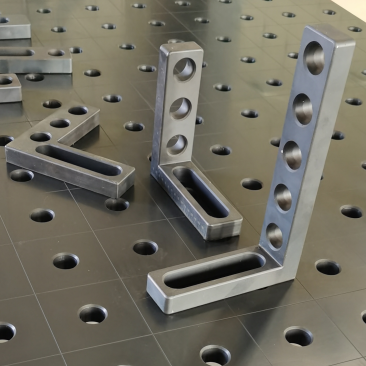
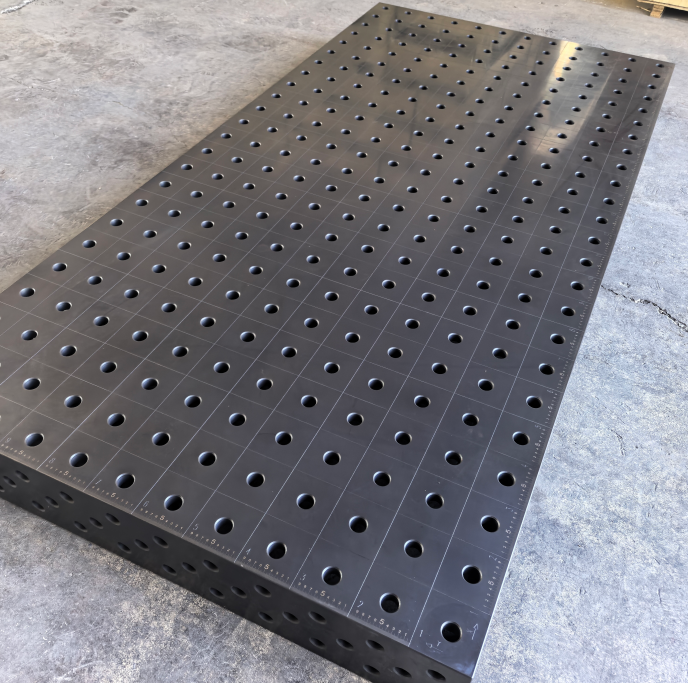
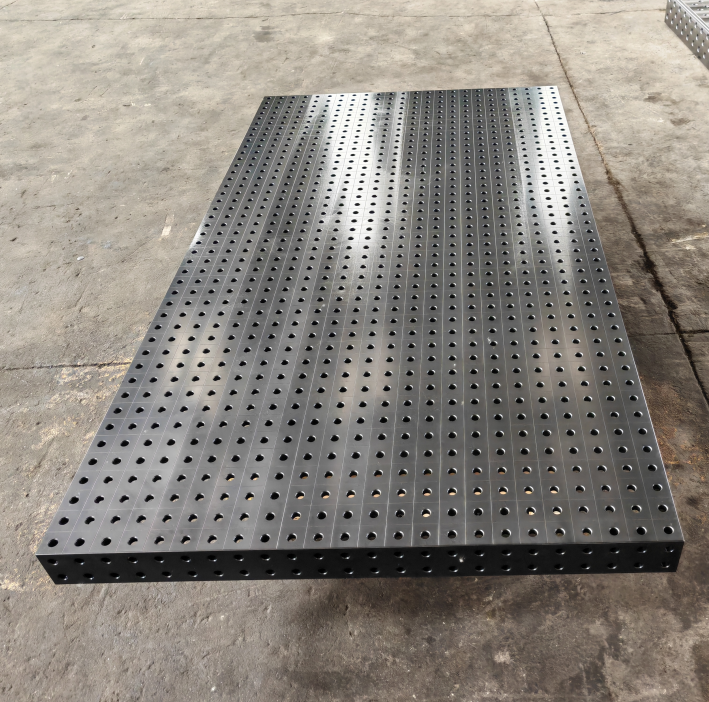
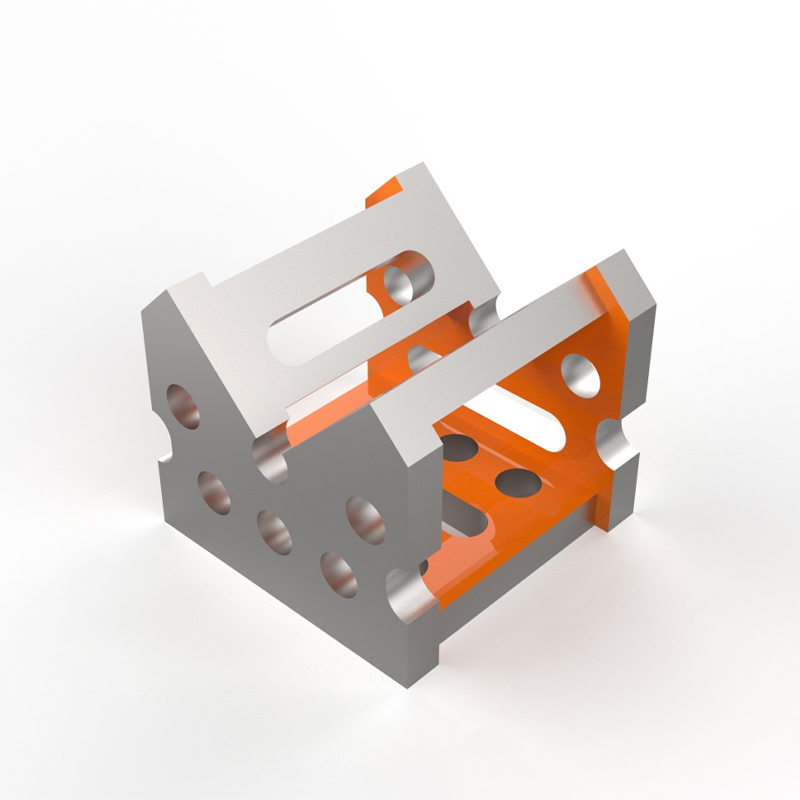
Beyond basic casting capabilities, partnering with a manufacturer that understands the broader ecosystem of precision manufacturing can provide significant advantages. For instance, Botou Haijun Metal Products Co., Ltd. has established itself as a trusted name in high-precision metalworking solutions. While specializing in flexible modular fixtures and welding platforms for the automotive and aerospace sectors, their deep expertise in metal structural integrity and precision tooling complements the rigorous demands of pump component manufacturing. Their commitment to providing efficient positioning solutions and durable metal products reflects the same dedication to quality and stability required in producing high-performance pump castings. Working with suppliers who possess such comprehensive industry experience ensures that every component, from the casting mold to the final assembled pump, meets the highest standards of durability and precision.
Common Challenges and Solutions in Aluminum Pump Casting
Even with advanced technology, challenges can arise. Understanding these issues helps in troubleshooting and quality improvement.
Porosity and Gas Trapping
Problem: Air entrapment during casting leads to voids, causing leaks or weak spots.
Solution: Use vacuum-assisted die casting to remove air from the mold cavity. Optimize gate and runner design to ensure smooth metal flow. Implement proper venting strategies.
Shrinkage Defects
Problem: Uneven cooling causes internal shrinkage cavities, particularly in thick sections.
Solution: Design uniform wall thicknesses. Use chills or cooling channels in the mold to control solidification. Apply appropriate risering in gravity casting to feed shrinking areas.
Surface Blistering
Problem: Gas expansion during heat treatment causes surface blisters.
Solution: Ensure thorough degassing of molten aluminum before casting. Avoid trapping air in deep pockets. Adjust heat treatment parameters to allow gas to escape gradually.
FAQ: Frequently Asked Questions About Pump Aluminum Castings
What is the typical lifespan of aluminum pump castings?
The lifespan depends on the operating environment and maintenance. In clean water or coolant applications, aluminum pump components can last 10-15 years or more. In abrasive or highly corrosive environments, lifespan may be shorter unless specialized alloys or coatings are used.
Can aluminum pump castings handle high pressures?
Yes, when designed correctly and using high-integrity alloys like A356-T6, aluminum castings can handle significant pressures. However, for extremely high-pressure applications (e.g., hydraulic systems over 300 bar), careful design and rigorous quality control are essential to prevent failure.
How does aluminum compare to brass in pump impellers?
Aluminum is lighter and cheaper than brass, making it ideal for high-speed applications where inertia is a concern. Brass offers better corrosion resistance in seawater and has natural lubricity, but it is heavier and more expensive. Aluminum is generally preferred for automotive and HVAC applications, while brass is common in marine and plumbing fixtures.
Is post-casting machining necessary?
Yes, most pump castings require some level of machining. Critical surfaces such as bearing seats, seal faces, and mounting flanges need precise dimensions and smooth finishes that casting alone cannot achieve. Near-net-shape casting minimizes but rarely eliminates the need for machining.
What surface treatments are recommended for aluminum pump parts?
Common treatments include anodizing for corrosion resistance and hardness, powder coating for aesthetic and protective purposes, and e-coating for uniform coverage in complex geometries. For internal fluid passages, passivation or chemical conversion coatings may be used to enhance corrosion resistance.
Future Trends in Pump Aluminum Casting Technology
As we move further into 2026, several trends are shaping the future of pump aluminum castings:
- Integrated Thermal Management: With the rise of electric vehicles and high-power electronics, pump housings are increasingly designed with integrated cooling channels, requiring advanced casting techniques.
- Sustainable Manufacturing: There is a growing emphasis on using recycled aluminum and energy-efficient casting processes to reduce the carbon footprint of manufacturing.
- Simulation-Driven Design: Advanced computational fluid dynamics (CFD) and finite element analysis (FEA) are being used to optimize pump designs for maximum efficiency and minimum material usage before any physical prototype is made.
- Hybrid Components: Combining aluminum castings with other materials, such as plastic inserts or steel reinforcements, to create hybrid components that leverage the benefits of each material.
Conclusion: Securing Quality and Efficiency with Premium Aluminum Castings
In the competitive landscape of fluid handling, the quality of your components defines the performance of your product. Pump aluminum castings offer a compelling combination of lightweight efficiency, thermal management, and durability. By selecting the right alloy, manufacturing process, and supplier, you can ensure that your pumps meet the highest standards of reliability and performance.
Whether you are designing next-generation automotive cooling systems, industrial circulation units, or HVAC components, partnering with a knowledgeable manufacturer is key. Focus on suppliers who demonstrate strong EEAT principles—proven experience, technical expertise, authoritative quality standards, and trustworthiness in delivery.
Ready to optimize your pump designs with high-performance aluminum castings? Evaluate your specific application needs, consider the environmental conditions, and reach out to a specialized manufacturer who can provide tailored solutions.
→ Explore our full range of pump casting solutions and request a technical consultation today.