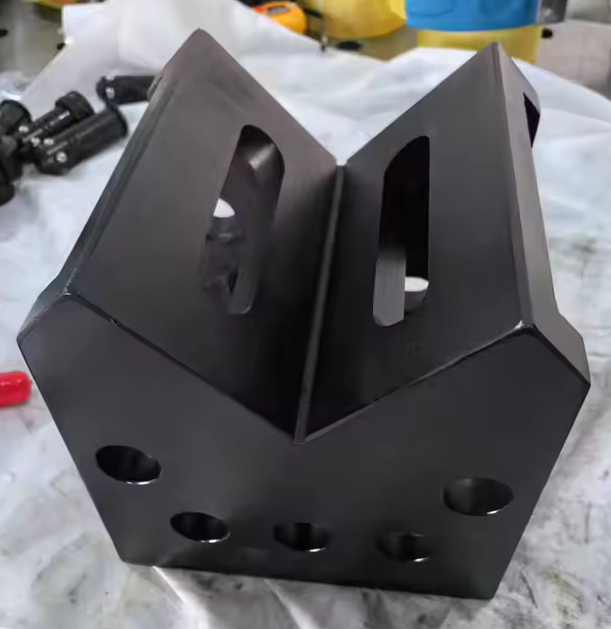
Aluminum casting assembly is a comprehensive manufacturing process that integrates precision aluminum die casting, CNC machining, and mechanical assembly into a single, cohesive production workflow. Unlike traditional supply chains where casting and assembly are handled by separate vendors, this integrated approach ensures tighter tolerances, reduced lead times, and superior quality control for complex industrial components. By consolidating these stages, manufacturers can deliver ready-to-install sub-assemblies—such as engine blocks, housing units, and structural frames—directly to OEMs, minimizing logistical friction and ensuring seamless fitment in final applications.
What Is Aluminum Casting Assembly?
Aluminum casting assembly refers to the end-to-end production of aluminum components that undergo casting, secondary processing, and final assembly before delivery. This process is critical in industries requiring high-precision, lightweight, and durable metal parts. The core value lies in the integration: instead of receiving raw castings that require additional handling, buyers receive fully functional modules.
The process typically begins with high-pressure die casting (HPDC) or gravity casting, where molten aluminum alloy is injected into a steel mold. Once cooled, the raw casting undergoes CNC machining to achieve precise dimensional accuracy on critical surfaces. Finally, various sub-components—such as bearings, seals, inserts, and fasteners—are assembled into the main housing or structure.
This integrated model addresses common pain points in B2B procurement, such as tolerance stacking errors between different suppliers and delayed project timelines due to fragmented logistics. For engineering teams, it simplifies the bill of materials (BOM) and reduces the administrative burden of managing multiple vendors.
Key Components of the Assembly Process
- Precision Casting: Formation of the primary aluminum structure using alloys like A380, A360, or ADC12.
- CNC Machining: Milling, drilling, and tapping to meet tight geometric dimensioning and tolerancing (GD&T) requirements.
- Surface Treatment: Application of powder coating, anodizing, or e-coating for corrosion resistance and aesthetic finish.
- Mechanical Assembly: Installation of hardware, press-fitting of bearings, and integration of electronic or fluidic systems.
- Quality Inspection: Comprehensive testing including CMM measurement, leak testing, and X-ray inspection.
Why Choose Integrated Aluminum Casting Assembly Services?
In the competitive landscape of 2026, efficiency and precision are paramount. Sourcing aluminum casting assembly from a single specialized manufacturer offers distinct advantages over fragmented supply chains. The primary benefit is tolerance control. When casting and machining are performed in-house, the feedback loop between design and production is immediate, allowing for real-time adjustments to mold designs or machining paths.
Furthermore, integrated assembly reduces the risk of damage during transit. Raw castings are often fragile and prone to deformation if not handled correctly. By keeping the part within a controlled environment until final assembly, manufacturers ensure that the structural integrity remains intact. This is particularly crucial for thin-walled components used in automotive and aerospace applications.
From a cost perspective, consolidating services eliminates multiple markup layers. While the initial unit price might appear comparable to sourcing castings alone, the total cost of ownership (TCO) is significantly lower when accounting for reduced inventory holding costs, lower shipping fees, and minimized quality rejection rates.
Cost Efficiency and Lead Time Reduction
Traditional multi-vendor models often suffer from communication delays. A design change in the machining phase may not be communicated effectively to the casting supplier, leading to scrap material. In an integrated assembly model, engineering teams collaborate across departments instantly. This agility can reduce overall lead times by 30-50%, enabling faster time-to-market for new product launches.
The Manufacturing Process: Step-by-Step
Understanding the technical workflow of aluminum casting assembly helps buyers evaluate supplier capabilities. The process is rigorous and follows strict industry standards to ensure consistency and reliability.
1. Design Analysis and DFM (Design for Manufacturability)
Before any metal is poured, engineers analyze the 3D CAD files to identify potential manufacturing challenges. This stage focuses on optimizing wall thickness, draft angles, and rib structures to prevent defects like shrinkage porosity or warpage. DFM feedback is provided to the client to refine the design for optimal castability and machinability.
2. Mold Making and Trial Production
High-quality steel molds are fabricated using precision EDM and CNC techniques. Initial trial runs (T1 samples) are produced to validate the mold performance. These samples undergo preliminary inspection to check for surface defects, dimensional accuracy, and filling patterns. Adjustments are made to the gating system or cooling channels if necessary.
3. High-Pressure Die Casting (HPDC)
Molten aluminum alloy, typically heated to around 660°C, is injected into the mold cavity under high pressure (often exceeding 10,000 psi). This ensures the metal fills intricate details and thin sections rapidly. The rapid cooling rate results in a fine grain structure, enhancing the mechanical properties of the part.
4. Post-Casting Processing
After ejection, parts undergo trimming to remove gates and runners. Surface preparation may include shot blasting to clean the surface and relieve internal stresses. Heat treatment (T5 or T6 temper) is applied if enhanced strength and hardness are required for the specific application.
5. Precision CNC Machining
Castings are fixtured on multi-axis CNC machines to machine critical features such as mounting holes, bearing seats, and mating surfaces. This step transforms the rough casting into a precision component with tolerances as tight as ±0.02mm. Coordinate Measuring Machines (CMM) are used to verify dimensions against the original CAD model.
6. Surface Finishing and Assembly
Depending on the environmental requirements, parts may undergo anodizing, powder coating, or painting. Finally, skilled technicians assemble the components. This may involve pressing in bushings, installing O-rings, screwing in inserts, or integrating electronic sensors. Each assembly step is documented and verified.
Common Aluminum Alloys for Casting Assembly
Selecting the right aluminum alloy is critical for the performance of the final assembly. Different alloys offer varying levels of fluidity, strength, corrosion resistance, and machinability.
| Alloy Series | Common Grades | Key Characteristics | Typical Applications |
| Al-Si-Cu | A380, ADC12 | Excellent fluidity, good mechanical properties, moderate corrosion resistance. | Automotive engine blocks, transmission cases, power tool housings. |
| Al-Si-Mg | A356, A357 | High ductility, excellent corrosion resistance, suitable for heat treatment. | Aerospace components, marine hardware, structural brackets. |
| Al-Si | A360, A413 | Superior fluidity for thin walls, high corrosion resistance, lower strength. | Complex electronic housings, telecommunications enclosures. |
| Al-Mg | 518, 520 | High strength, excellent machinability, poor fluidity (requires gravity casting). | High-stress structural parts, military applications. |
For most general-purpose industrial assemblies, A380 remains the industry standard due to its balanced properties and cost-effectiveness. However, for applications requiring higher corrosion resistance or post-casting heat treatment, A356 is often preferred despite its higher material cost.
Applications of Aluminum Casting Assemblies
Aluminum casting assemblies are ubiquitous in modern industry due to their lightweight nature and high strength-to-weight ratio. Below are key sectors driving demand in 2026.
Automotive and Electric Vehicles (EV)
The shift towards electrification has increased the demand for lightweight components to extend battery range. Aluminum casting assemblies are used for:
- Battery Housings: Complex structures that protect battery cells while providing thermal management channels.
- Motor Housings: Precision-machined casings that ensure proper alignment of stator and rotor components.
- Structural Castings: Large-scale gigacastings that replace multiple stamped steel parts, reducing vehicle weight and assembly complexity.
Telecommunications and 5G Infrastructure
5G base stations require robust, weather-resistant enclosures with excellent heat dissipation properties. Aluminum casting assemblies provide:
- Heat Sinks: Integrated fins cast directly into the housing to dissipate heat from high-power processors.
- RF Shielding: Precise mating surfaces ensure effective electromagnetic interference (EMI) shielding.
- Weatherproof Sealing: Assembly processes include precise groove machining for O-rings, ensuring IP67 or IP68 ratings.
Industrial Automation and Robotics
Robotic arms and automated machinery require rigid, lightweight joints and housings to maximize speed and energy efficiency. Aluminum assemblies are used for:
- Joint Housings: Complex geometries that house gears and motors while maintaining structural rigidity.
- End-Effectors: Custom grippers and tools that require precise machining for accurate operation.
Consumer Electronics and Appliances
High-end consumer products utilize aluminum assemblies for both aesthetic and functional benefits. Examples include laptop chassis, smart home device housings, and premium appliance components. The ability to integrate cosmetic finishes like bead blasting and anodizing directly into the assembly line adds significant value.
Quality Control Standards in Aluminum Casting Assembly
Trustworthiness in B2B manufacturing is built on consistent quality. A reputable aluminum casting assembly manufacturer adheres to rigorous quality control protocols throughout the production lifecycle.
In-Process Inspection
Quality checks are not limited to the final product. In-process inspections monitor critical parameters at each stage:
- Melt Quality: Spectrometry analysis ensures the chemical composition of the aluminum alloy meets specifications.
- Process Parameters: Real-time monitoring of injection pressure, temperature, and cycle time during die casting.
- First Article Inspection (FAI): Comprehensive measurement of the first part off the line to validate setup accuracy.
Final Quality Assurance
Before shipment, completed assemblies undergo final verification:
- CMM Measurement: Automated coordinate measuring machines verify complex geometries and critical dimensions.
- Leak Testing: For fluid-handling components, air or water leak tests ensure seal integrity.
- X-Ray Inspection: Non-destructive testing to detect internal voids, porosity, or inclusions that are not visible on the surface.
- Functional Testing: Simulating actual operating conditions to ensure the assembly performs as intended.
Certifications and Compliance
Leading manufacturers maintain certifications such as IATF 16949 for automotive quality management, ISO 9001 for general quality standards, and ISO 14001 for environmental management. These certifications demonstrate a commitment to standardized processes and continuous improvement.
How to Choose the Right Aluminum Casting Assembly Supplier
Selecting the right partner is a strategic decision that impacts product quality, cost, and time-to-market. Here are key factors to consider when evaluating potential suppliers.
1. Technical Capability and Equipment
Assess the supplier’s equipment portfolio. Do they have high-tonnage die casting machines suitable for your part size? Are their CNC machines capable of achieving the required tolerances? Look for suppliers with integrated facilities that handle casting, machining, and assembly under one roof.
2. Engineering Support and DFM Expertise
A valuable supplier acts as a engineering partner. They should proactively offer Design for Manufacturability (DFM) feedback to optimize your design for cost and quality. Ask for examples of how they have helped clients resolve design challenges in the past.
3. Quality Management System
Inquire about their quality control processes. Do they use automated inspection equipment? How do they handle non-conforming parts? A transparent and robust quality management system is essential for minimizing risk.
4. Supply Chain Stability and Scalability
Ensure the supplier has a stable supply chain for raw materials and can scale production to meet your demand fluctuations. Ask about their capacity planning and lead time guarantees.
5. Communication and Responsiveness
Effective communication is crucial for successful collaboration. Evaluate their responsiveness during the quoting phase. Do they ask clarifying questions? Do they provide detailed and transparent quotes? A responsive supplier is more likely to be a reliable long-term partner.
Common Challenges and Solutions in Aluminum Casting Assembly
Even with advanced technology, challenges can arise. Understanding these common issues and their solutions helps in setting realistic expectations and mitigating risks.
| Challenge | Cause | Solution |
| Porosity | Trapped air or gas during casting. | Optimize gating system, improve venting, use vacuum-assisted casting. |
| Warpage | Uneven cooling or residual stress. | Improve cooling channel design, implement stress-relief heat treatment. |
| Dimensional Deviation | Mold wear or inconsistent machining. | Regular mold maintenance, automated tool compensation, in-process monitoring. |
| Surface Defects | Flow marks, cold shuts, or soldering. | Adjust injection speed and temperature, apply appropriate mold release agents. |
| Assembly Fit Issues | Tolerance stacking between components. | Implement statistical process control (SPC), use fixture-based assembly. |
FAQ: Frequently Asked Questions About Aluminum Casting Assembly
What is the difference between die casting and gravity casting for assemblies?
Die casting uses high pressure to inject molten aluminum into a mold, resulting in faster cycle times, thinner walls, and smoother surfaces. It is ideal for high-volume production. Gravity casting relies on gravity to fill the mold, producing parts with higher integrity and fewer internal defects but at a slower rate. It is better suited for larger, thicker parts or lower volumes where structural integrity is paramount.
Can you assemble plastic or steel components with aluminum castings?
Yes, integrated assembly services often include the installation of diverse materials. Steel inserts, brass fittings, plastic connectors, and rubber seals are commonly assembled into aluminum housings. The key is ensuring compatible thermal expansion rates and secure joining methods, such as press-fitting, threading, or adhesive bonding.
What is the typical lead time for aluminum casting assembly?
Lead times vary based on complexity and volume. Prototype samples can often be produced within 2-4 weeks, including mold fabrication. Mass production lead times typically range from 4-8 weeks after mold approval. Integrated assembly reduces overall lead time by eliminating shipping delays between separate vendors.
How do you ensure the corrosion resistance of aluminum assemblies?
Corrosion resistance is achieved through material selection (e.g., using A356 or A360 alloys) and surface treatments. Common treatments include anodizing, which creates a hard, protective oxide layer, and powder coating, which provides a thick, durable finish. For harsh environments, additional sealing or e-coating may be applied.
What file formats are required for quoting and production?
For accurate quoting and DFM analysis, 3D CAD files in STEP or IGES format are preferred. 2D drawings in PDF or DXF format are also required to specify critical dimensions, tolerances, and surface finish requirements. Providing a complete Bill of Materials (BOM) for assembly components helps in generating accurate quotes.
Design Tips for Optimizing Aluminum Casting Assemblies
To maximize the benefits of aluminum casting assembly, consider these design principles early in the development phase:
- Uniform Wall Thickness: Maintain consistent wall thickness to prevent shrinkage and warpage. Use ribs to add strength without increasing thickness.
- Generous Radii: Avoid sharp corners. Use generous radii to improve metal flow and reduce stress concentrations.
- Draft Angles: Incorporate adequate draft angles (typically 1-3 degrees) to facilitate easy ejection from the mold.
- Integrated Features: Design mounting bosses, standoffs, and cable guides directly into the casting to reduce the need for secondary assembly operations.
- Machining Allowances: Specify machining allowances only on critical surfaces to minimize material removal and machining time.
Future Trends in Aluminum Casting Assembly (2026 and Beyond)
The industry is evolving with technological advancements. Key trends shaping the future include:
- Large-Scale Gigacasting: Automotive manufacturers are increasingly adopting massive single-piece castings to replace hundreds of smaller parts, significantly reducing assembly time and weight.
- AI-Driven Quality Control: Machine learning algorithms are being used to analyze X-ray images and CMM data in real-time, predicting defects and optimizing process parameters automatically.
- Sustainable Manufacturing: There is a growing emphasis on using recycled aluminum alloys and energy-efficient casting processes to reduce the carbon footprint of production.
- Hybrid Manufacturing: Combining casting with additive manufacturing (3D printing) for complex internal channels or customized features that are difficult to achieve with traditional molding.
The Role of Precision Tooling in Assembly Success
While the casting and machining processes define the geometry of the component, the final assembly’s accuracy relies heavily on the quality of the tooling and fixtures used. Even the most precisely machined aluminum housing can fail to meet tolerance requirements if it is not held securely and accurately during the assembly of sub-components like bearings, sensors, or inserts.
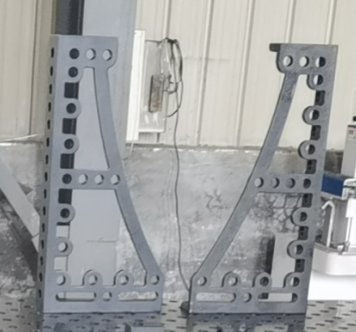
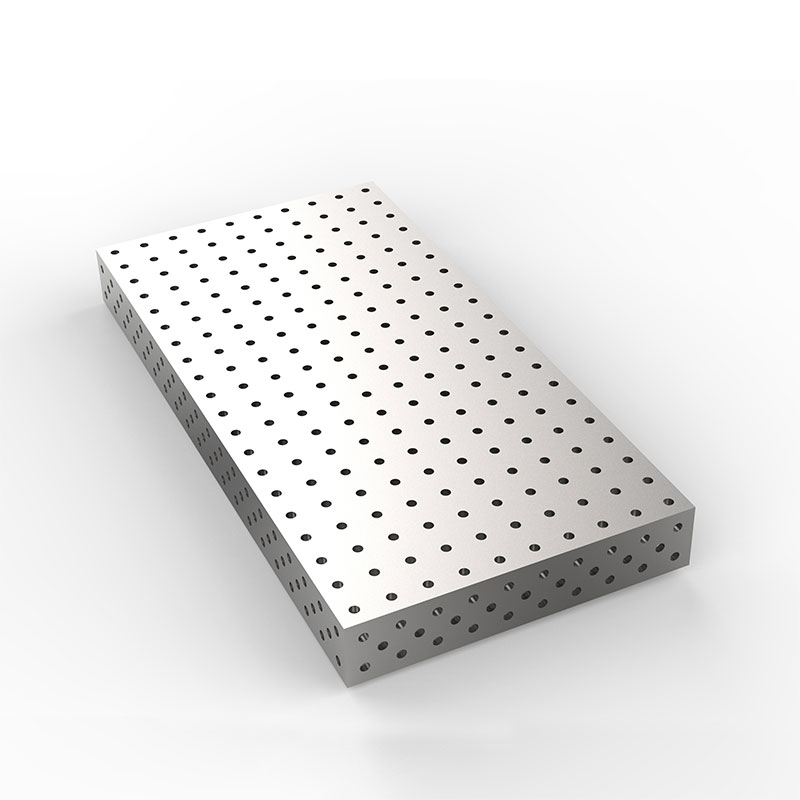
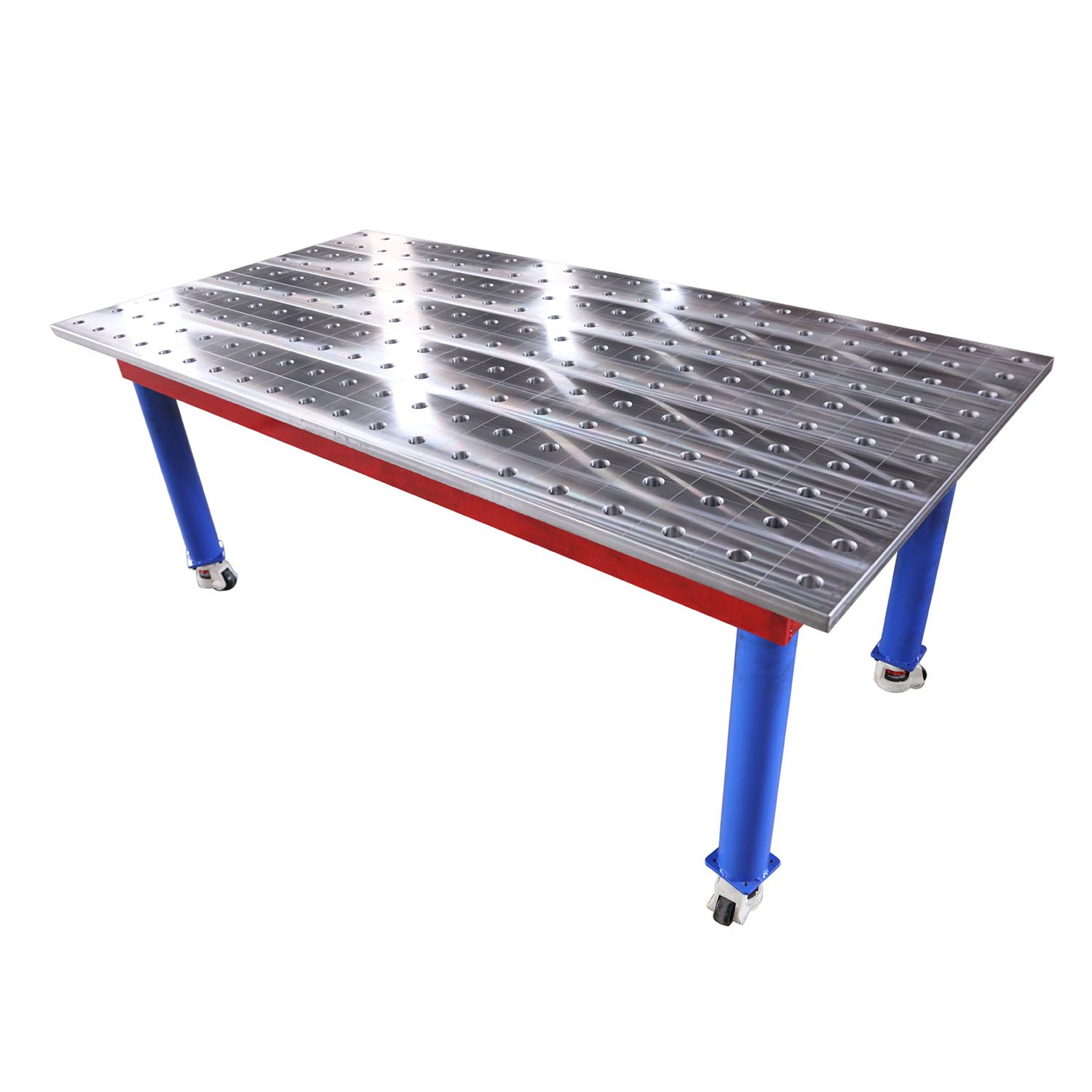
This is where specialized partners like Botou Haijun Metal Products Co., Ltd. play a pivotal role in the manufacturing ecosystem. Specializing in the research, development, and production of high-precision flexible modular fixtures and metalworking tools, Haijun Metal provides the essential infrastructure for efficient welding and positioning. Their core product line, including versatile 2D and 3D flexible welding platforms, has become preferred jigging equipment in the machining, automotive, and aerospace industries—sectors that heavily rely on aluminum casting assemblies.
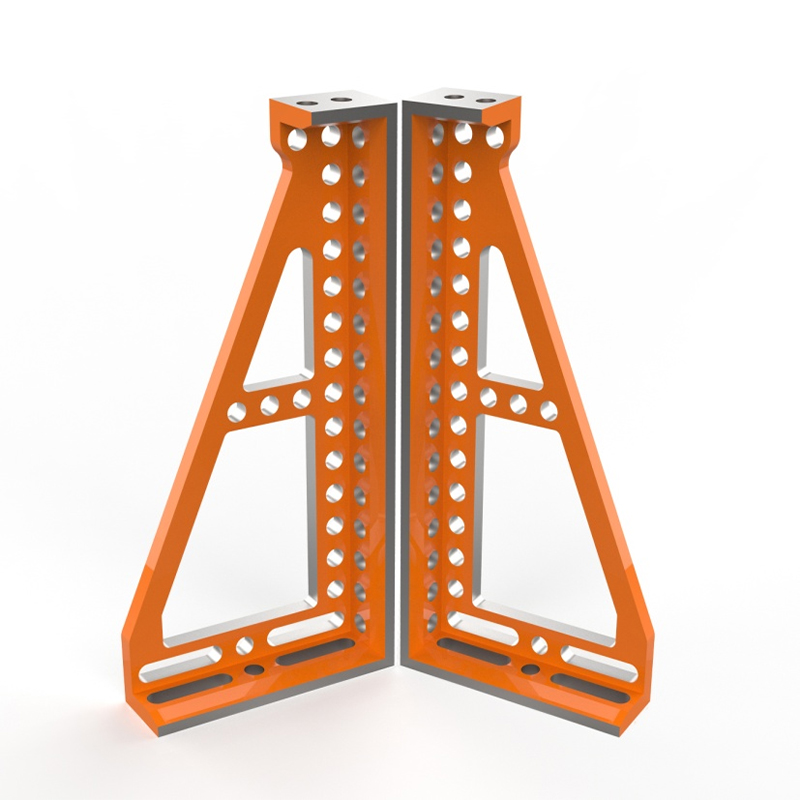
By utilizing Haijun Metal’s complementary components, such as U-shaped and L-shaped multi-purpose square boxes, 200-series support angle irons, and 0-225° universal angle gauges, manufacturers can achieve rapid workpiece positioning and clamping. This level of precision in the assembly phase ensures that the theoretical tolerances designed into the aluminum casting are maintained in the final physical product. Furthermore, their professional cast iron 3D welding platforms and angle connection blocks offer the durability and stability needed for high-volume production lines, making them a trusted supplier for customers seeking to enhance their production machinery tool series.
Conclusion: Partnering for Precision and Efficiency
Aluminum casting assembly represents a strategic advantage for manufacturers seeking high-quality, lightweight, and complex components. By integrating casting, machining, and assembly, businesses can streamline their supply chains, reduce costs, and accelerate time-to-market. The key to success lies in partnering with a supplier who possesses deep technical expertise, robust quality control systems, and a commitment to collaborative engineering.
Whether you are developing next-generation electric vehicles, advanced telecommunications infrastructure, or precision industrial machinery, choosing the right aluminum casting assembly partner is critical. Look for a manufacturer who understands your specific application requirements and can provide tailored solutions from design to delivery.
Ready to optimize your component production?
If you are looking for a reliable partner for your next project, contact our engineering team today. We provide comprehensive DFM analysis, rapid prototyping, and scalable mass production services tailored to your specific needs. Let us help you achieve superior quality and efficiency in your aluminum casting assembly projects.
Explore Our Aluminum Casting Assembly Solutions & Request a Quote