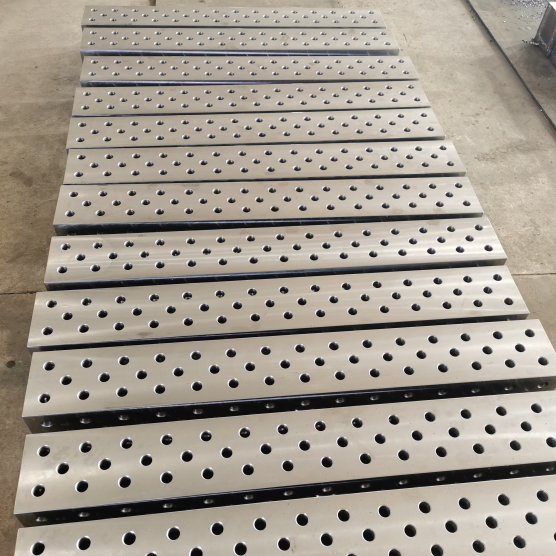
A welding table top with holes is a precision-engineered work surface featuring a grid of threaded or unthreaded holes, designed to securely clamp and position metal components during fabrication. In 2026, prices for these essential tools vary based on material grade, hole pattern density, and plate thickness, with Chinese manufacturers offering competitive rates for high-tensile steel options that meet global industrial standards.
Understanding the Welding Table Top with Holes in 2026
The modern fabrication shop relies heavily on modularity and precision. A welding table top with holes serves as the foundational element for this efficiency. Unlike traditional solid plates, these surfaces allow welders to use an extensive array of clamps, stops, and fixtures directly anchored to the table.
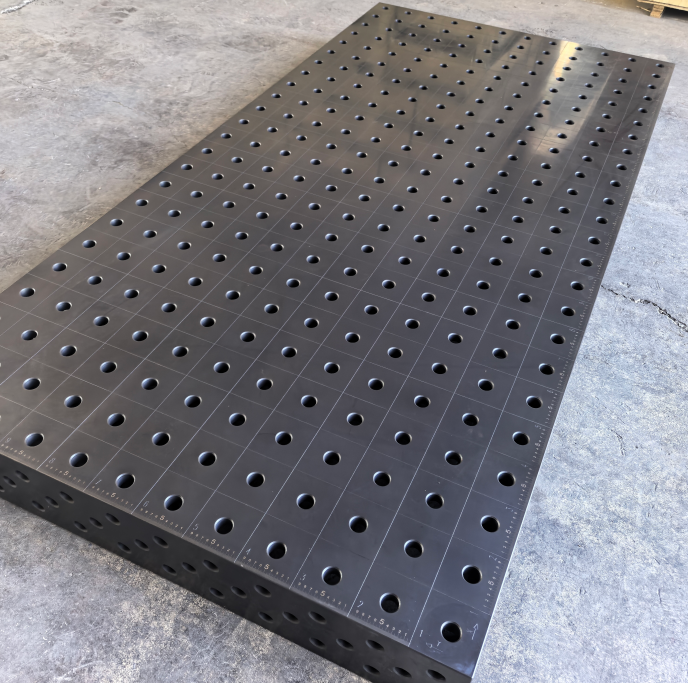
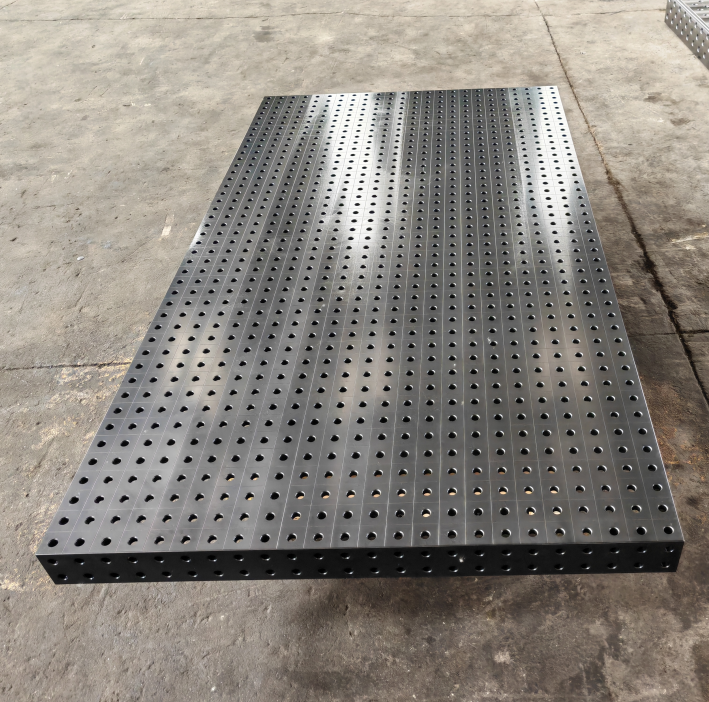
This system transforms a simple surface into a three-dimensional workspace. The holes are typically arranged in a precise grid pattern, often spaced at 100mm or 4-inch intervals. This standardization ensures compatibility with tooling from various manufacturers worldwide.
In 2026, the demand for these tables has surged due to the rise in custom metalwork and the need for repeatable accuracy in small-batch production. The ability to lock pieces in place eliminates warping and ensures squareness, which is critical for structural integrity.
Manufacturers have refined the drilling processes to ensure burr-free edges around each hole. This attention to detail prevents damage to soft materials and ensures smooth insertion of positioning pins. The evolution of these tables reflects a broader industry shift towards lean manufacturing principles.
Key Components of a Modular Welding Surface
To fully leverage a welding table top with holes, one must understand its constituent parts. The system is not just the plate itself but the ecosystem of tooling that interacts with it.
- The Base Plate: Usually made from low-carbon steel or high-tensile alloy, providing stability and heat resistance.
- The Hole Pattern: A matrix of holes that allows for infinite positioning possibilities across the X and Y axes.
- Clamping Systems: Specialized bolts, nuts, and quick-release clamps designed to fit the specific hole diameter.
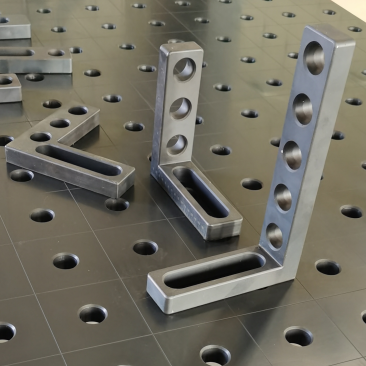
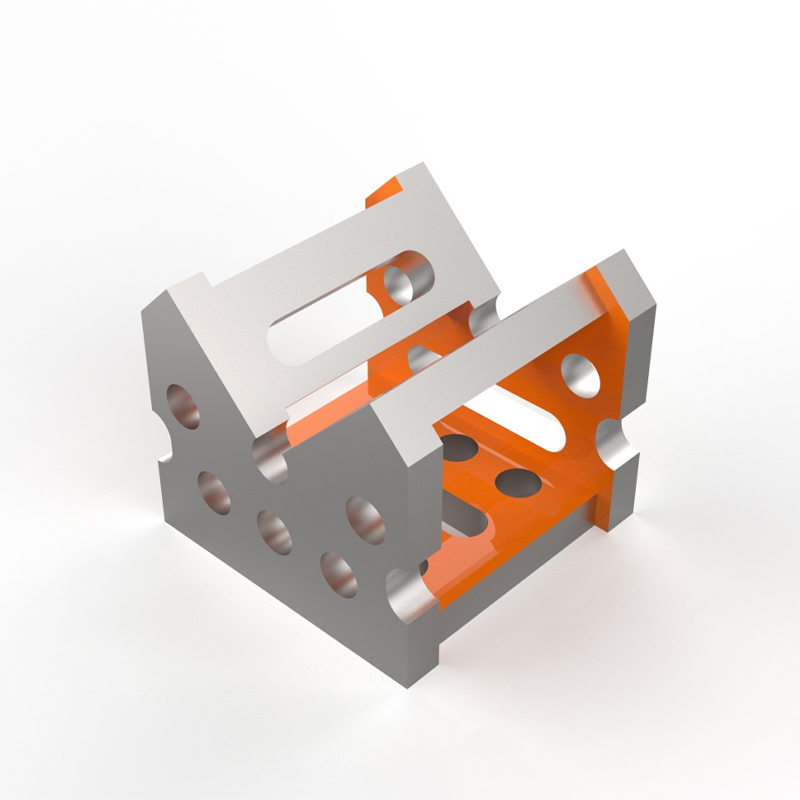
- Stops and Angles: Fixed accessories that slide into the holes to create perfect 90-degree or 45-degree joints.
The synergy between these components creates a rigid framework. When a welder secures a workpiece using multiple points, the thermal distortion caused by welding heat is significantly minimized. This results in less post-weld correction and higher overall quality.
Material Standards and Manufacturing Quality
When sourcing a welding table top with holes from a China manufacturer, understanding material specifications is paramount. Not all steel plates are created equal, and the choice of material directly impacts the longevity and performance of the table.
The industry standard for high-quality tables in 2026 is typically Q345B or equivalent S355JR steel. These grades offer superior yield strength compared to mild steel (Q235). Higher yield strength means the table is less likely to deform under heavy loads or intense localized heat.
Heat Treatment and Surface Finishes
Premium manufacturers employ stress-relief annealing after machining the holes. This process removes internal stresses induced during drilling and cutting, ensuring the table remains flat over time. Without this step, the table may warp as it settles or heats up during use.
Surface finishes also play a crucial role. While some users prefer a raw, oiled surface for maximum spark adhesion (which can be beneficial for grounding), others opt for powder-coated frames with a machined top. The holes themselves are often left uncoated to ensure good electrical conductivity for grounding clamps.
- Machined Top: Provides a perfectly flat surface, essential for precision assembly.
- Shot Blasted: Removes mill scale and rust, preparing the surface for painting or oiling.
- Nitrided: A harder surface treatment that increases resistance to spatter adhesion and wear.
Chinese factories have increasingly adopted CNC machining centers for hole drilling. This technology guarantees consistent hole spacing and perpendicularity, which is vital for the accurate placement of tooling. Manual drilling methods are becoming obsolete for premium product lines.
Types of Welding Table Tops Available
The market offers several variations of the welding table top with holes, each tailored to specific applications. Choosing the right type depends on the nature of the projects, the weight of the materials, and the required precision level.
Standard Grid Pattern Tables
The most common variety features a uniform grid of holes across the entire surface. This is the versatile workhorse of the welding world. It suits general fabrication, repair work, and custom builds where flexibility is key.
These tables usually come with hole diameters of 16mm, 22mm, or 28mm. The 16mm size is popular for lighter gauge work and hobbyists, while 28mm is the industrial standard for heavy-duty applications involving thick plates and large structures.
Slot and Hole Combination Tables
Some advanced designs incorporate long slots alongside round holes. These slots allow for continuous adjustment along one axis without being restricted to the fixed grid points. This hybrid approach offers the best of both worlds: the precision of fixed holes and the flexibility of T-slots.
This design is particularly useful for assembling long beams or pipes where clamping points need to be adjusted incrementally rather than in fixed steps. It reduces the need for excessive shimming or custom adapters.
Portable and Benchtop Models
Not every workshop has space for a full-sized floor-standing unit. Portable welding table top with holes options are designed to sit on existing workbenches or sawhorses. They retain the grid pattern functionality but in a compact, lightweight format.
These units are ideal for field work, onsite repairs, or small hobby shops. Despite their smaller footprint, they often support significant load capacities due to the inherent strength of the ribbed underside construction found in quality models.
2026 Pricing Trends and Cost Factors
As we navigate through 2026, the pricing landscape for welding table top with holes units has stabilized following previous years’ volatility in raw material costs. However, several factors continue to influence the final price tag for buyers importing from China.
Steel prices remain the primary driver. Fluctuations in iron ore and scrap metal markets directly impact the cost of the base plate. Additionally, energy costs associated with heat treatment and CNC machining contribute to the manufacturing overhead.
Breakdown of Cost Drivers
Understanding where the money goes helps buyers make informed decisions. A cheaper table often cuts corners on material thickness or skips the stress-relief process, leading to long-term issues.
- Plate Thickness: Thicker plates (e.g., 20mm vs. 10mm) cost more in materials and require more machining time, but offer vastly superior flatness and heat dissipation.
- Hole Density: More holes mean more drilling time and higher tool wear for the manufacturer, increasing the unit cost.
- Tolerance Levels: Tables guaranteed to be flat within 0.5mm per meter command a premium over those with looser tolerances.
- Finish and Coating: Additional processes like nitriding or specialized powder coating add to the final price.
In 2026, buyers are seeing a trend towards value-added bundles. Manufacturers are including basic clamping kits with the table purchase to provide immediate utility. This bundling strategy can offer better overall value compared to purchasing the table and tooling separately.
Import Considerations for Global Buyers
For international purchasers, the landed cost includes shipping, tariffs, and insurance. Sea freight rates have normalized, making bulk orders more economical. However, the weight of these tables makes shipping a significant portion of the total cost.
Buyers should also consider the packaging. High-quality exporters use reinforced wooden crates and moisture barriers to prevent rust during transit. Cheaper options might use minimal packaging, risking damage to the precision-machined surface.
How to Choose the Right Welding Table Top
Selecting the ideal welding table top with holes requires a careful assessment of your specific needs. It is not a one-size-fits-all purchase. The right choice balances budget, space, and technical requirements.
Assessing Your Workload
Consider the typical size and weight of the projects you undertake. If you frequently work with heavy structural beams, a lightweight benchtop model will be insufficient. You need a robust frame and a thick top plate to prevent sagging.
Conversely, if your work involves intricate, small-scale artistic metalwork, a table with a finer hole grid (smaller spacing) might be more beneficial. This allows for tighter clamping configurations around delicate pieces.
Evaluating Hole Size and Spacing
The diameter of the holes dictates the size of the tooling you can use. Larger holes accommodate heavier-duty clamps and positioning pins. However, if the holes are too large for your typical work, you may lose precision.
Spacing is equally critical. A 100mm grid is the global standard, offering a good balance between flexibility and structural integrity. Wider spacing reduces the number of clamping options, while extremely tight spacing can weaken the plate structure.
- For Heavy Industry: Choose 28mm holes with 100mm or 150mm spacing and a plate thickness of at least 20mm.
- For General Fabrication: 22mm holes with 100mm spacing and 16mm thickness are usually sufficient.
- For Hobbyists: 16mm holes with 100mm spacing and 10-12mm thickness offer great versatility at a lower cost.
Comparison of Welding Table Solutions
To aid in decision-making, the following table compares different types of welding surfaces available in the 2026 market. This comparison highlights the trade-offs between cost, flexibility, and precision.
| Solution Type | Key Features | Best Application |
| Solid Steel Plate | No holes, uniform surface, lower cost | Heavy beating, cutting, and rough assembly |
| Welding Table Top with Holes (Standard) | Grid pattern, modular clamping, high precision | Precision fabrication, repeatable jobs, complex assemblies |
| T-Slot Table | Continuous slots, flexible positioning, heavier | Large scale assembly, varying part sizes |
| Portable Perforated Top | Lightweight, removable, limited load capacity | Field repairs, small workshops, hobby projects |
The data clearly shows that while solid plates are cheaper initially, the welding table top with holes offers superior long-term value through increased efficiency and reduced rework. The ability to fixture parts quickly pays for the price difference over time.
Installation and Maintenance Guide
Proper installation and maintenance are essential to preserve the accuracy and lifespan of your welding table top with holes. Even the highest quality table can fail prematurely if neglected or installed incorrectly.
Step-by-Step Installation
Setting up the table correctly ensures it remains flat and stable. Follow these general steps for optimal results:
- Step 1: Site Preparation: Ensure the floor is level and capable of supporting the table’s weight plus the maximum expected load.
- Step 2: Frame Assembly: If the table arrives disassembled, bolt the legs to the frame tightly. Use a torque wrench to ensure even pressure.
- Step 3: Leveling: Place the table in position and use adjustable feet to level the top surface. Check with a precision spirit level in multiple directions.
- Step 4: Grounding: Attach a dedicated grounding clamp to a clean, unpainted section of the table or a designated grounding stud to ensure safe welding operations.
- Step 5: Initial Cleaning: Wipe down the surface with a degreaser to remove any protective oils applied during shipping before beginning work.
Routine Maintenance Practices
Maintenance is straightforward but must be consistent. The primary enemy of a welding table is rust and spatter buildup.
After each use, remove large spatter beads with a chipping hammer or scraper. Avoid grinding the table surface unless absolutely necessary, as this can alter the flatness. Apply a thin coat of anti-spatter spray or light oil to the surface when the table is not in use for extended periods.
Periodically check the tightness of all bolts and connections. Vibration from welding and grinding can loosen fasteners over time. Keeping the holes clear of debris is also vital; use a dedicated brush or air blower to clean out any accumulated dust or slag.
Advantages and Disadvantages Analysis
Every tool has its strengths and limitations. Understanding the pros and cons of a welding table top with holes helps set realistic expectations for its performance in your workshop.
- Advantages:
- Unmatched Versatility: The grid system allows for infinite configuration possibilities for clamping and fixturing.
- Improved Accuracy: Drastically reduces setup time and improves the squareness and alignment of welded assemblies.
- Repeatability: Once a setup is perfected, it can be replicated exactly for future batches, ensuring consistent quality.
- Resale Value: High-quality modular tables retain their value well due to their durability and universal appeal.
- Disadvantages:
- Higher Initial Cost: Significantly more expensive than simple solid steel tables or makeshift surfaces.
- Weight: These tables are extremely heavy, making relocation difficult without proper equipment like forklifts or pallet jacks.
- Learning Curve: Maximizing the potential of the system requires learning how to use various clamps and fixtures effectively.
- Maintenance: Holes can become clogged with spatter if not protected, requiring regular cleaning to remain functional.
Despite the disadvantages, the consensus among professional fabricators is that the benefits far outweigh the drawbacks. The increase in productivity and reduction in waste quickly justify the investment.
Real-World Applications and Case Studies
The utility of a welding table top with holes extends across various industries. From automotive restoration to aerospace component assembly, its impact is profound.
Automotive Customization
In custom car shops, builders use these tables to construct roll cages and chassis components. The ability to clamp tubes at precise angles ensures that the final structure fits the vehicle perfectly without stress-induced cracks. One notable shop reported a 40% reduction in fabrication time for custom roll cages after switching to a modular hole-top system.
Architectural Metalwork
Fabricators creating staircases, railings, and gates rely on these tables to maintain consistent dimensions across multiple sections. The repeatability ensures that a railing section built on Monday matches perfectly with one built on Friday. This consistency is crucial for large-scale architectural installations.
Prototyping and R&D
Research and development teams use these tables for rapid prototyping. The flexible nature of the surface allows engineers to test different joint configurations and assembly methods quickly. It serves as a physical breadboard for metal, enabling fast iteration and design validation.
Future Trends in Welding Table Technology
Looking beyond 2026, the evolution of the welding table top with holes continues. Manufacturers are exploring new materials and smart technologies to further enhance performance.
There is growing interest in composite materials that offer high strength-to-weight ratios. These could potentially reduce the weight of the tables without sacrificing rigidity, making them easier to move and install. Additionally, integration with digital measuring systems is on the horizon.
Imagine a table with embedded sensors that can verify the flatness of a setup in real-time or guide the placement of clamps via an augmented reality interface. While still in early stages, such innovations promise to take precision fabrication to new heights.
Sustainability is also becoming a focus. Manufacturers are looking at recycling steel scrap more efficiently and using eco-friendly coatings. The goal is to produce high-performance tools with a reduced environmental footprint.
Conclusion: Investing in Precision
In the competitive landscape of modern metal fabrication, precision and efficiency are not just advantages; they are necessities. A welding table top with holes represents a strategic investment that pays dividends through improved quality, faster turnaround times, and reduced material waste.
Whether you are a small business owner in Europe, a large manufacturing plant in North America, or a skilled artisan in Asia, sourcing a high-quality table from a reputable China manufacturer can provide the foundation for your success. The 2026 market offers a wide range of options to suit every budget and requirement.
By understanding the material standards, choosing the right configuration, and maintaining your equipment properly, you can unlock the full potential of modular welding. The transition from a traditional solid table to a perforated modular system is a leap forward in capability that serious fabricators cannot afford to ignore.
As you plan your next purchase, remember that the table is the heart of your workshop. Choose wisely, invest in quality, and watch your fabrication capabilities soar. The future of welding is modular, precise, and efficient, and it starts with the right table top.