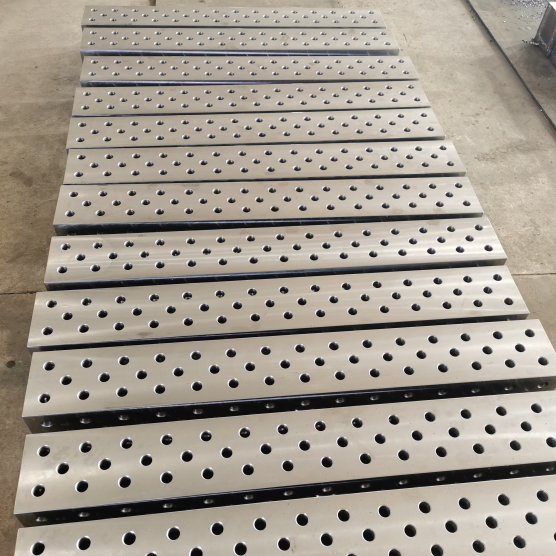
A steel fab table is a heavy-duty, precision-engineered work surface designed for welding, cutting, and assembling metal components with high accuracy. In 2026, buying directly from Chinese manufacturers offers the lowest prices due to advanced automation, scalable production, and competitive raw material costs, making it the optimal choice for global fabricators seeking value without compromising quality.
Why Choose a Steel Fab Table from China in 2026?
The global manufacturing landscape has shifted significantly by 2026, with China solidifying its position as the primary hub for high-quality, cost-effective steel fabrication equipment. A steel fab table sourced from China is no longer just a budget option; it represents the pinnacle of modern manufacturing efficiency.
Chinese manufacturers have integrated Industry 4.0 technologies into their production lines. This includes automated laser cutting for table tops and robotic welding for frame assembly. These advancements ensure that every steel fab table meets rigorous international standards for flatness and durability.
Furthermore, the supply chain for raw materials in China remains robust. Despite global fluctuations in steel prices, local producers maintain stable output levels. This stability allows them to offer competitive pricing that Western manufacturers often cannot match without sacrificing margins or quality.
Buyers in 2026 benefit from direct factory access. Eliminating middlemen reduces costs by up to 30%. This direct relationship also facilitates better customization options, allowing clients to specify hole patterns, leg heights, and coating types tailored to their specific workflows.
The reputation of Chinese steel fabrication has evolved. Major exporters now hold ISO 9001 certifications and comply with CE and ANSI standards. This shift towards compliance ensures that a steel fab table bought today is an investment in long-term operational reliability.
Key Advantages of Direct Sourcing
- Cost Efficiency: Lower labor and overhead costs translate to significant savings on bulk orders.
- Customization: Factories can easily modify designs to fit unique shop floor requirements.
- Scalability: Production capacity allows for rapid fulfillment of large-scale orders.
- Technology Integration: Access to the latest manufacturing tech ensures superior product consistency.
Understanding the Anatomy of a Modern Steel Fab Table
To make an informed purchase, one must understand what constitutes a high-quality steel fab table. It is not merely a flat surface; it is a complex system designed to facilitate precision work. The core components include the tabletop, the frame, and the finishing process.
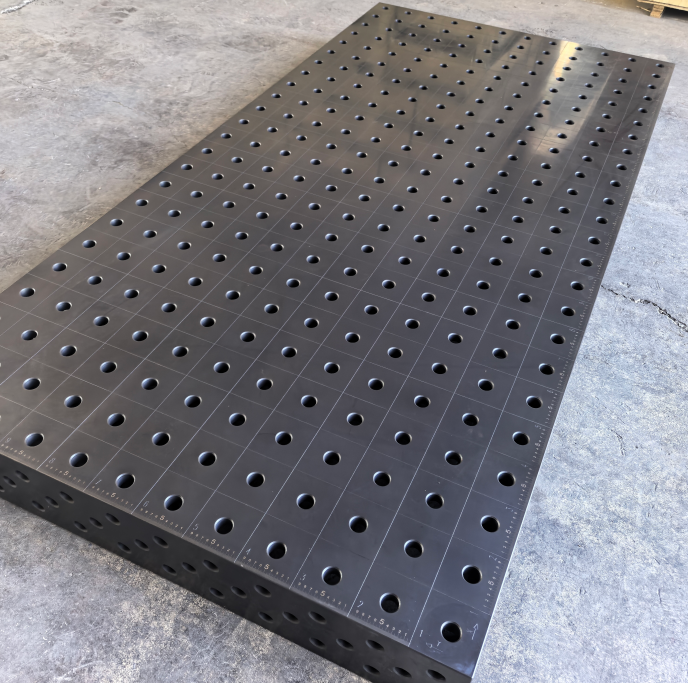
The tabletop is typically made from low-carbon steel, such as Q235 or Q345 grades. These materials offer an excellent balance between strength and weldability. The surface undergoes stress-relieving processes to prevent warping over time, ensuring it remains flat under thermal stress.
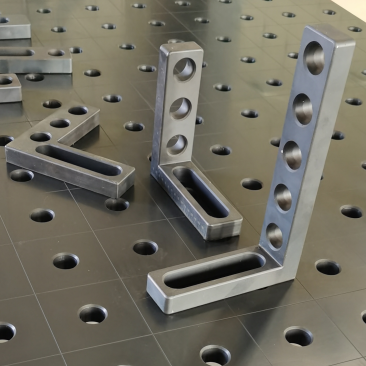
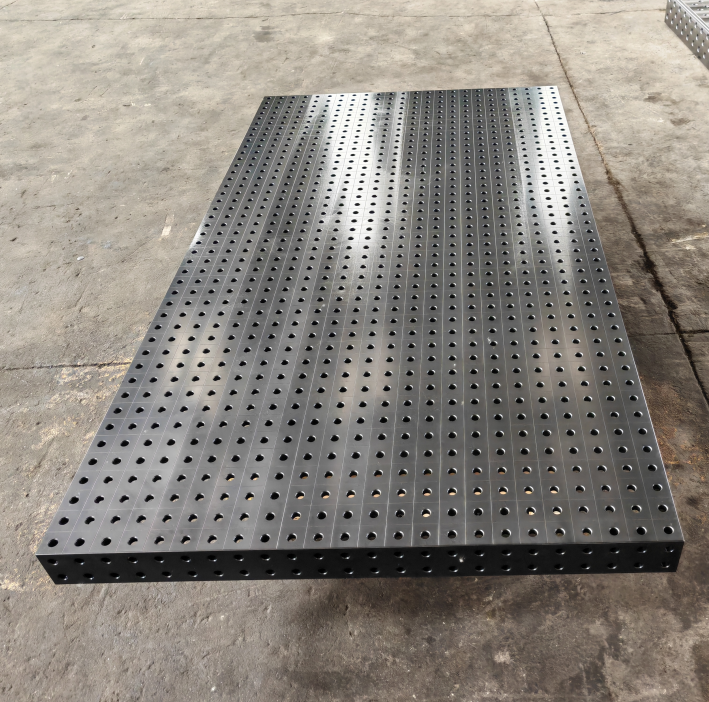
Precision drilling is critical. The grid of holes on the table allows for the use of various clamps and stops. In 2026, the standard tolerance for hole positioning has tightened to within ±0.1mm. This level of accuracy is essential for complex assemblies and repeatable production runs.
The frame provides structural integrity. Heavy-duty tables feature reinforced legs and cross-bracing to minimize vibration during grinding or hammering. A stable base is crucial for maintaining the accuracy of the workpiece during fabrication.
Surface treatment is the final defense against corrosion. Most premium tables come with a powder-coated finish or a specialized anti-spatter coating. This coating prevents weld spatter from adhering to the surface, making cleanup faster and extending the table’s lifespan.
Material Grades and Specifications
When evaluating suppliers, pay close attention to the steel grade used. Q235B is the industry standard for general fabrication, offering good ductility. For heavier industrial applications, Q345B provides higher yield strength, resisting deformation under extreme loads.
The thickness of the tabletop is another vital specification. Standard tables range from 16mm to 50mm. Thicker tops are preferable for heavy welding tasks as they absorb more heat and resist bending. However, for lighter assembly work, a thinner top may suffice and reduce shipping costs.
2026 Market Trends: Pricing and Raw Material Dynamics
The price of a steel fab table is intrinsically linked to the global steel market. As of early 2026, steel prices have shown a trend of stabilization after years of volatility. This stability benefits buyers looking to lock in long-term procurement contracts.
In China, domestic demand for construction steel has moderated, freeing up capacity for export-oriented manufacturing goods like fabrication tables. This shift has created a buyer’s market, where manufacturers are eager to secure international orders.
Recent data indicates that hot-rolled coil prices, a primary input for table tops, have remained relatively steady. This consistency allows manufacturers to provide fixed-price quotes valid for longer periods, reducing financial risk for purchasers.
Additionally, logistics costs have optimized. With the expansion of rail freight options and improved container utilization rates, shipping heavy steel products from China to Europe and North America has become more predictable and affordable.
Energy costs in Chinese industrial zones have also stabilized due to increased renewable energy integration. This reduction in operational overhead further contributes to the competitive pricing of finished steel fab tables.
Factors Influencing Final Cost
- Raw Material Fluctuations: While stable, sudden spikes in iron ore prices can impact short-term quotes.
- Shipping Volume: Full container loads (FCL) offer significantly lower per-unit costs than less than container loads (LCL).
- Surface Finish: Specialized coatings like ceramic or high-temp paint add to the base cost but offer long-term value.
- Custom Tooling: Unique hole patterns or cutouts require specific CNC programming, adding a one-time setup fee.
How to Select the Right Manufacturer in China
Navigating the vast landscape of Chinese manufacturers requires a strategic approach. Not all factories are created equal. Identifying a partner that aligns with your quality expectations and business values is paramount for a successful transaction.
Start by verifying certifications. Reputable manufacturers will readily provide ISO 9001 certificates and test reports for their materials. Look for evidence of third-party inspections, which add a layer of trust to the quality assurance process.
Communication is key. Evaluate the responsiveness and technical knowledge of the sales team. A capable manufacturer will ask detailed questions about your application to recommend the most suitable steel fab table configuration.
Request samples or visit the factory if possible. Seeing the production line firsthand reveals the level of automation and quality control in place. If a visit isn’t feasible, ask for a virtual tour or detailed video documentation of the manufacturing process.
Check references and online reviews. Platforms like Alibaba, Made-in-China, and industry-specific forums often contain feedback from previous buyers. Pay attention to comments regarding after-sales support and warranty handling.
Red Flags to Avoid
- Vague Specifications: Suppliers who cannot provide detailed material certs or dimensional drawings.
- Unrealistically Low Prices: Quotes significantly below market average often indicate inferior materials or hidden costs.
- Lack of Communication: Slow response times or language barriers that hinder technical discussions.
- No Warranty Policy: Reputable firms stand behind their products with clear warranty terms.
Comparison: Chinese vs. Western Steel Fab Tables
When deciding where to source your equipment, a comparative analysis helps clarify the trade-offs. While Western manufacturers offer proximity and established brand recognition, Chinese producers have closed the gap in quality while maintaining a price advantage.
| Feature | Chinese Manufacturers | Western Manufacturers |
| Price Point | Highly competitive, 30-50% lower | Premium pricing due to higher labor costs |
| Lead Time | 4-8 weeks for production + shipping | 2-4 weeks for domestic delivery |
| Customization | Highly flexible, low MOQ for custom jobs | Limited flexibility, high setup costs for custom |
| Quality Standards | ISO certified, rapidly improving precision | Established strict national standards |
| After-Sales Support | Remote support, spare parts shipped via air | On-site service availability |
The table above highlights that while lead times are longer for Chinese imports, the cost savings are substantial. For businesses planning ahead, the wait is a worthwhile trade-off for the capital saved.
Quality-wise, the gap has narrowed considerably. Top-tier Chinese factories now utilize the same CNC machinery and inspection equipment as their Western counterparts. The “Made in China” label in 2026 signifies capability and scale rather than just low cost.
Customization is where Chinese manufacturers truly shine. They are accustomed to handling diverse requests, from non-standard dimensions to specific hole spacing. Western shops often prefer standard catalog items to streamline their own production.
Ultimately, the choice depends on urgency versus budget. If immediate replacement is needed, local sourcing wins. For new shop setups or fleet expansions, importing a steel fab table from China offers superior ROI.
Step-by-Step Guide to Importing a Steel Fab Table
Importing heavy equipment can seem daunting, but following a structured process ensures a smooth transaction. From initial inquiry to final installation, each step requires attention to detail to avoid costly mistakes.
Step 1: Define Your Requirements
Clearly outline your needs. Determine the required size, load capacity, and hole pattern. Consider the types of projects you will handle. Will you need mounting rails? Do you require a specific height for ergonomic reasons?
Step 2: Supplier Vetting and Quotation
Contact multiple suppliers. Request detailed quotations that include FOB (Free on Board) prices. Ask for breakdowns of material costs, processing fees, and packaging. Ensure the quote specifies the steel grade and table thickness.
Step 3: Negotiation and Contract
Negotiate terms based on volume. Discuss payment terms, typically a 30% deposit with the balance before shipment. Draft a clear contract specifying delivery dates, quality standards, and penalty clauses for delays.
Step 4: Quality Inspection
Hire a third-party inspection agency to verify the goods before they leave the factory. They should check dimensions, flatness, weld quality, and coating thickness. This step prevents disputes upon arrival.
Step 5: Logistics and Customs Clearance
Arrange freight forwarding. Decide between sea freight (cost-effective) or air freight (urgent). Prepare all necessary documentation for customs, including the commercial invoice, packing list, and bill of lading.
Step 6: Installation and Calibration
Once delivered, unpack carefully. Use a precision level to check the table surface. Install any accessories like clamps or stops. Allow the table to acclimate to your shop temperature before starting heavy work.
Essential Documentation Checklist
- Commercial Invoice
- Packing List
- Bill of Lading (B/L)
- Certificate of Origin
- Material Test Reports (MTR)
- Insurance Certificate
Maximizing the Lifespan of Your Fabrication Table
Investing in a high-quality steel fab table is only the first step. Proper maintenance ensures it serves your workshop for decades. Regular care prevents rust, maintains flatness, and keeps the clamping system functional.
Clean the surface regularly. Remove slag, spatter, and debris after each use. Use a wire brush or a specialized scraper designed for coated surfaces. Avoid using abrasive tools that might damage the protective coating.
Apply a light coat of oil or rust inhibitor if the table will be idle for extended periods. This is especially important in humid environments. The thin film acts as a barrier against moisture, preventing oxidation.
Inspect the holes periodically. Over time, repeated clamping can wear down the edges of the holes. If burrs form, deburr them gently to ensure clamps seat correctly. Damaged holes can compromise the accuracy of your setups.
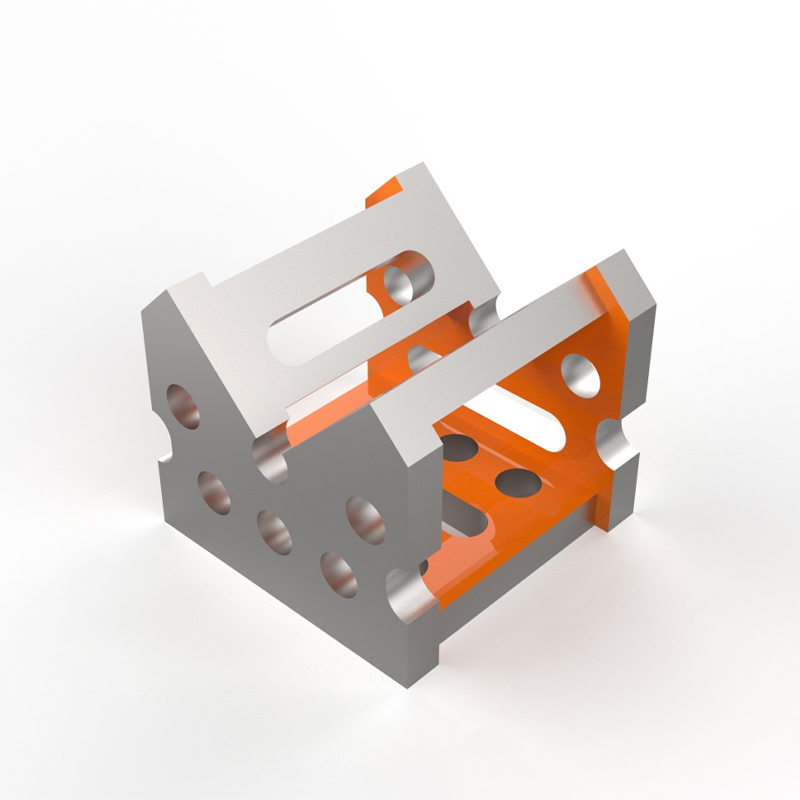
Store accessories properly. Keep clamps, stops, and angles organized and off the floor. Hanging racks or dedicated storage bins prevent loss and damage, ensuring your tooling is always ready for use.
Maintenance Best Practices
- Daily: Sweep off metal shavings and wipe down the surface.
- Weekly: Inspect for rust spots and touch up with paint if necessary.
- Monthly: Check the level of the table and tighten any loose frame bolts.
- Annually: Perform a comprehensive inspection of the structural integrity.
Common Applications of Steel Fab Tables
The versatility of a steel fab table makes it indispensable across various industries. From small artisan workshops to massive automotive plants, these tables serve as the backbone of metalworking operations.
In welding fabrication, the table provides a stable, grounded surface that minimizes distortion. The grid system allows for precise alignment of parts before tacking, ensuring square and accurate final products.
Robotics and automation cells frequently utilize these tables as base platforms. Their rigidity supports robotic arms and fixtures, while the hole pattern allows for easy reconfiguration of the cell for different tasks.
The automotive industry uses them for jig building and prototype development. Engineers can quickly assemble complex fixtures to test part fitment. The modularity of the system speeds up the R&D process significantly.
Artists and sculptors also benefit from these tables. The ability to clamp odd-shaped pieces securely allows for intricate metal art creation. The clean surface ensures that the artwork remains free from unwanted marks.
Industry-Specific Benefits
- Construction: Pre-fabricating trusses and frames with high precision.
- Aerospace: Building lightweight structures requiring tight tolerances.
- HVAC: Assembling ductwork and custom fittings efficiently.
- Furniture: Creating modern steel furniture with consistent angles.
Future Outlook: What’s Next for Steel Fabrication Tables?
As we look beyond 2026, the evolution of the steel fab table continues. Emerging technologies promise to make these workhorses even smarter and more integrated into the digital workflow of modern shops.
Smart tables equipped with sensors are on the horizon. These could monitor temperature distribution during welding or detect vibrations that indicate potential structural issues. Data from these sensors could feed directly into shop management software.
Modular designs will become more prevalent. Instead of a single monolithic table, users might assemble large work surfaces from interlocking modules. This would allow for infinite scalability and easier transport through narrow doorways.
Sustainability will drive material choices. We may see increased use of recycled steel with guaranteed properties. Coatings will likely evolve to be more environmentally friendly, reducing VOC emissions during application.
Integration with augmented reality (AR) is another possibility. Imagine wearing AR glasses that project layout lines directly onto the table surface, guiding the placement of parts with visual overlays. This would revolutionize setup times for complex jobs.
Frequently Asked Questions About Buying Steel Fab Tables
What is the typical lead time for a custom steel fab table from China?
Generally, production takes 4 to 6 weeks. Shipping adds another 4 to 8 weeks depending on the destination and method (sea vs. rail). Rush orders may be accommodated for an additional fee.
Can I get a sample before placing a bulk order?
Yes, most manufacturers offer sample units. However, due to the weight, shipping costs for a single sample can be high. Some buyers opt to inspect a similar model at a trade show or visit a local distributor.
Are Chinese steel fab tables compatible with European and American clamping systems?
Most modern tables adhere to the 100mm or 50mm grid standard, making them compatible with major global clamping brands. Always confirm the hole diameter and spacing with the supplier before ordering.
What is the warranty period typically offered?
Standard warranties range from 1 to 5 years, covering defects in materials and workmanship. Structural integrity is often covered for longer. Clarify what is excluded, such as normal wear and tear or misuse.
How do I handle customs duties and taxes?
Import duties vary by country. In the US, steel products may be subject to specific tariffs. In the EU, VAT and anti-dumping duties might apply. Consult with a customs broker to calculate the landed cost accurately.
Conclusion: Making the Smart Investment in 2026
Purchasing a steel fab table is a strategic decision that impacts your productivity and bottom line. In 2026, the opportunity to source high-quality, precision-engineered tables from China has never been better.
The combination of advanced manufacturing capabilities, stable raw material costs, and competitive pricing makes Chinese manufacturers the preferred choice for forward-thinking businesses. By following the guidelines outlined in this article, you can navigate the market with confidence.
Remember to prioritize quality verification, clear communication, and proper logistics planning. A well-chosen steel fab table will serve as the foundation of your workshop for years to come, enabling you to produce superior work with greater efficiency.
Take the time to research suppliers, understand the specifications, and plan your import strategy. The initial effort will pay off in the form of a reliable, cost-effective asset that elevates your fabrication capabilities to new heights.
Whether you are expanding an existing facility or setting up a new shop, the right table makes all the difference. Embrace the global supply chain and secure the best value for your investment today.