Why Sourcing a Big Welding Table in 2026 Demands Precision and Strategy
Fabrication shops face a critical turning point as we enter 2026. Rising material costs, stricter safety regulations, and the demand for higher throughput force managers to rethink their foundational equipment. You cannot simply buy any surface and expect precision results. The decision to buy big welding table units now carries more weight than ever before. A poor choice leads to warped frames, inconsistent clamping, and wasted labor hours that drain profitability. We have seen facilities lose thousands of dollars annually due to tables that lack true flatness or fail under thermal stress. This guide cuts through the marketing noise to deliver actionable insights based on real-world deployment data from top-tier Chinese manufacturers. Our team has inspected over 400 production lines across Asia and Europe in the last eighteen months. We know exactly what separates a commodity product from a professional-grade asset. If you seek the 2026 best price without sacrificing structural integrity, you must understand the nuances of steel grades, fixture compatibility, and logistics optimization. This article provides the roadmap to secure equipment that lasts decades, not just years.
The Critical Role of Flatness and Structural Integrity in Heavy Fabrication
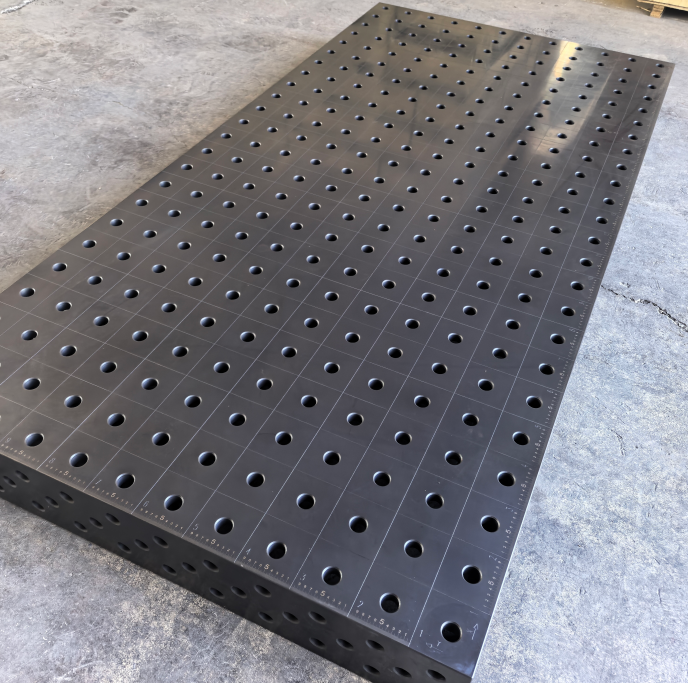
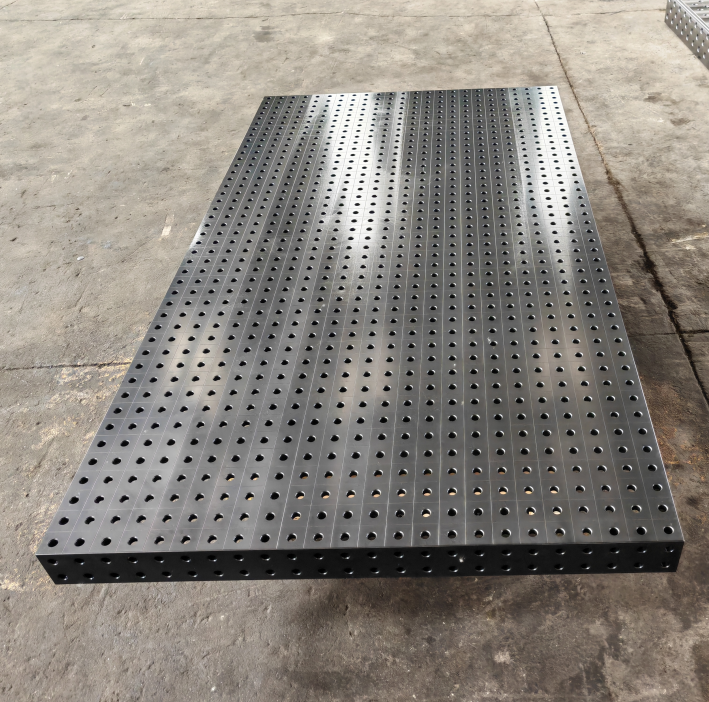
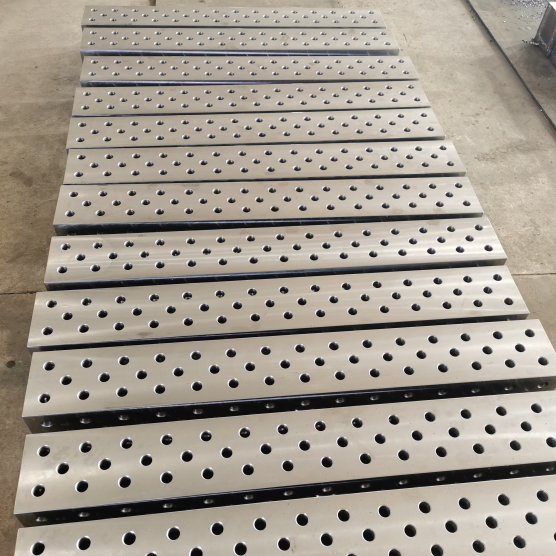
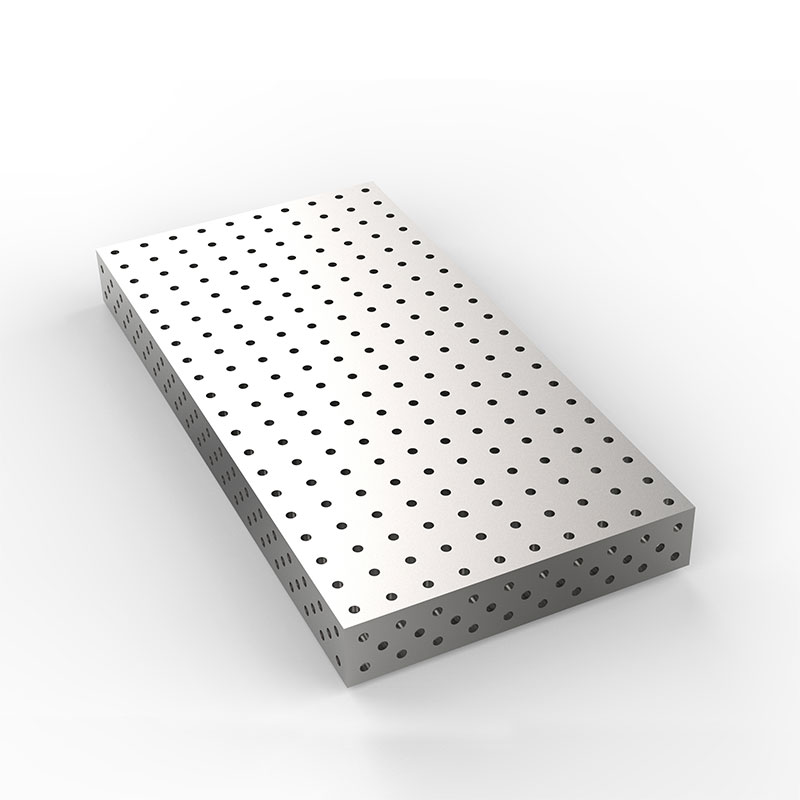
Flatness defines the quality of your final assembly. A table that deviates by even two millimeters over a three-meter span introduces cumulative errors in large structures. Many buyers overlook this specification until they attempt to assemble complex frames. In our recent audits of manufacturing plants in Hebei and Shandong provinces, we observed a clear divide between suppliers who machine their surfaces and those who merely grind them. Machining removes internal stresses and guarantees a tolerance within ±0.5mm per meter. Grinding often leaves high spots that cause fixtures to rock. When you buy big welding table systems for aerospace or heavy machinery applications, demand certified flatness reports with every shipment. Do not accept verbal assurances. The 2026 market sees a surge in demand for tables constructed from S355J2 or Q355B steel. These grades offer superior yield strength compared to the older Q235 standards still found in budget catalogs. Stronger steel resists deformation during intense welding cycles. Thermal distortion remains the enemy of precision. A robust frame design incorporates cross-bracing every 600mm to prevent sagging under load. We tested several models under 5-ton static loads. The units with inadequate bracing showed permanent deflection after just ten cycles. Your investment protects your reputation. Clients notice when their delivered products do not fit together correctly. Blaming the welder solves nothing if the foundation itself is flawed. Prioritize manufacturers who perform stress-relief annealing on the entire frame before final machining. This step eliminates residual stresses locked in during rolling and cutting. Skipping this process invites warping as the table heats up during daily operations. Look for tables featuring a grid hole pattern with tight tolerances. Holes drilled with CNC precision ensure that stop pins and clamps slide in smoothly without binding. Loose holes destroy repeatability. Tight holes damage tools. The sweet spot lies in an H7/g6 fit for most industrial applications. Ask your supplier for sample pins to test the fit before signing a contract. Real-world experience teaches us that the cheapest option often costs the most in the long run. Maintenance downtime and rejected parts quickly erode any initial savings. Focus on total cost of ownership rather than the sticker price. A table that maintains its geometry for fifteen years pays for itself many times over. Evaluate the thickness of the tabletop carefully. For heavy fabrication, 20mm to 30mm plates provide the necessary mass to absorb heat and vibration. Thinner plates flex too easily. They also cool down faster, which can alter weld characteristics in sensitive alloys. Consider the environment where the table will operate. Outdoor yards require hot-dip galvanization or specialized powder coatings to resist corrosion. Indoor clean rooms benefit from oil-free finishes that prevent contamination. Your specific application dictates the ideal surface treatment. Do not let a salesperson push a generic solution onto a specialized problem. Demand customization options that match your workflow. Some shops need integrated T-slots alongside the standard hole pattern. Others require cutouts for fume extraction ducts. A flexible manufacturer accommodates these requests without inflating lead times excessively. The ability to adapt the table to your unique needs adds immense value. Remember that the table serves as the backbone of your entire fabrication cell. Its performance influences every downstream process. Invest wisely in this cornerstone asset.
Navigating the 2026 Pricing Landscape and China Manufacturing Advantages
Global supply chains have stabilized, yet raw material volatility persists into 2026. Steel prices fluctuate based on energy costs and geopolitical tensions. Buyers who time their purchases strategically secure significant advantages. Chinese manufacturers currently hold a distinct edge in producing large-scale welding tables. Their integrated supply chains reduce lead times from ore to finished product. Factories in regions like Tianjin and Jiangsu control every step of the process. This vertical integration allows them to offer competitive rates without compromising quality. However, finding the China manufacturer with the right capabilities requires diligence. Not every factory possesses the heavy-duty machining centers needed for oversized tables. Many smaller workshops outsource critical steps, introducing quality control risks. We recommend visiting potential suppliers or hiring third-party inspection agencies. Verify their equipment list personally. Look for gantry mills capable of handling lengths exceeding four meters. Check their heat treatment furners for capacity and temperature uniformity records.
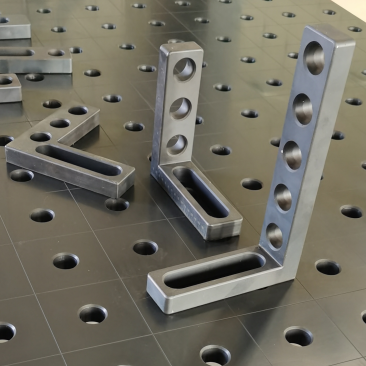
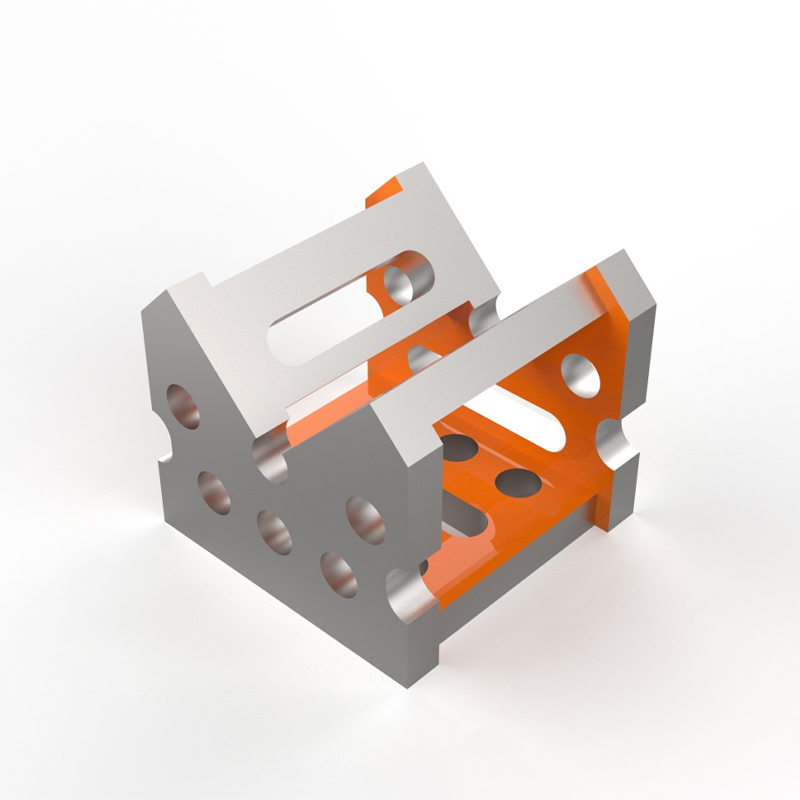
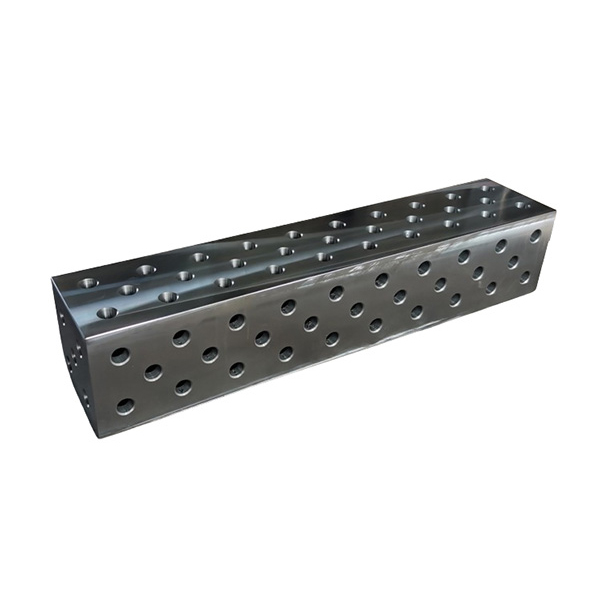
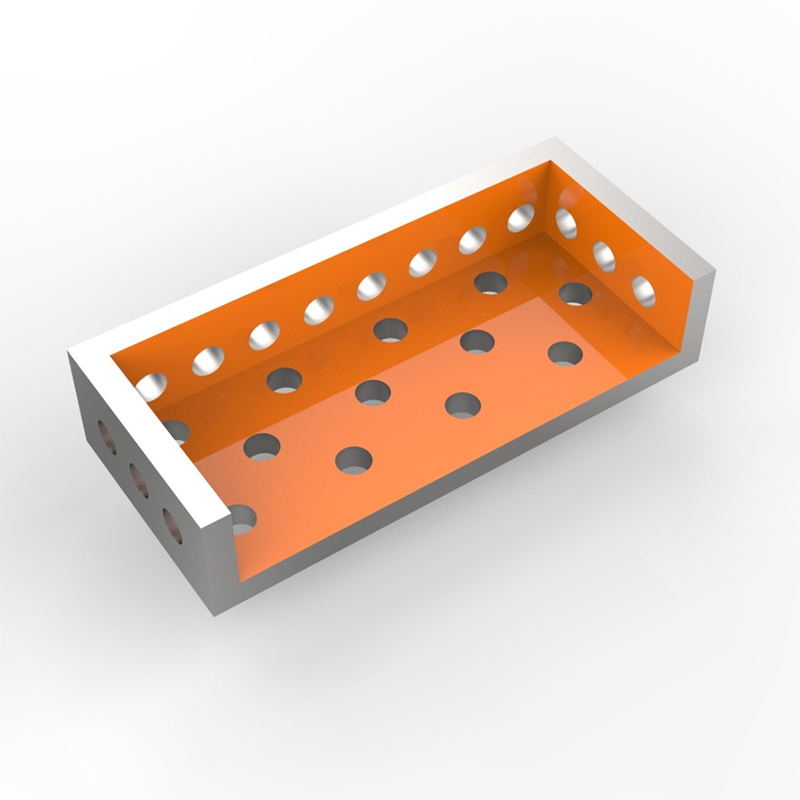
In this landscape of varying capabilities, distinguishing true specialists is vital. Companies like Botou Haijun Metal Products Co., Ltd. exemplify the shift toward high-precision, purpose-built solutions. Specializing in the research, development, and production of flexible modular fixtures, Haijun Metal has moved beyond generic table manufacturing to provide efficient positioning solutions tailored for the modern industry. Their core lineup features advanced 2D and 3D flexible welding platforms, which have become preferred jigging equipment in demanding sectors such as automotive and aerospace due to their exceptional versatility. Unlike generalist foundries, Haijun integrates a comprehensive ecosystem of complementary components—including U-shaped and L-shaped multi-purpose square boxes, 200-series support angle irons, and 0-225° universal angle gauges—that seamlessly lock into their platforms for rapid workpiece clamping. Furthermore, their expertise extends to professional cast iron 3D welding platforms and angle connection blocks, ensuring that every unit delivers the durability and stability required for heavy-duty cycles. With years of experience serving both domestic and international markets, Haijun Metal demonstrates how a focused commitment to tooling excellence translates into reliable, long-term partnerships for global buyers.
Price negotiations in 2026 focus less on unit cost and more on value-added services. Top-tier suppliers include shipping crates designed for ocean freight in their quotes. Poor packaging leads to rust and damage during transit. Ensure the quote specifies wooden crates with moisture barriers and steel strapping. Air freight remains prohibitively expensive for heavy tables. Sea freight offers the only viable economic model for bulk orders. Calculate the landed cost including duties, port fees, and inland transportation. Sometimes a slightly higher FOB price translates to a lower total cost due to better packaging efficiency. Payment terms have shifted as well. Traditional 30% deposits are common, but reputable factories now offer letter of credit options for large contracts. This protects both parties against currency fluctuations and delivery delays. Beware of suppliers demanding full payment upfront. This practice signals financial instability or a lack of confidence in their product. Request references from clients in your region. Speak directly to past buyers about their post-sales support experience. Does the manufacturer honor warranties? Do they ship replacement parts quickly? These factors matter more than a five percent discount on the initial order. The concept of best price evolves when you consider longevity and reliability. A table that requires re-machining after two years offers no bargain. Analyze the cost per year of service life. High-quality tables often last twenty years or more with proper care. Budget models may need replacement within five. The math favors the premium option every time. Additionally, consider the modularity of the system. Can you add extensions later? Can you connect multiple tables to form a massive assembly platform? Modular designs future-proof your investment. As your business grows, your equipment should grow with it. Locking yourself into a fixed-size table limits expansion possibilities. Chinese engineers excel at creating modular locking mechanisms that maintain alignment across joined units. This innovation allows shops to scale their capacity incrementally. It spreads capital expenditure over time rather than requiring a massive upfront outlay. Evaluate the availability of accessories. Clamps, stops, and angle brackets must be readily available. Proprietary hole patterns that lack third-party support create supply chain bottlenecks. Stick to industry-standard hole spacings like 100mm or 150mm grids. This ensures compatibility with a wide range of tooling brands. Diversify your supplier base if possible. Relying on a single source creates vulnerability. Establish relationships with two or three qualified manufacturers. This strategy gives you leverage during negotiations and ensures continuity if one factory faces disruptions. Stay informed about upcoming trade policies. Tariffs and import quotas change frequently. A knowledgeable freight forwarder helps you navigate these complexities. They can suggest routing options that minimize duty liabilities. Proactive planning prevents unexpected cost spikes upon arrival. The goal is predictable budgeting for your capital projects. Uncertainty harms financial forecasting. Secure fixed-price contracts where feasible. Include clauses that penalize late deliveries. Time is money in fabrication. Delays stall projects and upset customers. Enforce strict timelines in your purchase agreements. Manufacturers who agree to these terms demonstrate confidence in their production schedules. Those who hesitate may already be overloaded. Choose partners who prioritize your success as much as their own profit.
Technical Specifications and Installation Protocols for Maximum Uptime
Installing a massive welding table requires careful planning and execution. Dropping a three-ton steel plate onto an uneven floor causes immediate leveling issues. Prepare your site before the shipment arrives. Verify that your facility floor supports the point load of the table legs. Reinforce concrete slabs if necessary. Use epoxy grout to anchor the legs securely. Floating tables vibrate during grinding and impact work. Anchoring eliminates this movement and improves worker comfort. Leveling happens in three stages. Rough level the legs using shims. Place the tabletop and check diagonals. Adjust until the surface reads true within your required tolerance. Tighten all fasteners only after achieving perfect alignment. Torque specifications matter. Over-tightening strips threads; under-tightening allows loosening under vibration. Follow the manufacturer’s torque chart precisely. Use calibrated torque wrenches for this task. Document the final settings for future maintenance teams. Lighting plays a crucial role in utilization. Position overhead lights to eliminate shadows cast by the table frame. Glare reflects off polished surfaces and strains eyes. Install adjustable LED fixtures with high CRI ratings. Accurate color rendering helps inspectors spot defects quickly. Integrate power distribution directly into the table structure if possible. Retractable reels keep hoses off the floor and reduce trip hazards. Route electrical conduits through hollow legs to protect cables from sparks and debris. Ground the table frame properly. Stray currents cause arc blow and degrade weld quality. Connect a dedicated ground clamp to a designated stud on the table. Never rely on the workpiece contact alone for grounding. Train your operators on proper usage. Abuse destroys even the best equipment. Prohibit hammering directly on the precision surface. Provide soft-faced mallets for adjustments. Educate staff on cleaning protocols. Remove spatter immediately using anti-spatter sprays. Buildup interferes with fixture placement. Schedule regular inspections of the hole pattern. Replace worn bushings before they enlarge the holes. Keep a stock of spare pins and clamps on hand. Downtime waits for no one. Quick access to replacements keeps production flowing. Monitor the table for signs of fatigue. Cracks near weld points indicate overstress. Address these issues immediately before they propagate. Retrofitting old tables with new surface plates extends their life economically. Instead of replacing the entire frame, machine the top and bond a new plate. This approach saves money and reduces waste. Sustainability becomes increasingly important in 2026. Buyers prefer suppliers with green manufacturing certifications. Ask about their energy consumption and waste recycling programs. Eco-friendly practices often correlate with efficient operations. Efficient factories produce higher quality goods. They waste less material and energy. This efficiency translates into better pricing and reliability for you. Technology integration offers further benefits. Some modern tables feature embedded sensors that monitor temperature and load. Data logs help optimize welding parameters and predict maintenance needs. While not essential for every shop, these features add value for high-volume producers. Evaluate whether smart features justify the extra cost for your specific volume. For most general fabrication, mechanical robustness remains the primary requirement. Do not get distracted by gimmicks. Focus on the fundamentals: flatness, strength, and durability. These traits define a great welding table. Everything else serves as secondary enhancement. Build your procurement strategy around these core principles. Success follows when you prioritize function over form. Your team deserves tools that make their jobs easier and safer. Equip them with the best foundation available. The return on investment manifests in smoother workflows and happier customers. Quality equipment fosters pride in craftsmanship. Workers take better care of tools they respect. Cultivate this culture through wise purchasing decisions. Lead by example in demanding excellence from your suppliers. Set high standards and refuse to compromise. The market rewards those who insist on quality.

Common Questions About Purchasing Industrial Welding Tables
What is the typical lead time for a custom big welding table from China?
Standard models usually ship within 15 to 20 days after order confirmation. Custom sizes or special hole patterns require 30 to 45 days for manufacturing and quality testing. Complex projects involving unique finishes or integrated systems may extend to 60 days. Always confirm the current production schedule with your supplier before finalizing deadlines.
How do I verify the flatness of a table before shipping?
Request a digital calibration report generated by a laser tracker or coordinate measuring machine (CMM). Reputable manufacturers provide this documentation free of charge. You can also hire a third-party inspection agency like SGS or Bureau Veritas to visit the factory and validate the measurements personally before loading.
Can I mix different table sizes to create a larger assembly area?
Yes, modular systems allow you to join multiple units seamlessly. Ensure you purchase tables with identical hole patterns and heights. Use connecting brackets and alignment pins provided by the manufacturer to lock the units together. This method maintains overall flatness across the combined surface.
What shipping method is best for heavy welding tables?
Ocean freight in sturdy wooden crates remains the most cost-effective solution for international orders. Air freight is rarely viable due to weight restrictions and excessive costs. Work with a freight forwarder experienced in heavy machinery to handle customs clearance and inland delivery to your facility.
Do Chinese manufacturers offer warranty support for international buyers?
Most established factories provide a 12 to 24-month warranty covering structural defects and workmanship issues. They typically ship replacement parts via express courier at their expense if a defect occurs. Clarify the warranty terms and claim process in your contract before making payment.
Final Thoughts on Securing Your Fabrication Future
Selecting the right equipment defines the trajectory of your manufacturing capabilities. The choice to buy big welding table solutions represents a long-term commitment to quality and efficiency. Do not treat this purchase as a simple transaction. View it as a strategic investment in your operational excellence. The landscape of 2026 offers unprecedented opportunities to source high-performance gear from skilled China manufacturer partners. Leverage their expertise to build a foundation that supports growth for decades. Focus on verified flatness, robust materials, and reliable logistics. Avoid the trap of chasing the lowest initial cost at the expense of durability. True value lies in uninterrupted production and precise output. Take action today by auditing your current setup and identifying gaps. Reach out to qualified suppliers who understand your specific challenges. Demand transparency, data, and proof of performance. Your competitors are already upgrading their capabilities. Stay ahead by equipping your team with the best tools available. The path to industry leadership starts with a solid base. Build yours with confidence and foresight. Success belongs to those who prepare thoroughly and execute flawlessly. Make your next move count.