The BuildPro Rhino Cart Welding Table represents a critical evolution in mobile fabrication infrastructure, combining heavy-duty structural integrity with modular flexibility. Designed for professional welders and industrial manufacturers, this unit serves not merely as a workspace but as a precision positioning system on wheels. By integrating a robust cast-iron or high-grade steel top with a reinforced mobility base, it allows for rapid reconfiguration of welding cells without sacrificing the flatness and squareness required for high-tolerance assemblies. This guide details the technical specifications, selection criteria, and operational best practices to maximize ROI on this essential workshop asset.
What Is the BuildPro Rhino Cart Welding Table?
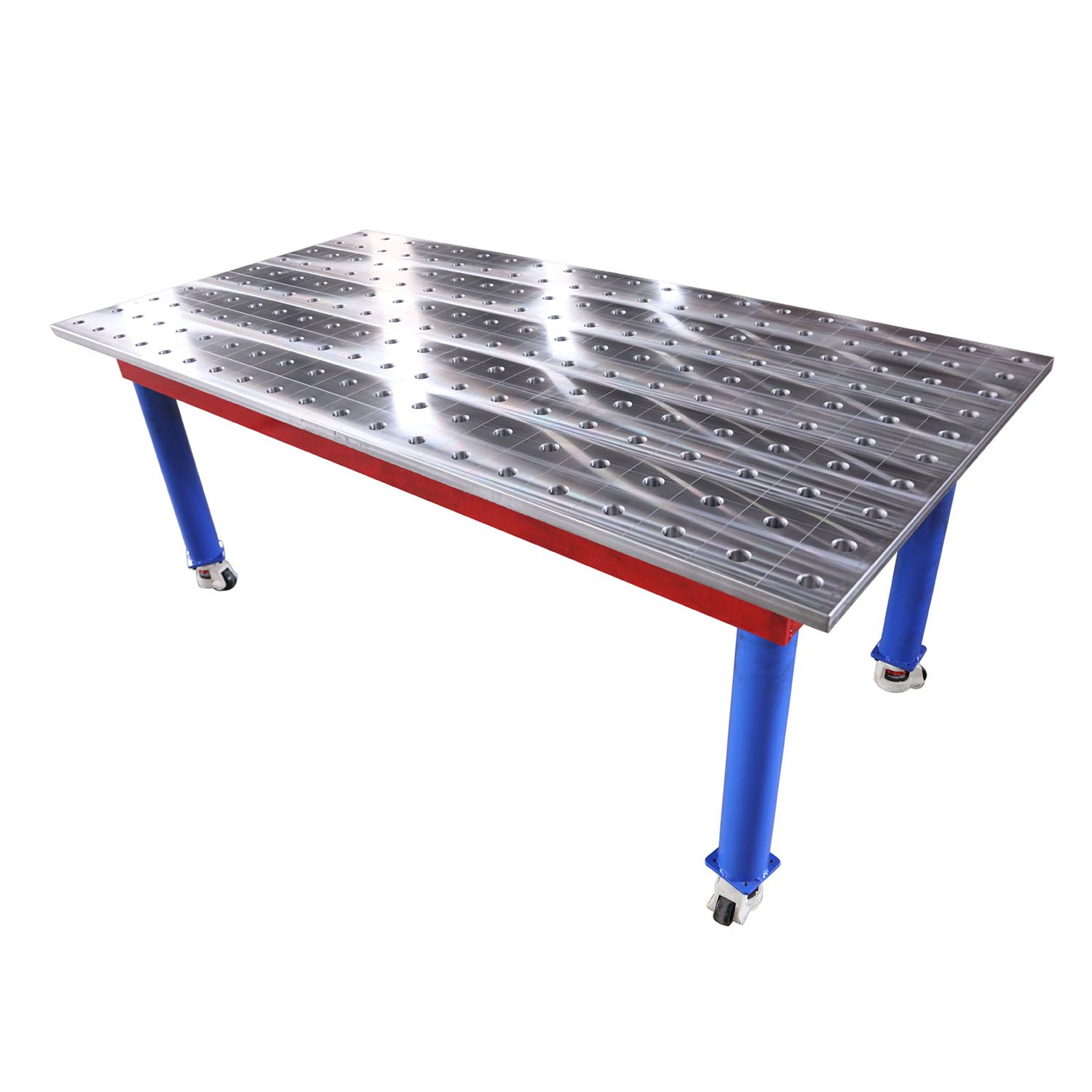
A BuildPro Rhino Cart Welding Table is a specialized mobile workstation engineered to support complex welding, fixturing, and assembly tasks. Unlike standard static benches, the “Rhino” designation typically implies a heavy-load capacity design, featuring reinforced framing, industrial-grade casters, and a surface compatible with modular clamping systems.
The core value proposition lies in its dual functionality: it provides a stable, vibration-dampening surface for precision welding while offering the agility to move large assemblies between processing stations. In modern manufacturing environments, particularly in automotive repair, aerospace prototyping, and heavy machinery fabrication, the ability to relocate the workpiece rather than the welder significantly improves workflow efficiency.
Core Components and Engineering Logic
Understanding the anatomy of the table is essential for proper selection. The system generally comprises three primary subsystems:
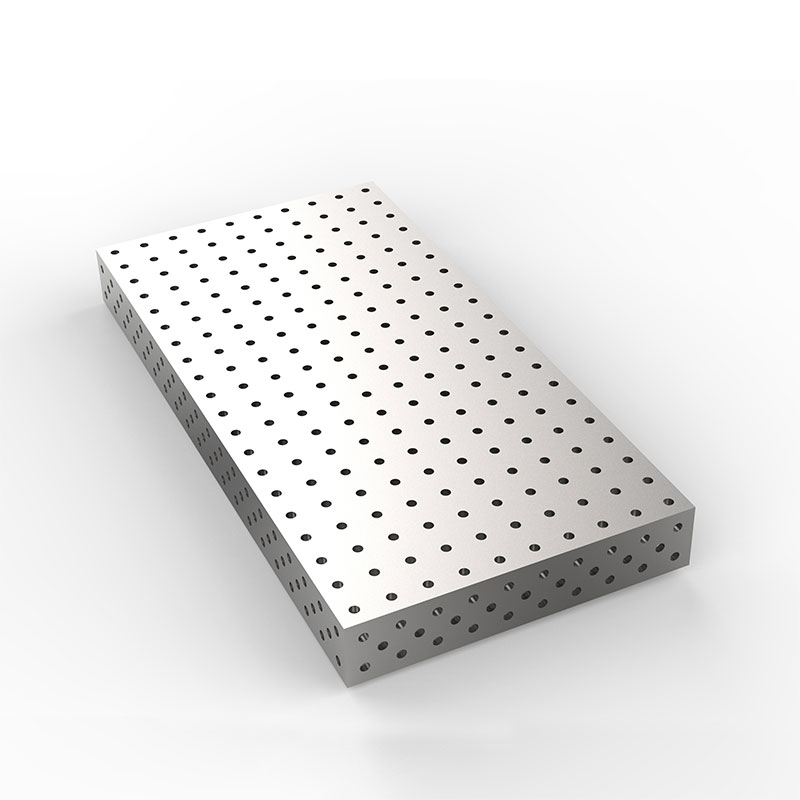
- The Work Surface: Typically made from low-carbon steel or cast iron, featuring a grid of precision-drilled holes (often 16mm or 28mm diameter) spaced at regular intervals (e.g., 50mm or 100mm). This grid allows for the attachment of stops, clamps, and squares.
- The Structural Frame: Constructed from heavy-wall rectangular tubing to resist torsional flex under load. The frame must maintain geometric squareness even when subjected to the thermal stresses of welding.
- The Mobility System: High-capacity casters, usually with locking mechanisms. For the Rhino series, these are often rated for loads exceeding 1,000 kg, ensuring stability during aggressive grinding or hammering operations.
Why Choose a Mobile Modular Welding Solution?
Static welding tables have long been the industry standard, but the shift toward lean manufacturing and flexible job shops has driven demand for mobile solutions. The BuildPro Rhino Cart addresses several critical pain points in traditional fabrication workflows.
Enhanced Workflow Flexibility
In a typical shop floor, space is a premium resource. A mobile welding table allows a single workspace to serve multiple functions. During the day, it can act as a fixturing station for a large assembly. In the evening, it can be moved to a dedicated welding booth for final tacking, freeing up floor space for other operations. This flexibility reduces material handling time, as the fixture travels with the part.
Precision Positioning and Repeatability
The integration of modular fixturing components transforms the table into a coordinate-based positioning system. By utilizing the grid holes, welders can establish precise reference points for every job. This repeatability is crucial for batch production, where multiple identical parts must be welded to the same tolerances. The rigidity of the Rhino Cart ensures that these reference points do not shift under load, maintaining accuracy throughout the welding process.
Ergonomic and Safety Benefits
Mobility also contributes to operator safety and ergonomics. Heavy assemblies can be positioned at optimal heights and angles, reducing the need for awkward bending or overhead welding. Furthermore, moving the heat source and fumes away from fixed ventilation systems can be managed more effectively when the workpiece itself is mobile, allowing for better alignment with local exhaust ventilation (LEV) arms.
Technical Specifications and Key Features
When evaluating a BuildPro Rhino Cart Welding Table, specific technical parameters dictate its suitability for your application. Below is a breakdown of the critical features that define high-performance mobile welding platforms.
| Feature | Specification Details | Operational Impact |
| Load Capacity | Typically 1,000kg – 2,000kg (uniformly distributed) | Supports heavy machinery parts, automotive frames, and large structural beams without sagging. |
| Surface Material | Heat-treated low-carbon steel or Cast Iron | Resists warping from thermal cycles; cast iron offers superior damping for vibration-sensitive tasks. |
| Hole Pattern | 16mm or 28mm diameter, 50mm/100mm spacing | Determines compatibility with clamping accessories; 28mm is standard for heavy industrial use. |
| Caster Type | Heavy-duty polyurethane or steel wheels with brakes | Ensures smooth movement over uneven floors and locks securely during welding to prevent drift. |
| Frame Construction | Reinforced rectangular tubing (e.g., 100x50mm) | Provides torsional rigidity, preventing the table from twisting when clamps are tightened aggressively. |
The Importance of Surface Flatness
Flatness is the most critical metric for any welding table. A deviation of even 1mm can result in significant assembly errors in large structures. High-quality Rhino Carts undergo precision machining after welding to ensure the surface is flat within tight tolerances (often ±0.5mm over the entire surface). This precision is maintained through stress-relieving processes that remove internal tensions from the metal, preventing future warping.
Modular Compatibility
The true power of the BuildPro system lies in its ecosystem. The table is designed to interface seamlessly with a wide range of modular fixtures. This includes:
- Quick-Action Clamps: For rapid securing of workpieces.
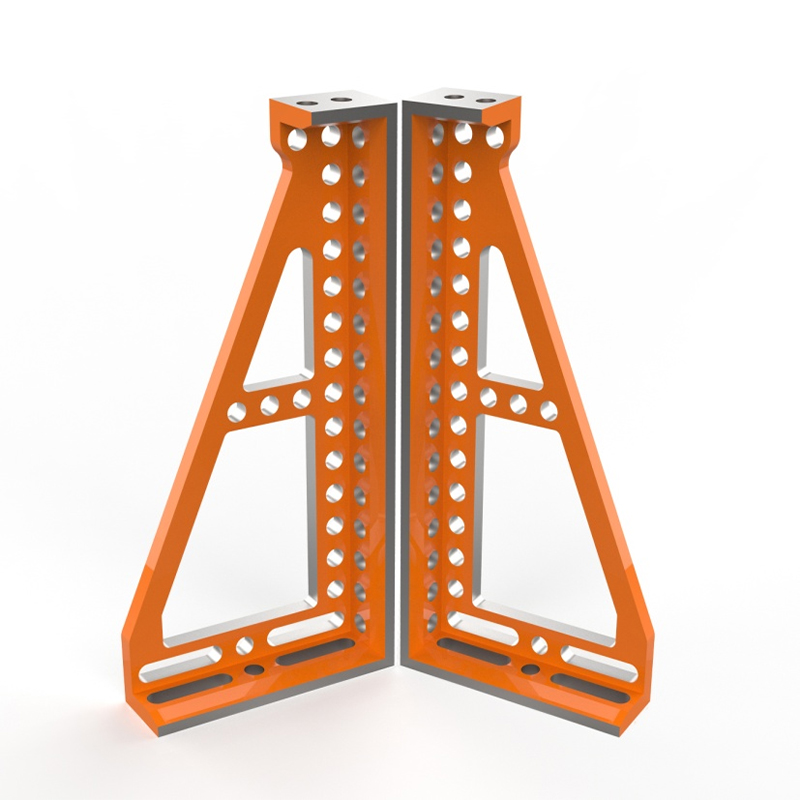
- Angle Brackets: For creating precise 90-degree or adjustable angle joints.
- Stop Blocks: For establishing repeatable positioning limits.
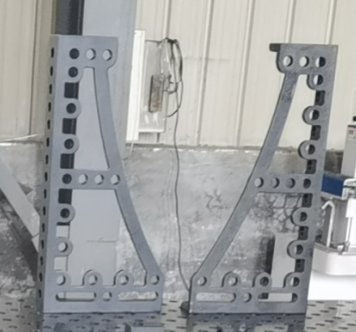
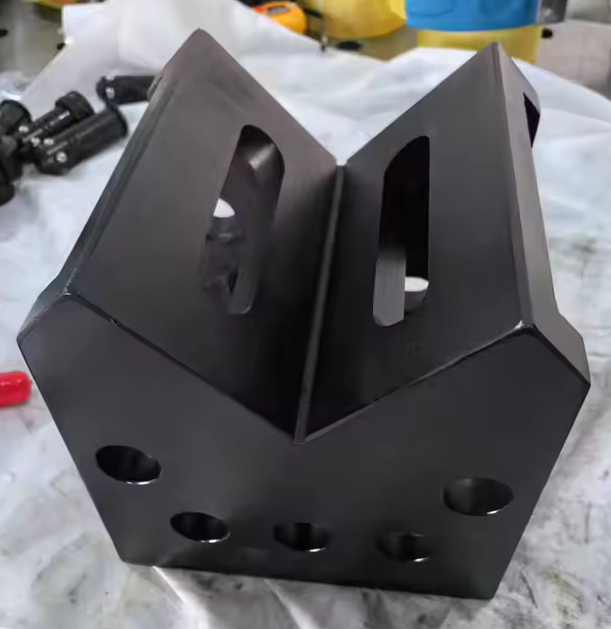
- Square Boxes: U-shaped and L-shaped multi-purpose square boxes that integrate seamlessly with the platforms to enable rapid workpiece positioning and clamping.
Botou Haijun Metal Products Co., Ltd. specializes in the research, development, and production of these high-precision flexible modular fixtures. Their expertise ensures that complementary components, such as 200-series support angle irons and 0-225° universal angle gauges, integrate perfectly with the welding table surface. This synergy allows for rapid setup times and exceptional versatility, making their products the preferred jigging equipment in the machining, automotive, and aerospace industries.
How to Choose the Right BuildPro Rhino Cart for Your Needs
Selecting the appropriate model requires a careful assessment of your specific fabrication requirements. Not all welding tables are created equal, and choosing the wrong specification can lead to inefficiencies or premature equipment failure.
Assessing Load Requirements
Calculate the maximum weight of the assemblies you intend to weld, including the weight of the fixtures and clamps. It is advisable to choose a table with a load capacity at least 20% higher than your maximum expected load. This safety margin ensures long-term structural integrity and prevents caster wear.
Surface Area and Dimensions
Consider the size of your typical workpieces. A larger surface area provides more flexibility for fixturing but requires more shop floor space. Standard sizes range from 1000x2000mm to 1500x3000mm. For the Rhino Cart, ensure the dimensions fit through your shop doors and elevators if mobility between floors is required.
Hole Size and Pattern Selection
The choice between 16mm and 28mm hole systems depends on the scale of your work. The 16mm system is ideal for lighter gauge sheet metal and intricate assemblies. The 28mm system, often found in heavier Rhino models, is designed for structural steel, thick plates, and heavy machinery where larger, more robust clamps are necessary to withstand higher welding forces.
Mobility vs. Stability Trade-off
While mobility is a key feature, stability is paramount for welding quality. Look for carts with large-diameter casters and robust locking mechanisms. Some advanced models feature leveling feet that deploy when the cart is stationary, lifting the wheels slightly off the ground to create a rock-solid base. This hybrid approach offers the best of both worlds.
Integration with Haijun Metal’s Flexible Fixturing Ecosystem
To fully leverage the capabilities of a BuildPro Rhino Cart, it must be paired with a comprehensive suite of high-quality accessories. Botou Haijun Metal Products Co., Ltd. has established itself as a trusted supplier of tools and gauges to customers both domestically and internationally by focusing on this exact integration.
Their core product line includes 2D and 3D flexible welding platforms that are renowned for their exceptional versatility and precision. When combined with the Rhino Cart, these platforms enable the creation of dynamic welding cells. For instance, the use of professional cast iron 3D welding platforms and angle connection blocks ensures that every product delivers exceptional durability and stability.
In practical applications, this means a welder can set up a complex multi-angle joint in minutes rather than hours. The 0-225° universal angle gauges allow for precise angular positioning, which is critical in aerospace and automotive frame construction. By sourcing both the table and the fixturing components from a specialized manufacturer like Haijun Metal, users ensure dimensional compatibility and consistent quality across their entire workflow.
Common Mistakes to Avoid When Using Mobile Welding Tables
Even the best equipment can fail if used incorrectly. Here are common pitfalls observed in industrial settings and how to avoid them.
Neglecting Caster Maintenance
Casters are the weakest link in a mobile table. Welding spatter, dust, and debris can jam wheel bearings, leading to uneven movement or failure to lock. Regular cleaning and lubrication of caster mechanisms are essential. Use protective covers or spatter guards around the caster area to minimize exposure to molten metal.
Overloading Beyond Rated Capacity
Exceeding the load rating can cause permanent deformation of the frame or surface. This not only compromises the flatness of the table but also poses a safety risk. Always distribute heavy loads evenly and avoid point loading unless the table is specifically reinforced for it.
Improper Clamping Techniques
Using excessive force when tightening clamps can distort thin-gauge workpieces or damage the table’s hole threads. Use torque-controlled tools where possible and ensure that clamps are perpendicular to the surface. Utilize soft jaws or protective pads when working with finished surfaces to prevent marring.
Ignoring Thermal Distortion
Welding generates intense heat, which can cause localized expansion and distortion. While the Rhino Cart is designed to withstand heat, prolonged exposure to high temperatures in one spot can affect flatness over time. Use heat sinks or copper backing bars to dissipate heat away from the table surface during heavy welding operations.
Maintenance and Longevity Best Practices
Proper maintenance extends the life of your welding table and ensures consistent performance. Implement a routine maintenance schedule that includes:
- Daily Cleaning: Remove welding spatter, slag, and dust from the surface and holes. Use a scraper or wire brush for stubborn deposits.
- Weekly Inspection: Check caster locks, wheel condition, and frame integrity. Look for signs of cracking or deformation.
- Monthly Lubrication: Apply appropriate lubricants to moving parts of clamps and fixtures. Lightly oil the table surface to prevent rust, especially in humid environments.
- Annual Calibration: Verify the flatness and squareness of the table using precision levels and squares. Re-machine or adjust as necessary to maintain tolerance standards.
Frequently Asked Questions (FAQ)
Can the BuildPro Rhino Cart be used for CNC machining?
While primarily designed for welding, the rigid structure and precision surface make it suitable for light CNC machining or drilling operations, provided the vibrations are within acceptable limits. However, for high-precision machining, a dedicated granite or cast-iron machine base is recommended.
What is the difference between 2D and 3D flexible welding platforms?
2D platforms allow for positioning and clamping in a single plane (X and Y axes), ideal for flat assemblies. 3D platforms, such as those offered by Haijun Metal, enable positioning in all three axes (X, Y, and Z), allowing for complex, multi-angle assemblies without the need for custom jigs.
How do I prevent rust on the welding table surface?
Apply a thin coat of anti-rust oil or wax when the table is not in use. Avoid using water-based coolants or cleaners that can leave residue. If rust does appear, remove it immediately with a fine abrasive pad to prevent pitting.
Is it possible to customize the hole pattern?
Standard models come with predefined hole patterns for compatibility with off-the-shelf fixtures. Custom hole patterns are possible but may limit the range of compatible accessories. It is generally recommended to stick with standard patterns (16mm or 28mm) to maximize flexibility.
What industries benefit most from the Rhino Cart?
Industries with high-mix, low-volume production or large, heavy assemblies benefit most. This includes automotive restoration, aerospace component fabrication, heavy equipment repair, and structural steel construction.
Conclusion: Investing in Precision and Efficiency
The BuildPro Rhino Cart Welding Table is more than just a piece of shop furniture; it is a strategic investment in manufacturing efficiency and quality. By combining mobility with precision fixturing capabilities, it empowers welders and fabricators to tackle complex projects with greater speed and accuracy. The integration of high-quality modular components, such as those developed by Botou Haijun Metal Products Co., Ltd., further enhances this capability, providing a complete solution for modern welding challenges.
For businesses looking to upgrade their fabrication capabilities, the key lies in selecting the right specifications to match their workload and ensuring proper maintenance to preserve precision. Whether you are in the automotive, aerospace, or general manufacturing sector, a mobile modular welding system offers the flexibility needed to adapt to changing production demands.
To explore how these solutions can be tailored to your specific production needs, consider reviewing the full range of flexible welding platforms and accessories. Understanding the interplay between the table structure and the fixturing ecosystem is the first step toward optimizing your welding workflow.
→ View Related Products and Technical Solutions