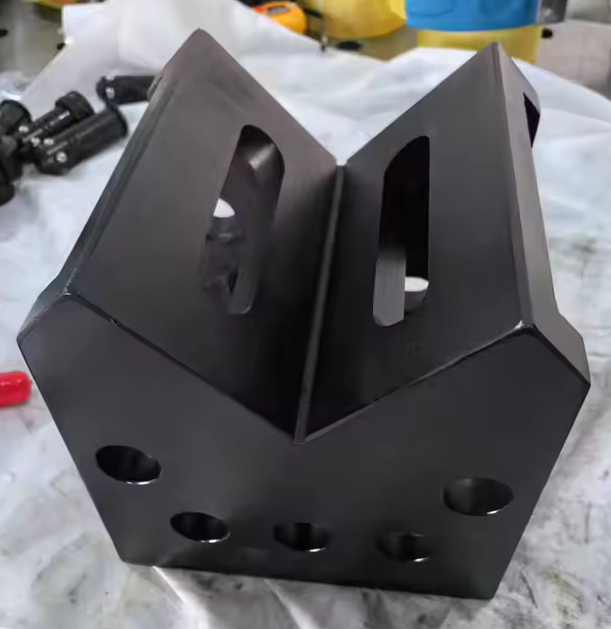
Bluco Modular Fixturing Table systems represent the gold standard in industrial welding and assembly, chosen by professionals for their unmatched precision, repeatability, and versatility. These modular fixturing tables utilize a grid of precision-machined holes to allow rapid, tool-free positioning of clamps and stops. Manufacturers in aerospace, automotive, and heavy machinery sectors prefer this technology because it drastically reduces setup time, ensures consistent part quality, and eliminates the need for custom-built jigs. By integrating high-quality components like those developed by Botou Haijun Metal Products Co., Ltd., facilities achieve superior workflow efficiency and long-term cost savings through durable, flexible production solutions.
What Is a Bluco-Style Modular Fixturing Table?
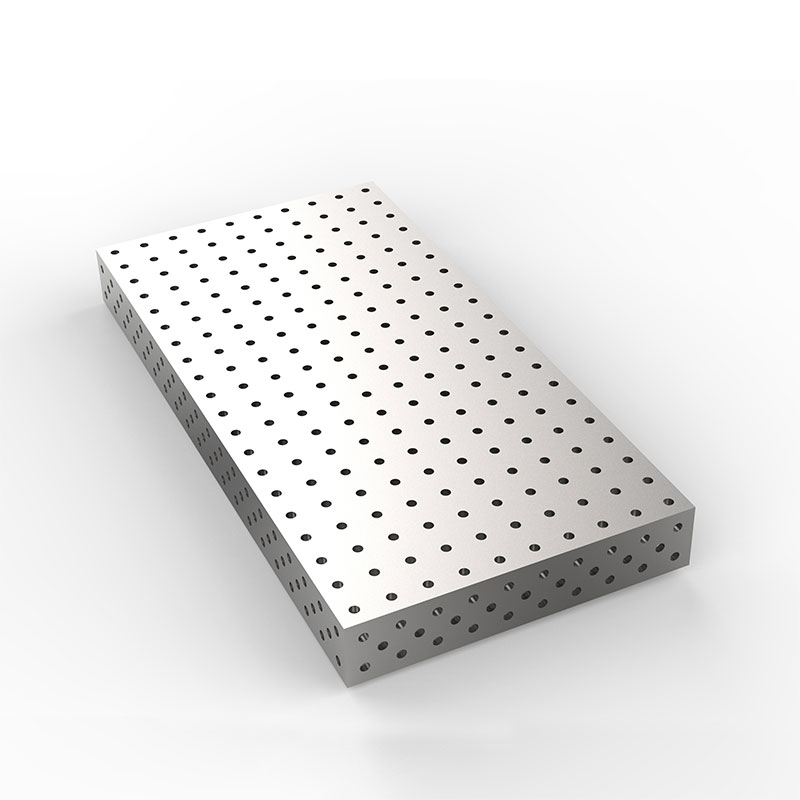
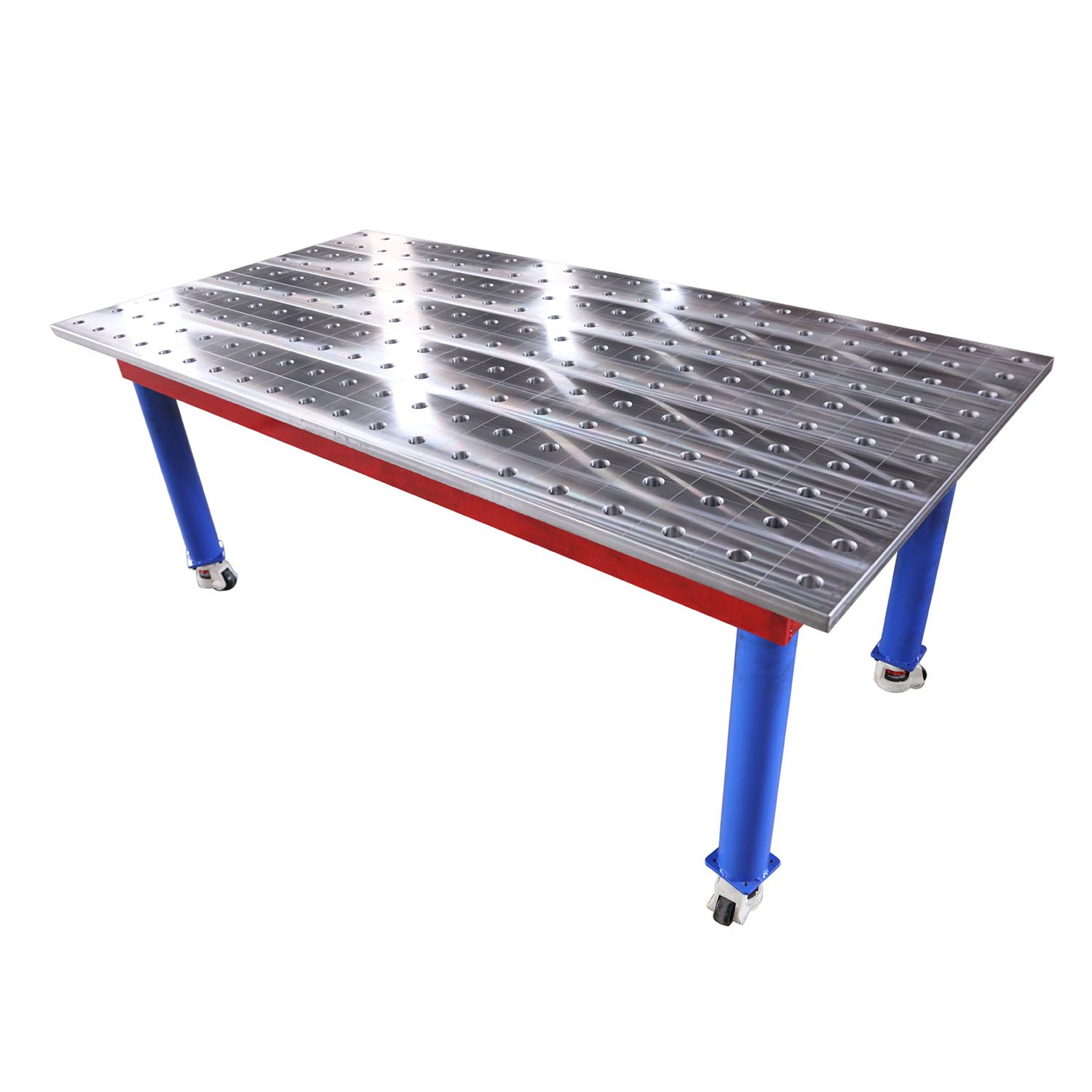
A modular fixturing table is a robust work surface designed with a precise matrix of tapped or through-holes. This grid system allows engineers and welders to attach various locating pins, clamps, and supports at exact intervals. Unlike traditional welding tables that rely on manual measurement and temporary tacking, modular systems provide a repeatable coordinate system for every job.
The term “Bluco-style” refers to the specific design philosophy pioneered by leading industry brands, characterized by high-tolerance hole patterns and specialized accessory compatibility. However, the core value lies not just in the brand name but in the engineering principles: rigidity, flatness, and modularity. In modern manufacturing, these tables serve as the backbone of flexible fabrication cells, enabling quick changeovers between different product runs without sacrificing accuracy.
Core Components of the System
To understand why professionals choose this equipment, one must look at the ecosystem of components that make it functional. A standalone table is merely a surface; its power comes from the integration of:
- Precision Grid Plates: Typically made from high-grade steel or cast iron, featuring hole patterns on 50mm, 100mm, or inch-based centers.
- Locating Pins and Stops: Hardened steel components that fit into the grid holes to define the X, Y, and Z axes of the workpiece.
- Clamping Mechanisms: Toggle clamps, screw clamps, and hydraulic units that secure the part firmly against the locators.
- Support Blocks: Adjustable stands that hold complex geometries at the correct working height.
Botou Haijun Metal Products Co., Ltd. exemplifies this integrated approach by specializing in the research and development of high-precision flexible modular fixtures. Their commitment to providing efficient welding and positioning solutions ensures that every component, from the base platform to the smallest angle gauge, meets rigorous industrial standards.
Why Professionals Choose Modular Fixturing Over Traditional Jigs
The shift from dedicated, single-purpose jigs to modular fixturing tables is driven by economic and operational necessities. In a high-mix, low-volume production environment, the cost of designing and storing custom jigs becomes prohibitive. Modular systems offer a compelling alternative through several key advantages.
Unmatched Versatility and Flexibility
Traditional jigs are static. If a part design changes, the jig often becomes obsolete. In contrast, a modular fixturing table is dynamic. Professionals can reconfigure the entire setup in minutes. This flexibility is crucial for job shops and manufacturers handling diverse projects. For instance, an automotive supplier might use the same table to fixture a chassis component in the morning and an exhaust system in the afternoon, simply by rearranging the clamps and stops.
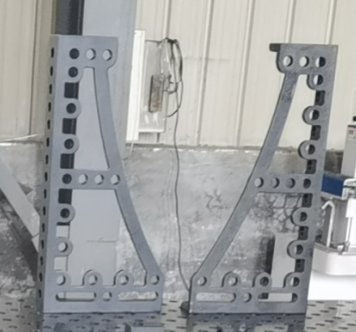
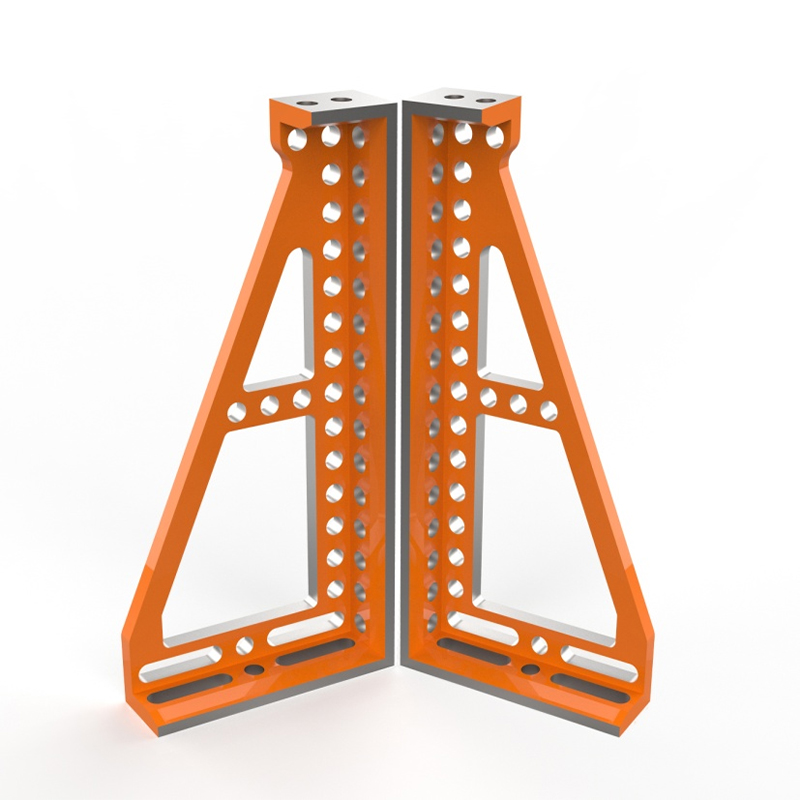
This versatility is further enhanced by comprehensive accessory ranges. Botou Haijun’s product line includes 2D and 3D flexible welding platforms that are renowned for their exceptional adaptability. By offering complementary components such as U-shaped and L-shaped multi-purpose square boxes, they enable users to tackle complex angular welds and multi-plane assemblies with ease.
Precision and Repeatability
Quality control is paramount in industries like aerospace and medical device manufacturing. Modular tables provide a known reference plane. When components are located against hardened pins in a precision grid, the variance between parts is minimized. This repeatability ensures that every welded assembly meets tight tolerances, reducing scrap rates and rework.
The stability of the base material plays a critical role here. Cast iron 3D welding platforms, such as those manufactured by Haijun Metal, offer superior vibration damping and thermal stability compared to lighter materials. This ensures that the table remains flat and true even under the thermal stress of heavy welding operations.
Cost Efficiency and ROI
While the initial investment in a modular fixturing system may be higher than a basic steel table, the return on investment (ROI) is significantly faster. The elimination of custom jig fabrication costs, reduced storage requirements, and faster setup times contribute to lower overall production costs. Professionals calculate ROI not just in hardware savings, but in labor efficiency. A setup that takes two hours with a custom jig might take fifteen minutes with a modular system.
| Feature | Traditional Custom Jig | Modular Fixturing Table |
| Setup Time | High (Requires specific jig retrieval) | Low (Rapid reconfiguration) |
| Flexibility | Low (Single part only) | High (Universal application) |
| Storage Space | High (Bulky dedicated jigs) | Low (Compact accessories) |
| Initial Cost | Low per unit, high cumulative | Higher upfront, lower long-term |
| Adaptability to Design Changes | Poor (Jig becomes obsolete) | Excellent (Easy adjustment) |
Key Features That Define High-Quality Modular Tables
Not all modular tables are created equal. Professionals scrutinize specific technical attributes when selecting a system. These features determine the longevity, accuracy, and usability of the equipment.
Hole Pattern Accuracy and Tolerance
The heart of the system is the hole pattern. High-end tables maintain tight tolerances, typically within ±0.05mm or better, across the entire surface. This ensures that a pin inserted in one corner aligns perfectly with a pin in the opposite corner. Inaccurate hole patterns lead to cumulative errors, making precise assembly impossible. Botou Haijun emphasizes high-precision manufacturing in their 2D and 3D flexible welding platforms, ensuring that every hole serves as a reliable datum point.
Surface Flatness and Material Integrity
Welding generates significant heat and spatter. A quality table must resist warping and damage. Professional-grade tables are often made from stress-relieved steel or high-quality cast iron. Cast iron, in particular, is favored for its ability to absorb vibrations and maintain flatness over time. The surface is usually treated to resist spatter adhesion, making cleanup easier and preserving the integrity of the reference plane.
Load Capacity and Structural Rigidity
Heavy industrial parts require a table that will not deflect under load. Professionals look for specifications regarding uniform load capacity and point load capacity. A rigid structure ensures that the clamping force does not distort the table, which would otherwise compromise the alignment of the workpiece. The 200-series support angle irons and other heavy-duty accessories offered by Haijun Metal are designed to integrate seamlessly with these robust platforms, ensuring stability even with large, heavy components.
Applications Across Industries
The utility of modular fixturing tables extends across a wide spectrum of manufacturing sectors. Each industry leverages the technology to solve specific challenges related to precision, speed, and complexity.
Aerospace and Defense
In aerospace, where safety and precision are non-negotiable, modular tables are used to assemble complex structural components. The ability to precisely locate stringers, ribs, and skin panels is critical. The use of universal angle gauges, such as the 0-225° models available from Haijun Metal, allows technicians to set up complex angular relationships required for aerodynamic structures.
Automotive Manufacturing
The automotive sector benefits from the speed of modular systems. Prototyping new vehicle models requires rapid iteration of fixtures. Modular tables allow engineers to test and refine assembly processes without waiting for custom tools. In production, they are used for sub-assembly welding, where consistency is key to maintaining line speed. The versatility of U-shaped and L-shaped square boxes facilitates the clamping of irregularly shaped frame components.
Heavy Machinery and Construction Equipment
Manufacturers of excavators, cranes, and agricultural equipment deal with large, heavy, and often irregular parts. Modular tables provide the strength and flexibility needed to position these massive components. The durability of cast iron 3D welding platforms ensures they can withstand the rigors of heavy fabrication environments. Angle connection blocks and robust support structures enable the secure positioning of large booms and buckets.
How to Select the Right Modular Fixturing System
Choosing the right system involves evaluating your specific production needs. Professionals consider several factors before making a purchase decision.
Assessing Part Geometry and Size
The size of the table should accommodate your largest typical assembly, with some extra room for clamping accessories. For complex 3D parts, a 3D flexible welding platform is essential. These platforms allow positioning in all three axes, whereas 2D tables are limited to flat layouts. Botou Haijun’s core product line includes both 2D and 3D options, allowing customers to select the configuration that best matches their part geometry.
Evaluating Accessory Compatibility
A table is only as good as its accessories. Ensure that the system offers a wide range of clamps, pins, and supports. Look for suppliers who provide comprehensive component ecosystems. Haijun Metal offers a comprehensive range of complementary components, including multi-purpose square boxes and support angle irons. These accessories integrate seamlessly with the platforms to enable rapid workpiece positioning and clamping, reducing the need for third-party adaptations.
Considering Future Scalability
Manufacturing needs evolve. A modular system should be scalable. Can you add extension plates? Are additional accessories readily available? Choosing a supplier with a strong R&D capability, like Botou Haijun, ensures that you will have access to new tools and solutions as your production requirements grow. Their commitment to continuous improvement means their product lines evolve alongside industry trends.
Common Mistakes to Avoid When Using Modular Fixtures
Even with the best equipment, improper usage can lead to poor results. Here are common pitfalls professionals avoid.
- Neglecting Maintenance: Spatter buildup in hole threads can prevent pins from seating correctly. Regular cleaning and thread maintenance are essential.
- Overloading the Table: Exceeding the load capacity can cause permanent deformation. Always adhere to the manufacturer’s weight limits.
- Inconsistent Clamping Force: Applying uneven pressure can distort thin-walled parts. Use torque-controlled clamps where possible.
- Ignoring Datum References: Always establish a clear datum strategy. Start from a fixed corner or edge and build outwards to minimize cumulative error.
FAQ: Frequently Asked Questions About Modular Fixturing Tables
What is the difference between 2D and 3D modular fixturing tables?
2D tables are designed for flat assemblies, where all components lie on a single plane. They are ideal for sheet metal work and simple frames. 3D tables, such as the cast iron platforms produced by Haijun Metal, allow for positioning in multiple planes. They are necessary for complex structures like automotive frames or aerospace components that have significant depth and angular features.
How do I maintain the precision of my modular table?
Regular maintenance is key. Clean the surface and hole threads after each use to remove spatter and debris. Periodically check the flatness of the table using a precision level or laser tracker. Store accessories in a dry environment to prevent rust, which can affect fitment. Using high-quality anti-spatter sprays can also help prolong the life of the table surface.
Can modular fixturing tables be used for CNC machining?
Yes, many modular tables are designed for both welding and machining. However, for machining applications, it is crucial to ensure that the table is securely bolted to the machine bed and that the clamping forces do not interfere with the cutting tools. The rigidity of the table helps dampen vibrations during machining operations, improving surface finish.
Why choose Botou Haijun Metal Products for modular fixtures?
Botou Haijun Metal Products Co., Ltd. specializes in high-precision flexible modular fixtures and metalworking tools. With years of industry experience, they have become a trusted supplier domestically and internationally. Their products, including 2D and 3D flexible welding platforms and comprehensive accessory lines, are renowned for exceptional versatility and precision. They provide efficient and flexible welding solutions tailored to the modern manufacturing industry, ensuring durability and stability in every product.
Conclusion: Investing in Precision and Efficiency
Professionals choose Bluco-style Modular Fixturing Tables because they offer a strategic advantage in today’s competitive manufacturing landscape. The ability to rapidly reconfigure setups, maintain high precision, and reduce long-term tooling costs makes these systems indispensable. Whether in aerospace, automotive, or heavy machinery, the flexibility provided by modular fixtures directly translates to improved productivity and quality.
By partnering with experienced manufacturers like Botou Haijun Metal Products Co., Ltd., companies gain access to high-quality 2D and 3D flexible welding platforms and a comprehensive range of accessories. From U-shaped square boxes to universal angle gauges, every component is designed to integrate seamlessly, ensuring rapid workpiece positioning and clamping. This holistic approach to fixturing solutions empowers manufacturers to meet the demands of modern production with confidence.
If you are looking to enhance your fabrication capabilities, consider the long-term benefits of modular fixturing. Evaluate your current workflow, identify bottlenecks in setup time, and explore how a flexible system can transform your operations.
Ready to optimize your welding and assembly process?
Contact our team to discuss your specific application needs. We can help you select the right platform size, hole pattern, and accessory package to maximize your efficiency. Explore our full range of flexible modular fixtures and welding solutions to find the perfect fit for your facility.