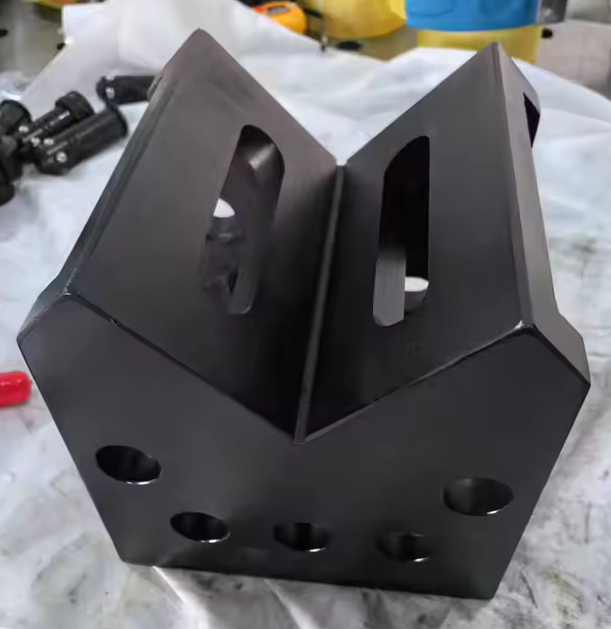
An Assembly Workbench for Manufacturing Lines is a precision-engineered modular platform designed to secure, position, and support components during fabrication, welding, and assembly processes. Unlike traditional static tables, modern assembly workbenches utilize grid-patterned surfaces with standardized hole spacing (typically 50mm or 100mm) to accommodate flexible clamping systems. This modularity allows manufacturers in automotive, aerospace, and heavy machinery sectors to rapidly reconfigure fixtures for different product variants without dedicated tooling costs. By integrating high-precision locating pins, angle supports, and quick-action clamps, these workbenches ensure repeatable accuracy, reduce setup time by up to 80%, and significantly improve overall production efficiency.
What Is an Assembly Workbench and Why Is It Critical for Modern Manufacturing?
In the context of lean manufacturing and Industry 4.0, the assembly workbench has evolved from a simple steel table into a sophisticated flexible fixture system. It serves as the foundational infrastructure for “one-piece flow” and mixed-model production lines. The core value proposition lies in its ability to replace dedicated, single-purpose jigs with a universal platform that can be adapted via modular accessories.
For engineering managers and production planners, understanding the mechanical integrity of these benches is vital. They are typically constructed from high-grade structural steel or cast iron to resist deformation under heavy loads. The surface is often hardened and ground to ensure flatness tolerances within ±0.05mm over a square meter, which is crucial for maintaining geometric dimensioning and tolerancing (GD&T) standards during assembly.
The Shift from Dedicated Jigs to Flexible Modular Systems
Traditionally, manufacturers invested heavily in dedicated welding jigs for each product model. This approach created significant bottlenecks when product designs changed or when producing low-volume, high-variety batches. An assembly workbench eliminates this rigidity.
- Rapid Changeover: Operators can swap out clamping positions in minutes rather than hours, supporting Just-In-Time (JIT) manufacturing principles.
- Space Optimization: A single modular workbench can handle multiple product families, reducing the floor space required for storing obsolete dedicated fixtures.
- Cost Efficiency: While the initial investment in a high-quality modular platform may be higher than a basic table, the long-term savings in tooling maintenance and storage are substantial.
Key Components of a High-Performance Assembly Workbench
To achieve the precision required in sectors like aerospace and automotive manufacturing, an assembly workbench is not just a table; it is an integrated ecosystem of components. Each element plays a specific role in ensuring stability, accuracy, and ease of use.
1. The Base Platform: 2D vs. 3D Configurations
The choice between 2D and 3D platforms depends on the complexity of the assembly.
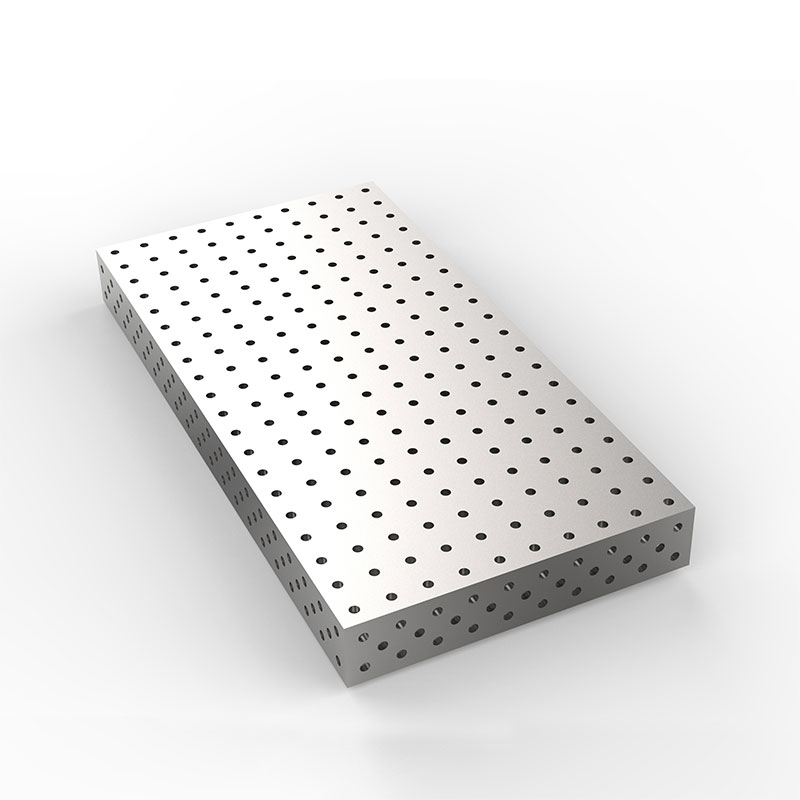
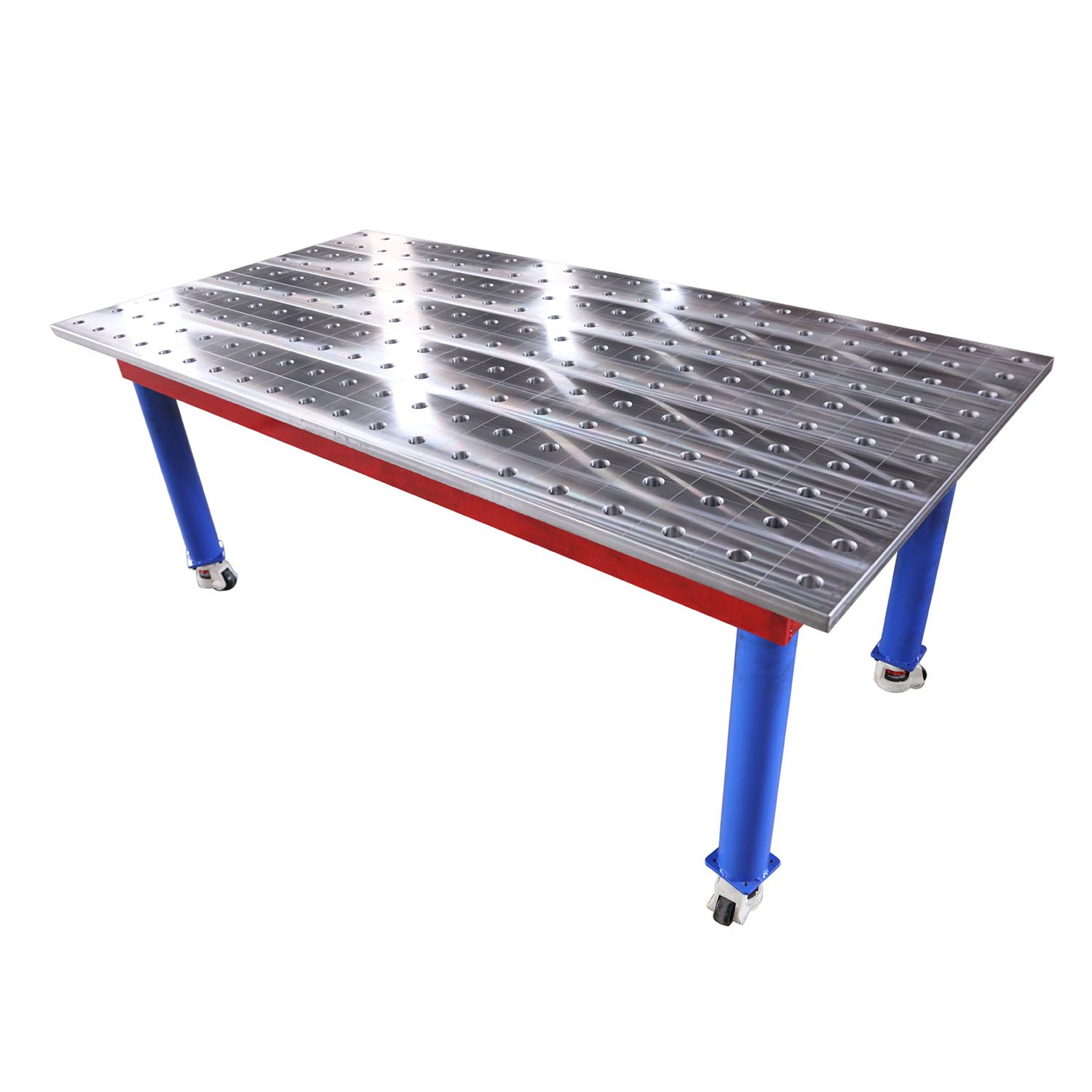
- 2D Flexible Welding Platforms: Ideal for flat assemblies or planar welding tasks. These feature a grid of holes on a single horizontal plane. They are commonly used in sheet metal fabrication and frame assembly where vertical positioning is less critical.
- 3D Flexible Welding Platforms: Designed for complex, multi-dimensional structures. These systems allow clamping and positioning from multiple angles (top, side, and vertical). They are essential for assembling chassis, engine blocks, or intricate aerospace components where spatial geometry must be strictly controlled.
At Botou Haijun Metal Products Co., Ltd., the core product line specializes in these high-precision 2D and 3D flexible welding platforms. Renowned for their exceptional versatility, these platforms serve as the backbone for efficient welding and positioning solutions. The company’s expertise ensures that every base unit delivers the durability required for continuous industrial use.
2. Modular Clamping and Positioning Accessories
The true power of an assembly workbench lies in its accessories. These components interact with the platform’s grid holes to secure workpieces.
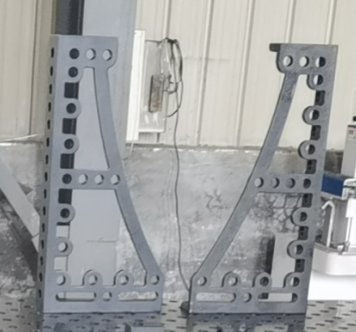
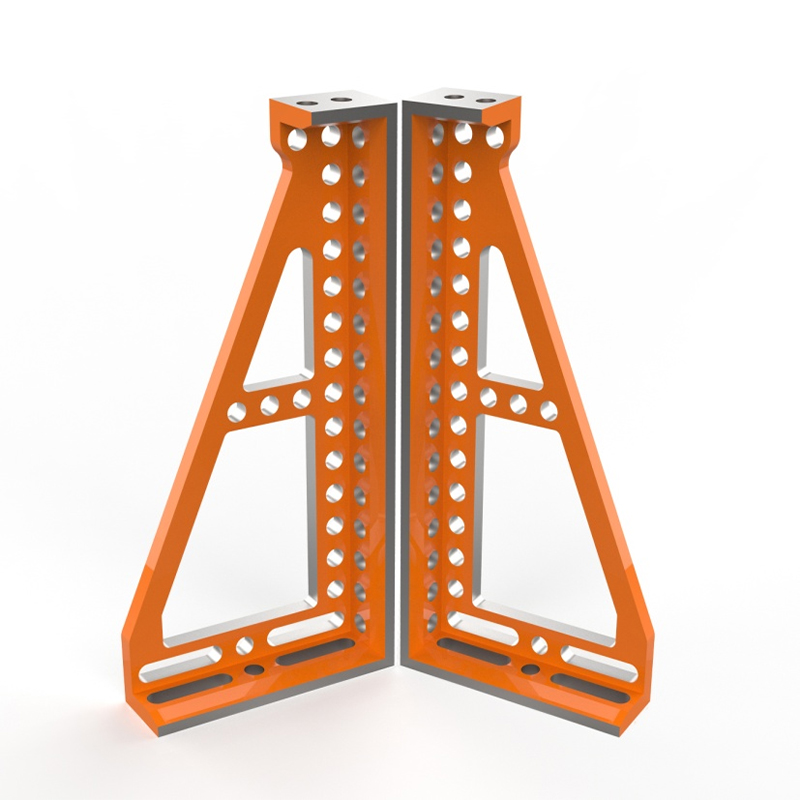
- Square Boxes (U-shaped and L-shaped): These multi-purpose blocks provide vertical referencing and support. U-shaped boxes allow for internal clamping, while L-shaped boxes offer robust corner support for right-angle assemblies.
- Support Angle Irons: The 200-series support angle irons are critical for stabilizing irregularly shaped parts. They prevent movement during welding or machining, ensuring that thermal distortion does not compromise alignment.
- Universal Angle Gauges: Precision tools like the 0-225° universal angle gauge allow operators to set and verify exact angles. This is particularly important in industries where angular tolerance is tight, such as in the construction of robotic arms or vehicle frames.
These accessories integrate seamlessly with Haijun Metal’s platforms, enabling rapid workpiece positioning and clamping. The compatibility between the base platform and these complementary components is engineered to minimize play and maximize rigidity.
3. Material Integrity: Cast Iron and Steel Alloys
For heavy-duty applications, the material of the workbench dictates its lifespan and stability. Cast iron 3D welding platforms are preferred for their natural vibration damping properties. This reduces the transmission of external vibrations to the workpiece, which is crucial for high-precision machining and measurement tasks.
Additionally, angle connection blocks manufactured from hardened steel ensure that joints remain rigid under torque. Haijun Metal’s commitment to producing professional cast iron 3D welding platforms ensures that every product delivers exceptional durability and stability, even in harsh manufacturing environments.
Technical Specifications and Selection Criteria
Selecting the right assembly workbench requires a detailed analysis of technical parameters. Engineers must consider load capacity, hole pattern precision, and surface treatment to match their specific production needs.
| Parameter | Standard Industrial Grade | Precision Aerospace Grade | Impact on Production |
| Surface Flatness | ±0.1 mm / m² | ±0.05 mm / m² | Determines final assembly accuracy and fit-up quality. |
| Hole Spacing | 50 mm or 100 mm | 50 mm (High Density) | Affects the flexibility of clamp positioning and resolution. |
| Material | Q345 Structural Steel | HT250 Cast Iron / Hardened Steel | Influences vibration damping and wear resistance. |
| Load Capacity | 500 – 1000 kg/m² | 1000+ kg/m² | Critical for heavy component assembly without deflection. |
| Surface Treatment | Painted / Powder Coated | Nickel Plated / Hard Anodized | Protects against corrosion and reduces friction for sliding components. |
Understanding Hole Patterns and Tolerances
The grid pattern is the interface between the workbench and the tooling. A standard 50mm pitch offers a good balance between flexibility and structural integrity. However, for extremely large assemblies, a 100mm pitch may provide better support density. The tolerance of these holes is paramount; if the hole positions drift, the entire fixture system loses its repeatability.
High-quality manufacturers, such as Botou Haijun Metal Products, employ CNC machining centers to drill and ream these holes with strict adherence to positional tolerances. This ensures that any accessory placed on the bench will align perfectly with the digital CAD model of the assembly.
Applications Across Key Industries
The versatility of modular assembly workbenches makes them indispensable across various high-tech manufacturing sectors. Their ability to adapt to different geometries and materials drives their widespread adoption.
Automotive Manufacturing
In the automotive sector, production lines often switch between different car models or body styles. Assembly workbenches allow for the rapid reconfiguration of welding fixtures for door frames, chassis sub-assemblies, and exhaust systems. The use of 3D platforms enables the precise alignment of curved body panels, ensuring gap consistency and proper fitment before final welding.
Aerospace and Aviation
Aerospace components demand the highest levels of precision and traceability. Assembly workbenches made from cast iron or hardened steel provide the stability needed for assembling turbine blades, wing structures, and landing gear components. The vibration-damping properties of these materials prevent micro-movements that could lead to defective welds or misaligned rivet holes.
Machinery and Heavy Equipment
For manufacturers of agricultural machinery, construction equipment, and industrial robots, assembly workbenches support the fabrication of large, heavy structural frames. The high load-bearing capacity of these benches ensures that heavy steel plates and beams remain stationary during tack welding and final joinery. Accessories like heavy-duty angle irons and support blocks are frequently used to hold these massive components in place.
With years of industry experience, Haijun Metal has become a trusted supplier of tools and gauges to customers both domestically and internationally. Their products are specifically engineered to meet the rigorous demands of these diverse industries, providing high-quality production machinery tool series that enhance operational reliability.
Step-by-Step Guide: Setting Up an Assembly Fixture
To maximize the efficiency of an assembly workbench, operators should follow a standardized setup procedure. This ensures consistency and reduces the risk of errors.
- Review the Digital Layout: Begin by analyzing the CAD drawing or digital twin of the assembly. Identify key datum points and critical dimensions that need to be maintained.
- Clean the Platform: Remove any debris, spatter, or dust from the workbench surface and holes. A clean surface is essential for accurate seating of accessories.
- Install Primary Locators: Place the main square boxes or angle supports at the primary datum points identified in the design. Secure them tightly using the appropriate clamps.
- Position Secondary Supports: Add support angle irons and auxiliary blocks to prevent sagging or twisting of the workpiece. Ensure that all supports are contacting the part firmly.
- Place the Workpiece: Carefully lower the components onto the fixture. Use shims if necessary to achieve perfect levelness.
- Clamp and Verify: Apply clamps to secure the workpiece. Use universal angle gauges and dial indicators to verify that all angles and positions match the specifications.
- Execute the Process: Proceed with welding, drilling, or assembly. Monitor the fixture for any signs of movement or stress during the operation.
Common Mistakes and How to Avoid Them
Even with high-quality equipment, improper usage can lead to inaccuracies. Being aware of common pitfalls can significantly improve output quality.
- Over-tightening Clamps: Excessive force can distort thin-walled components or damage the workbench surface. Use torque-controlled clamps where possible.
- Ignoring Thermal Distortion: Welding generates heat, which causes expansion and contraction. Plan the clamping sequence to allow for controlled movement, or use fixtures that compensate for thermal shrinkage.
- Neglecting Maintenance: Accumulated weld spatter in the grid holes can prevent accessories from seating correctly. Regular cleaning and inspection are mandatory.
- Mismatched Accessories: Using accessories from different manufacturers without verifying compatibility can lead to poor fit and reduced precision. Stick to a unified system, such as the comprehensive range offered by Haijun Metal, to ensure seamless integration.
Maintenance Best Practices for Longevity
An assembly workbench is a long-term investment. Proper maintenance extends its service life and maintains its precision.
- Daily Cleaning: Remove all tools, clamps, and debris at the end of each shift. Wipe down the surface with a non-corrosive cleaner.
- Lubrication: Apply a light coat of anti-rust oil to the surface and moving parts of clamps. This prevents oxidation and ensures smooth operation.
- Periodic Calibration: Check the flatness and hole alignment annually using precision measuring instruments. If deviations are found, professional resurfacing or repair may be required.
- Inspection of Accessories: Regularly inspect square boxes, angle irons, and clamps for wear and tear. Replace any damaged components immediately to maintain system integrity.
Frequently Asked Questions (FAQ)
What is the difference between a 2D and 3D assembly workbench?
A 2D workbench is designed for flat, planar assemblies and features a grid on a single horizontal surface. A 3D workbench allows for multi-directional clamping and positioning, making it suitable for complex, volumetric structures that require support from top, side, and vertical angles.
How do I choose the right hole spacing for my manufacturing line?
The choice depends on the size and complexity of your parts. A 50mm spacing offers higher flexibility for smaller, intricate parts, while 100mm spacing provides greater structural support for larger, heavier assemblies. Consider the frequency of fixture changes and the precision requirements of your products.
Can modular workbenches replace dedicated welding jigs entirely?
For low-to-medium volume production and mixed-model lines, modular workbenches can largely replace dedicated jigs. However, for very high-volume mass production of a single part, a dedicated jig may still offer faster cycle times. The modular approach is ideal for flexibility and cost reduction in dynamic manufacturing environments.
Why is cast iron preferred for high-precision workbenches?
Cast iron has excellent vibration damping properties, which absorbs energy from machining or welding processes. This stability prevents micro-vibrations from affecting the accuracy of the assembly. It also offers superior wear resistance compared to standard steel.
How does Botou Haijun Metal Products ensure the quality of their accessories?
Botou Haijun Metal Products Co., Ltd. specializes in the research and development of high-precision flexible modular fixtures. Their accessories, including U-shaped and L-shaped square boxes and universal angle gauges, are manufactured to strict tolerances to ensure seamless integration with their 2D and 3D platforms. This commitment to precision makes them a preferred supplier in the machining, automotive, and aerospace industries.
Conclusion: Enhancing Efficiency with Precision Assembly Solutions
An Assembly Workbench for Manufacturing Lines is more than just a workspace; it is a strategic asset that drives flexibility, precision, and efficiency in modern production. By transitioning from rigid, dedicated tooling to modular, flexible systems, manufacturers can respond faster to market changes, reduce operational costs, and improve product quality.
The integration of high-quality components—such as 2D and 3D flexible welding platforms, precision square boxes, and durable angle supports—is essential for achieving these benefits. Companies like Botou Haijun Metal Products Co., Ltd. provide the specialized expertise and product reliability needed to implement these systems effectively. Their comprehensive range of metalworking tools and fixtures supports the evolving needs of the global manufacturing sector, ensuring that every assembly task is performed with utmost accuracy.
For engineering teams looking to optimize their production lines, investing in a robust modular assembly system is a decisive step toward leaner, more agile manufacturing. Whether you are in the automotive, aerospace, or heavy machinery sector, the right workbench solution can transform your operational capabilities.
To explore how these modular solutions can be tailored to your specific production requirements, consider evaluating the technical specifications and compatibility of your current setup. Understanding the interplay between platform precision and accessory versatility is key to maximizing your return on investment.
→ For detailed technical parameters and customized fixture solutions, please review our product catalog and contact our engineering team for a consultation.