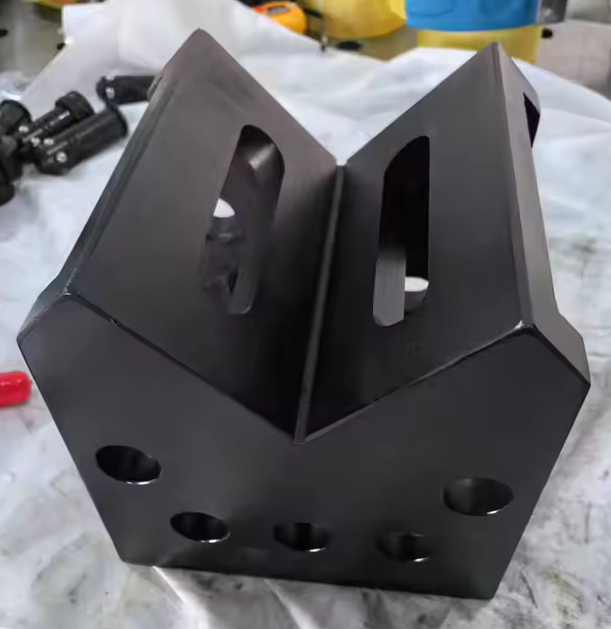
An adjustable welding table is a precision-engineered work surface designed to enhance welding accuracy by allowing dynamic positioning, clamping, and leveling of workpieces. Unlike static benches, these tables feature modular hole patterns and adjustable fixtures that enable welders to secure components at exact angles and heights. This flexibility minimizes distortion, reduces setup time, and ensures repeatable quality in complex fabrication tasks. For manufacturers seeking to improve welding precision, integrating a high-quality adjustable system is critical for maintaining tight tolerances and operational efficiency.
Why Precision Matters in Modern Welding Fabrication
In industries such as aerospace, automotive, and heavy machinery, welding precision is not merely a preference; it is a strict requirement. Even minor deviations in alignment can lead to structural weaknesses, assembly failures, or costly rework. Traditional welding setups often rely on manual measurement and temporary clamping, which introduces human error and inconsistency.
An adjustable welding table addresses these challenges by providing a standardized, rigid reference plane. When workpieces are secured to a stable, flat surface with precise locating points, the thermal distortion caused by welding heat is better managed. This results in tighter geometric tolerances and higher first-pass yield rates. For fabricators, the shift from static benches to modular, adjustable systems represents a fundamental upgrade in process control.
The Cost of Imprecision in Industrial Welding
Lack of precision leads to several downstream issues:
- Increased Rework: Misaligned parts require grinding, cutting, and re-welding, consuming labor and materials.
- Assembly Failures: Components that do not fit together correctly delay final assembly lines.
- Structural Integrity Risks: Poor alignment can create stress concentrations, compromising the safety of the final product.
- Extended Lead Times: Manual fitting and adjustment significantly slow down production cycles.
By utilizing an adjustable welding table, manufacturers mitigate these risks through consistent, repeatable positioning. The ability to lock components into place with verified accuracy ensures that every weld meets design specifications.
How Adjustable Welding Tables Improve Accuracy
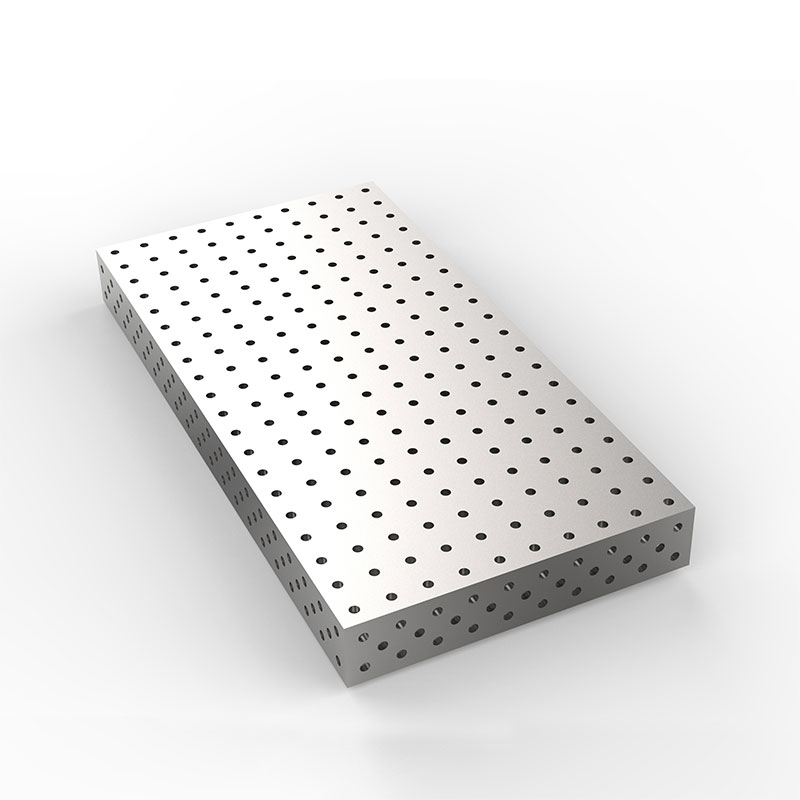
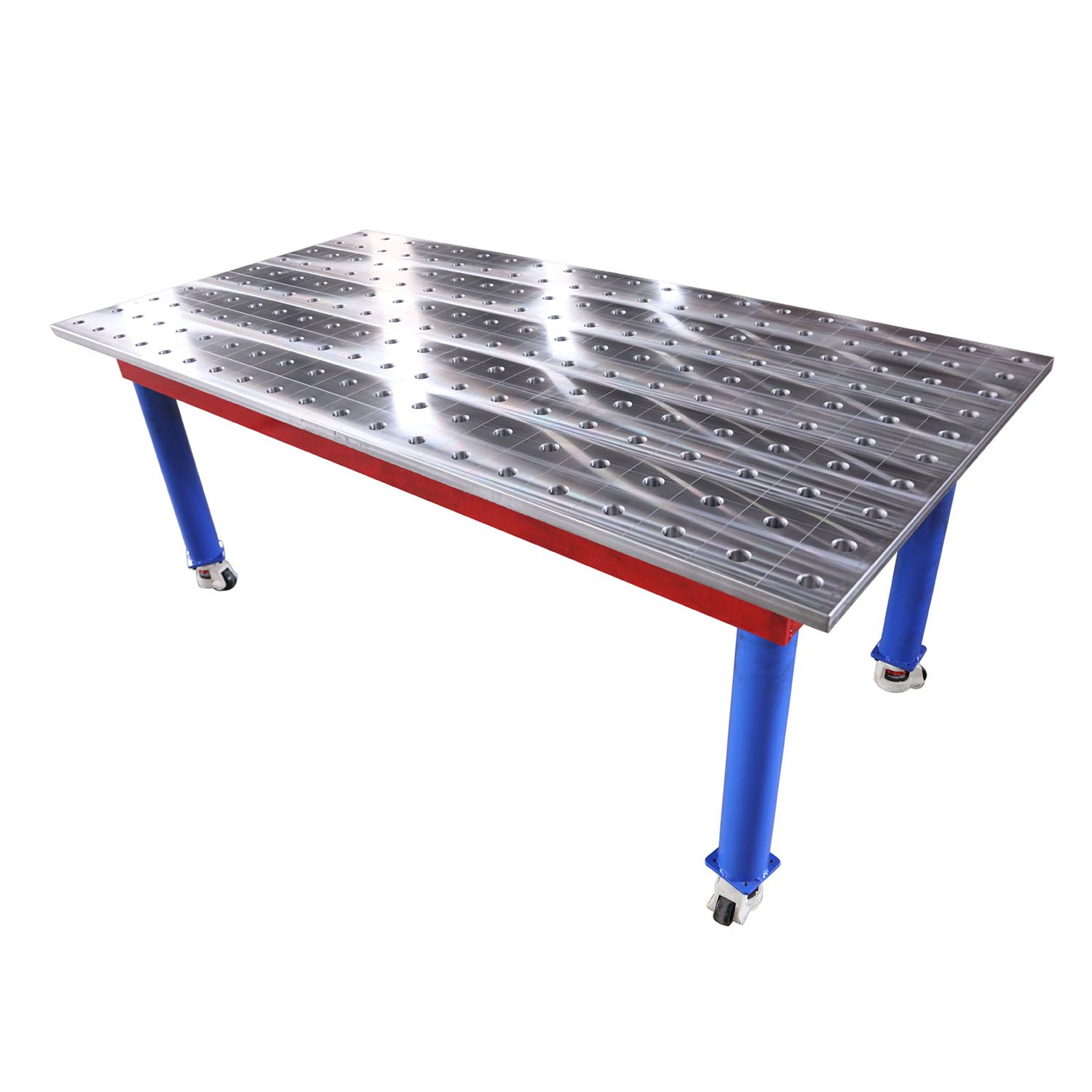
The core advantage of an adjustable welding table lies in its modularity and adaptability. These tables are engineered with a grid of precision-drilled holes or slots, allowing users to attach various clamping and positioning tools anywhere on the surface. This flexibility transforms a simple workbench into a versatile fixture platform.
Modular Fixturing and Rapid Setup
Traditional jigs are often custom-built for specific parts, making them expensive and inflexible. In contrast, adjustable tables use universal components that can be reconfigured for different projects in minutes. Key features include:
- Grid Patterns: Standardized hole spacing (e.g., 50mm or 100mm intervals) allows for precise coordinate-based positioning.
- Interchangeable Clamps: Quick-action clamps, angle brackets, and stoppers can be moved and locked securely without specialized tools.
- Leveling Mechanisms: Heavy-duty adjustable feet ensure the table remains perfectly horizontal, even on uneven workshop floors.
This modularity supports “one-piece flow” manufacturing, where small batches or custom orders can be processed efficiently without long setup times. The precision of the table’s surface directly translates to the precision of the welded assembly.
Enhanced Stability and Vibration Dampening
Welding processes, particularly MIG and stick welding, can introduce vibrations and mechanical stresses. A robust adjustable welding table provides the necessary mass and rigidity to absorb these forces. High-quality tables are constructed from thick steel plates or cast iron, ensuring that the surface does not flex under heavy loads. This stability prevents movement during the welding process, which is crucial for maintaining alignment on large or complex assemblies.
Key Features to Look for in High-Precision Welding Tables
When selecting an adjustable welding table, several technical specifications determine its effectiveness. Understanding these features helps buyers choose equipment that aligns with their production needs.
| Feature | Impact on Precision | Recommended Specification |
| Surface Flatness | Ensures workpieces sit level without gaps. | Tolerance within ±0.5mm over 1m². |
| Hole/Slot Pattern | Determines positioning flexibility and accuracy. | CNC-drilled holes with tight tolerances (H7/H8). |
| Material Thickness | Affects rigidity and resistance to warping. | Minimum 12-16mm for steel; cast iron for superior dampening. |
| Load Capacity | Supports heavy assemblies without deflection. | Rated for at least 1000kg per square meter. |
| Finish Treatment | Prevents rust and reduces spatter adhesion. | Hard-coated anodized or anti-spatter paint. |
The Role of Material: Steel vs. Cast Iron
Most adjustable welding tables are made from high-grade structural steel or cast iron. Steel tables are lightweight, durable, and cost-effective, making them suitable for general fabrication. However, for ultra-high precision applications, cast iron 3D welding platforms offer superior advantages. Cast iron has excellent vibration-dampening properties and maintains dimensional stability over time, resisting warping from thermal cycles. This makes it ideal for aerospace and precision machining sectors where microscopic deviations matter.
Botou Haijun Metal Products: Engineering Precision into Every Fixture
Achieving true welding precision requires more than just a flat surface; it demands a comprehensive ecosystem of high-quality tooling. Botou Haijun Metal Products Co., Ltd. specializes in the research, development, and production of high-precision flexible modular fixtures and metalworking tools. Committed to providing efficient and flexible welding and positioning solutions for the modern manufacturing industry, Haijun Metal has established itself as a trusted partner for companies demanding exactness.
The company’s core product line includes advanced 2D and 3D flexible welding platforms. Renowned for their exceptional versatility and precision, these products have become the preferred jigging equipment in the machining, automotive, and aerospace industries. Unlike generic tables, Haijun’s platforms are engineered to integrate seamlessly with a wide range of complementary components.
Integrated Solutions for Rapid Positioning
To maximize the utility of their welding tables, Botou Haijun offers a comprehensive suite of accessories. These include:
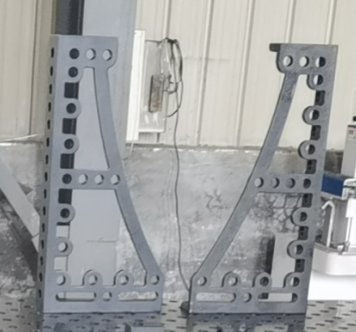
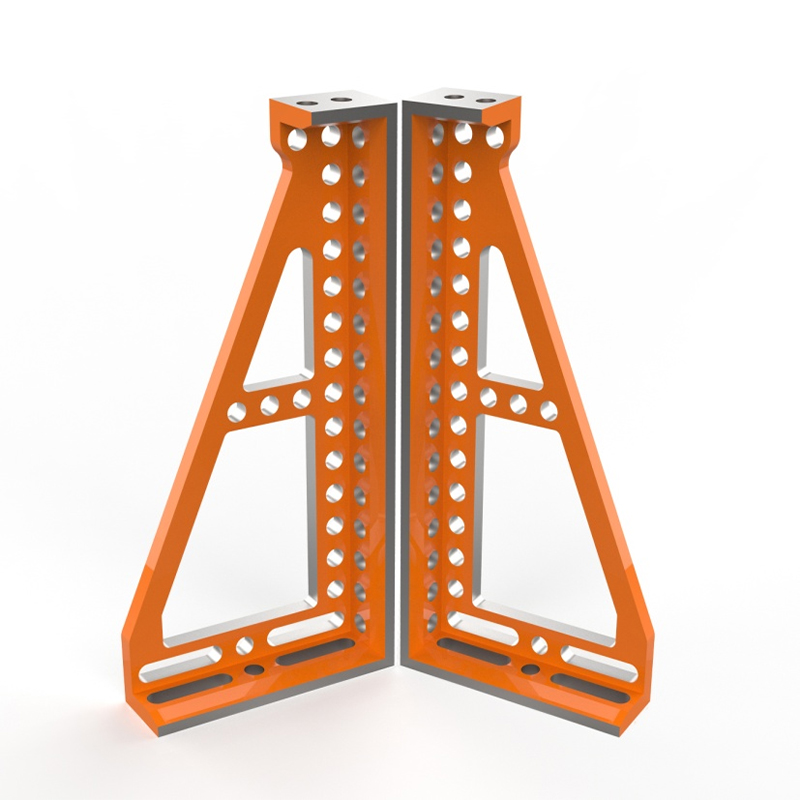
- U-shaped and L-shaped Multi-purpose Square Boxes: Essential for creating perfect 90-degree angles and supporting vertical assemblies.
- 200-series Support Angle Irons: Provide robust support for angled welding tasks and complex geometries.
- 0-225° Universal Angle Gauges: Allow for precise angular positioning, enabling welders to set up non-standard angles with confidence.
These accessories integrate seamlessly with the platforms to enable rapid workpiece positioning and clamping. Furthermore, the company manufactures professional cast iron 3D welding platforms and angle connection blocks, ensuring that every product delivers exceptional durability and stability. With years of industry experience, Haijun Metal continues to provide high-quality production machinery tool series to customers both domestically and internationally, focusing on solutions that reduce setup time while enhancing accuracy.
Step-by-Step Guide: Setting Up for Precision Welding
Using an adjustable welding table effectively requires a methodical approach. Following these steps ensures that you leverage the full potential of the equipment to improve welding precision.
Step 1: Level and Secure the Table
Before placing any workpiece, ensure the table is perfectly level. Use a precision spirit level to check the surface in both directions. Adjust the feet until the bubble is centered. A leveled table prevents gravity from pulling workpieces out of alignment during the welding process.
Step 2: Clean the Surface and Holes
Remove any welding spatter, dust, or debris from the table surface and the modular holes. Obstructions can prevent clamps and stops from seating correctly, leading to positioning errors. Regular maintenance of the hole pattern is critical for maintaining long-term precision.
Step 3: Plan the Fixture Layout
Review the engineering drawings of the part to be welded. Identify key datum points and alignment requirements. Place primary locators (such as square boxes or angle irons) at these points. Use the grid system to measure distances accurately, ensuring symmetry and correct dimensions.
Step 4: Clamp and Verify
Position the workpiece against the locators and secure it using appropriate clamps. Apply sufficient pressure to eliminate gaps but avoid excessive force that might distort thin materials. Use checking gauges or calipers to verify the position before starting the weld. This verification step is crucial for catching errors early.
Step 5: Execute Welding with Minimal Distortion
Begin welding using a sequence that minimizes heat buildup and distortion. For long seams, use a skip-welding technique or weld from the center outward. The rigidity of the adjustable table will help resist shrinkage forces, keeping the part within tolerance.
Common Mistakes That Compromise Welding Precision
Even with high-quality equipment, operator errors can negate the benefits of an adjustable welding table. Avoid these common pitfalls to maintain high standards.
- Ignoring Thermal Expansion: Metal expands when heated. Failing to account for this can lead to parts shifting or bowing. Use clamps strategically to allow for controlled movement if necessary.
- Over-tightening Clamps: Excessive clamping force can deform thin-gauge materials, causing misalignment once the part is released. Use torque-controlled clamps where possible.
- Neglecting Surface Maintenance: Allowing spatter to build up in the hole pattern reduces the accuracy of fixture placement. Clean the table after every shift.
- Using Worn Accessories: Clamps and stops wear over time. Regularly inspect tooling for signs of damage or wear that could affect positioning accuracy.
- Inconsistent Datum Reference: Always establish a consistent reference point (datum) for each job. Changing datums mid-process leads to cumulative errors.
Applications Across Industries
Adjustable welding tables are versatile tools used across various sectors. Their ability to improve precision makes them indispensable in high-stakes environments.
Aerospace and Aviation
In aerospace manufacturing, component tolerances are extremely tight. Haijun’s 3D flexible welding platforms are widely used to assemble aircraft structures, engine mounts, and landing gear components. The precision of the table ensures that every part meets rigorous safety and performance standards.
Automotive Manufacturing
Automotive producers rely on adjustable tables for prototyping and low-volume production of chassis components, exhaust systems, and frames. The quick changeover capability allows manufacturers to switch between different models efficiently, reducing downtime and increasing throughput.
Heavy Machinery and Equipment
For builders of agricultural, construction, and mining equipment, structural integrity is paramount. Adjustable tables facilitate the accurate assembly of large, heavy frames. The stability of the table ensures that large weldments remain aligned throughout the lengthy welding process.
Frequently Asked Questions (FAQ)
What is the difference between a 2D and a 3D welding table?
A 2D welding table is flat and primarily used for assembling parts in a single plane. It is ideal for sheet metal work and simple frames. A 3D welding table allows for positioning and clamping in multiple axes (X, Y, and Z). It is designed for complex, multi-dimensional assemblies, offering greater flexibility for intricate geometries.
How often should I calibrate my welding table?
While high-quality tables like those from Botou Haijun are built for stability, regular checks are recommended. Inspect flatness and hole alignment every 6-12 months, or more frequently in high-use environments. Immediate recalibration is needed if the table is impacted or dropped.
Can adjustable welding tables handle heavy loads?
Yes, industrial-grade adjustable welding tables are designed to support significant weight. Load capacity varies by model, but many professional tables can support over 1000kg per square meter. Always check the manufacturer’s specifications to ensure the table matches your workload.
Why is cast iron preferred for high-precision welding?
Cast iron offers superior vibration dampening compared to steel. This reduces the transmission of external vibrations to the workpiece, resulting in smoother, more accurate welds. Additionally, cast iron is less prone to warping under thermal stress, maintaining flatness over time.
How do I choose the right accessories for my welding table?
Select accessories based on the geometry of your workpieces. For right-angle assemblies, use square boxes and angle irons. For curved or irregular parts, use adjustable clamps and stops. Botou Haijun’s range of U-shaped boxes, support angle irons, and universal angle gauges provides comprehensive coverage for most fabrication needs.
Conclusion: Elevate Your Fabrication Standards
Improving welding precision is a strategic investment that pays dividends in quality, efficiency, and customer satisfaction. An adjustable welding table is not just a work surface; it is a foundational tool for modern manufacturing. By providing a stable, modular, and precise platform, these tables enable welders to achieve consistent results, reduce waste, and accelerate production cycles.
For businesses committed to excellence, partnering with a specialist like Botou Haijun Metal Products Co., Ltd. ensures access to top-tier flexible modular fixtures and metalworking tools. With their extensive range of 2D and 3D platforms, complemented by high-precision accessories like universal angle gauges and cast iron components, Haijun Metal provides the reliability and accuracy needed for demanding industrial applications.
Whether you are in aerospace, automotive, or general fabrication, upgrading to a professional adjustable welding system is the next logical step in optimizing your workflow. Evaluate your current setup, identify precision bottlenecks, and consider how a modular fixturing solution can transform your operations.
Ready to enhance your welding precision? Explore our comprehensive range of flexible welding platforms and accessories to find the perfect fit for your manufacturing needs.
View Related Products and Technical Solutions