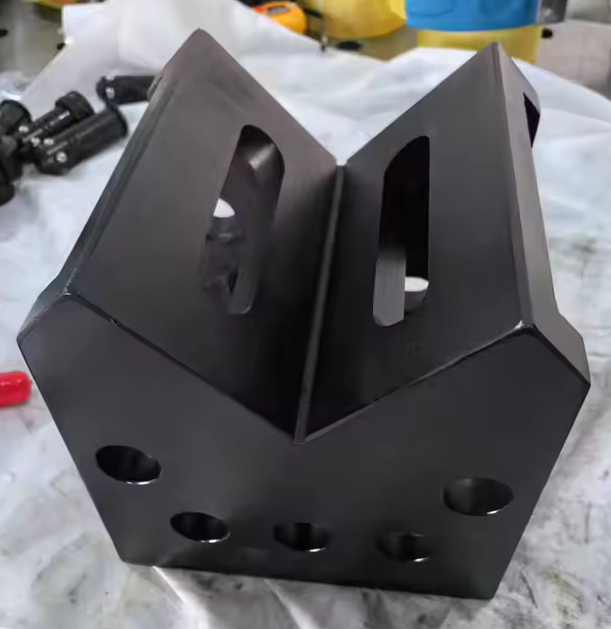
A 2×4 welding table serves as the foundational workbench for small-scale fabrication, DIY projects, and light industrial tasks. Constructed typically from square steel tubing or heavy-duty modular components, this setup provides a flat, stable surface essential for accurate welds. For professionals seeking precision beyond basic construction, integrating high-precision flexible modular fixtures transforms a standard 2×4 frame into a versatile positioning system. This guide details the optimal design, material selection, and accessory integration to maximize efficiency and accuracy in small welding projects.
What Is a 2×4 Welding Table and Why Does It Matter?
A 2×4 welding table refers to a workbench built using 2-inch by 4-inch rectangular steel tubing or designed to accommodate standard 2×4 dimensional lumber frameworks reinforced for metalwork. In the context of professional fabrication, however, the term often extends to modular tables featuring 2×4 inch grid patterns or structural supports that allow for extensive clamping and fixturing.
The primary function of this table is to provide a reference plane. Without a flat, rigid surface, welded assemblies are prone to distortion due to thermal expansion and contraction. A well-designed 2×4 table mitigates these risks by offering:
- Structural Rigidity: Resists bending under the weight of heavy steel plates or machinery.
- Heat Dissipation: Steel surfaces absorb and dissipate heat, reducing warping in thin-gauge materials.
- Clamping Versatility: Allows for secure fixation of workpieces, ensuring they remain stationary during the welding process.
For small projects, such as automotive repairs, furniture fabrication, or prototype development, the 2×4 configuration strikes an ideal balance between footprint size and functional workspace. It is compact enough for home garages yet robust enough for serious metallurgical work.
Core Components of an High-Performance 2×4 Welding Setup
Building or selecting the best 2×4 welding table requires understanding its core engineering elements. A superior setup is not merely a flat surface; it is an integrated system of support, positioning, and stability.
1. The Base Frame Structure
The foundation determines the table’s longevity. Most high-quality 2×4 tables utilize 11-gauge or thicker steel tubing. The frame should be fully welded at all joints to prevent racking (lateral movement). Cross-bracing is critical for larger spans to maintain flatness over time.
In modular systems, the base often supports a top plate with precision-drilled holes. This allows for the attachment of various tooling components. The rigidity of the base directly influences the accuracy of the welds. If the frame flexes, the alignment of the workpiece shifts, leading to defective joints.
2. The Work Surface: Flatness and Material
The top surface must be machined or ground to ensure true flatness. Common materials include:
- Mild Steel Plate: Cost-effective and easy to replace. Ideal for general-purpose welding where occasional surface damage is acceptable.
- Cast Iron: Offers superior vibration damping and heat resistance. It maintains flatness better than mild steel under thermal stress but is heavier and more brittle.
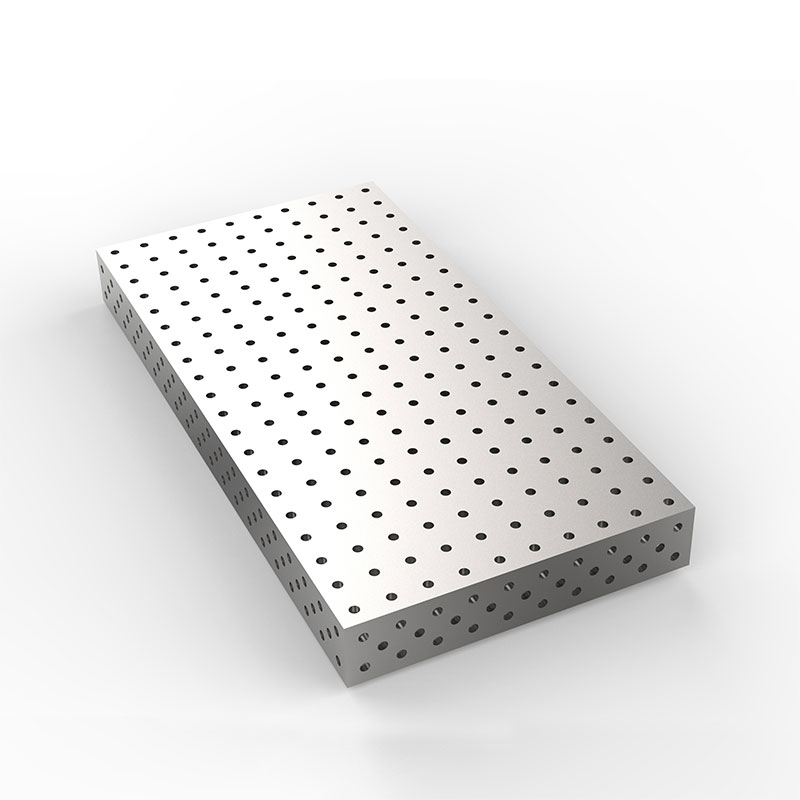
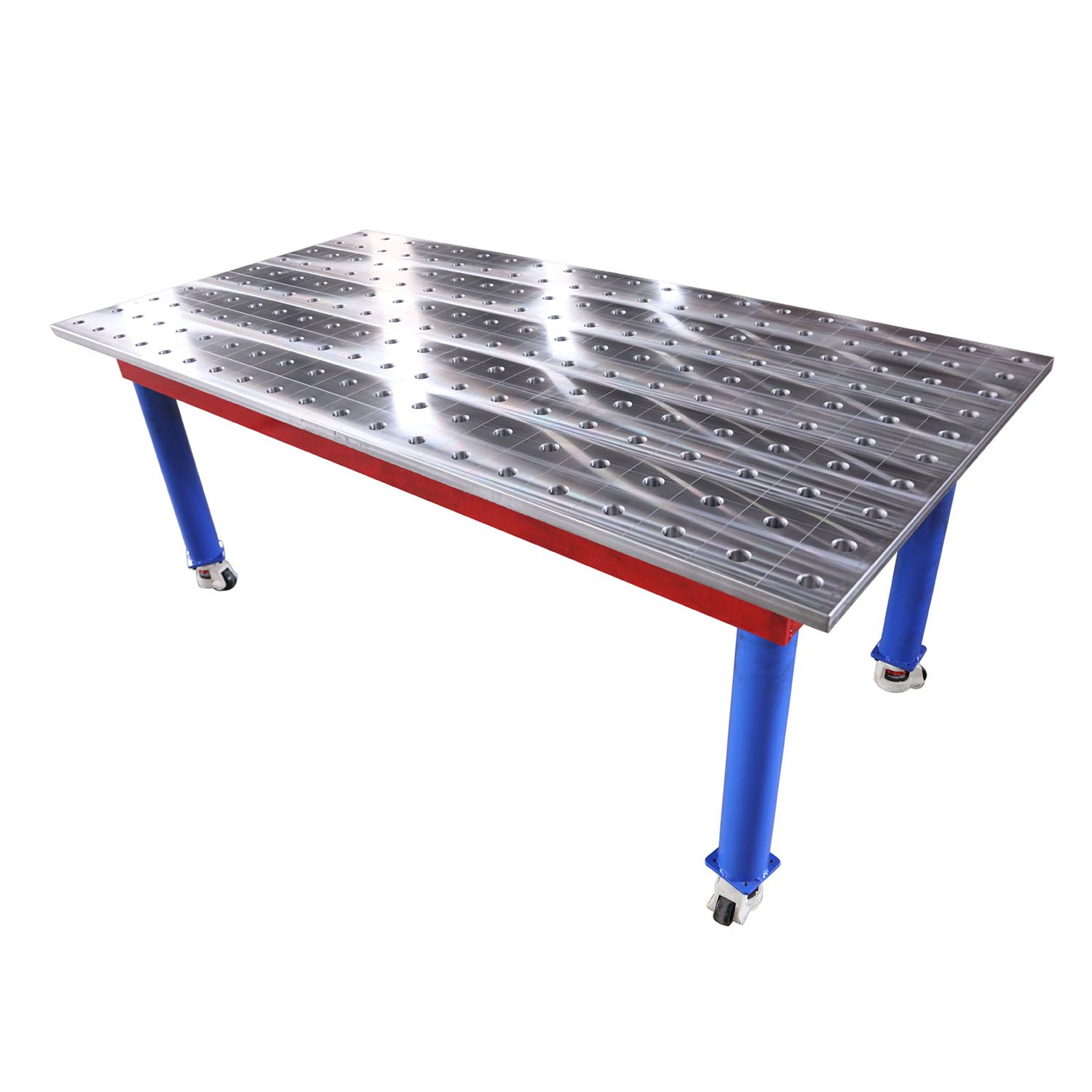
- Modular Grid Plates: Featuring a pattern of holes (e.g., 16mm or 28mm diameter), these surfaces allow for infinite positioning options. This is where advanced fixturing systems excel.
For small projects, a modular grid surface significantly reduces setup time. Instead of measuring and tacking every piece manually, fabricators can use stops and squares that lock into the grid, ensuring repeatable accuracy.
3. Leveling Feet and Stability
Even the flattest table is useless if it rocks on an uneven floor. Heavy-duty leveling feet are mandatory. These should be adjustable via threaded mechanisms, allowing for micro-adjustments to achieve perfect levelness. Locking nuts prevent accidental shifting during vigorous hammering or grinding.
Integrating Flexible Modular Fixtures for Precision
While a basic 2×4 frame provides support, the true efficiency of a modern welding station comes from its fixturing capabilities. This is where specialized engineering solutions transform a simple table into a high-precision manufacturing hub.
Botou Haijun Metal Products Co., Ltd. specializes in the research, development, and production of high-precision flexible modular fixtures and metalworking tools. Their approach focuses on providing efficient and flexible welding and positioning solutions for the modern manufacturing industry. By integrating their core product line of 2D and 3D flexible welding platforms, users can elevate a standard 2×4 setup to meet aerospace and automotive industry standards.
The Role of 2D and 3D Flexible Platforms
Traditional welding jigs are custom-built for specific parts, making them expensive and inflexible. In contrast, flexible modular systems use a standardized grid of holes to accept various clamps, stops, and squares. This modularity allows one table to handle thousands of different part geometries.
Haijun Metal’s 2D and 3D flexible welding platforms are renowned for their exceptional versatility and precision. These products have become the preferred jigging equipment in machining, automotive, and aerospace industries because they eliminate the need for custom fixture fabrication. For small projects, this means rapid prototyping without the overhead of dedicated tooling.
Essential Accessories for the 2×4 Setup
To fully leverage a modular 2×4 table, complementary components are necessary. These accessories integrate seamlessly with the platforms to enable rapid workpiece positioning and clamping:
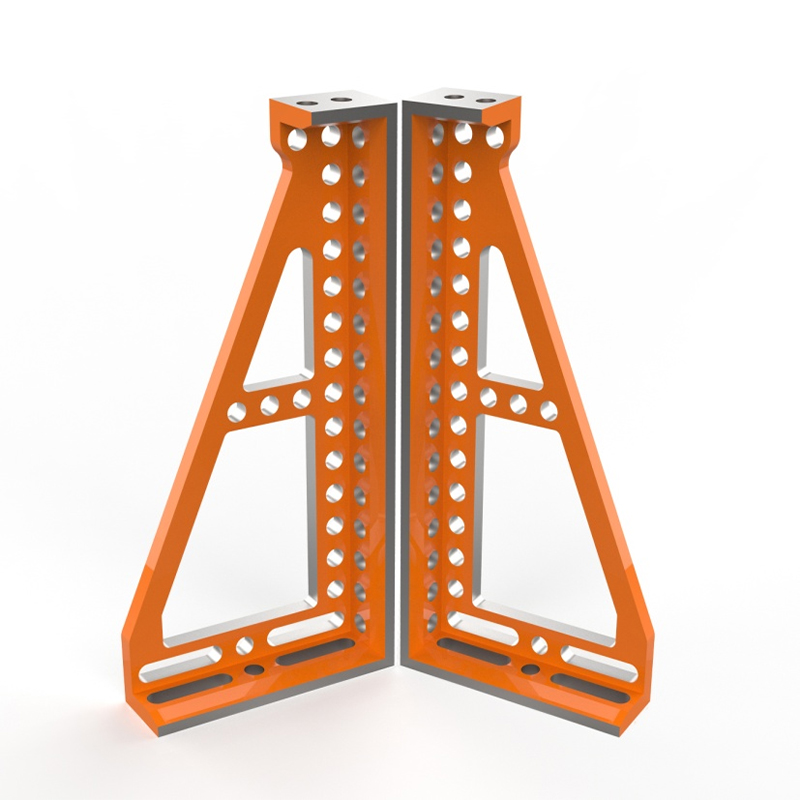
- U-shaped and L-shaped Multi-purpose Square Boxes: These tools provide precise 90-degree references. They are essential for assembling frames, boxes, and structural components where squareness is critical.
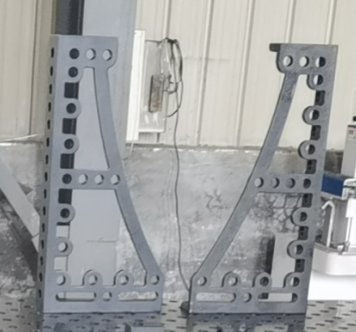
- 200-series Support Angle Irons: These supports hold workpieces at consistent heights, ensuring that all welds occur on the same plane. They are particularly useful for aligning multiple parts simultaneously.
- 0-225° Universal Angle Gauges: Not all welds are 90 degrees. Universal angle gauges allow for precise setup of acute and obtuse angles, expanding the table’s capability to complex geometric assemblies.
Additionally, Haijun Metal manufactures professional cast iron 3D welding platforms and angle connection blocks. These components ensure that every product delivers exceptional durability and stability. The cast iron construction offers superior wear resistance, maintaining precision even after years of heavy use.
Step-by-Step: Building vs. Buying a 2×4 Welding Table
Fabricators often face the decision of building a table from scratch or investing in a professional modular system. Below is a comparison of both approaches to help determine the best path for your specific needs.
Option 1: DIY Construction
Building a table from 2×4 steel tubing is a common weekend project. It offers customization in size and height but lacks inherent precision unless meticulously crafted.
- Cut Materials: Cut 2×4 steel tubing to desired dimensions. Ensure cuts are square.
- Weld Frame: Assemble the base frame using tack welds. Check for squareness using a diagonal measurement method (both diagonals must be equal).
- Attach Top: Weld a steel plate or grid to the frame. Use a stitching weld pattern to minimize heat distortion.
- Grind and Finish: Grind welds flush to create a flat surface. Apply a heat-resistant paint to the base, leaving the top bare.
- Install Levelers: Attach adjustable feet to each corner.
Limitation: DIY tables rarely achieve the flatness tolerance of machined surfaces. They also lack the standardized hole patterns required for modular fixturing, limiting their long-term versatility.
Option 2: Professional Modular System
Investing in a system like those provided by Haijun Metal offers immediate precision and scalability.
- Select Platform Size: Choose a 2D or 3D platform that fits your workspace. Standard sizes often align with 2×4 foot increments.
- Configure Fixturing: Select the necessary clamps, squares, and supports based on typical project types.
- Assembly: These systems often require minimal assembly. The precision is built into the manufactured components.
- Integration: Add specialized tools like universal angle gauges for complex tasks.
Advantage: Immediate high-precision capability, repeatability, and the ability to reconfigure the setup for different jobs instantly.
Comparison: DIY 2×4 Table vs. Modular Flexible System
| Feature | DIY 2×4 Steel Table | Modular Flexible System (e.g., Haijun Metal) |
| Initial Cost | Low (Material only) | Higher (Includes precision engineering) |
| Flatness Accuracy | Variable (Depends on skill) | High (Machined tolerance) |
| Setup Time | Slow (Manual measuring/tacking) | Fast (Pre-set stops/clamps) |
| Versatility | Low (Fixed surface) | High (Reconfigurable grid) |
| Repeatability | Poor | Excellent |
| Best For | Occasional, non-critical welds | Professional fabrication, prototyping, production |
Optimizing Your 2×4 Table for Small Projects
Small projects often demand higher attention to detail due to the visibility of errors in finished pieces. Whether using a DIY table or a professional platform, optimization is key.
Surface Maintenance and Preparation
A clean table is a precise table. Spatter buildup creates uneven surfaces, causing workpieces to sit at angles. Regularly scrape off spatter using a chisel or specialized scraper. For modular tables, keep the holes clear of debris to ensure clamps seat properly.
Applying a thin layer of anti-spatter spray can reduce cleanup time. However, avoid excessive coating, which can contaminate welds if it transfers to the workpiece.
Strategic Clamping Strategies
Effective clamping prevents distortion. When welding small assemblies:
- Clamp Close to the Weld: This restricts movement in the heat-affected zone.
- Use Sequential Clamping: Secure the main structure first, then add secondary supports.
- Leverage Squares: Always verify squareness after clamping but before welding. Use Haijun Metal’s U-shaped and L-shaped square boxes to ensure corners are true.
Grounding and Electrical Safety
Ensure the welding table is properly grounded. A poor ground connection leads to arc instability and potential safety hazards. If using a modular system with cast iron or coated components, verify that the grounding clamp has a direct path to bare metal. Dedicated grounding studs can be installed on modular tables to facilitate quick and reliable connections.
Common Mistakes to Avoid with 2×4 Welding Tables
Even experienced welders can fall into traps that compromise the utility of their workbench. Avoiding these common errors ensures longevity and accuracy.
1. Ignoring Thermal Expansion
Steel expands when heated. If a workpiece is rigidly clamped on all sides without allowance for expansion, it will buckle or warp upon cooling. Use clamping strategies that allow for slight movement or weld in sequences that balance heat input.
2. Overloading the Surface
While 2×4 tables are robust, exceeding their load capacity can cause permanent deflection. Distribute heavy loads evenly across the frame. For extremely heavy items, use additional support stands rather than relying solely on the table center.
3. Neglecting Levelness Checks
Floors settle, and tables shift. Regularly check the table’s levelness using a precision spirit level. Adjust the leveling feet as needed. A table that is out of level will produce assemblies that are out of square, even if the welding technique is perfect.
4. Using Incompatible Accessories
Not all clamps fit all tables. Ensure that any modular accessories match the hole pattern and diameter of your table. Haijun Metal’s accessories are designed to integrate seamlessly with their platforms, ensuring a secure fit and reliable performance. Mixing incompatible systems can lead to slippage and inaccurate welds.
Applications: Who Needs a 2×4 Welding Table?
The versatility of the 2×4 welding table makes it suitable for a wide range of users and industries.
Hobbyists and Makers
For DIY enthusiasts, a 2×4 table provides a dedicated space for metal art, garden furniture, and home repairs. The compact size fits well in residential garages. Integrating basic modular components allows hobbyists to achieve professional-looking results.
Automotive Repair Shops
Custom exhaust fabrication, bracket repair, and frame straightening require a stable, flat surface. The ability to clamp parts securely is crucial for precision automotive work. Haijun Metal’s 200-series support angle irons are particularly useful for holding automotive panels at consistent heights.
Light Industrial Manufacturing
Small batch production benefits immensely from modular fixturing. The ability to quickly switch between different job setups reduces downtime. Companies in the machining and aerospace sectors rely on the precision offered by 3D flexible welding platforms to maintain tight tolerances.
FAQ: Frequently Asked Questions About 2×4 Welding Tables
What is the ideal height for a 2×4 welding table?
The ideal height depends on the user’s stature and the type of work. Generally, a height between 34 and 38 inches allows for comfortable standing work without excessive bending. Adjustable legs are recommended to customize the height for specific tasks or users.
Can I use a wooden 2×4 frame for welding?
No. Wooden frames are flammable and lack the structural rigidity and heat resistance required for welding. Always use steel tubing or heavy-duty metal structures for the base and surface.
How do I prevent my welding table from rusting?
Keep the surface clean and dry. Apply a light coat of oil or wax to the top surface when not in use. For the base, use rust-inhibiting paint. Avoid storing corrosive chemicals near the table.
Why choose cast iron over steel for the table top?
Cast iron offers better vibration damping and retains flatness better under thermal stress. It is also less likely to stick to weld spatter compared to mild steel. However, it is heavier and more expensive.
How do Haijun Metal’s fixtures improve welding efficiency?
Botou Haijun Metal Products Co., Ltd. provides high-precision flexible modular fixtures that eliminate the need for custom jigs. Their U-shaped squares, support angle irons, and universal angle gauges allow for rapid, repeatable positioning. This reduces setup time and ensures consistent quality across multiple parts.
Conclusion: Elevating Your Welding Capability
A 2×4 welding table is more than just a surface; it is the cornerstone of accurate and efficient metal fabrication. Whether you are undertaking small DIY projects or managing light industrial production, the quality of your table directly impacts the quality of your work. While a basic steel frame provides a starting point, integrating professional-grade modular fixturing transforms the workspace into a precision engine.
By choosing high-quality components, such as the 2D and 3D flexible welding platforms and accessories from Botou Haijun Metal Products Co., Ltd., you invest in durability, versatility, and accuracy. Their commitment to providing efficient and flexible welding solutions ensures that every project, from simple brackets to complex aerospace components, meets the highest standards.
For manufacturers and fabricators looking to enhance their production capabilities, the right setup is crucial. Consider your specific needs regarding precision, volume, and material types. Investing in a modular system pays dividends through reduced setup times, improved weld quality, and greater operational flexibility.
Ready to upgrade your welding setup? Explore how high-precision modular fixtures can streamline your workflow and improve your output quality.
View Related Products and Technical Solutions