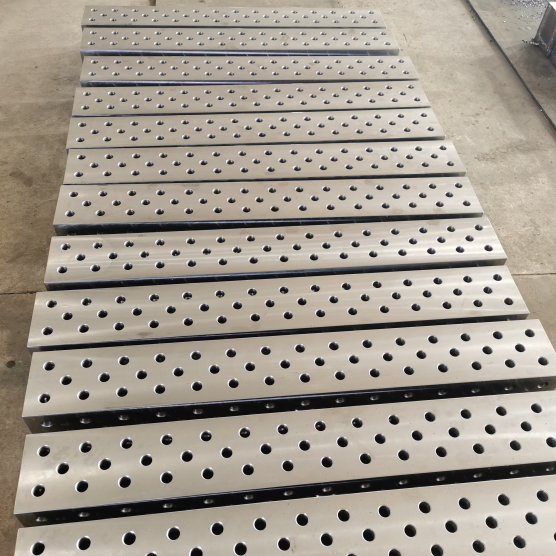
A welding fixture table top is a precision-engineered, flat work surface featuring a grid of threaded or clearance holes designed to securely clamp, position, and hold metal components during welding, cutting, and assembly. Unlike standard tables, these tops are manufactured from high-grade steel alloys with strict flatness tolerances (typically within ±0.5mm over large spans) to ensure geometric accuracy in fabricated parts. In 2026, selecting the right welding fixture table top involves evaluating material thickness, hole pattern compatibility, heat resistance, and load-bearing capacity to match specific production workflows.
What Defines a High-Performance Welding Fixture Table Top?
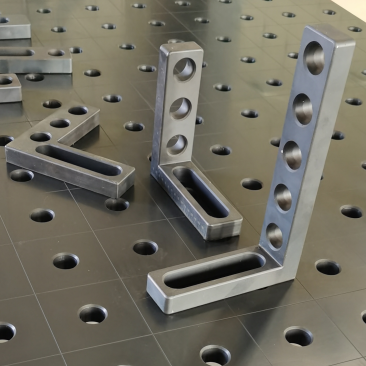
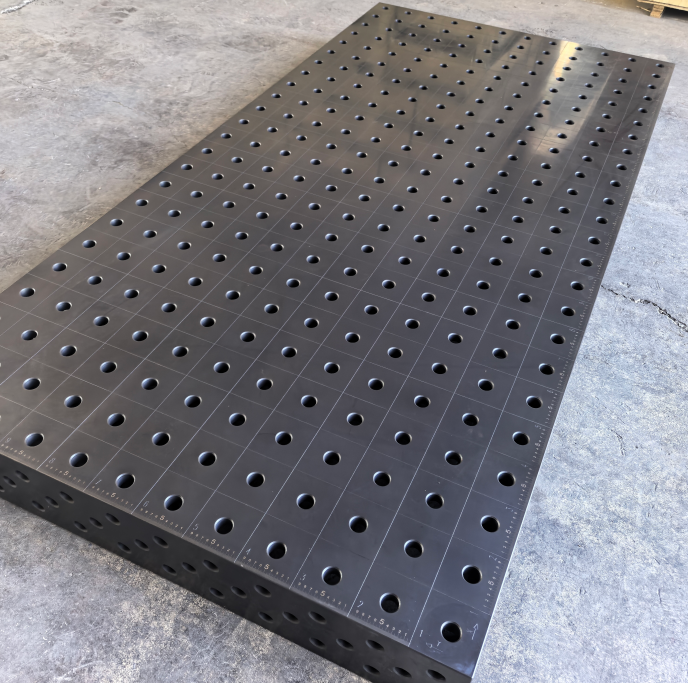
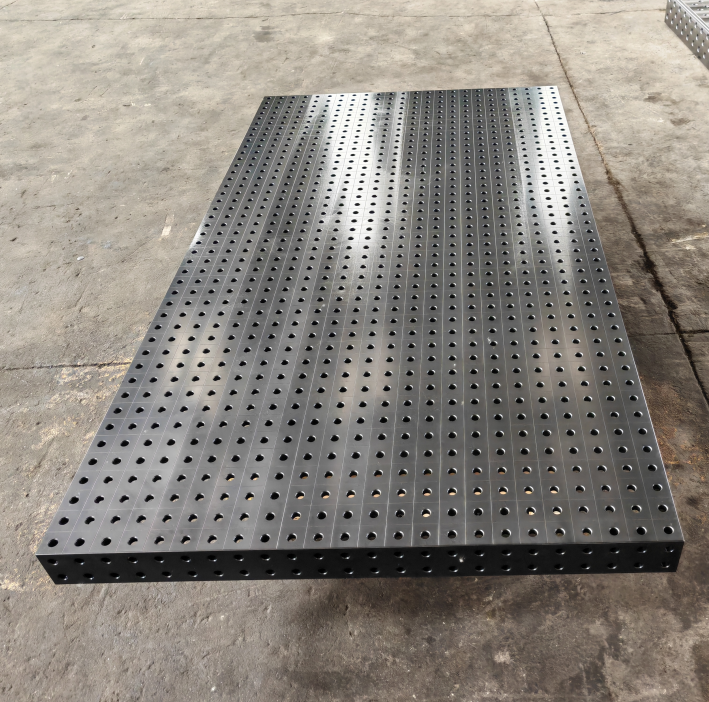
The core function of a welding fixture table top extends beyond simple support; it acts as a three-dimensional coordinate system for metal fabrication. The defining characteristic is the precision-machined grid of holes, usually spaced at 100mm (4-inch) or 50mm (2-inch) intervals. This grid allows welders to insert stops, clamps, and angle brackets at any point on the surface, creating repeatable setups for complex assemblies.
High-performance tops are distinguished by their ability to withstand thermal distortion. During intensive welding processes, localized heat can cause standard steel to warp. Premium table tops utilize stress-relieved steel plates that maintain flatness even after repeated exposure to high temperatures. This stability is critical for industries requiring tight tolerances, such as aerospace component assembly or heavy machinery manufacturing.
Furthermore, the surface finish plays a vital role. A properly treated top resists spatter adhesion, making cleanup faster and preventing debris from interfering with clamp placement. The combination of structural rigidity, thermal stability, and precise hole geometry separates professional-grade fixture tops from generic workbenches.
Key Material Specifications for 2026
In the current industrial landscape, material selection dictates the longevity and utility of the table top. Most high-end systems utilize low-carbon steel or specialized alloy steels.
- Base Material: Typically Q345B or equivalent structural steel, chosen for its balance of strength and weldability.
- Surface Hardness: Often hardened to resist denting from dropped tools or heavy impacts, usually ranging between 28-32 HRC.
- Flatness Tolerance: Industrial standards demand flatness within 0.2mm to 0.5mm across the entire surface to ensure accurate part alignment.
- Thickness: Common thicknesses range from 16mm to 28mm. Thicker tops (22mm+) are preferred for heavy-duty applications involving large structural beams.
Understanding these specifications helps procurement managers avoid underspecifying equipment, which can lead to premature warping and inaccurate welds.
Welding Fixture Table Top vs. Standard Workbench: Critical Differences
Many fabrication shops initially consider using heavy-duty standard workbenches to save costs. However, the operational limitations become apparent quickly when precision is required. A dedicated welding fixture table top offers engineered advantages that standard surfaces cannot replicate.
| Feature |
Welding Fixture Table Top |
Standard Heavy-Duty Workbench |
| Hole Pattern |
Precision CNC-drilled grid (e.g., 100x100mm) with chamfered edges for easy tool insertion. |
Randomly placed holes or no holes; often drilled manually with inconsistent spacing. |
| Flatness |
Machined to strict tolerances (±0.5mm); guaranteed level surface. |
Variable; prone to bowing under load or uneven flooring conditions. |
| Clamping Versatility |
Compatible with modular fixturing systems (stops, angles, quick-clamps) anywhere on the surface. |
Limited to edge clamping or improvised setups using C-clamps. |
| Thermal Stability |
Stress-relieved to minimize warping from welding heat. |
High risk of permanent deformation due to localized heat concentration. |
| Grounding |
Designed with integrated grounding points for safe electrical connectivity. |
Often requires aftermarket modification to establish reliable ground. |
The data clearly indicates that while standard benches suffice for rough cutting or grinding, they fail to support the repeatability required for modern batch production. The ability to lock components into a known coordinate system reduces setup time by up to 70% and significantly lowers scrap rates caused by misalignment.
How to Choose the Right Welding Fixture Table Top for Your Application
Selecting the optimal table top requires a systematic analysis of your production requirements. The “one-size-fits-all” approach rarely works in professional fabrication. Engineers must evaluate load dynamics, part sizes, and the specific welding processes employed.
Step 1: Analyze Load Requirements
Determine the maximum weight of the assemblies you will build. For light sheet metal work, a 16mm thick top may suffice. However, for heavy structural steel or pipe fabrication, a 22mm or 28mm top is necessary to prevent deflection. Deflection not only ruins the current setup but can permanently damage the table’s flatness over time.
Step 2: Evaluate Hole Pattern Compatibility
The hole diameter and spacing must match your existing or planned fixturing toolkit. The industry standard is often a 28mm or 16mm hole diameter with a 100mm pitch. Ensure the chosen top supports the specific clamps and stops you intend to use. Mismatched patterns render expensive tooling useless.
Step 3: Consider Thermal Exposure
If your process involves high-amperage submerged arc welding or prolonged laser cutting, prioritize tops with enhanced heat resistance. Some models feature specialized coatings or thicker mass to dissipate heat more effectively, protecting the underlying structure.
Step 4: Assess Mobility Needs
While the top itself is stationary, consider how it integrates with base frames. Will the table need to be moved frequently? If so, ensure the top design allows for secure mounting on caster-equipped frames without compromising rigidity.
Common Applications of Welding Fixture Table Tops
The versatility of modular fixturing systems has expanded their use across various sectors. Understanding these applications highlights the return on investment for upgrading to a precision table top.
- Robotic Welding Cells: Robots require absolute consistency. Fixture tables provide the repeatable datum points necessary for robotic arms to execute programmed paths accurately without constant recalibration.
- Pipe and Tube Fabrication: Specialized V-blocks and angle stops mounted on the grid allow for precise miter cuts and joint alignment, essential for pressure vessels and structural frameworks.
- Sheet Metal Enclosures: Magnetic stops and square clamps enable rapid assembly of electrical cabinets and machine guards with perfect 90-degree corners.
- Prototyping and R&D: Engineering teams benefit from the flexibility to reconfigure setups instantly for one-off prototypes, accelerating the design-validation cycle.
- Repair and Maintenance: Heavy equipment repair shops use these tables to straighten bent frames and align components before re-welding, ensuring restored functionality.
In each scenario, the common thread is the need for speed and accuracy. The ability to move from one job to another without building custom jigs from scratch saves hundreds of labor hours annually.
Installation and Maintenance Best Practices
To maximize the lifespan of a welding fixture table top, proper installation and ongoing maintenance are non-negotiable. Even the highest quality steel can degrade if mishandled.
Installation Guidelines
Begin by ensuring the supporting frame is perfectly level. Use shims if necessary to compensate for uneven factory floors. Bolt the top securely to the frame using all provided mounting points to distribute load evenly. Avoid overtightening bolts in a sequential order; instead, use a star pattern to apply even pressure across the plate, preventing induced stress.
Routine Cleaning
Spatter accumulation is the primary enemy of fixture usability. Regularly clean the surface using a spatter repellent spray before starting work. This creates a barrier that makes post-weld cleanup significantly easier. Remove slag and spatter daily using a chipping hammer or wire brush. Never use abrasive grinding discs on the table surface itself, as this compromises flatness.
Hole Maintenance
Over time, holes can become clogged with spatter or deformed by improper tool insertion. Inspect holes weekly. Use a dedicated reaming tool to clear obstructions gently. Avoid forcing oversized pins into holes, as this can stretch the metal and ruin the precision fit.
Storage
If the table is not in use for extended periods, apply a thin coat of rust-preventative oil. Store in a dry environment to prevent corrosion, which can seize clamps and degrade the surface finish.
Frequently Asked Questions (FAQ)
What is the standard hole size for welding fixture tables?
While variations exist, the most common industry standard hole diameter is 28mm (approx. 1-1/8 inch), designed to accommodate a wide range of universal clamping tools. Some lighter-duty systems use 16mm holes. It is crucial to verify the hole size matches your specific tooling ecosystem before purchase.
Can I weld directly on the fixture table top?
Yes, these tables are designed to withstand direct welding. However, it is best practice to use copper backup plates or ceramic tiles under critical weld zones to protect the table surface from excessive spatter and arc strikes, preserving the flatness and finish of the grid.
How do I prevent rust on my welding table?
Regular application of anti-spatter spray serves as a temporary protective layer. For long-term storage, use a dedicated rust inhibitor. Keeping the shop environment controlled with moderate humidity also helps. Immediate removal of moisture and cleaning agents after use is essential.
Is a thicker table top always better?
Not necessarily. While thicker tops (28mm+) offer superior rigidity for heavy loads, they add significant weight and cost. For light gauge sheet metal work, a 16mm top provides sufficient stability while being easier to maneuver and more cost-effective. Match the thickness to your actual load requirements.
What is the expected lifespan of a welding fixture table?
With proper maintenance and adherence to load limits, a high-quality steel fixture table top can last decades. The limiting factor is usually surface wear or hole deformation rather than structural failure. Regular inspection and care are key to maximizing this lifespan.
Technical Parameters and Selection Guide
When finalizing a purchase decision, refer to the following parameter checklist to ensure the selected welding fixture table top meets your operational demands.
| Parameter |
Light Duty |
Medium Duty |
Heavy Duty |
| Plate Thickness |
16 mm |
22 mm |
28 mm+ |
| Max Load Capacity |
~500 kg |
~1500 kg |
~3000 kg+ |
| Hole Spacing |
100 mm |
100 mm |
100 mm / 200 mm |
| Flatness Tolerance |
±1.0 mm |
±0.5 mm |
±0.3 mm |
| Ideal Application |
Sheet metal, prototyping |
General fabrication, pipe work |
Heavy structural, robotic cells |
This matrix simplifies the selection process, allowing buyers to quickly identify the tier that aligns with their production volume and part complexity.
Why Precision Matters in Modern Fabrication
In an era where manufacturing efficiency is paramount, the welding fixture table top serves as the foundation of lean production. It eliminates the variability associated with manual measurement and temporary jigging. By providing a constant, reliable reference plane, it empowers welders to focus on technique rather than setup.
The shift towards modular fixturing reflects a broader industry trend towards flexibility. As product lifecycles shorten and customization increases, the ability to rapidly retool becomes a competitive advantage. A robust fixture table system supports this agility, allowing shops to pivot between jobs with minimal downtime.
Moreover, the ergonomic benefits cannot be overlooked. Working at a consistent, optimized height with easily accessible clamping points reduces operator fatigue and improves overall safety. This contributes to higher productivity and lower injury rates in the workshop.
Partnering with Experts: Botou Haijun Metal Products Co., Ltd.
Implementing these advanced strategies requires more than just purchasing a table; it demands a partnership with a manufacturer who understands the nuances of high-precision fabrication. Botou Haijun Metal Products Co., Ltd. stands at the forefront of this industry, specializing in the research, development, and production of high-precision flexible modular fixtures and metalworking tools. Committed to providing efficient and flexible welding solutions for the modern manufacturing sector, Haijun Metal has become a trusted name in machining, automotive, and aerospace industries.
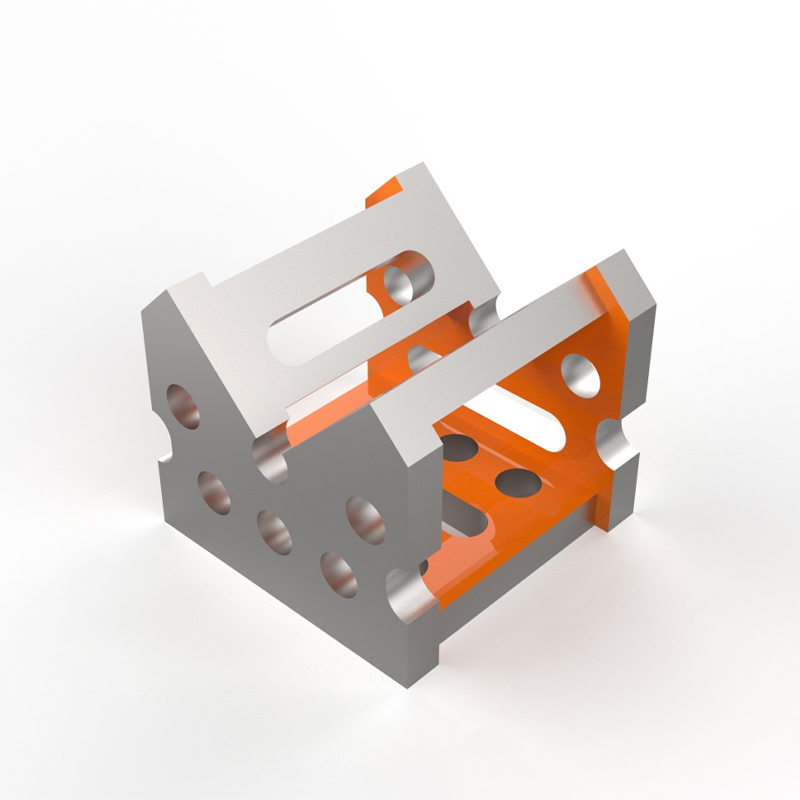
Their core product line features state-of-the-art 2D and 3D flexible welding platforms, renowned for exceptional versatility and accuracy. But the value extends beyond the table top itself. Haijun Metal offers a comprehensive ecosystem of complementary components designed to integrate seamlessly with their platforms. This includes U-shaped and L-shaped multi-purpose square boxes, 200-series support angle irons, and 0-225° universal angle gauges, all engineered to enable rapid workpiece positioning and clamping. Furthermore, their professional cast iron 3D welding platforms and angle connection blocks ensure that every setup delivers unmatched durability and stability. With years of industry experience, Haijun Metal continues to serve customers globally, providing high-quality production machinery tool series that turn theoretical precision into practical reality.
Conclusion and Next Steps
Investing in a high-quality welding fixture table top is a strategic decision that impacts every aspect of your fabrication workflow. From improved accuracy and reduced scrap rates to faster setup times and enhanced operator safety, the benefits are tangible and immediate. Whether you are outfitting a new robotic cell or upgrading a manual welding bay, choosing the right specification ensures long-term operational success.
Who should upgrade?
This solution is ideal for job shops handling diverse projects, manufacturers implementing robotic automation, and engineering teams focused on rapid prototyping. If your current setup relies on makeshift jigs or warped surfaces, transitioning to a precision fixture system—such as those offered by Botou Haijun Metal Products—will yield immediate ROI.
Ready to optimize your production floor? Selecting the correct model depends on your specific load cases and tooling preferences. Our team of engineering specialists can help you analyze your requirements and recommend the perfect configuration tailored to your facility’s needs.
Take action today: Contact us to request a detailed technical consultation or a customized quote. Let us help you build a stronger, more efficient foundation for your welding operations with the proven expertise of Haijun Metal.
Explore Our Full Range of Welding Solutions & Technical Specs