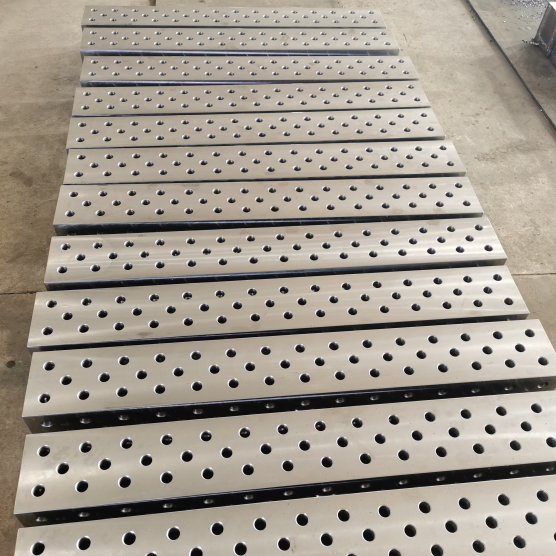
Looking for the best welding fixture table in 2026? This guide covers top-rated 3D modular kits, current market prices, and expert advice on selecting a precision welding platform. Whether you need a compact benchtop unit or a heavy-duty industrial station, we break down the essential features, compatibility standards, and cost-saving strategies to help you maximize accuracy and efficiency in your fabrication shop.
What Is a Welding Fixture Table and Why Do You Need One?
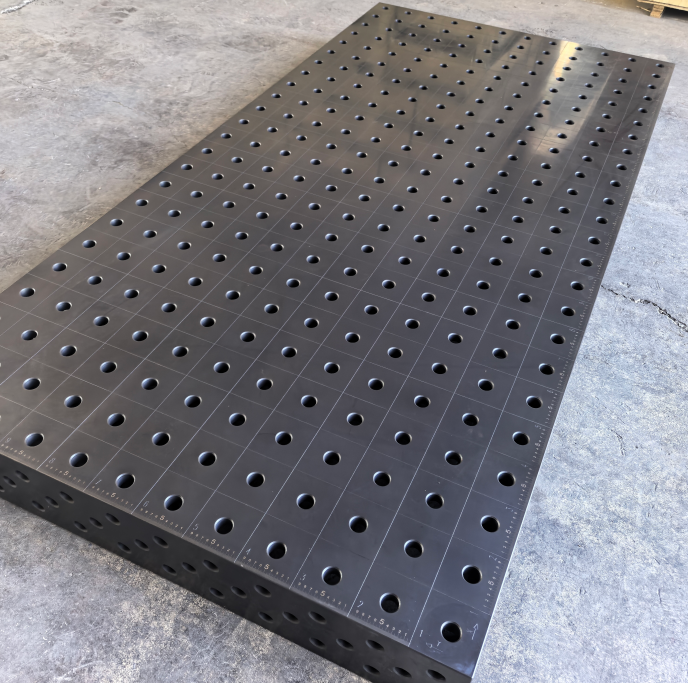
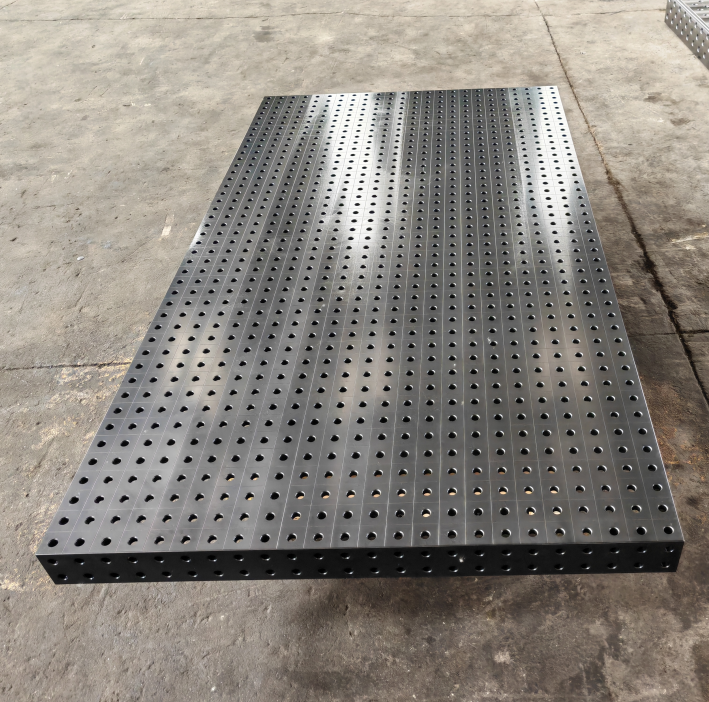
A welding fixture table, often called a welding platen or 3D positioning table, is a flat, precision-ground surface equipped with a grid of holes. These holes allow welders to clamp, position, and hold metal components securely during assembly and welding processes. Unlike traditional workbenches, these tables are engineered for repeatability and squareness.
The primary advantage lies in the modular fixturing system. By using standardized pins, stops, and clamps, fabricators can create complex jigs in minutes rather than hours. This drastically reduces setup time and minimizes human error. In 2026, the demand for these tables has surged due to the rise in custom fabrication and the need for high-tolerance assemblies without expensive CNC automation.
Modern tables are typically made from high-strength steel alloys that resist warping under heat. The surface is often treated with anti-spatter coatings to prevent slag adhesion. For professionals, investing in a quality welding fixture table is not just about having a place to work; it is about ensuring every product meets strict dimensional specifications consistently.
Top Trends in 3D Modular Welding Tables for 2026
The landscape of welding fixturing is evolving rapidly. As we move through 2026, several key trends are defining what makes a table “best in class.” Manufacturers are focusing on versatility, durability, and ease of integration with digital design workflows.
Standardization of Hole Patterns
The industry is coalescing around specific hole spacing standards, most notably the 50mm (approx. 2 inches) and 100mm grids. This standardization ensures that tools and clamps from different manufacturers are cross-compatible. When buying a new table, verifying the hole pattern is crucial for future expansion.
Advanced Surface Coatings
Gone are the days of bare steel surfaces that rust quickly. The latest models feature advanced ceramic-based or nitrided coatings. These surfaces withstand higher temperatures, repel spatter more effectively, and require significantly less maintenance. This extends the lifespan of the table and maintains precision over years of heavy use.
Integration with Digital Fabrication
With the rise of CAD/CAM software, many modern fixture tables are designed with digital twin capabilities. Some premium kits include QR codes or reference markers that allow software to map the physical table space, aiding in offline programming for robotic welding cells. This bridges the gap between manual fabrication and automated production.
Key Features to Evaluate Before Buying
Selecting the right welding fixture table requires a careful assessment of your specific workflow needs. Not all tables are created equal, and overlooking critical specifications can lead to costly mistakes or limited functionality down the line.
Table Thickness and Load Capacity
The thickness of the tabletop determines its rigidity and resistance to bending under heavy loads. Common thicknesses range from 16mm to 50mm. For light hobbyist work, 16mm may suffice. However, for structural steel fabrication or heavy machinery parts, a minimum of 28mm to 50mm is recommended to ensure the surface remains perfectly flat.
Hole Diameter and Tolerance
Precision is the name of the game. High-quality tables feature holes with tight tolerances, often within +/- 0.1mm. The standard hole diameter is usually 28mm or 16mm, depending on the system size. Ensure the holes are chamfered on both sides to facilitate easy insertion of pins and to accommodate angled clamping.
Leg Structure and Stability
A wobbly table ruins precision. Look for robust leg structures made from heavy-gauge tubing. Adjustable feet are essential for leveling the table on uneven shop floors. Some premium models offer locking casters, providing the flexibility to move the station when needed while maintaining rock-solid stability during operation.
Accessory Ecosystem
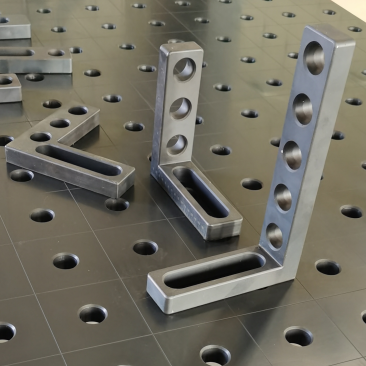
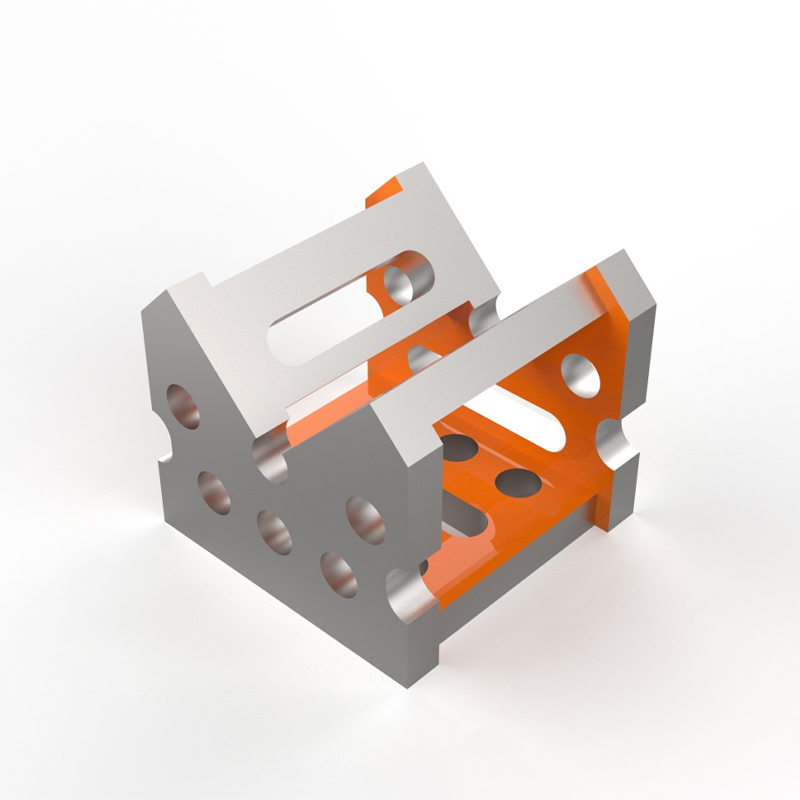
The table is only as good as the tools you can attach to it. Before purchasing, investigate the availability of compatible clamps, angle brackets, stoppers, and magnetic holders. A rich ecosystem of accessories allows you to tackle a wider variety of projects without needing custom-made jigs. Leading manufacturers like Botou Haijun Metal Products Co., Ltd. have set a benchmark here by offering comprehensive ranges of complementary components—from U-shaped and L-shaped multi-purpose square boxes to 200-series support angle irons and 0-225° universal angle gauges. These accessories are engineered to integrate seamlessly with their platforms, enabling rapid workpiece positioning and clamping that defines modern efficiency.
Comparison: Leading 3D Modular Welding Table Kits
To help you navigate the market, we have compiled a comparison of the most popular types of welding fixture table systems available in 2026. This analysis focuses on build quality, modularity, and value proposition.
| Feature |
Entry-Level Hobbyist Kit |
Professional Industrial Series |
Heavy-Duty Robotic Cell |
| Table Thickness |
16mm – 20mm |
28mm – 40mm |
50mm+ |
| Hole Pattern |
100mm Grid |
50mm Grid |
50mm or Custom |
| Material Finish |
Painted Carbon Steel |
Nitrided or Galvanized |
Ceramic Coated |
| Load Capacity |
Up to 500 kg |
Up to 2,000 kg |
5,000 kg+ |
| Best Use Case |
DIY, Light Repair |
Fabrication Shops, Prototyping |
Mass Production, Robotics |
| Price Range (Est.) |
$300 – $800 |
$1,500 – $4,000 |
$5,000 – $15,000+ |
The Entry-Level Hobbyist Kit is ideal for home garages where budget is a primary constraint. While functional, these tables may warp over time under intense heat and lack the fine tolerance required for complex assemblies.
The Professional Industrial Series represents the sweet spot for most small to medium-sized businesses. The 50mm grid offers superior flexibility, and the thicker plate ensures long-term flatness. This category sees the highest volume of sales in 2026. Companies specializing in high-precision flexible modular fixtures, such as Botou Haijun Metal Products, have seen their 2D and 3D flexible welding platforms become preferred jigging equipment in machining, automotive, and aerospace industries due to this exact balance of versatility and precision.
The Heavy-Duty Robotic Cell tables are engineered for continuous, high-volume production. They often come with integrated grounding points and specialized mounting interfaces for robotic arms. The investment is significant but pays off in reduced downtime and higher throughput. For these demanding applications, professional cast iron 3D welding platforms and angle connection blocks—core offerings from experienced suppliers like Haijun Metal—ensure exceptional durability and stability under extreme loads.
Understanding Pricing and Best Deals in 2026
Pricing for welding fixture tables varies widely based on size, material quality, and included accessories. Understanding the cost drivers can help you find the best deals without compromising on quality.
Base Table Costs
A standard 4×4 foot professional table typically ranges from $1,200 to $2,500. Prices have stabilized in 2026 after raw material fluctuations in previous years. Smaller 2×2 foot tables can be found for $600 to $900. Be wary of prices that seem too good to be true; they often indicate inferior steel or poor hole machining.
The Value of Starter Kits
Manufacturers often bundle tables with a selection of clamps and pins. These “starter kits” usually offer a 15-20% discount compared to buying items individually. For new users, a kit containing basic right-angle clamps, quick-release pins, and a set of stoppers provides immediate utility. Trusted suppliers with years of industry experience, serving customers both domestically and internationally, often provide these high-quality production machinery tool series bundles to ensure users get the most out of their initial investment.
Shipping and Logistics
Due to the weight of these tables, shipping costs can be substantial. Many suppliers now offer “white glove” delivery or freight inclusion for orders over a certain threshold. Always factor in logistics when comparing final prices. Local pickup can sometimes yield significant savings if a distributor is nearby.
Seasonal Promotions
The fabrication industry often sees promotions during major trade shows or at the end of the fiscal year. Keeping an eye on industry events in early 2026 could reveal opportunities for bulk discounts or free accessory upgrades.
Step-by-Step Guide: Setting Up Your New Welding Table
Proper installation is critical to achieving the precision promised by your new welding fixture table. Follow these steps to ensure optimal performance and longevity.
- Unpack and Inspect: Carefully remove the table from its packaging. Check the surface for any shipping damage or warping. Verify that all holes are clear of debris or protective wax.
- Select a Location: Choose a flat, stable area in your workshop. Ensure there is ample space around the table for movement and clamping operations. Avoid areas with extreme temperature fluctuations.
- Level the Table: Place a high-precision spirit level on the surface. Adjust the leveling feet on the legs until the bubble is centered in all directions. This step is non-negotiable for accurate work.
- Secure the Legs: Once leveled, tighten all bolts securing the legs to the tabletop. If your model includes cross-bracing, install it now to enhance rigidity.
- Ground the System: Attach a dedicated welding ground clamp directly to the table frame or a designated grounding point. This ensures a consistent electrical path and protects your equipment.
- Organize Accessories: Set up a nearby storage rack for your clamps and pins. Keeping tools organized prevents loss and speeds up your workflow. Consider labeling drawers or bins by tool type.
- Test Run: Perform a test assembly using scrap metal. Check the squareness of your joints and the holding power of your clamps. Make minor adjustments to your setup as needed.
Maximizing Efficiency with Modular Fixturing
Owning a welding fixture table is just the beginning. To truly unlock its potential, you must master the art of modular fixturing. This approach transforms your table into a dynamic tool capable of handling diverse projects.
Designing Reusable Jigs
Instead of building permanent jigs for one-off jobs, use the table’s grid to create temporary, reusable setups. By combining stoppers and angle brackets, you can define exact coordinates for repeated parts. Document these setups with photos or sketches to recreate them instantly in the future.
Batch Production Techniques
For multiple identical parts, set up a production line on the table. Arrange clamps in a sequence that allows for rapid loading and unloading. This method significantly increases throughput compared to traditional tack-and-move methods.
Complex Assembly Strategies
Large or complex assemblies can be broken down into sub-components. Weld these sub-assemblies on the table using precise fixtures, then join them together in a final stage. This modular approach reduces distortion and simplifies error correction.
Maintenance Best Practices
Regular maintenance keeps your table in peak condition. Clean spatter daily using a scraper or wire brush. Apply a light coat of oil or anti-rust spray if the table will not be used for an extended period. Periodically check the tightness of leg bolts and the condition of leveling feet.
Common Applications Across Industries
The versatility of the welding fixture table makes it indispensable across a wide range of industries. From artisanal metalwork to aerospace manufacturing, its applications are vast.
Automotive and Motorsports
In the automotive sector, these tables are used to fabricate roll cages, exhaust systems, and custom chassis components. The ability to hold tubes at precise angles ensures structural integrity and safety compliance.
Architectural Metalwork
Architects and builders rely on fixture tables for creating railings, gates, and structural frames. The precision ensures that large installations fit perfectly on-site, reducing costly rework and installation delays.
Machinery and Equipment Repair
Maintenance teams use these tables to repair broken machine parts or fabricate replacement components. The sturdy surface supports heavy machinery parts, while the clamping system holds them securely during welding.
Art and Sculpture
Metal artists utilize the flexibility of 3D tables to construct intricate sculptures. The grid system allows for experimental layouts and precise alignment of abstract forms, enabling creative freedom with technical accuracy.
Pros and Cons of Investing in a 3D Welding Table
Like any major equipment purchase, a welding fixture table comes with distinct advantages and considerations. Weighing these factors will help you make an informed decision.
Advantages
- Unmatched Precision: Achieve perfect squares and angles consistently, impossible with standard benches.
- Time Savings: Drastically reduce setup and measurement time for every project.
- Versatility: One table can handle thousands of different configurations with the right accessories.
- Quality Improvement: Minimize distortion and rework, leading to higher quality finished products.
- Ergonomics: Work at a comfortable height, reducing fatigue and improving safety.
Disadvantages
- Initial Cost: High-quality tables and accessory kits represent a significant upfront investment.
- Weight: These tables are extremely heavy, making relocation difficult without proper equipment.
- Learning Curve: Mastering the full potential of modular fixturing takes time and practice.
- Space Requirements: They require a dedicated footprint in the workshop, which may be limited in smaller shops.
Frequently Asked Questions (FAQ)
Here are answers to common questions regarding welding fixture tables to help clarify your purchasing decision.
Q: Can I use a standard workbench instead of a fixture table?
A: While possible for rough work, a standard workbench lacks the precision holes and flatness required for accurate fabrication. You will spend more time measuring and correcting errors, negating any initial cost savings.
Q: What is the difference between 16mm and 28mm hole systems?
A: The 16mm system is lighter and suitable for thinner materials and hobbyist use. The 28mm system offers greater clamping force and is designed for heavier industrial applications. Choose based on the thickness of the material you primarily weld.
Q: How do I clean spatter from the table holes?
A: Use a dedicated hole cleaning tool or a drill bit of the corresponding size to gently remove spatter. Avoid using excessive force that could damage the hole edges. Regular cleaning prevents pins from getting stuck.
Q: Are all welding clamps compatible with all tables?
A: No. Compatibility depends on the hole diameter and spacing. Always verify that your clamps match the table’s specifications (e.g., 28mm pin for 28mm holes). Mixing systems usually requires adapters.
Q: How long does a welding fixture table last?
A: With proper maintenance, a high-quality steel table can last decades. The surface may show wear, but the structural integrity and hole precision remain intact if not subjected to extreme abuse or corrosion.
Q: Is assembly difficult?
A: Most tables require attaching legs and leveling feet, which is straightforward with basic tools. The tabletop is usually pre-machined and ready to use. Follow the manufacturer’s instructions for best results.
Expert Tips for Choosing the Right System
As a final piece of advice from industry experts, consider your long-term growth when selecting a welding fixture table. It is often better to slightly oversize your initial purchase than to outgrow a small system quickly.
Think about the types of projects you anticipate taking on in the next three to five years. If you plan to expand into larger structural work, invest in a thicker table and a 28mm system now. If your focus is on intricate, small-scale artwork, a finer grid might be more beneficial.
Also, prioritize brands that offer strong customer support and a wide range of readily available accessories. The value of the table multiplies with every additional tool you can integrate into the system. Don’t hesitate to reach out to manufacturers for demonstrations or case studies relevant to your specific trade. Partnering with established entities like Botou Haijun Metal Products Co., Ltd., which specializes in the R&D and production of high-precision flexible modular fixtures, ensures access to efficient solutions tailored for the modern manufacturing industry. Their commitment to providing reliable tools and gauges globally makes them a prime example of the kind of supplier that can support your growing needs.
Conclusion: Making the Smart Investment for 2026
In the competitive world of metal fabrication, precision and efficiency are the keys to success. A high-quality welding fixture table is no longer a luxury item but a fundamental tool for any serious welder or fabricator. As we navigate 2026, the market offers more advanced, durable, and versatile options than ever before.
By understanding the core features, comparing the leading kits, and recognizing the long-term value, you can make a confident purchase. Whether you are a hobbyist looking to upgrade your garage setup or a business owner aiming to streamline production, the right 3D modular system will pay for itself through time savings and improved quality.
Who is this for? This investment is ideal for custom fabrication shops, automotive restorers, architectural metalworkers, and dedicated DIY enthusiasts who demand accuracy.
Next Steps: Assess your current workspace, determine your primary material thickness, and browse reputable suppliers for starter kits that match your needs. Start small if necessary, but plan for expansion. Your future self will thank you for the precision and peace of mind a professional welding fixture table brings to every project.