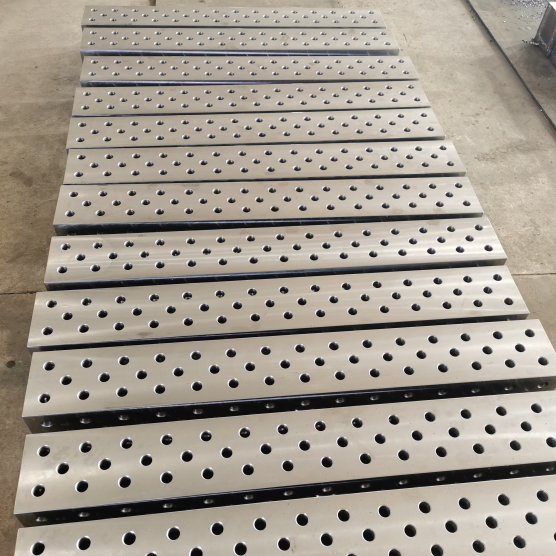
Finding the right strong hand fixture table is critical for welders and fabricators seeking precision, speed, and repeatability in 2026. These modular workbenches transform complex setups into simple clamp-and-weld operations, significantly reducing production time. This guide analyzes current market prices, compares top models like the Force-10 and Mega-Force systems, and provides expert insights to help you select the ideal configuration for your shop’s specific needs.
What Is a Strong Hand Fixture Table?
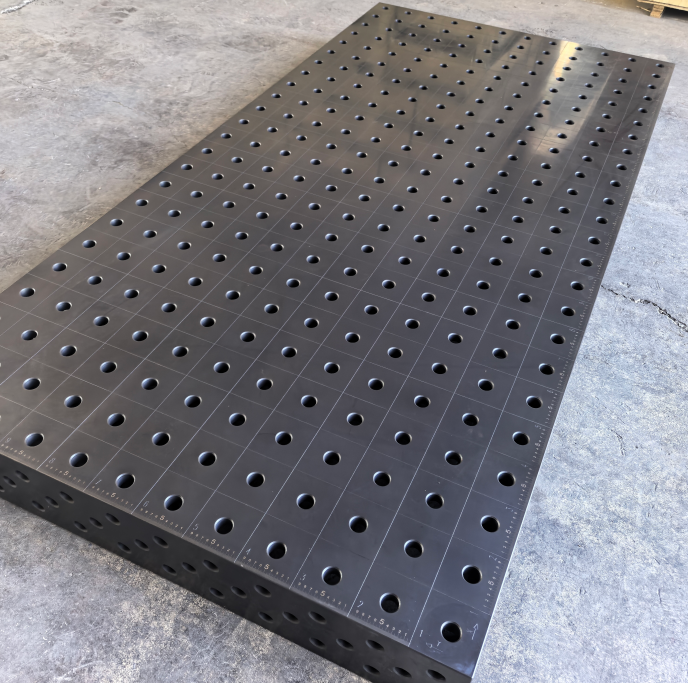
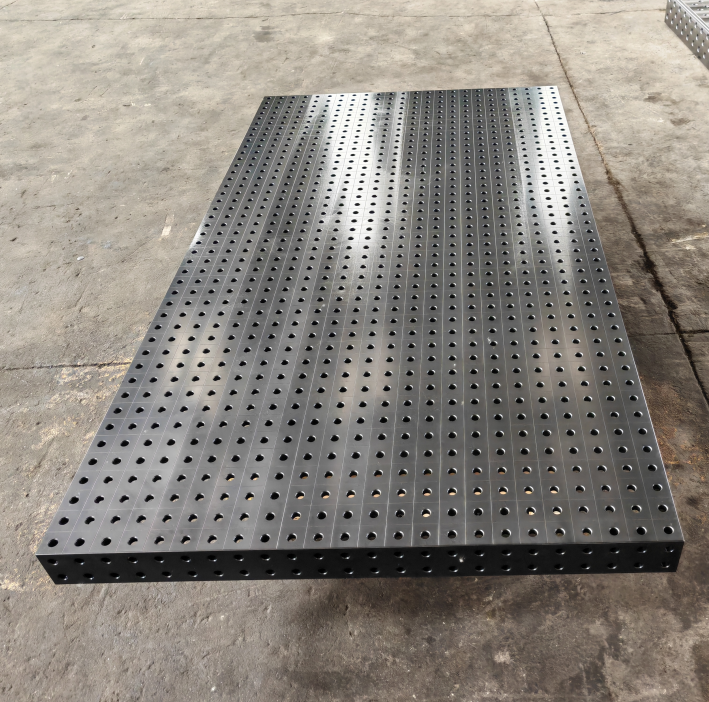
A strong hand fixture table is a heavy-duty, modular welding platform designed with a grid of precision-drilled holes. Unlike traditional flat tables, these systems allow users to position stops, clamps, and angles anywhere on the surface using specialized tooling pins. The core concept relies on modularity, enabling rapid reconfiguration for different projects without custom jig fabrication.
The defining feature is the hole pattern, typically spaced at 100mm (4-inch) or 50mm (2-inch) intervals. This standardization ensures that accessories from various manufacturers often remain compatible. Professionals use these tables to achieve squareness and dimensional accuracy that is impossible with manual measuring and tack welding alone.
In 2026, the demand for these tables has surged due to the rise in custom fabrication shops requiring lean manufacturing principles. By reducing setup time from hours to minutes, these tables directly impact profitability. They serve as the central hub for fixturing, acting as both a work surface and a precision measuring instrument.
Top Strong Hand Fixture Table Models Compared
Selecting the right model depends on your workload, material thickness, and available floor space. The market currently offers several distinct series, each targeting different segments of the fabrication industry. Below is a detailed comparison of the most popular configurations available this year.
| Model Series |
Best For |
Hole Pattern |
Load Capacity |
Key Feature |
| Force-10 System |
General Fabrication |
100mm (4″) Grid |
High |
Versatile & Cost-Effective |
| Mega-Force System |
Heavy Industrial |
100mm (4″) Grid |
Very High |
Thicker Plate & Larger Pins |
| Micro-Force System |
Precision/Light Duty |
50mm (2″) Grid |
Medium |
High Precision Spacing |
| Portable Bench |
On-Site Work |
100mm (4″) Grid |
Medium |
Foldable Legs & Mobility |
Force-10: The Industry Standard
The Force-10 series remains the most widely adopted system for general-purpose welding. It strikes an optimal balance between cost and capability. The 100mm grid spacing is sufficient for most structural steel and pipe applications. Users appreciate the vast ecosystem of compatible tooling, ranging from simple stop blocks to complex rotary positioners.
This model typically features a plate thickness of around 16mm to 20mm. It handles thermal distortion well during extensive welding sessions. For shops starting their journey into modular fixturing, the Force-10 offers the lowest barrier to entry while providing professional-grade results.
Mega-Force: Built for Heavy Loads
When working with thick plates or heavy structural beams, the Mega-Force system is the superior choice. Designed for extreme durability, it utilizes larger diameter pins and a thicker tabletop to prevent deflection under massive loads. The increased mass also helps dampen vibration during grinding or cutting operations performed on the table.
Fabricators in shipbuilding or heavy equipment repair prefer this model. Although the initial investment is higher, the longevity and ability to handle oversized parts justify the cost. The tooling is robust, often featuring hardened steel components that resist wear over years of aggressive use.
Micro-Force: Precision for Delicate Work
For aerospace components, automotive prototypes, or intricate artistic metalwork, the Micro-Force system provides unmatched granularity. With a 50mm hole pattern, users can position clamps twice as close together as standard tables. This density allows for tighter control over small parts that might shift on a coarser grid.
While not intended for sledgehammer-heavy industrial work, its precision makes it indispensable for high-tolerance assemblies. The smaller tooling pieces are easier to handle for fine adjustments, facilitating detailed layout work that requires exact measurements.
Current Pricing Trends and Value Analysis
Understanding the cost structure of a strong hand fixture table is essential for budgeting. Prices fluctuate based on raw material costs, specifically steel, and shipping logistics. In 2026, buyers should expect a range depending on size and included accessories.
Entry-level portable tables often start at a lower price point, making them attractive for hobbyists or mobile welders. However, the true value lies in the complete system. A bare table is useful, but without a comprehensive set of stops, clamps, and pins, its potential is limited. Most professionals allocate 40% of their budget to the table and 60% to the necessary tooling.
Mid-range stationary tables represent the sweet spot for small to medium businesses. These units offer a large working surface and come with starter kits containing essential tools. Investing in a reputable brand ensures that replacement parts and additional tooling will be available for years, protecting your long-term investment.
High-end industrial systems command premium prices due to their massive weight and specialized engineering. These often include features like machined edges for squaring large assemblies or integrated T-slots for hybrid clamping methods. While expensive upfront, they eliminate the need for multiple custom jigs, offering significant ROI over time.
Key Features to Evaluate Before Buying
Not all fixture tables are created equal. Several technical specifications determine whether a table will meet your specific operational requirements. Ignoring these details can lead to compatibility issues or premature wear.
- Plate Thickness: Thicker plates resist warping from heat better. Look for at least 16mm for general use and 25mm+ for heavy industrial tasks.
- Hole Tolerance: High-quality tables have holes drilled with tight tolerances (often within ±0.1mm). Loose tolerances result in wobbly tools and inaccurate assemblies.
- Surface Finish: A smooth, scale-free surface ensures accurate part placement. Some tables come with a protective coating to prevent rust without interfering with conductivity.
- Leg Stability: The frame must be rigid. Wobbly legs compromise the entire system’s precision. Adjustable feet are crucial for leveling on uneven shop floors.
- Tooling Compatibility: Verify that the table accepts standard 16mm or 28mm pins. Proprietary hole sizes can lock you into a single vendor’s expensive ecosystem.
Practical Applications in Modern Fabrication
The versatility of a strong hand fixture table extends far beyond simple welding. Its modular nature supports a wide array of manufacturing processes, enhancing efficiency across the board.
Rapid Prototyping
Engineers and designers use these tables to quickly assemble prototype structures. Instead of waiting for custom jigs to be machined, they can arrange stops and clamps in minutes to test fit-ups. This agility accelerates the product development cycle, allowing for faster iterations and corrections.
Production Repetition
For batch production, consistency is key. Once a setup is perfected for a specific part, the positions of the tooling can be recorded or templated. Subsequent parts are then clamped into the exact same position, ensuring every unit is identical. This reduces scrap rates and minimizes post-weld correction time.
Squareness and Alignment
Achieving perfect 90-degree angles is a common challenge in fabrication. Fixture tables provide a known square reference. By using precision ground squares and stops against the table’s grid, fabricators can guarantee that frames and boxes are perfectly square before the first arc is struck.
Step-by-Step Guide to Setting Up Your Fixture Table
Maximizing the utility of your new table requires a systematic approach to setup and organization. Following these steps ensures safety and optimal performance from day one.
- Level the Surface: Place the table in its permanent location. Use a precision spirit level to adjust the feet until the surface is perfectly flat in all directions.
- Clean the Grid: Remove any shipping oil or debris from the holes. Use compressed air to blow out dust that could prevent pins from seating fully.
- Organize Tooling: Arrange your clamps, stops, and pins logically. Many users employ magnetic trays or wall racks near the table to keep frequently used items within reach.
- Establish Datums: Select two adjacent edges or a corner as your primary reference points (datums). Always build your setups relative to these fixed points for consistency.
- Test Fit Assembly: Before welding, dry-fit your parts using only clamps and stops. Verify dimensions and squareness. Make adjustments now rather than after tacking.
- Secure and Weld: Once satisfied, tighten all clamps securely. Proceed with tack welding, then full welding, monitoring for any thermal movement that might pull the part off the stops.
Pros and Cons of Modular Fixture Tables
Like any tool, these tables have strengths and limitations. Understanding both sides helps in making an informed purchasing decision.
Advantages
- Time Savings: Drastically reduces setup and measurement time compared to traditional methods.
- Flexibility: One table can handle hundreds of different part geometries through reconfiguration.
- Accuracy: Provides repeatable precision that improves overall product quality.
- Scalability: Multiple tables can be bolted together to create massive work surfaces for large assemblies.
Disadvantages
- Initial Cost: The upfront investment for a table and a decent set of tooling is significant.
- Weight: These tables are extremely heavy, requiring careful planning for placement and difficult to move once positioned.
- Learning Curve: Operators need training to understand how to effectively utilize the modular system and plan setups.
- Maintenance: Holes can become clogged with spatter if not protected, requiring regular cleaning to maintain function.
Maintenance Tips for Longevity
To ensure your strong hand fixture table lasts for decades, proper maintenance is non-negotiable. The harsh environment of a welding shop can degrade even the sturdiest equipment if neglected.
Regularly inspect the holes for spatter buildup. Use a dedicated reamer or drill bit designed for cleaning fixture holes if obstruction occurs. Avoid striking the table surface directly with hammers; instead, use soft-faced mallets or strike the workpiece itself. Applying a light coat of oil to the surface when not in use prevents rust, especially in humid climates.
Check the leveling feet periodically. As the floor settles or heavy loads are moved, the table may shift. Re-leveling ensures that gravity does not introduce errors into your assemblies. Keep tooling clean and store pins in a dry place to prevent corrosion, which can make them difficult to insert or remove.
Industry Spotlight: Leading Solutions from Botou Haijun Metal Products
As the demand for high-precision flexible modular fixtures grows, selecting a manufacturer with deep industry expertise becomes paramount. Botou Haijun Metal Products Co., Ltd. has established itself as a trusted global supplier, specializing in the research, development, and production of advanced metalworking tools. Committed to providing efficient and flexible welding solutions for the modern manufacturing industry, Haijun Metal offers a comprehensive ecosystem that goes beyond standard tables.
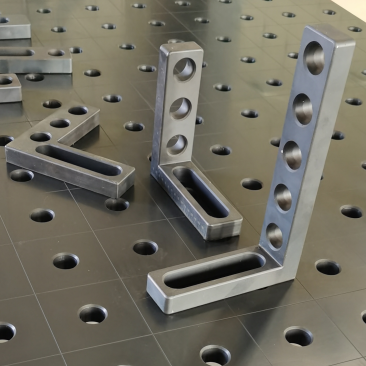
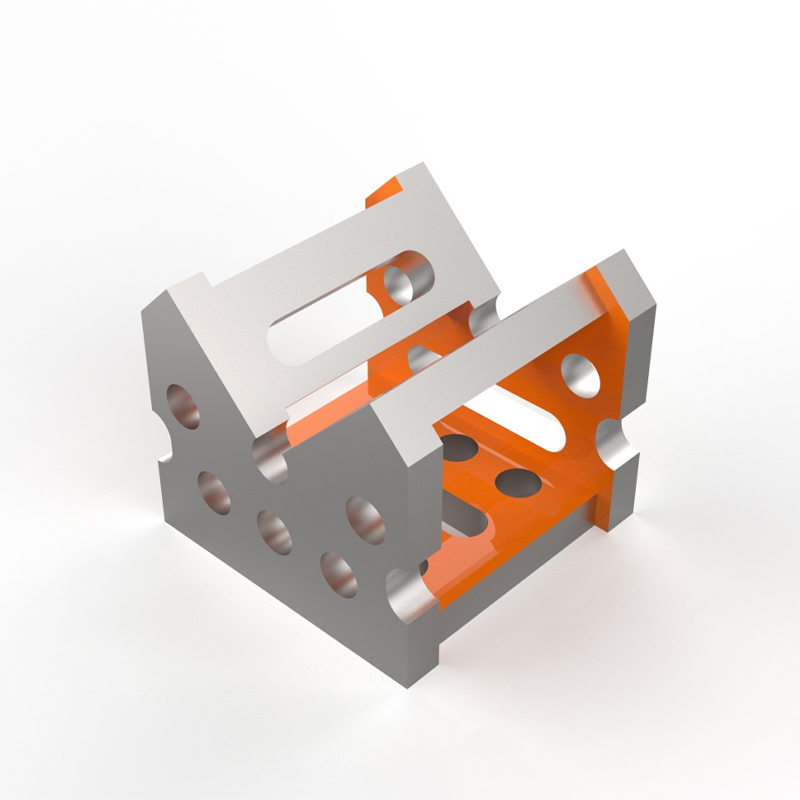
Their core product line features renowned 2D and 3D flexible welding platforms, which have become preferred jigging equipment in demanding sectors such as machining, automotive, and aerospace. What sets Haijun apart is their seamless integration of platforms with a vast array of complementary components. Their catalog includes versatile U-shaped and L-shaped multi-purpose square boxes, robust 200-series support angle irons, and precise 0-225° universal angle gauges. These accessories are engineered to work in harmony with their platforms, enabling rapid workpiece positioning and clamping with exceptional stability.
Furthermore, Haijun Metal manufactures professional cast iron 3D welding platforms and specialized angle connection blocks, ensuring every product delivers the durability required for heavy industrial use. With years of experience serving customers both domestically and internationally, Botou Haijun Metal Products continues to drive innovation, offering high-quality production machinery tool series that empower fabricators to achieve unmatched precision and efficiency.
Frequently Asked Questions (FAQ)
Can I mix tooling from different brands?
Generally, yes, provided the pin diameters and hole spacing match. Most systems adhere to standard metric or imperial sizing (e.g., 16mm or 5/8 inch pins with 100mm spacing). However, always verify tolerance specifications, as some budget brands may have looser fits that affect precision.
How do I prevent welding spatter from sticking to the table?
Applying a ceramic-based anti-spatter spray to the table surface and tooling before welding is highly effective. Additionally, using copper blocks or specialized spatter guards near high-heat zones can protect the grid holes from becoming clogged.
Is a portable table sturdy enough for production work?
Portable tables are excellent for light fabrication, repairs, and on-site work. However, for high-volume production involving heavy parts or extensive welding, a stationary, floor-bolted model is recommended to ensure maximum rigidity and safety.
What is the typical lead time for delivery?
Lead times vary by manufacturer and region. Popular models are often in stock and ship within a few days. Custom sizes or large industrial orders may take several weeks to manufacture and deliver. It is advisable to check current inventory levels before planning critical project timelines.
Do I need special training to use these tables?
No formal certification is required, but familiarity with fixturing principles is beneficial. Most users learn quickly through practice. Manufacturers often provide guides and videos demonstrating common setups, which serve as excellent starting points for new operators.
Final Verdict: Choosing the Right Solution
Investing in a strong hand fixture table is a strategic move for any fabrication business aiming to improve efficiency and quality in 2026. The ability to rapidly switch between jobs while maintaining high precision offers a competitive edge that traditional methods cannot match.
For small shops and mobile welders, a portable Force-10 style table offers the best balance of versatility and affordability. Large industrial facilities should consider the Mega-Force series for its durability and load-bearing capacity. Precision-focused industries will find the Micro-Force system indispensable for detailed work.
Remember that the table is only half the equation. Allocating sufficient budget for a diverse range of clamps, stops, and angles is crucial to unlocking the system’s full potential. By selecting the right model from a reputable provider like Botou Haijun Metal Products and maintaining it properly, you equip your shop with a foundational tool that will drive productivity for years to come.
Evaluate your current workflow bottlenecks. If setup time and rework due to misalignment are eating into your profits, a modular fixture table is likely the solution. Research specific models, read user reviews, and if possible, visit a showroom to test the feel of the tooling. The right choice will transform your welding process from a manual art into a streamlined, repeatable science.