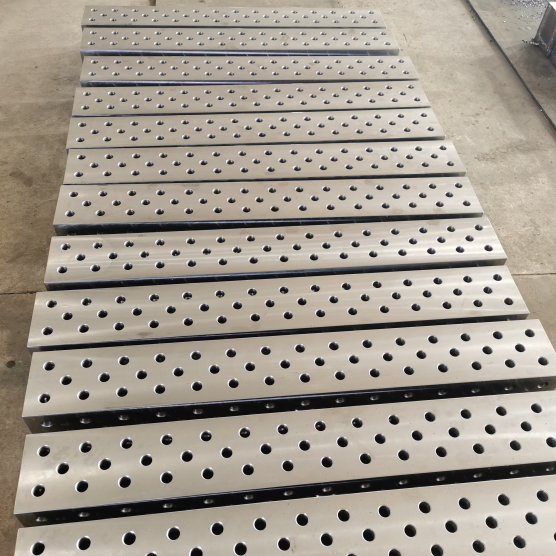
Choosing between a steel welding table vs aluminum welding table depends entirely on your specific fabrication needs, budget, and portability requirements. Steel tables offer superior durability, heat resistance, and cost-effectiveness for heavy-duty industrial applications, while aluminum tables provide exceptional corrosion resistance and lightweight portability for specialized or mobile workflows. For most general fabrication shops, steel remains the industry standard due to its robustness, whereas aluminum excels in environments where rust prevention and easy transport are paramount.
Understanding the Core Differences: Steel vs. Aluminum Welding Tables
The debate regarding steel welding table vs aluminum welding table is not merely about material preference; it is a fundamental decision that impacts workflow efficiency, long-term investment, and project quality. In the metal fabrication industry, the workbench serves as the cornerstone of productivity. It must withstand extreme thermal cycles, support heavy loads, and maintain geometric precision over years of rigorous use.
Steel, typically low-carbon or mild steel, has been the dominant material for welding fixtures for decades. Its molecular structure allows it to absorb significant impact without deforming permanently. Furthermore, steel’s high melting point ensures that stray arcs or intense heat from the welding process do not compromise the table’s structural integrity. This makes it the default choice for heavy manufacturing, automotive repair, and structural steelwork.
Conversely, aluminum welding tables have gained traction in recent years, particularly among artisans, aerospace technicians, and mobile welders. Aluminum possesses a unique oxide layer that naturally resists corrosion, eliminating the need for frequent painting or oiling. Its most distinct advantage is weight; an aluminum table can weigh up to 60% less than a comparable steel unit. This characteristic transforms the concept of a “fixed” workstation into a mobile asset that can be easily relocated or transported to job sites.
However, selecting the right material requires looking beyond surface-level attributes. One must consider thermal conductivity, magnetic properties, load-bearing capacity, and maintenance lifecycles. While steel offers brute strength, it is susceptible to oxidation if not properly maintained. Aluminum, while rust-proof, has a lower melting point and can be more easily damaged by high-amperage welding processes if proper precautions are not taken. Understanding these nuances is critical for making an informed purchasing decision that aligns with your operational goals.
Steel Welding Tables: The Industry Standard for Durability
When professionals discuss the gold standard in fabrication surfaces, they are almost invariably referring to steel. The prevalence of steel in industrial settings is not accidental; it is the result of decades of proven performance under extreme conditions. A high-quality steel welding table provides a stable, rigid platform that minimizes vibration and deflection during complex assembly tasks.
Structural Integrity and Load Capacity
The primary advantage of steel lies in its tensile strength and modulus of elasticity. Steel tables can support immense weights without bowing or sagging. This is crucial when working with large structural beams, heavy machinery components, or thick plate metals. In scenarios where multiple clamps, vises, and heavy workpieces are positioned on the table simultaneously, steel maintains its flatness.
- High Load Bearing: Steel tables can often support several tons of distributed weight, making them ideal for heavy industrial applications.
- Rigidity: The inherent stiffness of steel reduces flex, ensuring that tack welds hold their position accurately before final welding.
- Impact Resistance: Dropping heavy tools or workpieces onto a steel surface is unlikely to cause dents that affect usability, unlike softer materials.
This structural reliability translates directly to precision. In fixturing and jigging, even a millimeter of deviation can ruin a complex assembly. Steel’s ability to remain dimensionally stable under load ensures that tolerances are maintained throughout the fabrication process. This is why automated welding cells and robotic arms are almost exclusively mounted on steel frameworks.
Thermal Performance and Heat Resistance
Welding generates intense localized heat. Whether using Stick, MIG, or TIG processes, sparks, spatter, and radiant heat are constant factors. Steel has a significantly higher melting point compared to aluminum. Mild steel melts at approximately 2,500°F (1,370°C), whereas aluminum alloys typically melt around 1,200°F (650°C).
This thermal margin is vital. Accidental arc strikes or prolonged exposure to high-heat processes pose little risk to a steel table. While spatter will adhere to the surface, it can be chipped off without damaging the base metal. In contrast, aluminum tables require careful management of heat input. High-amperage welding near the table surface can potentially warp or weaken the aluminum if the heat dissipates too slowly or concentrates in one area.
Furthermore, steel acts as a massive heat sink. It absorbs and dissipates heat effectively, preventing hot spots from forming that could distort thin workpieces placed upon it. This thermal mass helps stabilize the temperature of the workpiece during tack welding, leading to better control over distortion.
Magnetic Properties and Clamping Versatility
A often-overlooked benefit of steel welding tables is their ferromagnetic nature. This property unlocks a vast array of clamping and fixturing options that are simply not available with non-magnetic materials. Magnetic clamps, hold-downs, and squares can be instantly attached anywhere on the table surface without the need for sliding into specific slots or bolting down.
- Rapid Setup: Magnetic tools allow for instant positioning and removal, drastically reducing setup time for one-off jobs.
- Flexible Positioning: Unlike slotted tables where clamps are restricted to grid lines, magnets can be placed at any coordinate on the surface.
- Cost-Effective Tooling: Magnetic clamping solutions are generally less expensive than complex mechanical locking systems required for other table types.
For shops that handle a wide variety of part sizes and shapes, this flexibility is invaluable. It allows welders to secure odd-shaped components quickly and securely. While modern aluminum tables often feature precision-drilled hole patterns to accommodate mechanical clamps, they cannot utilize magnetic tooling, which limits the speed and versatility of certain operations.
Aluminum Welding Tables: Portability and Corrosion Resistance
While steel dominates the heavy industrial sector, aluminum welding tables have carved out a significant niche in specific markets. The rise of aluminum tables is driven by the need for mobility, hygiene, and resistance to harsh environmental conditions. For certain applications, the unique properties of aluminum make it the superior choice over steel.
Lightweight Design and Mobility
The most immediate difference a user notices is the weight. An aluminum welding table can be lifted by a single person, whereas a comparable steel table often requires a forklift or a team of workers to move. This characteristic is transformative for mobile welders, field service technicians, and artists who frequently change work locations.
Consider a scenario where a fabricator needs to work on a construction site or at a client’s facility. Transporting a heavy steel table is logistically challenging and fuel-intensive. An aluminum table fits easily into a standard van or truck bed and can be unloaded without heavy equipment. This portability extends within the shop as well; tables can be rolled or carried to different stations depending on the day’s workflow, optimizing floor space utilization.
- Ease of Transport: Ideal for contractors who travel to job sites regularly.
- Reconfigurable Shop Layouts: Allows for quick changes in workshop organization without crane assistance.
- Reduced Shipping Costs: Lower weight results in significant savings when purchasing online or shipping internationally.
Despite the lower weight, modern aluminum tables are engineered with reinforced extrusions and gusseted corners to maintain impressive rigidity. While they may not match the absolute load capacity of heavy-gauge steel, they are more than sufficient for light to medium-duty fabrication, pipe fitting, and artistic metalwork.
Inherent Corrosion Resistance
Steel is prone to rust when exposed to moisture and oxygen. Without protective coatings like paint, powder coat, or regular applications of oil, a steel table will corrode over time. Rust can contaminate welds, stain finished products, and degrade the flatness of the table surface. Maintaining a steel table requires a proactive regimen of cleaning and protection.
Aluminum, however, forms a natural oxide layer upon exposure to air. This layer is hard, transparent, and self-healing. If scratched, it reforms almost instantly, protecting the underlying metal from further oxidation. This makes aluminum welding tables ideal for environments with high humidity, coastal areas with salt air, or facilities where chemicals and solvents are frequently used.
For industries such as food processing equipment fabrication, marine component repair, or pharmaceutical manufacturing, cleanliness is paramount. An aluminum table does not flake rust onto clean surfaces, ensuring that the final product meets strict hygiene standards. The lack of required coating also means there are no paints to chip or peel, maintaining a professional appearance indefinitely with minimal effort.
Non-Magnetic and Non-Sparking Characteristics
In certain specialized applications, the non-magnetic nature of aluminum is a feature, not a limitation. When working with sensitive electronic components or materials that must not be influenced by magnetic fields, an aluminum table provides a neutral workspace. Additionally, aluminum is non-sparking.
This safety feature is critical in environments where flammable gases, vapors, or dust are present. Striking a tool against a steel surface can generate sparks capable of igniting an explosive atmosphere. Aluminum tools and surfaces significantly reduce this risk, making aluminum welding tables a safer choice for specific hazardous location protocols, although welding itself introduces ignition sources that require separate management.
Head-to-Head Comparison: Steel vs. Aluminum
To make a definitive decision in the steel welding table vs aluminum welding table debate, it is essential to analyze the direct trade-offs. The following comparison breaks down the critical performance metrics, helping you identify which material aligns with your operational priorities.
| Feature |
Steel Welding Table |
Aluminum Welding Table |
| Weight |
Heavy; requires equipment to move |
Light; portable by one person |
| Durability |
Extremely high; resistant to impact and abuse |
High; but softer surface can dent easier |
| Heat Resistance |
Excellent; high melting point |
Moderate; lower melting point requires care |
| Corrosion Resistance |
Poor; requires coating or maintenance |
Excellent; naturally rust-proof |
| Magnetic Properties |
Ferromagnetic; supports magnetic clamps |
Non-magnetic; requires mechanical clamps |
| Cost |
Generally lower initial cost |
Higher initial cost due to material price |
| Maintenance |
Regular cleaning and rust prevention needed |
Low maintenance; simple cleaning |
| Best Application |
Heavy industry, structural steel, high volume |
Mobile work, marine, aerospace, art |
This table highlights that neither material is universally “better.” Instead, they serve different masters. Steel wins on raw power, thermal tolerance, and cost-efficiency. Aluminum wins on logistics, environmental resilience, and specialized safety requirements. The choice ultimately hinges on which of these factors carries the most weight in your specific context.
Cost Analysis and Long-Term Value
Initial purchase price is often a deciding factor. Generally, steel welding tables are more affordable than their aluminum counterparts. The raw material cost of steel is lower, and the manufacturing processes are highly optimized due to widespread demand. For a startup shop or a hobbyist on a budget, steel offers the most bang for the buck.
However, total cost of ownership (TCO) tells a more complete story. A steel table may require periodic repainting, rust removal, and replacement of damaged surface plates over a decade of use. Aluminum, while more expensive upfront, incurs virtually no maintenance costs related to corrosion. In harsh environments where a steel table might degrade within five years, an aluminum table could last decades with negligible upkeep. Therefore, for long-term deployments in corrosive settings, aluminum may prove more economical over time.
Technical Considerations for Specific Welding Processes
The type of welding process you primarily employ should heavily influence your table selection. Different methods generate varying levels of heat, spatter, and UV radiation, each interacting differently with steel and aluminum surfaces.
MIG and Stick Welding
Gas Metal Arc Welding (MIG) and Shielded Metal Arc Welding (Stick) are high-deposition processes that generate significant spatter and heat. These processes are notoriously messy. Molten droplets fly freely and can embed themselves into the table surface.
Steel tables are exceptionally well-suited for MIG and Stick welding. The spatter sticks to the steel but can be easily removed with a chipping hammer or scraper without gouging the table. The high heat tolerance means you can weld directly on the table surface if necessary (though using a sacrificial plate is always recommended). Using these processes on an aluminum table requires extreme caution. Spatter can fuse aggressively to aluminum, and the intense heat can warp the thinner gauge materials often used in aluminum table construction.
TIG Welding
Gas Tungsten Arc Welding (TIG) is a cleaner, more precise process often used for stainless steel, aluminum, and exotic alloys. It produces very little spatter but requires a pristine environment to prevent contamination. Here, the material of the table becomes critical for different reasons.
If you are TIG welding carbon steel, a steel table is fine, provided it is clean. However, if you are TIG welding aluminum or stainless steel, cross-contamination is a major concern. Iron particles from a steel table can embed into a stainless steel workpiece, leading to “tea-staining” or rust spots later. Similarly, steel contamination can weaken aluminum welds.
In mixed-material shops, an aluminum table offers a distinct advantage for non-ferrous work. Since aluminum does not shed iron particles, it reduces the risk of contaminating stainless or aluminum workpieces. Many high-end fabrication shops utilize dedicated aluminum tables specifically for their stainless and aluminum TIG work to ensure purity and quality.
Advanced Solutions: Integrating Precision Fixturing Systems
While selecting the base material—steel or aluminum—is the first step, maximizing the potential of your welding station often requires advanced modular fixturing. This is where specialized manufacturers like Botou Haijun Metal Products Co., Ltd. play a pivotal role. Specializing in the research, development, and production of high-precision flexible modular fixtures, Haijun Metal is committed to providing efficient and adaptable welding solutions for the modern manufacturing industry.
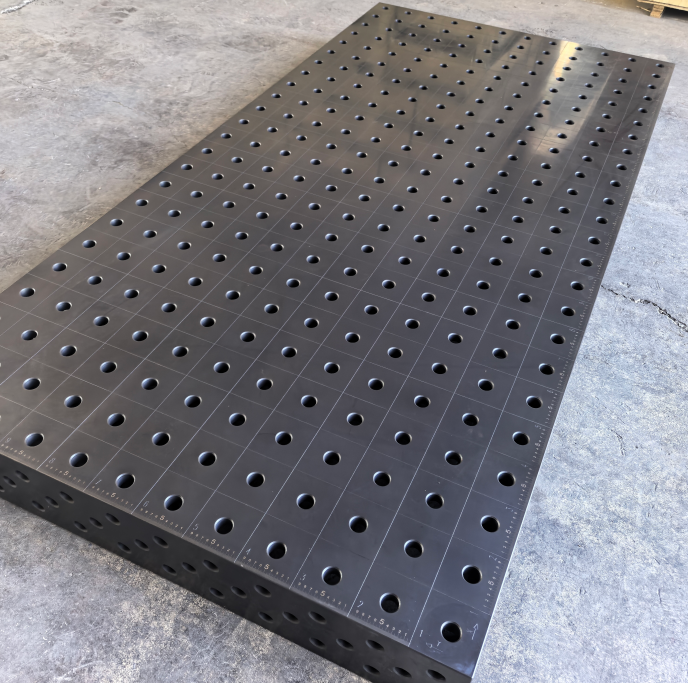
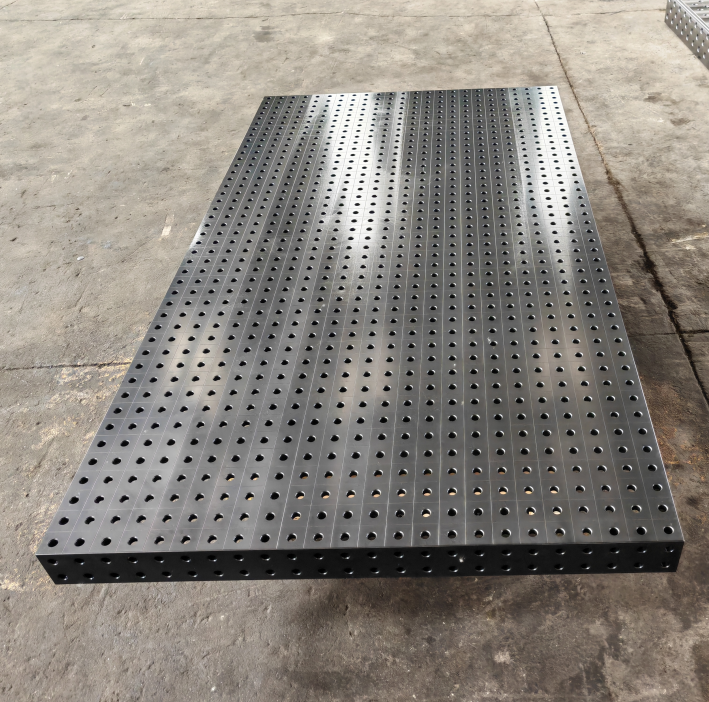
Whether your foundation is a robust steel table for heavy industrial use or a lightweight aluminum platform for aerospace applications, integrating Haijun’s core product line of 2D and 3D flexible welding platforms can elevate your workflow. Renowned for their exceptional versatility and precision, these systems have become the preferred jigging equipment in machining, automotive, and aerospace sectors. Their design ensures that regardless of the table material chosen, users can achieve rapid, repeatable, and accurate workpiece positioning.
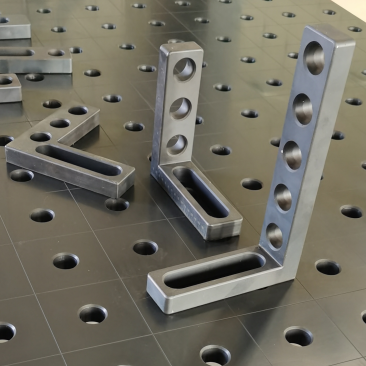
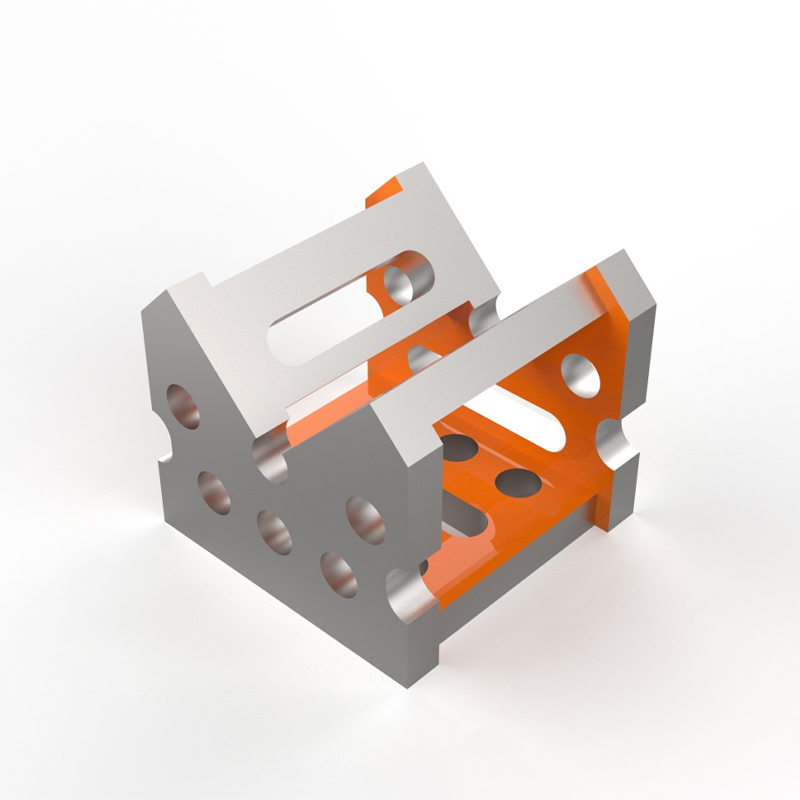
Beyond the main platforms, Haijun Metal offers a comprehensive ecosystem of complementary components designed to integrate seamlessly with both steel and aluminum setups. Their catalog includes U-shaped and L-shaped multi-purpose square boxes, 200-series support angle irons, and 0-225° universal angle gauges. These accessories enable rapid clamping and positioning, significantly reducing setup times for complex assemblies. Furthermore, for shops requiring maximum stability and vibration damping, the company manufactures professional cast iron 3D welding platforms and angle connection blocks. With years of industry experience, Haijun Metal has established itself as a trusted global supplier, ensuring that every tool and gauge delivered meets the highest standards of durability and performance.
Maintenance and Lifecycle Management
Owning a welding table is a long-term commitment. Understanding the maintenance requirements of each material ensures you maximize its lifespan and performance.
Caring for Your Steel Table
Steel demands respect and attention. The enemy of steel is moisture. To keep a steel table in top condition:
- Regular Cleaning: Remove spatter and slag daily to prevent buildup that can trap moisture.
- Protective Coatings: Apply a thin layer of machine oil, WD-40, or a specialized anti-rust spray regularly, especially in humid climates.
- Surface Refurbishment: Over time, the surface may become pitted or uneven. Grinding the surface flat and re-applying a protective coating can restore functionality.
- Rust Removal: If rust appears, address it immediately with wire brushing or sanding to prevent it from spreading underneath coatings.
Neglecting a steel table can lead to severe degradation. Rust pits can transfer to workpieces, ruining finish quality. However, with consistent care, a steel table can serve a shop for generations.
Caring for Your Aluminum Table
Aluminum is famously low-maintenance, but it is not invincible. While it won’t rust, it can oxidize heavily if exposed to certain chemicals, and it can suffer from galvanic corrosion if dissimilar metals are left in contact in the presence of an electrolyte (like water).
- Gentle Cleaning: Use mild soap and water. Avoid harsh acidic or alkaline cleaners that can attack the oxide layer.
- Avoid Steel Wool: Never clean an aluminum table with steel wool or wire brushes used on steel. This embeds iron particles into the aluminum, causing unsightly rust stains.
- Check Fasteners: Ensure that bolts and hardware are compatible (e.g., stainless steel) to prevent galvanic corrosion at connection points.
- Heat Protection: Always use fire-resistant blankets or sacrificial plates when performing high-heat welding to protect the table surface from warping.
The ease of care for aluminum is a significant selling point for busy shops where downtime for maintenance is costly. A quick wipe-down is often all that is needed to keep the table ready for the next job.
Application Scenarios: Who Should Choose What?
To simplify the decision-making process, let us look at specific user profiles and recommend the optimal choice based on typical workflows.
The Heavy Industrial Fabricator
Recommendation: Steel
If your daily work involves cutting and welding thick structural beams, assembling heavy machinery, or running high-volume production lines, steel is the only viable option. The sheer mass and rigidity required to handle these loads rule out aluminum. The ability to use magnetic clamps speeds up the repetitive fixation of heavy parts. The lower cost allows you to outfit a large facility with multiple stations without breaking the budget.
The Mobile Contractor and Field Service Tech
Recommendation: Aluminum
For professionals who live out of a truck, moving from job site to job site, weight is the enemy. An aluminum table allows you to set up a precision workstation anywhere, from a muddy construction site to a finished client floor, without needing a crew to unload it. The corrosion resistance ensures that rain or humidity during outdoor work won’t ruin your equipment overnight.
The Marine and Coastal Workshop
Recommendation: Aluminum
Salt air is devastating to steel. Even painted steel tables eventually succumb to the corrosive marine environment. An aluminum table thrives in these conditions. Boat builders, dock repair specialists, and coastal artists will find that the longevity of aluminum far outweighs the higher initial cost. The non-magnetic property is also beneficial when working near sensitive marine navigation equipment.
The Artistic Metalworker and Sculptor
Recommendation: Depends on Medium
Artists working primarily in steel may prefer the traditional feel and magnetic utility of a steel table. However, those working with stainless steel, bronze, or aluminum sculptures often prefer aluminum tables to prevent cross-contamination and staining. The clean, bright appearance of an aluminum table also complements the aesthetic of many art studios.
Frequently Asked Questions (FAQ)
Here are answers to common questions regarding the choice between steel and aluminum welding tables, addressing specific concerns about performance and compatibility.
Can I weld aluminum on a steel table?
Yes, you can weld aluminum workpieces on a steel table. However, you must take precautions to prevent contamination. Steel particles can embed into the aluminum weld zone, causing weakness or corrosion. It is best practice to use a dedicated stainless steel or aluminum backing plate when welding aluminum on a steel table. Additionally, ensure your wire brush and grinding discs are dedicated solely to aluminum to avoid transferring steel to the workpiece.
Will an aluminum table warp under welding heat?
Aluminum has a lower melting point and higher thermal expansion rate than steel. While modern aluminum welding tables are designed to withstand typical welding heat, excessive localized heat from high-amperage processes can cause warping. To prevent this, always use ceramic blankets, copper backings, or sacrificial steel plates to shield the table surface. Avoid striking arcs directly on the aluminum table frame.
Are aluminum welding tables strong enough for heavy clamping?
Yes, provided they are designed correctly. High-quality aluminum tables use thick extrusions and reinforced corner joints to handle significant clamping forces. However, they generally have a lower maximum load rating than heavy-gauge steel tables. For extremely high-torque clamping or massive workpieces, verify the manufacturer’s load specifications. Mechanical clamps designed for T-slot tables work perfectly with aluminum, compensating for the lack of magnetic holding power.
How do I prevent rust on a steel welding table?
The most effective method is regular application of a protective barrier. Common solutions include light machine oil, silicone sprays, or specialized welding table waxes. Some users prefer to let the table develop a uniform layer of surface rust (which can actually protect deeper layers) and then seal it with a clear coat, though this is less common in precision work. Keeping the shop environment dry and controlling humidity also plays a crucial role in rust prevention.
Is the cost difference between steel and aluminum significant?
Typically, yes. Aluminum tables can cost 30% to 50% more than comparable steel tables due to the higher raw material cost and machining complexity. However, this gap narrows when factoring in shipping costs for heavy steel units and the long-term maintenance savings of aluminum. For budget-conscious buyers, steel offers better immediate value, while aluminum represents a premium investment for specific advantages.
Final Verdict: Making the Right Choice for Your Shop
The question of steel welding table vs aluminum welding table does not have a single universal answer. It is a strategic decision based on the intersection of your workload, environment, and logistical constraints.
Choose Steel If:
You prioritize maximum durability, heat resistance, and load capacity. You work primarily with carbon steel, utilize magnetic clamping tools, and operate in a fixed indoor location. You are looking for the most cost-effective solution for heavy-duty industrial applications and are willing to perform routine maintenance to prevent rust.
Choose Aluminum If:
Portability is a key requirement for your business. You operate in corrosive environments (marine, chemical, outdoors) where rust is a major concern. You specialize in stainless steel, aluminum, or non-ferrous metals where cross-contamination must be avoided. You value a low-maintenance workflow and are willing to invest more upfront for long-term convenience and specialized performance.
Both materials represent excellent engineering solutions tailored to different facets of the welding trade. By carefully evaluating your specific operational needs against the strengths and weaknesses outlined above, and considering advanced modular solutions from trusted providers like Haijun Metal, you can select a welding table that will serve as a reliable foundation for your craftsmanship for years to come. Assess your current projects, anticipate future growth, and choose the material that empowers your workflow most effectively.