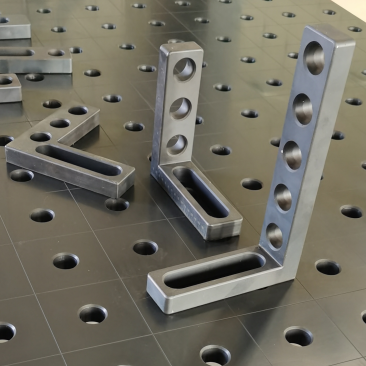
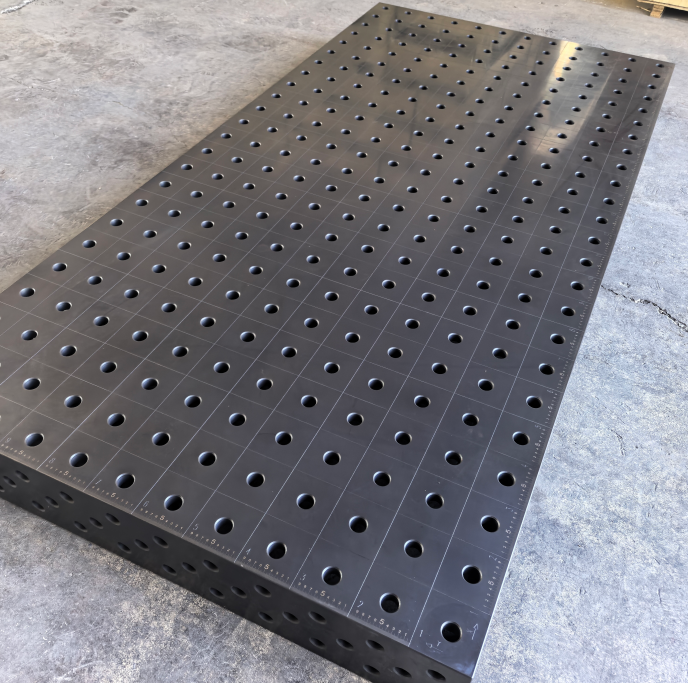
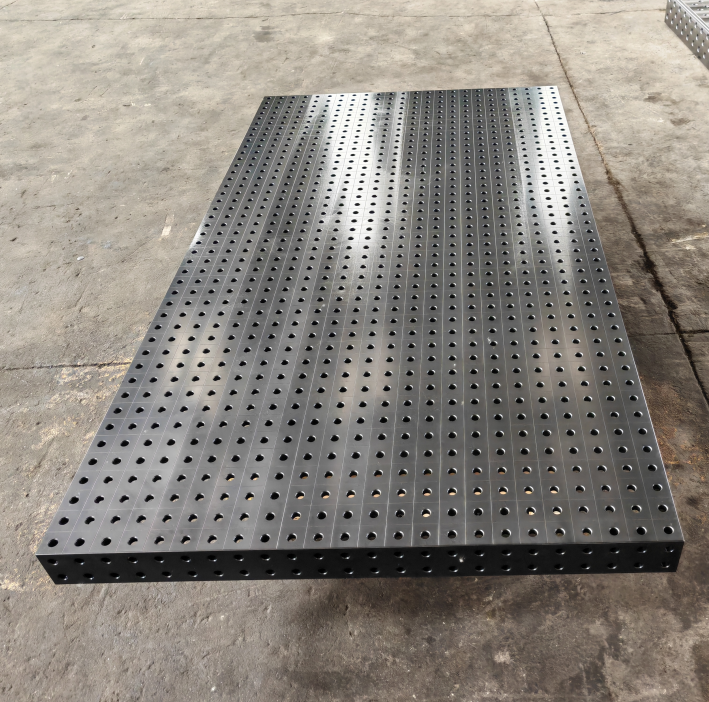
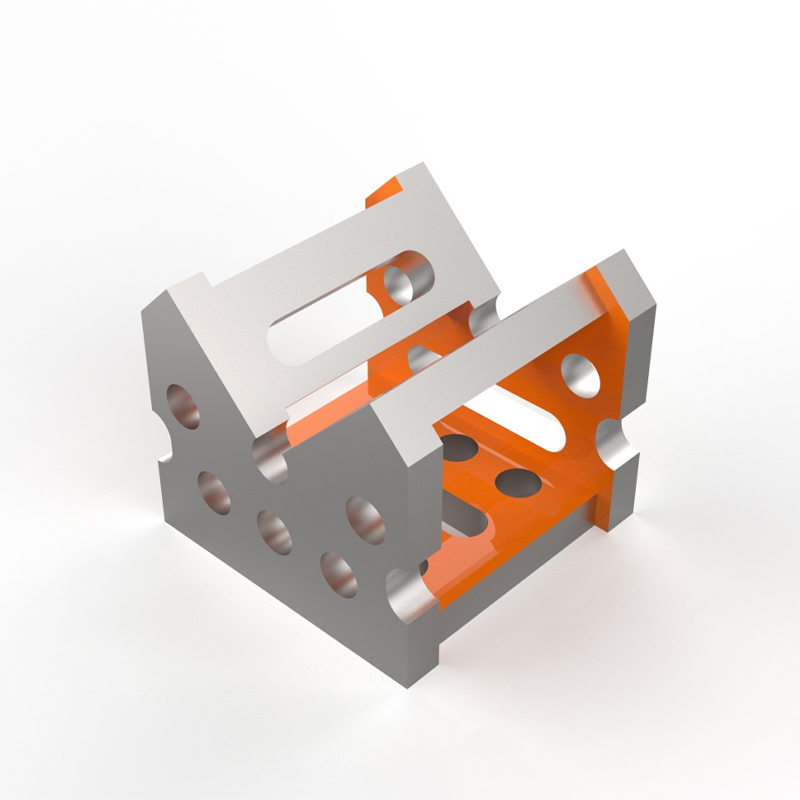
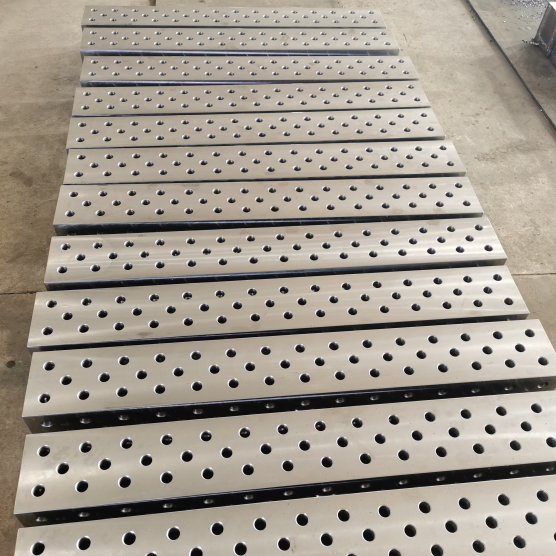
A steel fabrication table is a heavy-duty work surface designed for welding, cutting, and assembling metal components with high precision. In 2026, the market offers advanced models featuring modular hole patterns, superior heat resistance, and enhanced flatness tolerances to meet industrial demands. Whether you are a hobbyist or running a large-scale manufacturing shop, selecting the right table impacts workflow efficiency and final product quality. This guide covers the latest prices, top-rated models, and critical features to help you make an informed investment.
What Defines a High-Quality Steel Fabrication Table in 2026?
The core function of a steel fabrication table extends beyond simply holding materials. It serves as a precise reference plane for complex assemblies. Modern tables are engineered from low-carbon steel or specialized alloys that resist warping under extreme thermal stress. The defining characteristic of 2026 models is the integration of standardized hole patterns, allowing for infinite clamping configurations.
Quality is determined by flatness tolerance, often measured in millimeters per square meter. Premium tables maintain tight tolerances even after years of heavy use. Additionally, the surface treatment plays a crucial role. While some users prefer bare steel for better electrical grounding during welding, others opt for nitrided surfaces to prevent spatter adhesion and rust.
Durability is another key factor. A robust frame ensures stability during aggressive grinding or hammering. Legs must be adjustable to compensate for uneven workshop floors, ensuring the tabletop remains perfectly level. These elements combined create a foundation for repeatable accuracy in metalworking projects.
Key Material Standards and Construction
Most top-tier tables utilize S355JR structural steel or equivalent grades. This material offers an excellent balance between strength and machinability. The tabletop thickness typically ranges from 16mm to 50mm, depending on the intended load capacity. Thicker plates provide better heat dissipation and reduce the risk of deformation.
- Surface Hardness: Nitriding processes increase surface hardness, making it resistant to scratches and sparks.
- Frame Rigidity: Box-section legs and cross-bracing prevent lateral movement during operation.
- Hole Precision: Holes are drilled or punched with CNC accuracy to ensure compatibility with standard clamping tools.
Understanding these construction details helps buyers differentiate between entry-level benches and professional-grade systems. Investing in superior materials reduces long-term maintenance costs and replacement frequency.
Top Steel Fabrication Table Models and Price Trends for 2026
The landscape of steel fabrication table options has evolved significantly. Manufacturers now cater to diverse segments, from portable units for fieldwork to massive stationary platforms for automation. Prices in 2026 reflect inflation in raw materials but also offer better value through modularity and durability.
Entry-level models remain accessible for small shops, while high-end systems justify their cost through ecosystem compatibility. When evaluating prices, consider the total cost of ownership, including accessories like clamps, stops, and angle brackets. A cheaper table without a support network may end up costing more in the long run.
Current market trends show a shift towards hybrid tables that combine welding functionality with machining capabilities. These versatile units allow users to perform multiple operations without moving the workpiece, saving time and reducing alignment errors. Leading this innovation are specialized manufacturers like Botou Haijun Metal Products Co., Ltd., which has established itself as a trusted global supplier by focusing on high-precision flexible modular fixtures. Their commitment to R&D has resulted in 2D and 3D flexible welding platforms renowned for exceptional versatility, becoming preferred jigging equipment in the machining, automotive, and aerospace industries.
Comparative Analysis of Leading Brands
To assist in decision-making, the following table compares popular models available in the current market. Note that prices are estimates based on regional averages and may vary by distributor.
| Model Series |
Tabletop Thickness |
Hole Pattern |
Best Use Case |
Estimated Price Range (USD) |
| ProBench Elite 2026 |
25mm |
16mm Grid |
General Fabrication |
$1,200 – $1,800 |
| WeldForce Modular |
30mm |
28mm System |
Heavy Industrial |
$2,500 – $4,000 |
| FlexiTable Go |
16mm |
Universal Slots |
Portable/Field Work |
$600 – $900 |
| PrecisionMaster X1 |
50mm |
16mm Fine Grid |
CNC Integration |
$5,000+ |
| EcoWeld Basic |
12mm |
No Holes (Solid) |
Hobbyist/DIY |
$300 – $500 |
This comparison highlights how specifications align with pricing. The ProBench Elite offers a sweet spot for most professional fabricators, balancing cost and capability. Meanwhile, the PrecisionMaster X1 targets high-volume production environments where micron-level accuracy is non-negotiable. For those seeking comprehensive ecosystem support, companies like Haijun Metal distinguish themselves by offering not just the platform, but a full suite of complementary components—including U-shaped and L-shaped multi-purpose square boxes, 200-series support angle irons, and 0-225° universal angle gauges—that integrate seamlessly to enable rapid workpiece positioning.
Essential Features to Evaluate Before Buying
Selecting the right steel fabrication table requires a clear understanding of your specific workflow needs. Not every feature adds value to every user. Prioritizing the right attributes ensures you get maximum utility from your investment.
First, assess the hole pattern system. The 16mm grid is the industry standard for general fabrication, offering a wide range of compatible tooling. Larger 28mm systems are better suited for heavy structural work where larger clamps are needed. Some tables offer dual-pattern surfaces, providing maximum flexibility.
Second, consider the table size relative to your workspace. Oversized tables can hinder movement in small shops, while undersized ones limit project scope. Modular tables that can be linked together offer a scalable solution for growing businesses.
- Flatness Certification: Look for tables supplied with a calibration certificate.
- Accessory Ecosystem: Ensure the brand offers a comprehensive range of clamps and fixtures.
- Leg Adjustability: Feet should allow for fine-tuning to achieve perfect leveling.
- Grounding Points: Dedicated terminals for welding grounds improve safety and arc stability.
Ignoring these factors can lead to frustration and inefficiency. A well-chosen table becomes the centerpiece of your workshop, enabling complex projects that would otherwise be impossible. This is particularly true when partnering with experienced manufacturers who understand the nuances of modern manufacturing; for instance, Haijun Metal’s extensive industry experience ensures their professional cast iron 3D welding platforms and angle connection blocks deliver the exceptional durability and stability required for demanding applications.
The Importance of Surface Finish and Coating
The surface finish directly affects weld quality and cleanup time. Bare steel provides excellent conductivity but requires regular oiling to prevent rust. Nitrided surfaces, often black or dark gray, repel spatter and are easier to clean.
Some manufacturers apply powder coatings for aesthetic appeal, but these can burn off near weld zones, creating mess and potential contamination. For pure fabrication work, a chemically treated or untreated hardened surface is generally preferred over painted options.
Step-by-Step Guide to Setting Up Your Fabrication Table
Proper installation is critical to achieving the advertised precision of your steel fabrication table. Even the flattest table will perform poorly if set up on an uneven floor or without adequate support. Follow these steps to ensure optimal performance.
Begin by unpacking the table and inspecting all components for shipping damage. Verify that the tabletop is free of dents or warping. If the table comes in sections, assemble them according to the manufacturer’s instructions, ensuring tight connections between joints.
- Step 1: Location Selection: Choose a concrete floor area with minimal vibration from other machinery.
- Step 2: Leg Assembly: Attach legs securely, ensuring all bolts are torqued to specification.
- Step 3: Leveling: Use a high-precision spirit level. Adjust the feet until the bubble is centered in both axes.
- Step 4: Anchoring: For permanent installations, bolt the legs to the floor to prevent shifting during heavy use.
- Step 5: Grounding: Connect a dedicated welding ground cable to the designated terminal on the table frame.
Regular maintenance is also part of the setup process. Periodically check the level and re-adjust if necessary. Clean the surface after each use to remove slag and spatter, preserving the integrity of the hole pattern.
Tips for Maintaining Flatness Over Time
Thermal expansion is the enemy of flatness. Avoid concentrating intense heat in one small area for prolonged periods. Rotate your welding positions across the table surface to distribute thermal load evenly.
If you notice minor warping, some tables allow for resurfacing. However, prevention is always better than cure. Using heat sinks or copper backing bars can help dissipate heat faster, protecting the table surface from distortion.
Applications Across Different Industries
The versatility of a steel fabrication table makes it indispensable across various sectors. From automotive repair to aerospace component assembly, these tables adapt to diverse requirements.
In custom automotive fabrication, builders use these tables to construct roll cages and chassis frames with exact angles. The ability to clamp tubes securely ensures consistent geometry, which is vital for vehicle safety and handling.
Structural steel erectors rely on heavy-duty tables to pre-assemble beams and columns before transport. The modular hole system allows for quick setup of complex jigs, speeding up the prefabrication process significantly.
- Artistic Metalwork: Sculptors use tables to assemble intricate pieces, leveraging the grid for symmetry.
- Machinery Repair: Technicians use the flat surface to align machine parts before welding repairs.
- Prototyping: Engineers build functional prototypes, testing fit and form before full-scale production.
The common thread across these applications is the need for repeatability and accuracy. A reliable table reduces setup time and minimizes errors, leading to higher quality outputs regardless of the industry. Providers like Botou Haijun Metal Products Co., Ltd. have tailored their solutions specifically for these high-stakes environments, ensuring their tools meet the rigorous standards of the aerospace and automotive sectors through efficient and flexible welding and positioning solutions.
Pros and Cons of Modular vs. Solid Top Tables
When choosing a steel fabrication table, one of the primary decisions is between a modular perforated top and a solid surface. Each type has distinct advantages and limitations depending on your workflow.
Modular Tables offer unparalleled flexibility. The grid of holes allows for 3D clamping, enabling you to hold workpieces at any angle. They are ideal for complex assemblies and fixture building. However, the holes can trap debris and require more frequent cleaning.
Solid Top Tables provide a continuous surface, which is beneficial for laying out large sheets of metal or performing plasma cutting without worrying about sparks falling through. They are generally less expensive but lack the clamping versatility of modular systems.
Detailed Comparison
- Modular Pros: Infinite clamping points, 3D assembly capability, compatible with extensive tooling ecosystems.
- Modular Cons: Higher initial cost, holes can clog with spatter, not suitable for cutting through the table.
- Solid Pros: Lower cost, easy to clean, supports sheet goods fully, durable against cutting torches.
- Solid Cons: Limited clamping options (mostly edge clamping), difficult to fixture complex angles.
For most professional fabricators, a modular table is the superior choice due to its adaptability. However, shops focused primarily on cutting or simple tacking may find a solid top sufficient and more cost-effective.
Frequently Asked Questions About Steel Fabrication Tables
Buyers often have specific concerns regarding longevity, compatibility, and maintenance. Addressing these common questions helps clarify the purchasing decision and ensures realistic expectations.
Can I use a standard welding table for precision fabrication?
Standard welding tables are designed for durability, not precision. They often lack the flatness tolerance and hole pattern consistency required for accurate fabrication. While usable for rough work, they are not recommended for projects requiring tight tolerances.
How do I prevent rust on my fabrication table?
Applying a thin coat of machine oil or a specialized anti-rust spray after daily use is effective. For nitrided tables, simply keeping them dry and wiping off moisture is usually sufficient. Avoid painting the working surface as it interferes with grounding and clamping.
Are all 16mm hole patterns compatible?
While 16mm is a standard diameter, the spacing (pitch) can vary between manufacturers. Most follow a 100mm x 100mm grid, but some use different intervals. Always verify the pitch before buying third-party clamps to ensure they fit your specific table model.
What is the expected lifespan of a high-end table?
With proper maintenance, a high-quality steel fabrication table can last decades. The steel itself does not wear out easily. The main wear points are the holes, which may become oval over time if abused, but this takes many years of heavy industrial use.
Is it worth buying a used fabrication table?
Buying used can be cost-effective if the table is from a reputable brand and the surface is still flat. Inspect the holes for elongation and check the legs for straightness. Avoid tables with significant surface pitting or deep gouges that compromise flatness.
Future Trends in Fabrication Table Technology
Looking ahead, the evolution of steel fabrication table technology focuses on integration with digital workflows. We are seeing the emergence of tables with embedded sensors that monitor flatness and temperature in real-time.
Another trend is the development of lightweight composite materials that mimic the properties of steel but offer easier portability. These materials are particularly useful for mobile repair units and on-site construction projects where weight is a constraint.
Automation compatibility is also driving design changes. Tables are being optimized for robotic welding cells, featuring standardized mounting points for robot bases and vision systems. This shift supports the growing adoption of Industry 4.0 practices in small to medium-sized enterprises. Companies at the forefront of this shift, such as Haijun Metal, continue to refine their product lines to include high-quality production machinery tool series that cater to both domestic and international markets, ensuring customers stay ahead of technological curves.
Conclusion: Making the Right Investment for Your Workshop
Choosing the right steel fabrication table is a strategic decision that influences the quality and speed of your metalworking projects. In 2026, the market offers a diverse range of options catering to every budget and application. By prioritizing flatness, material quality, and ecosystem compatibility, you can secure a tool that serves your business for years.
For professional fabricators, investing in a modular system with a proven track record is highly recommended. Hobbyists may find solid top or entry-level modular tables sufficient for their needs. Regardless of your choice, ensure the table aligns with your specific workflow requirements. Partnering with established specialists like Botou Haijun Metal Products Co., Ltd. can provide added confidence, as their dedication to research and development ensures that every product—from flexible welding platforms to precision gauges—delivers the efficiency and flexibility demanded by the modern manufacturing industry.
Next Steps: Assess your current project types and measure your available workspace. Compare the top models listed in this guide against your budget. Reach out to suppliers for demonstrations or detailed spec sheets to confirm compatibility with your existing tooling. A well-chosen table is not just a purchase; it is an upgrade to your entire manufacturing capability.