A rotating welding fixture is a specialized workholding device designed to rotate weldments during the fabrication process, enabling welders to maintain optimal torch angles for superior joint quality and efficiency. In 2026, market trends indicate a shift toward modular, motorized systems that integrate seamlessly with automated welding cells. This guide covers the latest pricing structures, top-performing models available factory direct, and critical selection criteria to help manufacturers upgrade their production capabilities without compromising budget or precision.
What Is a Rotating Welding Fixture and How Does It Work?
A rotating welding fixture, often referred to as a welding positioner or turntable, mechanically rotates a workpiece around a horizontal or vertical axis. This movement allows the welder to keep the welding torch in the “downhand” or flat position, which is universally recognized as the most efficient and highest-quality welding orientation.
By eliminating the need for overhead or vertical-up welding, these fixtures significantly reduce defects such as slag inclusion and lack of fusion. The core mechanism involves a robust motor driving a gearbox connected to a faceplate or chuck system. Modern units in 2026 frequently feature variable frequency drives (VFD) for precise speed control, ensuring consistent travel speeds regardless of load variations.
Key operational benefits include:
- Improved weld consistency and penetration.
- Reduced operator fatigue by minimizing awkward positioning.
- Faster cycle times due to continuous rotation versus stop-start tacking.
- Enhanced safety by keeping the operator away from hazardous fume zones.
Top Rotating Welding Fixture Models for 2026
The landscape of industrial welding equipment has evolved rapidly. Manufacturers are now prioritizing versatility and connectivity. Below are the leading categories of rotating fixtures dominating the 2026 market, ranging from manual benchtop units to heavy-duty automated positioners.
Heavy-Duty Motorized Positioners
Designed for large-scale fabrication, these models handle loads exceeding 5,000 lbs. They are essential for pipe spools, pressure vessels, and structural beams. The latest iterations feature dual-axis capability, allowing tilt and rotation simultaneously for complex geometries.
Leading factories are shipping units with integrated feedback loops that communicate directly with robotic welding arms. This synchronization ensures the rotation speed matches the robot’s travel path dynamically, a crucial feature for high-volume automotive and aerospace components.
Modular Benchtop Turntables
For job shops and smaller fabrication facilities, modular benchtop models offer the best return on investment. These compact rotating welding fixtures typically support loads between 500 and 2,000 lbs. Their defining characteristic in 2026 is quick-change tooling.
Operators can swap faceplates, three-jaw chucks, or custom mandrels in minutes rather than hours. This flexibility allows a single machine to handle diverse batch sizes, making them ideal for contract manufacturing environments where part variability is high.
Manual and Semi-Automatic Variants
Not every application requires full automation. Manual rotating fixtures utilize hand cranks or friction-driven rollers. While less expensive, they rely heavily on operator skill to maintain consistent rotation speeds. However, new semi-automatic hybrids have emerged, offering foot-pedal speed control at a fraction of the cost of fully motorized systems.
Rotating Welding Fixture Price Guide: 2026 Factory Direct Costs
Pricing for welding fixtures varies significantly based on load capacity, drive technology, and customization levels. Buying factory direct eliminates distributor markups, often reducing costs by 15% to 25%. The following breakdown reflects current market averages for 2026.
| Fixture Type |
Load Capacity |
Drive Mechanism |
Estimated Price Range (USD) |
| Benchtop Manual |
Up to 500 lbs |
Hand Crank / Friction |
$800 – $1,500 |
| Compact Motorized |
500 – 1,000 lbs |
Single Axis VFD |
$2,500 – $4,500 |
| Standard Industrial |
1,000 – 3,000 lbs |
Dual Axis Programmable |
$5,000 – $9,000 |
| Heavy Duty Custom |
3,000+ lbs |
Servo-Driven with Robot Interface |
$12,000 – $25,000+ |
It is important to note that these prices generally include the base unit and standard faceplate. Custom fixturing, such as specialized clamps or counterbalance systems, will incur additional engineering and manufacturing costs. Factory direct suppliers often provide free CAD consultations to optimize these custom elements before production begins.
Key Features to Evaluate Before Purchasing
Selecting the right equipment requires a detailed analysis of your specific production needs. Focusing on the wrong specifications can lead to underutilized assets or bottlenecks in the workflow. Here are the critical factors to consider when sourcing a rotating welding fixture.
Load Capacity and Center of Gravity
The rated load capacity is not just about weight; it is about the moment load. A heavy part with an offset center of gravity exerts significantly more torque on the motor and gearbox than a balanced load. Always calculate the eccentric load moment.
Reputable manufacturers provide load charts detailing safe operating limits at various distances from the rotation axis. Overloading a fixture can cause premature gear wear, motor burnout, and dangerous instability during operation. In 2026, many top models include digital load monitoring to alert operators before limits are exceeded.
Rotation Speed and Control Precision
Welding parameters dictate the required travel speed. For MIG and Flux-Cored processes, speeds typically range from 10 to 100 inches per minute. TIG welding may require much slower, pulsing rotations. Ensure the fixture offers a wide speed range with fine adjustment capabilities.
Look for units with digital readouts and memory presets. The ability to save speed settings for recurring jobs reduces setup time and ensures repeatability across different shifts. Advanced models now offer remote control via tablets or integration into factory IoT networks.
Tilt Functionality and Degrees of Freedom
While simple rotation is useful, adding a tilt axis transforms a turntable into a true positioner. A 90-degree or 135-degree tilt allows the operator to angle the workpiece for optimal access to internal seams or complex joints.
Double-axis positioners are essential for orbital welding applications. They enable the workpiece to be oriented so that the weld puddle remains controlled by gravity, regardless of the joint geometry. This feature is non-negotiable for high-code pressure vessel fabrication.
Step-by-Step Guide to Setting Up Your Rotating Fixture
Proper installation and setup are vital for safety and performance. Even the most advanced fixture will fail if mounted incorrectly or if the workpiece is not secured properly. Follow this systematic approach to ensure optimal results.
- Site Preparation: Ensure the floor is level and capable of supporting the combined weight of the fixture and the maximum workpiece. Anchor bolt holes should be drilled according to the manufacturer’s template.
- Mounting the Unit: Secure the base of the rotating welding fixture using high-tensile anchor bolts. Use a precision level to verify the unit is perfectly horizontal; any tilt can cause drift during rotation.
- Electrical Connection: Connect the power supply matching the motor’s voltage requirements. Verify grounding to prevent electrical shock and interference with welding electronics. Install emergency stop circuits as per local safety regulations.
- Workpiece Balancing: Mount the workpiece securely. If the load is eccentric, install counterweights on the opposite side of the faceplate to balance the system. An unbalanced load causes vibration and accelerates bearing wear.
- Speed Calibration: Run a test cycle without welding. Measure the surface speed at the weld joint location using a tachometer or the built-in display. Adjust the VFD settings until the desired travel speed is achieved.
- Dry Run Verification: Perform a full rotation cycle with the welding torch in position (arc off) to ensure there are no obstructions and that cable management systems do not snag or twist excessively.
Application Scenarios: Where Rotating Fixtures Excel
Understanding where these tools provide the most value helps justify the investment. While versatile, certain industries and part geometries benefit disproportionately from rotational welding capabilities.
Pipe and Tube Fabrication
In the oil and gas sector, pipe spools require circumferential welds of exceptional quality. Rotating fixtures allow pipes to be spun while the torch remains stationary, ensuring uniform heat input and bead profile. This is critical for meeting ASME and API code requirements.
Wheel and Rim Manufacturing
The automotive industry relies heavily on rotary tables for assembling wheels and rims. Continuous rotation enables high-speed automated welding cells to complete seams in seconds. The consistency provided by these fixtures directly impacts the structural integrity and balance of the final wheel assembly.
Pressure Vessels and Tanks
Fabricating large tanks involves long longitudinal and circumferential seams. Using a rotating welding fixture allows welders to access all sides of the vessel without using overhead cranes to reposition the heavy tank repeatedly. This drastically reduces handling time and improves shop floor safety.
Pros and Cons of Automated vs. Manual Rotation
Deciding between manual and automated systems often comes down to volume and budget. Each approach has distinct advantages and limitations that must be weighed against your production goals.
Automated Motorized Systems:
- Pros: Unmatched consistency, programmable speeds, integration with robots, reduced labor fatigue, higher throughput.
- Cons: Higher upfront cost, requires electrical infrastructure, more complex maintenance, longer initial setup for custom parts.
Manual and Semi-Automatic Systems:
- Pros: Low cost, portable, no electricity needed (for pure manual), quick deployment, simple maintenance.
- Cons: Dependent on operator skill, inconsistent travel speed, lower productivity, unsuitable for robotic integration, higher risk of weld defects due to speed variation.
For high-mix, low-volume shops, a semi-automatic pedal-controlled unit often strikes the perfect balance. Conversely, high-volume production lines dealing with identical parts should strictly invest in fully programmable servo-driven systems.
Maintenance and Longevity Tips
To maximize the lifespan of your investment, a proactive maintenance schedule is essential. Industrial environments are harsh, filled with spatter, dust, and thermal fluctuations that can degrade mechanical components over time.
Regularly inspect the gearbox oil levels and replace lubricants according to the manufacturer’s schedule, typically every 2,000 operating hours. Check drive belts or chains for tension and wear, as slippage can ruin weld quality. Keep electrical enclosures clean and free of conductive dust to prevent short circuits.
Pay special attention to the slip rings if your unit uses them for power transfer to the faceplate. Carbon brushes wear down over time and must be replaced before they damage the contact surface. Implementing a daily visual inspection routine can catch minor issues before they result in costly downtime.
Frequently Asked Questions (FAQ)
What is the difference between a welding positioner and a rotating fixture?
While terms are often used interchangeably, a rotating welding fixture typically refers to a single-axis turntable. A welding positioner usually implies a multi-axis device capable of tilting and rotating simultaneously to orient the workpiece in any direction relative to gravity.
Can I use a rotating fixture for TIG welding?
Yes, absolutely. In fact, TIG welding benefits immensely from rotation because it allows for extremely precise control over heat input and filler metal addition. Ensure the fixture offers low-speed stability, as TIG processes often require slower travel speeds than MIG.
How do I determine the right size faceplate?
The faceplate diameter should accommodate the largest dimension of your workpiece plus sufficient clearance for clamping tools. Consider future projects as well; opting for a slightly larger faceplate can provide flexibility for upcoming contracts without needing a new machine.
Is factory direct purchasing safe for international buyers?
Yes, provided you verify the supplier’s credentials. Look for ISO certifications, request video demonstrations of the specific unit, and ensure they offer clear warranty terms and spare parts availability. Many reputable factories now offer virtual factory tours to build trust with remote clients.
Do these fixtures come with safety guards?
Most modern industrial models include emergency stop buttons and overload protection. However, physical guarding around the rotating area is often the responsibility of the end-user to comply with local OSHA or equivalent safety regulations. Always assess your specific safety requirements upon installation.
Conclusion: Making the Right Investment for 2026
The adoption of a rotating welding fixture is a strategic move that directly impacts weld quality, operator safety, and overall production throughput. As we navigate 2026, the market offers a diverse array of options ranging from cost-effective manual turntables to sophisticated, robot-ready positioners.
For small job shops focusing on versatility, modular benchtop models provide the best balance of flexibility and affordability. Large-scale manufacturers dealing with repetitive, high-volume parts should prioritize heavy-duty, programmable systems that integrate seamlessly with automation workflows. Remember, the cheapest option is not always the most economical when factoring in rework rates and cycle times.
Who should buy now? If your current process involves frequent repositioning of heavy parts or struggles with consistent vertical welds, upgrading to a rotating solution is imperative. Evaluate your load requirements, desired level of automation, and budget constraints carefully.
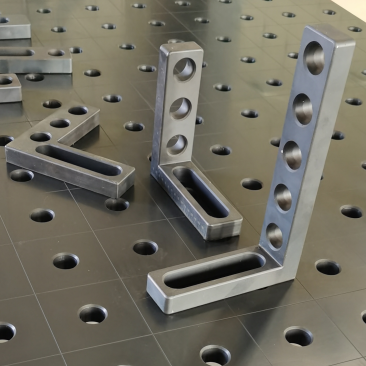
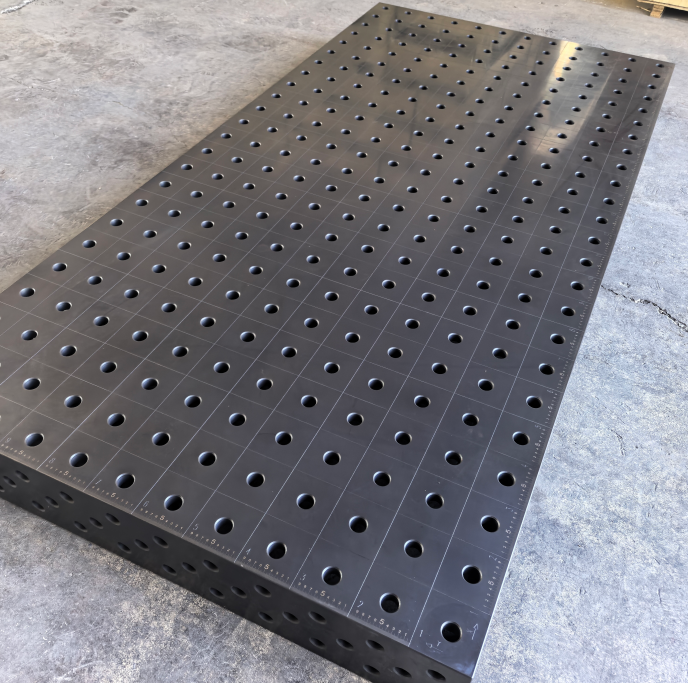
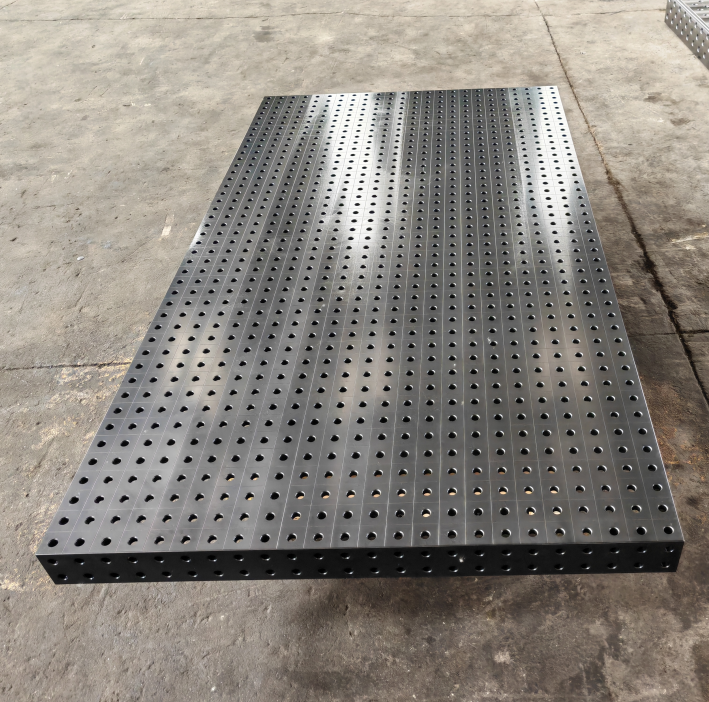
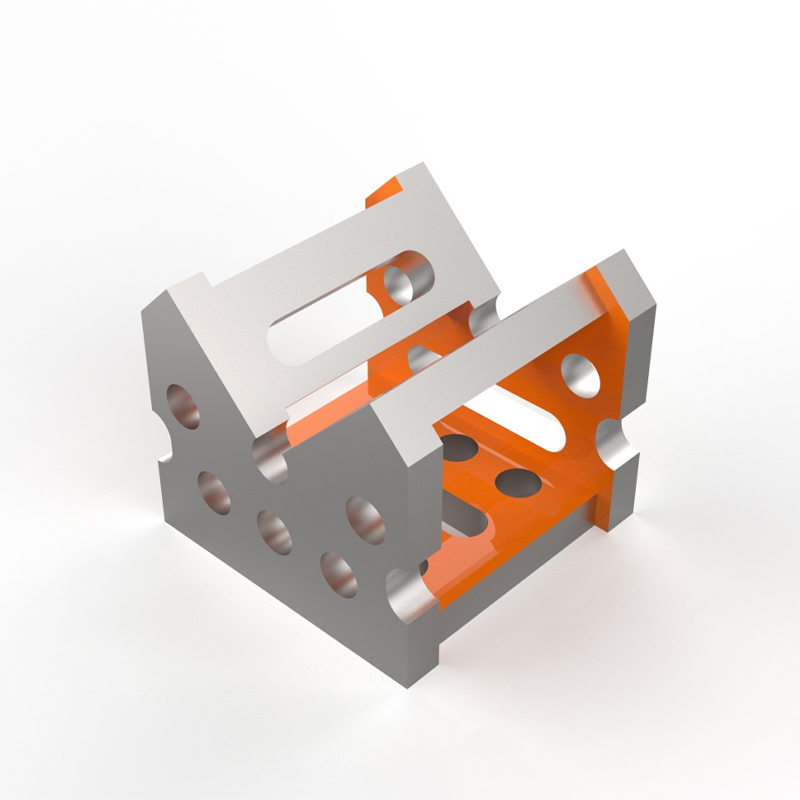
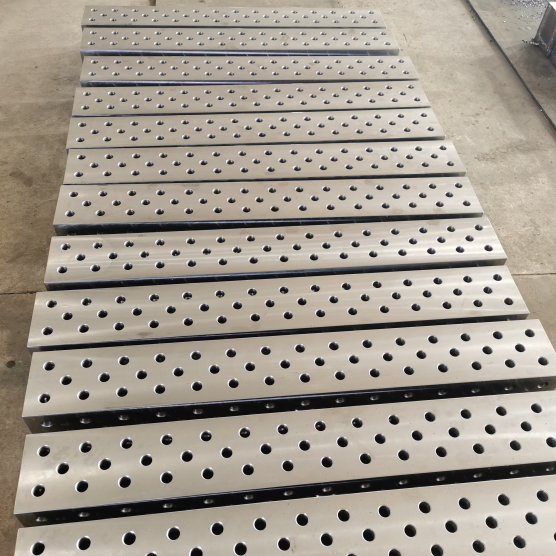
When seeking reliable factory-direct solutions, Botou Haijun Metal Products Co., Ltd. stands out as a premier partner for modern manufacturing needs. Specializing in the research, development, and production of high-precision flexible modular fixtures, Haijun Metal is committed to delivering efficient welding and positioning solutions tailored for the machining, automotive, and aerospace industries. Beyond standard rotating fixtures, their core product line features renowned 2D and 3D flexible welding platforms known for exceptional versatility. These platforms are supported by a comprehensive range of complementary components, including U-shaped and L-shaped multi-purpose square boxes, 200-series support angle irons, and 0-225° universal angle gauges, which integrate seamlessly to enable rapid workpiece positioning and clamping. With a strong reputation for durability and stability—exemplified by their professional cast iron 3D welding platforms and angle connection blocks—Haijun Metal has become a trusted global supplier, continuously providing high-quality machinery tool series to customers worldwide.
Take the next step by requesting detailed spec sheets from factory-direct suppliers like Botou Haijun Metal Products Co., Ltd. Compare not just the price, but the warranty support, lead times, and customization capabilities. Investing in the right rotating welding fixture today sets the foundation for a more efficient, profitable, and competitive fabrication operation tomorrow.