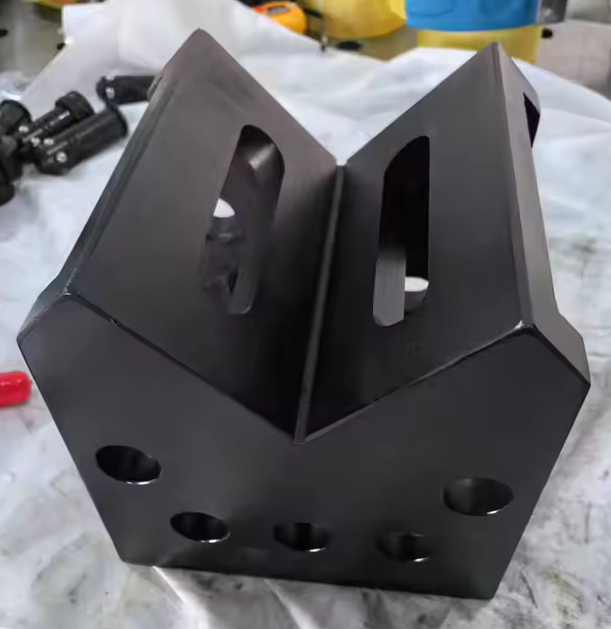
A rotary welding fixture is a specialized workholding device that rotates weldments during the fabrication process, allowing welders to maintain an optimal flat or horizontal position. By eliminating the need for overhead or vertical welding, these fixtures significantly improve productivity, enhance weld quality, and reduce operator fatigue. For modern manufacturing facilities, integrating a rotary positioner with modular fixturing systems—such as those developed by Botou Haijun Metal Products Co., Ltd.—creates a seamless workflow that accelerates cycle times and ensures consistent dimensional accuracy in heavy-duty fabrication.
What Is a Rotary Welding Fixture and How Does It Work?
A rotary welding fixture, often referred to as a welding positioner or turntable, is designed to hold a workpiece and rotate it along a horizontal axis. This mechanical advantage allows the welding torch to remain in a fixed, ergonomic position while the part moves. The primary engineering goal is to convert complex, multi-position welds into simple down-hand (flat) welds.
In traditional fabrication, welders often struggle with vertical-up or overhead positions, which require slower travel speeds and higher skill levels to prevent defects like sagging or lack of fusion. A rotary fixture solves this by synchronizing the rotation speed with the welding parameters. This synchronization ensures uniform heat input and consistent bead formation.
The Mechanics of Rotation in Fabrication
The core mechanism involves a motorized drive unit connected to a faceplate or chuck. The workpiece is securely clamped to this rotating element. As the welding arc is established, the fixture rotates the part at a predefined speed. This speed is critical; if too fast, the weld pool may not solidify correctly, leading to undercutting. If too slow, excessive heat buildup can cause distortion.
Modern rotary fixtures are increasingly integrated with digital controls that allow for precise RPM adjustments. When combined with high-precision modular components, such as the 2D and 3D flexible welding platforms offered by industry specialists, the setup becomes adaptable to various part geometries without requiring custom-built jigs for every project.
Key Benefits: Improving Productivity in Fabrication
The adoption of rotary welding fixtures is driven by tangible improvements in operational efficiency. For fabrication shops handling medium to high-volume production, the return on investment is often realized through reduced labor hours and lower rework rates.
- Enhanced Weld Quality: Flat-position welding allows gravity to assist in weld pool control, resulting in smoother beads and fewer defects such as porosity or incomplete penetration.
- Increased Deposition Rates: Welders can use higher amperage and faster travel speeds in the flat position compared to vertical or overhead positions, significantly reducing cycle time.
- Ergonomic Improvement: Operators no longer need to contort their bodies to reach difficult angles. This reduces physical strain and minimizes the risk of workplace injuries.
- Consistency and Repeatability: Automated rotation ensures that every part is welded under identical conditions, which is crucial for maintaining quality standards in industries like automotive and aerospace.
Reducing Setup Time with Modular Solutions
One of the historical drawbacks of rotary fixtures was the time required to design and build dedicated jigs for specific parts. However, the integration of flexible modular fixturing has revolutionized this process. By using standardized components, manufacturers can rapidly configure fixtures for different jobs.
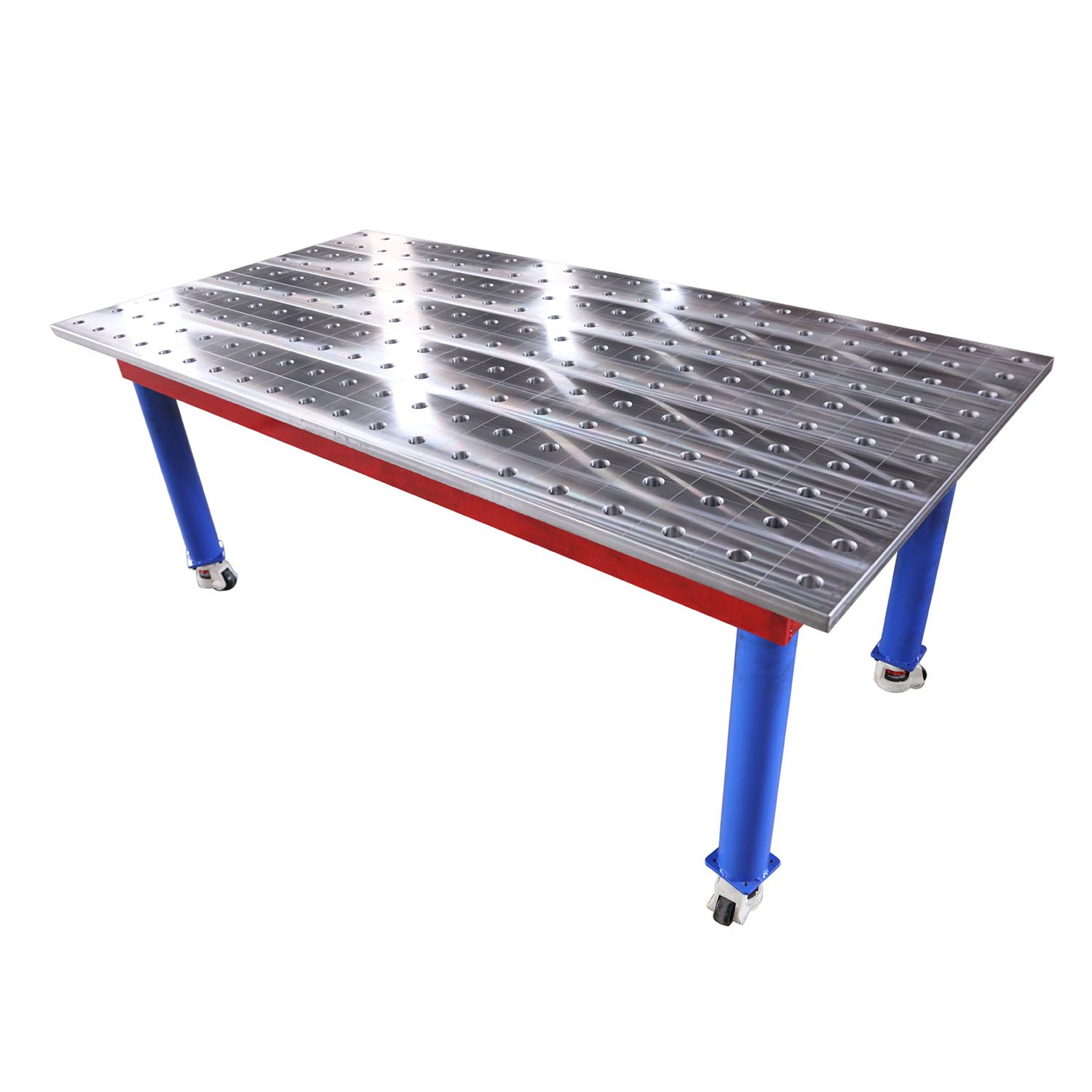
For instance, Botou Haijun Metal Products Co., Ltd. specializes in high-precision flexible modular fixtures that complement rotary systems. Their 2D and 3D flexible welding platforms allow engineers to quickly assemble clamping configurations that interface directly with rotary tables. This modularity means that changeover time between different product runs is minimized, keeping the welding arc active for a greater percentage of the shift.
Types of Rotary Welding Fixtures
Selecting the right type of rotary fixture depends on the weight, size, and geometry of the workpieces. Understanding the distinctions helps in optimizing the fabrication line.
| Fixture Type |
Description |
Best Application |
| Headstock/Tailstock Positioners |
Two-unit system where one end drives rotation and the other supports the load. Ideal for long, cylindrical parts. |
Pipes, shafts, pressure vessels, and long structural beams. |
| Turntable Positioners |
A single horizontal platform that rotates. The workpiece is mounted vertically or horizontally on the table surface. |
Flat plates, circular flanges, and smaller asymmetric assemblies. |
| Headstock Only |
Single-drive unit with a faceplate. Requires the workpiece to be cantilevered or supported externally. |
Lightweight discs, wheels, and parts that do not require tailstock support. |
| Tilt-and-Turn Units |
Combines rotation with tilting capabilities, allowing for complex angular positioning. |
Complex geometric parts requiring multi-axis access. |
Integrating with Flexible Clamping Systems
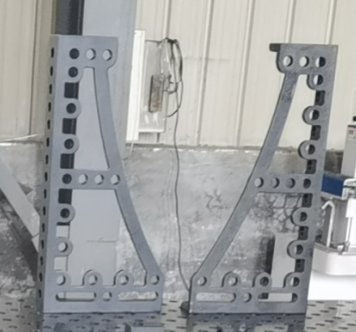
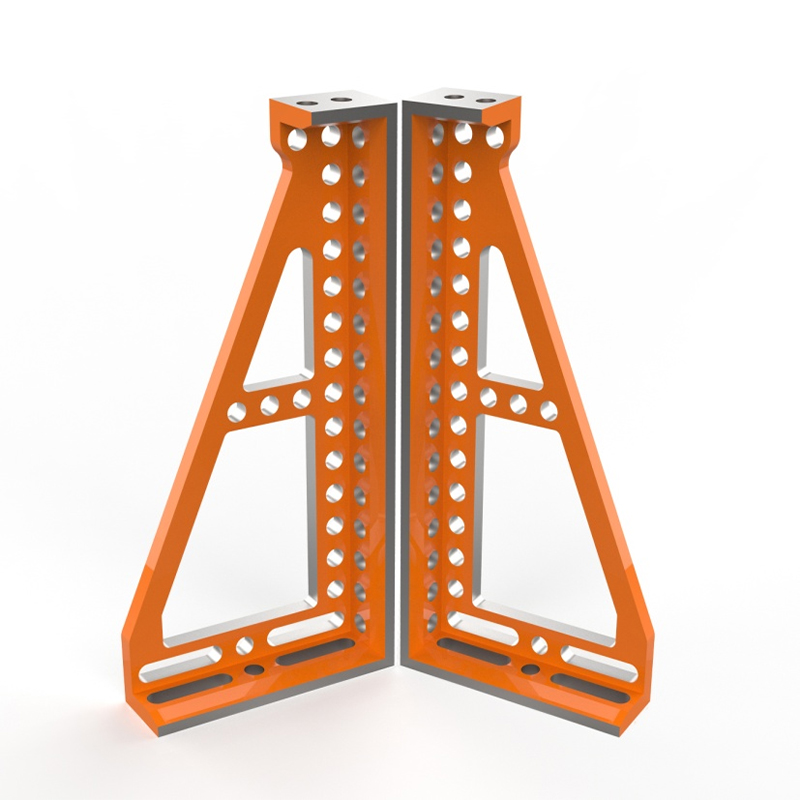
Regardless of the rotary type chosen, the method of securing the workpiece is paramount. Traditional custom jigs are rigid and expensive. In contrast, modern fabrication relies on versatile clamping accessories. Botou Haijun Metal Products provides a comprehensive range of complementary components, such as U-shaped and L-shaped multi-purpose square boxes and 200-series support angle irons.
These accessories integrate seamlessly with rotary platforms. For example, a U-shaped square box can be bolted directly to a turntable, providing a stable base for irregularly shaped castings. The 0-225° universal angle gauges allow for precise angular alignment before the rotation begins, ensuring that the start point of the weld is exactly where programmed.
How to Choose the Right Rotary Fixture for Your Needs
Choosing a rotary welding fixture involves evaluating several technical parameters. Making the wrong choice can lead to equipment failure or poor weld quality. Here are the critical factors to consider.
1. Load Capacity and Torque Requirements
The fixture must handle the weight of the workpiece plus any additional clamping hardware. However, weight is only half the equation. The distribution of that weight creates torque. An off-center load exerts more stress on the drive motor than a centered load of the same weight. Always select a fixture with a torque rating that exceeds your maximum expected load by a safety margin of at least 20%.
2. Speed Range and Control Precision
Different materials and welding processes require different rotation speeds. MIG welding might require faster travel speeds than TIG welding. Look for fixtures with variable speed drives that offer smooth acceleration and deceleration. Jerky movement can disrupt the arc and cause weld defects. High-end units provide digital readouts for RPM, allowing for precise repeatability across batches.
3. Compatibility with Modular Fixturing
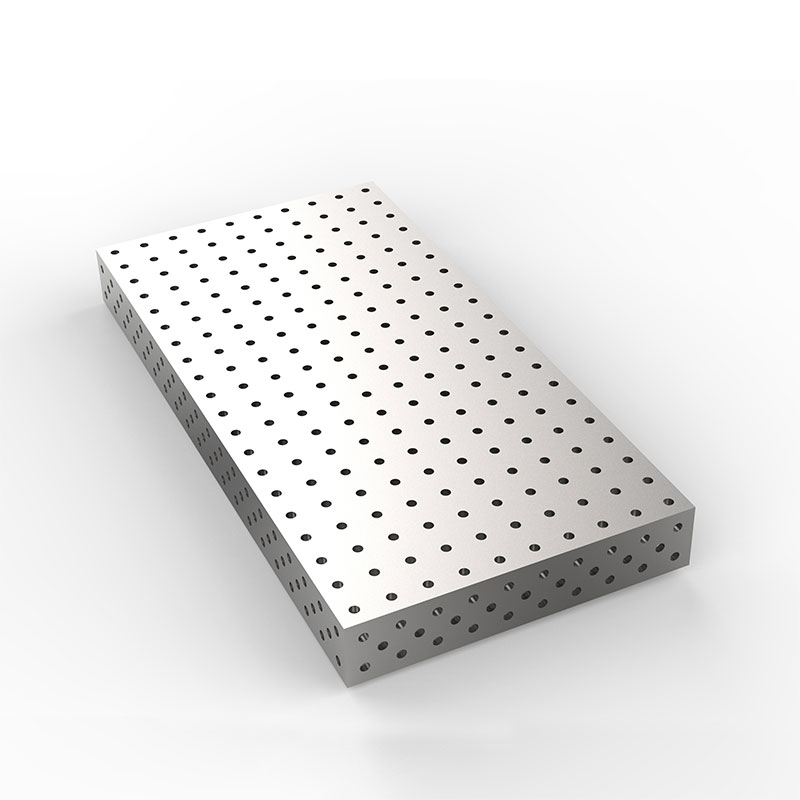
In 2026, flexibility is key. Ensure the rotary fixture has a standardized mounting pattern (such as T-slots or threaded holes) that accepts modular clamping components. Botou Haijun’s cast iron 3D welding platforms and angle connection blocks are designed for durability and stability, making them ideal partners for rotary systems. The ability to quickly swap out clamping setups without altering the rotary unit itself maximizes uptime.
4. Duty Cycle and Construction Quality
Industrial fabrication environments are harsh. Fixtures should be constructed from high-grade materials, such as cast iron or heavy-duty steel, to resist vibration and wear. Cast iron, in particular, offers excellent damping properties, reducing vibrations that could affect weld precision. Botou Haijun Metal Products emphasizes exceptional durability in their manufacturing, ensuring that their tools withstand continuous industrial use.
Common Mistakes in Using Rotary Welding Fixtures
Even with high-quality equipment, improper usage can negate the benefits. Avoid these common pitfalls to maintain productivity.
- Ignoring Balance: Failing to balance the workpiece can cause uneven wear on the drive gears and result in inconsistent weld speeds. Use counterweights if necessary.
- Inadequate Clamping: If the workpiece shifts during rotation, the weld torch will miss the joint. Utilize robust clamping solutions like the multi-purpose square boxes and support angle irons to secure the part firmly.
- Incorrect Speed Settings: Setting the rotation speed too high for the welding current can lead to poor fusion. Always perform test runs to determine the optimal speed-to-feed ratio.
- Neglecting Maintenance: Regular lubrication of gears and bearings is essential. Dust and spatter can accumulate in moving parts, leading to premature failure.
Application Scenarios in Modern Industry
Rotary welding fixtures are not limited to one sector. Their versatility makes them valuable across various industries where precision and efficiency are paramount.
Automotive Manufacturing
In the automotive sector, consistency is critical. Rotary fixtures are used for welding exhaust systems, axles, and wheel hubs. The ability to automate the rotation ensures that every component meets strict safety standards. Modular fixturing allows manufacturers to switch between different car models quickly, supporting just-in-time production methodologies.
Aerospace Component Fabrication
Aerospace parts often involve exotic alloys and complex geometries. Precision is non-negotiable. Rotary fixtures equipped with high-precision modular components enable the accurate positioning of turbine casings and structural rings. The stability provided by cast iron platforms ensures that microscopic deviations are minimized, which is vital for flight-critical components.
Heavy Machinery and Pressure Vessels
For large-scale fabrication, such as pressure vessels or mining equipment, headstock/tailstock positioners are indispensable. They allow welders to complete circumferential seams without moving around the part. The integration of heavy-duty clamping accessories ensures that massive components remain stable despite the forces generated by the welding process.
Why Partner with Botou Haijun Metal Products?
When optimizing your fabrication line, the quality of your fixturing directly impacts your output. Botou Haijun Metal Products Co., Ltd. has established itself as a trusted supplier of high-precision flexible modular fixtures and metalworking tools. With years of industry experience, the company understands the nuanced needs of modern manufacturing.
Their commitment to research and development has resulted in a core product line of 2D and 3D flexible welding platforms that are renowned for versatility and precision. These platforms are not standalone items but part of an ecosystem. By offering complementary components like U-shaped and L-shaped multi-purpose square boxes, 200-series support angle irons, and 0-225° universal angle gauges, Botou Haijun ensures that every customer can create a customized, efficient setup.
Furthermore, their professional cast iron 3D welding platforms and angle connection blocks deliver the exceptional durability and stability required for heavy industrial applications. Whether you are in machining, automotive, or aerospace, Botou Haijun provides the reliable tooling necessary to maximize the potential of your rotary welding fixtures.
Frequently Asked Questions (FAQ)
What is the difference between a welding positioner and a rotary fixture?
While the terms are often used interchangeably, a “rotary fixture” typically refers to the entire assembly including the clamping mechanism, whereas a “welding positioner” usually refers to the motorized drive unit itself. In practice, a rotary fixture combines a positioner with specific workholding tools to secure a particular part.
Can rotary fixtures be used for manual and robotic welding?
Yes. Rotary fixtures are highly versatile. For manual welding, they improve ergonomics and quality. For robotic welding, they serve as external axes, expanding the robot’s reach and allowing for continuous welding of circular seams. Synchronization between the robot and the fixture is key for automated applications.
How do modular fixtures reduce costs compared to custom jigs?
Custom jigs require design, machining, and storage for each unique part. Modular fixtures use standardized components that can be reconfigured for different parts. This eliminates the need for new jig fabrication, reduces storage space, and cuts down on engineering time. Botou Haijun’s flexible platforms exemplify this cost-effective approach.
What maintenance is required for rotary welding fixtures?
Regular maintenance includes checking gear lubrication, inspecting electrical connections, and cleaning spatter from the faceplate and clamping areas. It is also important to verify the calibration of speed controls periodically to ensure consistent weld quality.
How do I ensure my workpiece is centered on a rotary fixture?
Proper centering is achieved through precise measurement and adjustment during setup. Using tools like universal angle gauges and dial indicators can help align the part’s axis of rotation with the fixture’s axis. Modular clamping components allow for fine adjustments to achieve perfect concentricity.
Conclusion: Maximizing Efficiency with the Right Tools
Improving productivity in fabrication is not just about working faster; it is about working smarter. Rotary welding fixtures transform complex welding tasks into streamlined, repeatable processes. By enabling flat-position welding, they enhance quality, reduce fatigue, and accelerate production cycles.
However, the true potential of a rotary fixture is unlocked when paired with a flexible, high-precision fixturing system. The ability to rapidly adapt to different parts without sacrificing accuracy is the competitive edge in modern manufacturing. Botou Haijun Metal Products Co., Ltd. offers the ideal solution with their range of 2D and 3D flexible welding platforms and comprehensive accessory lines. Their focus on durability, precision, and versatility ensures that your investment delivers long-term value.
For fabrication shops looking to upgrade their capabilities, the next step is to evaluate current fixturing challenges. Consider how modular solutions can reduce setup times and improve workflow flexibility. To explore how high-precision flexible fixtures can integrate with your rotary systems, review the detailed specifications of our product solutions or contact our technical team for a customized consultation.