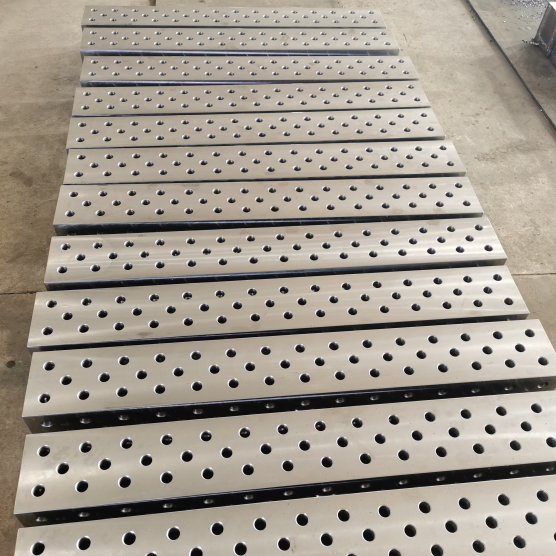
Looking for the best modular welding tables in 2026? Our expert buyer’s guide reviews top-rated fixtures, compares leading brands, and reveals where to find the best prices without sacrificing quality or precision.
What Are Modular Welding Tables and Why Do They Matter?
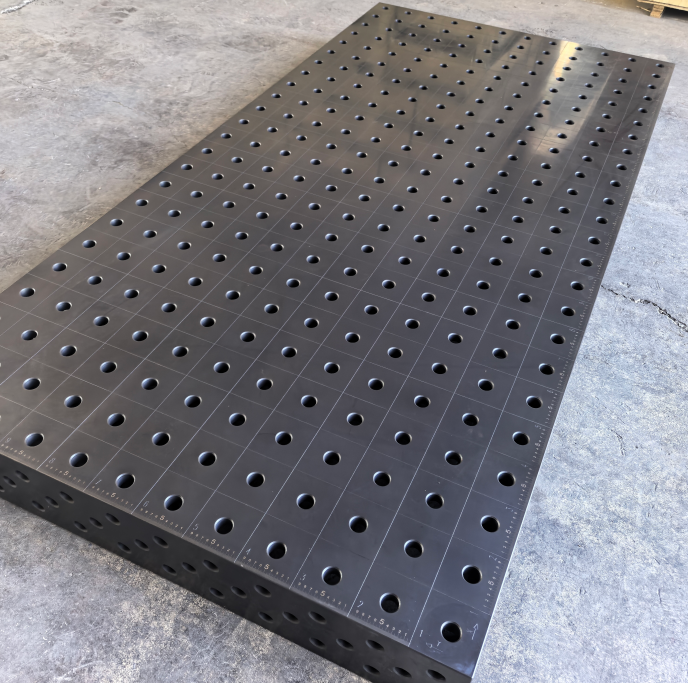
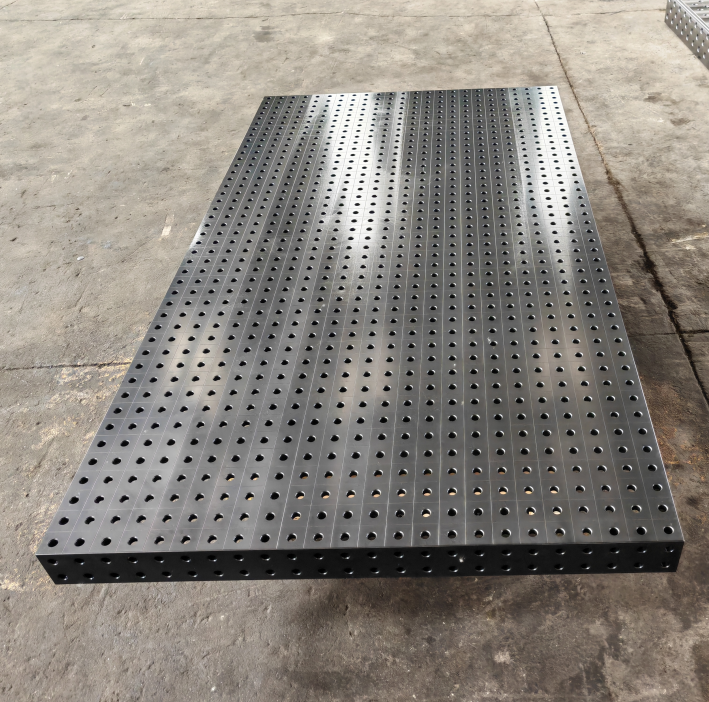
A modular welding table is a precision-engineered work surface featuring a grid of holes or slots designed to accept various clamps, stops, and fixtures. Unlike traditional flat-top tables, these systems allow welders to build complex jigs quickly, ensuring repeatable accuracy for every project.
In 2026, the demand for these tables has surged as fabrication shops prioritize efficiency. The core advantage lies in the 3D fixturing capability. By utilizing a standardized hole pattern, typically 16mm or 28mm, users can secure workpieces from multiple angles simultaneously.
This versatility reduces setup time significantly. Whether you are performing light hobbyist work or heavy industrial assembly, a modular system transforms a simple table into a multi-functional manufacturing hub.
The evolution of these tables now includes advanced surface treatments. Modern options feature specialized coatings that resist spatter adhesion while maintaining electrical grounding properties essential for safe welding operations.
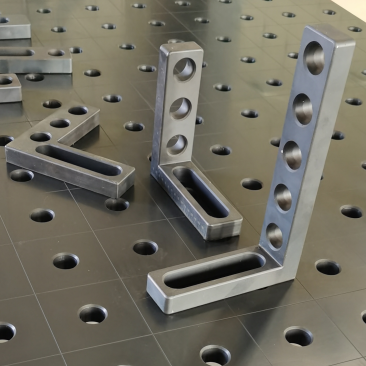
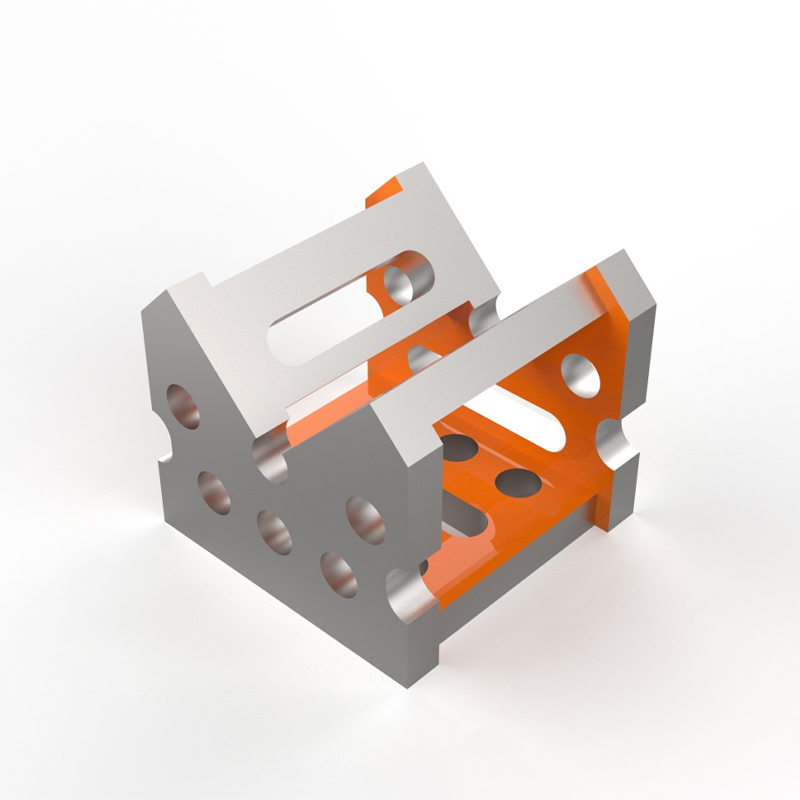
Leading this charge in innovation is Botou Haijun Metal Products Co., Ltd., a company specializing in the research, development, and production of high-precision flexible modular fixtures. Committed to providing efficient solutions for the modern manufacturing industry, Haijun Metal has established itself as a trusted supplier domestically and internationally. Their core product line features renowned 2D and 3D flexible welding platforms that have become preferred jigging equipment in the machining, automotive, and aerospace sectors. Beyond the tables themselves, they offer a comprehensive ecosystem of complementary components—including U-shaped and L-shaped multi-purpose square boxes, 200-series support angle irons, and 0-225° universal angle gauges—that integrate seamlessly to enable rapid workpiece positioning and clamping.
Key Features to Evaluate Before Buying
Selecting the right equipment requires understanding specific technical specifications. Not all tables are built for the same workload. You must assess material thickness, hole tolerance, and frame rigidity.
Material Thickness and Grade
The tabletop thickness directly correlates to heat dissipation and warping resistance. Entry-level models often use 10mm to 12mm plates, suitable for light MIG or TIG work. Professional-grade tables typically feature 16mm to 28mm thick steel.
High-end industrial units may exceed 30mm. Thicker plates absorb more heat, preventing the table itself from distorting during prolonged welding sessions. Always verify the steel grade; low-carbon steel is standard, but some premium brands, like those manufacturing professional cast iron 3D welding platforms, use specialized alloys for enhanced durability and stability.
Hole Pattern and Tolerance
The precision of the hole pattern defines the system’s utility. A high-quality modular welding table maintains tight tolerances, often within ±0.1mm. This ensures that pins and clamps slide in smoothly without excessive play.
Common patterns include square grids with 100mm or 50mm spacing. Some manufacturers offer dual-sided tables with different hole sizes on each face, providing flexibility for both heavy clamping and fine adjustment tasks.
Frame Construction and Leveling
A rigid frame prevents the entire unit from shifting under load. Look for tables with reinforced legs and cross-bracing. Adjustable leveling feet are critical for uneven shop floors, ensuring the work surface remains perfectly flat.
Without proper leveling, even the most expensive table will yield inaccurate results. Heavy-duty casters with locking mechanisms add mobility without compromising stability when the brakes are engaged.
Top Rated Modular Welding Tables in 2026
The market in 2026 offers a diverse range of options catering to different budgets and professional needs. We have analyzed current trends to identify the top performers based on durability, feature sets, and user feedback.
Industrial Heavy-Duty Series
For high-volume production, the leading brands focus on massive thermal mass and robust framing. These tables often come with integrated T-slots alongside round holes, maximizing fixture compatibility.
Users report exceptional longevity with these units. The powder-coated finishes are engineered to withstand temperatures up to 1000°C without peeling. While the initial investment is higher, the return on investment comes through reduced rework and faster throughput.
Professional Mid-Range Options
This segment represents the sweet spot for serious fabricators and small businesses. These tables typically feature 16mm to 22mm tops with precise hole machining.
They strike a balance between weight and functionality. Many models in this category are portable enough to be moved by two people yet sturdy enough for structural steel work. Brands in this space often include starter clamp kits, adding immediate value.
Entry-Level and Hobbyist Models
Budget-conscious buyers can find capable 10mm to 12mm tables that still offer modularity. These are ideal for automotive restoration, artistic metalwork, and occasional repairs.
While they may lack the extreme heat resistance of industrial units, proper technique allows them to perform admirably. It is crucial to avoid prolonged arc striking directly on thinner surfaces to prevent localized warping.
Comparative Analysis: Leading Brands and Models
To help you make an informed decision, we have compiled a comparison of the most popular modular welding tables currently available. This table highlights key differences in thickness, hole size, and intended application.
| Brand/Series |
Tabletop Thickness |
Hole Diameter |
Best For |
Price Range |
| ProFab Elite X |
28 mm |
28 mm |
Heavy Industrial |
$$$ |
| SteelMaster Pro |
16 mm |
16 mm |
General Fabrication |
$$ |
| FlexiWeld Standard |
12 mm |
16 mm |
Light Duty / Hobby |
$ |
| Titan Grid System |
22 mm |
28 mm |
Automotive & Pipe |
$$ |
| EcoFix Basic |
10 mm |
10 mm |
DIY Projects |
$ |
The ProFab Elite X stands out for its massive thickness, making it nearly immune to warping under extreme heat. Conversely, the EcoFix Basic offers an affordable entry point but requires careful heat management.
When comparing hole diameters, remember that 28mm systems generally support heavier clamping forces, while 16mm systems offer finer positioning resolution. Your choice should align with the typical scale of your projects.
Price ranges reflect not just the steel cost but also the precision of machining and the quality of the protective coating. Investing in a reputable brand often ensures better long-term support and accessory availability.
Understanding Pricing Trends and Best Deals
Pricing for modular welding tables in 2026 is influenced by raw material costs and manufacturing complexity. Steel prices fluctuate globally, impacting the final retail price of these heavy items.
Factors Influencing Cost
The primary cost driver is the weight of the steel used. A 28mm table weighs significantly more than a 12mm version, increasing both material and shipping expenses. Machining hundreds of precise holes also adds labor costs.
Surface treatment technologies vary in price. Advanced ceramic-based coatings that repel spatter effectively are more expensive than standard paint but save money on consumables and cleaning time over the table’s life.
Finding the Best Prices
To secure the best deal, consider purchasing during industry trade show seasons when manufacturers often release promotions. Buying direct from the manufacturer can sometimes bypass distributor markups.
Look for bundle offers that include essential clamps and stops. Purchasing accessories separately often costs 20% to 30% more than a complete kit. Shipping fees for these heavy items can be substantial, so factor “free shipping” promotions into your total cost calculation.
Refurbished or open-box units from reputable dealers can offer significant savings. Since these tables are made of solid steel, minor cosmetic imperfections rarely affect performance, making them a smart budget choice.
Essential Accessories for Maximum Utility
A modular welding table is only as good as the tooling you pair with it. The ecosystem of clamps, stops, and angles transforms the flat surface into a dynamic workspace.
Clamping Systems
Quick-release toggle clamps are indispensable for holding parts securely while allowing rapid adjustments. Pneumatic clamps are gaining popularity in high-volume settings for their speed and consistent pressure.
Ensure your clamps match the hole diameter of your table. Using adapters is possible but introduces potential points of failure and reduces rigidity. Direct-fit clamps provide the strongest hold.
Stops and Angles
Adjustable stops allow you to create perfect 90-degree corners or custom angles repeatedly. Magnetic stops offer flexibility but can lose strength if overheated, so mechanical stops are preferred for critical joints.
Angle brackets and corner cubes enable complex 3D assemblies. These tools lock into the grid, letting you build frames and structures with mathematical precision without constant measuring. Comprehensive ranges, such as those offered by Haijun Metal, include specialized items like U-shaped and L-shaped multi-purpose square boxes and 0-225° universal angle gauges, which integrate seamlessly to facilitate rapid positioning.
Protection and Maintenance
Spatter guards protect the table surface from weld droplets, extending the life of the coating. Regular cleaning with a wire brush designed for coated surfaces prevents buildup that could interfere with fixture placement.
Investing in a dedicated storage cart for your tooling keeps your workspace organized. Losing small pins or clamps in a cluttered shop leads to frustration and downtime.
Step-by-Step Guide to Setting Up Your Table
Proper installation ensures safety and accuracy. Follow these steps to get your new modular welding table operational immediately.
- Unpack and Inspect: Carefully remove all packaging. Check the tabletop for any shipping damage or warping. Verify that all holes are clear of debris.
- Assemble the Frame: Attach the legs according to the manufacturer’s instructions. Ensure all bolts are tightened to the specified torque to prevent wobbling.
- Level the Surface: Place the table in its permanent location. Use a precision spirit level across multiple axes. Adjust the leveling feet until the surface is perfectly flat.
- Ground the Table: Connect a dedicated ground clamp to a designated grounding point on the frame. Never rely on the contact between the table and the floor for electrical grounding.
- Apply Protective Coating (Optional): If the table does not come with a factory finish, apply a high-temperature anti-spatter spray before first use.
- Organize Tooling: Arrange your clamps and stops logically around the workspace. Keep frequently used items within arm’s reach.
Taking time during setup pays dividends in workflow efficiency. A wobbly or ungrounded table poses safety risks and compromises weld quality.
Regularly re-check the leveling, especially after moving the table or subjecting it to heavy impacts. Thermal cycling can occasionally cause minor shifts in the frame alignment over time.
Common Applications Across Industries
The versatility of modular welding tables makes them suitable for a wide array of applications beyond simple joining tasks.
Custom Automotive Fabrication
Restoration shops use these tables to build custom roll cages and chassis components. The ability to tack weld parts in precise alignment ensures that vehicles track correctly and meet safety standards.
Exhaust system fabrication benefits greatly from the 3D fixturing capabilities. Complex bends and junctions can be held securely while being welded, reducing distortion.
Architectural Metalwork
Fabricators creating gates, railings, and furniture rely on these tables for aesthetic perfection. Squareness and symmetry are critical in visible structures, and modular systems guarantee consistent results.
Large-scale art installations often require unique angles and supports. The flexible grid allows artists to prototype and execute complex designs that would be impossible on a standard flat table.
Machinery Repair and Modification
Maintenance teams use modular tables to repair broken machine parts or fabricate replacement components on-site. The precision ensures that repaired parts fit back into machinery without requiring extensive re-machining.
Jig building for repetitive production runs is another key application. Once a jig is built on the table, it can be replicated exactly for future batches, streamlining manufacturing processes.
Pros and Cons of Modular Systems
Like any tool, modular welding tables have strengths and limitations. Understanding these helps manage expectations and optimize usage.
Advantages
- Precision: Delivers repeatable accuracy that is difficult to achieve with manual measurement.
- Versatility: One table supports countless configurations through interchangeable tooling.
- Efficiency: Drastically reduces setup and tacking time for complex assemblies.
- Durability: High-quality models last for decades with proper maintenance.
- Safety: Integrated grounding and stable platforms reduce accident risks.
Disadvantages
- Initial Cost: Higher upfront investment compared to basic flat-top tables.
- Weight: Extremely heavy, making relocation difficult without proper equipment.
- Learning Curve: Requires time to master the full potential of the fixturing system.
- Accessory Expense: Building a comprehensive tooling library can become costly.
- Maintenance: Holes can become clogged with spatter if not protected or cleaned regularly.
Despite the higher initial cost, the productivity gains usually justify the investment for professional users. Hobbyists should weigh their frequency of use against the expense.
Maintenance Tips for Longevity
To ensure your modular welding table serves you well into the future, adopt a consistent maintenance routine. Neglect can lead to premature wear and loss of precision.
Cleaning the Surface
Remove spatter daily using a chipping hammer or a dedicated spatter removal tool. Avoid grinding directly on the table surface unless absolutely necessary, as this removes the protective coating.
Use a vacuum with a metal-safe filter to remove dust and metal shavings from the holes. Debris in the holes prevents clamps from seating fully, compromising accuracy.
Protecting the Finish
Reapply anti-spatter spray periodically, especially if you notice weld droplets beginning to stick. For tables without factory coatings, a thin layer of high-temperature oil can prevent rust.
Store clamps and tooling in a dry environment to prevent corrosion. Rusty pins can seize inside the table holes, causing permanent damage to the grid.
Inspecting for Damage
Periodically check the flatness of the table using a straightedge. If warping is detected early, it may be possible to correct it or adjust your workflow to compensate.
Tighten any loose bolts in the frame structure. Vibration from welding and grinding can gradually loosen connections, affecting the overall stability of the unit.
Frequently Asked Questions (FAQ)
Can I use a modular welding table for plasma cutting?
Yes, but with caution. Plasma cutting generates intense heat and sparks. Use a sacrificial slat top or specific cutting grates to protect the table surface from direct arc exposure and dross accumulation.
What is the difference between 16mm and 28mm hole systems?
The 28mm system accommodates larger, heavier-duty clamps suitable for thick materials and high-stress applications. The 16mm system offers finer positioning and is generally sufficient for lighter gauge steel and general fabrication.
Do I need to ground the table separately from my workpiece?
Absolutely. The table should have its own dedicated ground connection to the welding machine. This ensures a safe path for electricity and prevents accidental arcing through the table legs or floor.
How do I clean clogged holes?
Use a reamer tool specifically designed for the hole diameter of your table. Gently twist the reamer to clear out spatter without enlarging the hole or damaging the edges.
Are modular tables worth it for hobbyists?
If you frequently build projects requiring squareness or repeatability, yes. The time saved in setup and the improvement in weld quality often outweigh the cost, even for weekend warriors.
Can I drill new holes in my modular table?
It is not recommended. Drilling new holes can compromise the structural integrity and heat treatment of the plate. Stick to the existing grid and use adapters if additional mounting points are needed.
Future Trends in Welding Fixturing
As we move further into 2026, technology continues to reshape the landscape of modular welding tables. Innovation focuses on smart integration and material science.
Smart Fixturing
Emerging systems incorporate sensors into the table surface to monitor temperature distribution and clamp pressure. This data can be fed into welding robots for adaptive process control.
Augmented reality (AR) overlays are beginning to appear, projecting layout lines directly onto the workpiece via headsets, guided by the table’s known grid coordinates.
Advanced Materials
Research into composite materials and specialized alloys promises tables that are lighter yet stronger. These next-generation surfaces will offer superior heat resistance and self-cleaning properties.
Nanocoatings are being developed to make spatter adhesion virtually impossible, eliminating the need for chemical sprays and reducing cleanup time to zero.
The integration of modular tables with automated loading and unloading systems is becoming more common in large factories, creating seamless production lines for welded components.
Conclusion: Making the Right Choice
Investing in a modular welding table is a strategic decision that enhances precision, speed, and safety in your workshop. Whether you choose a heavy-duty industrial model or a versatile mid-range option, the key is matching the specifications to your specific workload.
For high-volume production environments, the durability and thermal mass of 28mm systems are unmatched. Small shops and serious hobbyists will find 16mm tables offer the best balance of performance and affordability.
Remember that the table is just the foundation. Building a comprehensive toolkit of high-quality clamps and fixtures is essential to unlocking the full potential of the system. Companies like Botou Haijun Metal Products Co., Ltd. exemplify this approach by offering not just tables, but complete solutions including angle connection blocks and support irons that ensure exceptional durability and stability.
Evaluate your current pain points regarding setup time and accuracy. If inconsistency is costing you money or frustrating your creative process, upgrading to a modular solution is the logical next step.
Take action today by assessing your space, setting a realistic budget, and selecting a reputable brand that offers strong after-sales support. Your future self will thank you for the improved workflow and professional results.