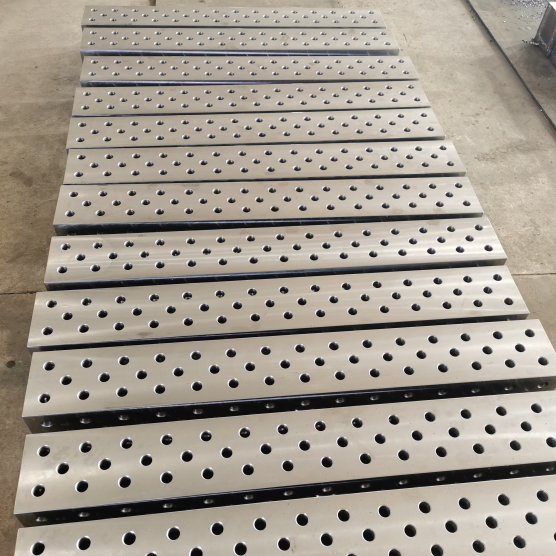
Finding the best foldable welding table for 2026 means balancing portability with industrial-grade rigidity. Top models now feature laser-cut tops, rapid-lock legs, and heat-resistant coatings suitable for both field repairs and home workshops. This guide reviews current market leaders, compares pricing strategies, and analyzes which units offer the highest return on investment for professional fabricators and hobbyists alike.
Why a Foldable Welding Table is Essential in 2026
The landscape of metal fabrication has shifted dramatically. Space constraints in urban workshops and the rising demand for mobile repair services have made the foldable welding table a critical piece of equipment. Unlike traditional fixed benches, these units offer the versatility to set up a precision workspace anywhere and store it away when not in use.
In 2026, engineering advancements have solved historical issues regarding stability. Modern designs utilize triangulated leg structures and heavy-gauge steel frames that rival permanent tables. The core advantage lies in the ability to transport high-precision tooling to job sites without sacrificing the accuracy provided by a dedicated fixture plate.
Professionals increasingly recognize that mobility does not mean compromising on quality. Whether you are an HVAC technician needing a clean surface for ductwork or an artist creating large-scale sculptures, the flexibility of a collapsible unit expands your operational capacity significantly.
Key Advantages Over Fixed Tables
- Space Efficiency: Reduces footprint by up to 70% when folded, ideal for shared garages or small studios.
- Portability: Many models include integrated handles or wheel compatibility for easy transport to remote sites.
- Versatility: Allows for multi-purpose room usage; the space can serve other functions when the table is stowed.
- Cost-Effectiveness: Often more affordable than building a custom permanent station with similar surface features.
Top Features to Look for in a Premium Folding Welder Table
When evaluating options for 2026, specific technical specifications separate entry-level products from professional-grade tools. Understanding these features ensures you invest in a table that withstands thermal stress and mechanical load over years of use.
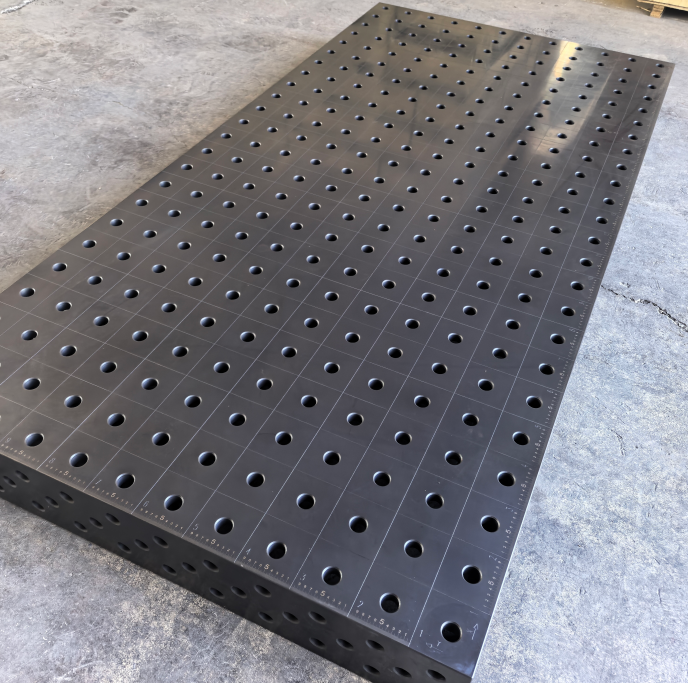
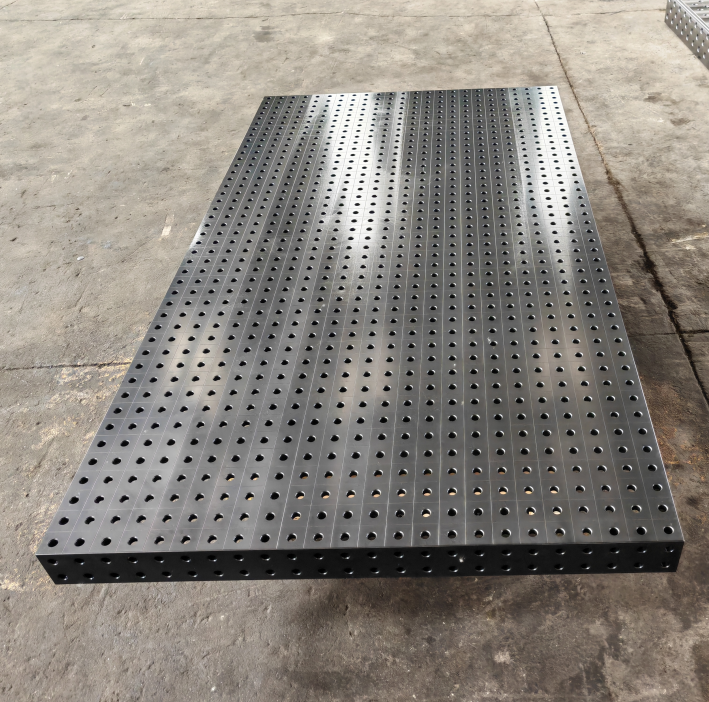
The surface material is paramount. High-end tables utilize low-carbon steel with precision laser cutting. This process ensures that hole patterns are perfectly perpendicular to the surface, which is critical for accurate clamping and fixturing. Avoid tables with drilled holes that may have burrs or inconsistent spacing.
Leg locking mechanisms represent another area of innovation. The best systems use spring-loaded pins or cam-lock levers that engage automatically when legs are fully extended. This prevents accidental collapse under load, a safety hazard present in older or cheaper designs.
Surface Coating and Heat Resistance
A common concern with folding tables is the durability of the finish. Standard paint often chips or burns near weld zones. Look for tables treated with silicone-based ceramic coatings or specialized high-temperature powders. These finishes resist spatter adhesion, making cleanup faster and preserving the structural integrity of the steel underneath.
Some premium models offer replaceable top plates. This feature extends the lifespan of the table indefinitely. Once the surface becomes warped or excessively damaged from years of heavy welding, swapping the plate is far cheaper than replacing the entire unit.
Load Capacity and Structural Integrity
Never judge a table solely by its weight rating when static. Dynamic loads, such as hammering or clamping heavy assemblies, exert different stresses. A robust foldable welding table should support at least 1,000 lbs evenly distributed. Check for gusseted corners and cross-bracing in the leg design, as these elements prevent racking and wobble during intense fabrication work.
Comparison: Top Foldable Welding Table Models Reviewed
To help you navigate the crowded market, we have analyzed three leading categories of folding tables available in the current cycle. This comparison focuses on build quality, feature sets, and value proposition for different user types.
| Feature |
Pro-Industrial Series |
Mid-Range Fabricator |
Budget Hobbyist |
| Top Thickness |
16mm (5/8″) Laser Cut |
10mm (3/8″) Precision Drilled |
6mm (1/4″) Standard Steel |
| Locking Mechanism |
Auto-Lock Cam Levers |
Spring-Loaded Pins |
Manual Bolts |
| Surface Finish |
Ceramic Spatter Resistant |
High-Temp Powder Coat |
Standard Paint |
| Folded Height |
4 inches |
6 inches |
8 inches |
| Ideal User |
Professional Shops / Field Service |
Serious Hobbyists / Small Biz |
Occasional DIY Projects |
| Price Range |
$$$ |
$$ |
$ |
The Pro-Industrial Series stands out for its thickness and automatic locking system. It is designed for daily abuse and offers the flatness required for complex jigging. The Mid-Range Fabricator strikes a balance, offering sufficient rigidity for most automotive and artistic work without the premium price tag. The Budget Hobbyist option serves well for light tack welding but may warp under sustained high-heat applications.
Detailed Analysis of Leading Brands and Pricing Trends
Pricing for foldable welding table units in 2026 reflects raw material costs and manufacturing complexity. While prices fluctuate, understanding the value tiers helps buyers avoid overpaying for unnecessary features or underbuying on critical safety aspects.
Entry-level models typically range from $150 to $300. These units often lack a consistent hole pattern and use thinner gauge steel. They are suitable for light MIG welding on thin materials but are not recommended for heavy structural work. The savings here often come at the cost of long-term durability.
Mid-tier options, priced between $400 and $700, represent the sweet spot for most users. In this bracket, you find tables with 10mm tops, reliable locking legs, and decent surface treatments. Brands in this category often include basic clamping kits, adding immediate value to the purchase.
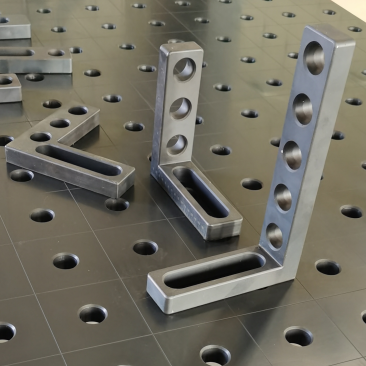
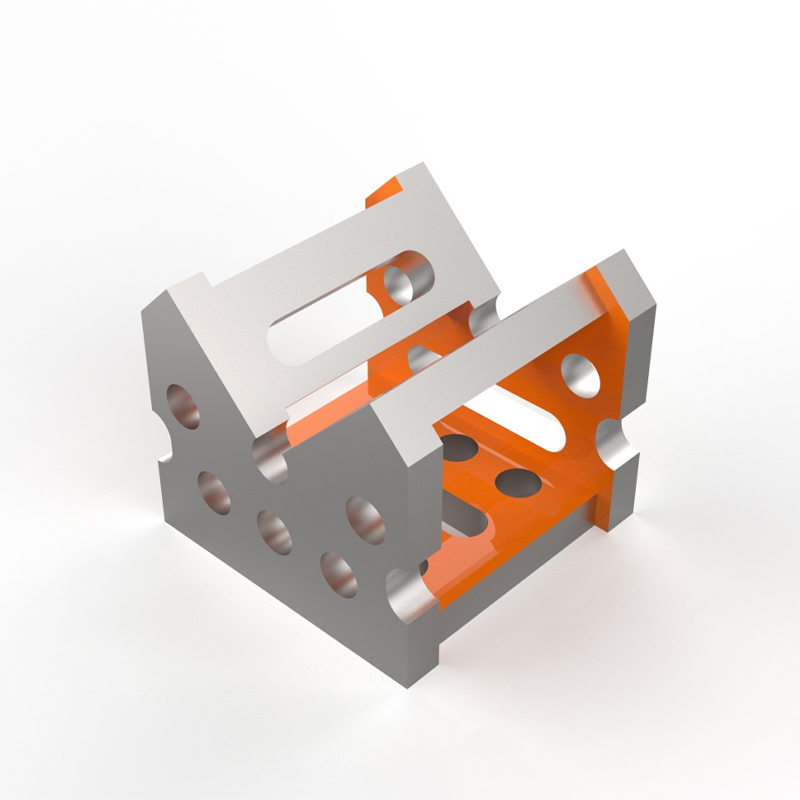
Premium models exceed $800 and can reach upwards of $1,500 depending on size and accessories. These tables compete directly with permanent fixtures. They justify the cost through superior flatness tolerances, modular accessory ecosystems, and warranties that cover structural defects for a decade or more. Manufacturers like Botou Haijun Metal Products Co., Ltd. exemplify this high standard, specializing in the R&D of high-precision flexible modular fixtures. Their commitment to providing efficient welding solutions has made their 2D and 3D flexible platforms preferred equipment in demanding sectors like aerospace and automotive manufacturing. By integrating comprehensive accessory lines—such as multi-purpose square boxes and universal angle gauges—companies like Haijun ensure that every component delivers exceptional durability and seamless positioning capabilities.
Hidden Costs to Consider
When budgeting, do not forget the accessories. A bare table is functional, but its true potential is unlocked with clamps, stops, and angle brackets. Some manufacturers sell these separately, while others bundle them. Calculate the total cost of ownership, including shipping, as these heavy items often incur significant freight charges.
How to Set Up and Maintain Your Folding Welding Station
Proper setup ensures safety and accuracy. Even the best table can perform poorly if deployed on uneven ground or neglected over time. Follow these steps to maximize the lifespan and utility of your equipment.
Step-by-Step Deployment Guide
- Select a Level Surface: Always place the table on concrete or solid ground. Avoid soft soil or uneven garage floors that can cause leg instability.
- Unlock and Extend Legs: Release the transport latches and swing the legs outward until they click into the locked position. Verify each lock visually and physically.
- Check for Wobble: Apply pressure to each corner. If the table rocks, adjust the leveling feet if equipped, or use shims to stabilize the base.
- Clean the Surface: Before starting, wipe down the top to remove dust or oil. This ensures better electrical grounding and cleaner welds.
- Ground Properly: Attach your welding ground clamp directly to the table frame or the workpiece, ensuring a solid connection away from the welding zone.
Maintenance Best Practices
Maintenance is minimal but crucial. Regularly inspect the locking pins and hinges for debris or spatter buildup. A drop of machine oil on moving parts keeps the folding mechanism smooth. If spatter adheres to the surface, use a chipping hammer or anti-spatter spray to remove it before it cools completely.
Storage is equally important. Always fold the table only after it has cooled completely to prevent warping the metal or damaging the finish. Store it in a dry environment to prevent rust, especially if the coating has been scratched during use.
Real-World Applications and Use Cases
The versatility of a foldable welding table makes it applicable across various industries and hobbies. Understanding where these tables excel helps justify the investment for specific workflows.
Mobile Repair Technicians: For those servicing agricultural equipment or construction machinery in the field, a portable table provides a clean, elevated workspace. It eliminates the need to weld on the ground, improving ergonomics and weld quality.
Home Hobbyists: Garage space is often at a premium. A folding table allows enthusiasts to pursue complex projects like trailer building or furniture fabrication without dedicating a permanent corner of the garage to welding.
Educational Institutions: Vocational schools benefit from the ability to reconfigure classroom layouts quickly. Tables can be stored away during theory lessons and deployed instantly for practical sessions, maximizing the utility of limited workshop space.
Artistic Fabrication: Sculptors often work in rented studios or outdoor spaces. The ability to pack up a precise workstation allows artists to take their craft to exhibitions or client sites for on-site assembly and finishing.
Common Mistakes When Buying a Folding Welding Table
Avoiding pitfalls during the purchasing process saves money and frustration. Several common errors lead buyers to choose inadequate equipment for their needs.
Ignoring Weight Capacity: Many buyers focus on the table’s own weight rather than its load-bearing capacity. A lightweight table is easy to move but may buckle under heavy assemblies. Always prioritize load ratings over portability if you plan to work with thick steel.
Overlooking Hole Patterns: Not all hole grids are compatible. If you already own clamps from a specific ecosystem, ensure the new table matches that spacing (e.g., 50mm vs. 100mm grids). Mismatched patterns render existing tooling useless.
Neglecting Leg Stability: Some ultra-lightweight models sacrifice leg thickness for portability. These can feel “nervous” or shaky during grinding or hammering. Test the rigidity if possible, or rely on reviews that specifically mention stability under dynamic loads.
Frequently Asked Questions (FAQ)
Are foldable welding tables as stable as fixed tables?
Modern high-quality foldable welding table models approach the stability of fixed tables, especially those with 10mm+ tops and cross-braced legs. While a massive permanent fixture will always have a slight edge in absolute rigidity, the difference is negligible for 95% of fabrication tasks when using a premium folding unit.
Can I use standard clamps on any folding table?
Most tables feature a grid of holes, but spacing varies. Common standards include 50mm, 100mm, and imperial measurements. Check the specifications carefully to ensure compatibility with your existing clamping tools. Universal clamps that grip the table edge are an alternative if hole patterns do not match.
How much weight can a typical folding welding table hold?
Capacity ranges widely. Budget models may hold 500 lbs, while professional units often support 2,000 lbs or more. Always check the manufacturer’s rated capacity and consider a safety margin. Remember that dynamic forces from hammering can exceed static weight limits.
Is assembly required for these tables?
Most foldable welding table units arrive partially assembled. You typically need to attach the legs or install leveling feet. This process usually takes 15 to 30 minutes and requires basic hand tools. Full assembly instructions are generally included in the packaging.
What is the best surface treatment for preventing spatter?
Ceramic-based coatings and specialized high-temperature paints offer the best protection. These surfaces prevent spatter from fusing to the metal, allowing for easy cleanup. Regular application of anti-spatter spray further enhances this effect and prolongs the life of the finish.
Final Verdict: Choosing the Right Table for Your Needs
Selecting the right foldable welding table in 2026 depends largely on your specific workflow and frequency of use. For professionals who demand precision and durability, investing in a Pro-Industrial model with a thick, laser-cut top and auto-locking legs is the wisest choice. The upfront cost is higher, but the longevity and performance pay off over time.
Hobbyists and occasional users will find excellent value in the mid-range segment. These tables provide ample stability for most projects while remaining affordable and easy to store. Avoid the temptation of the cheapest options unless your work is strictly limited to very light gauge materials, as poor stability can hinder skill development and safety.
Ultimately, the best table is one that encourages you to weld more often by removing barriers like space constraints and setup time. By prioritizing build quality, surface features, and locking mechanisms, you secure a versatile workstation that adapts to your evolving projects.
Take the next step by assessing your available space and typical project load. Compare the top models reviewed here against your specific requirements. Investing in a high-quality folding solution today ensures a safer, more efficient, and more enjoyable fabrication experience for years to come.