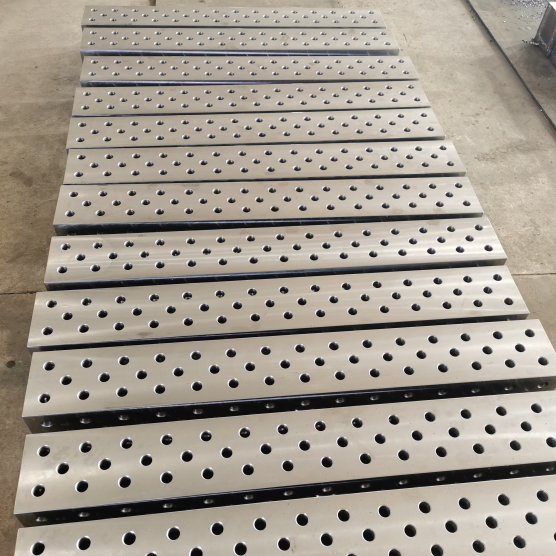
Looking for the best fixturing table deals in 2026? Our comprehensive guide covers the latest prices, rent-try-buy programs, and expert advice to help manufacturers optimize welding precision without overspending. Whether you need a temporary solution for a short-term project or a permanent upgrade for high-volume production, understanding current market options is crucial for maximizing ROI.
What Is a Fixturing Table and Why It Matters in 2026
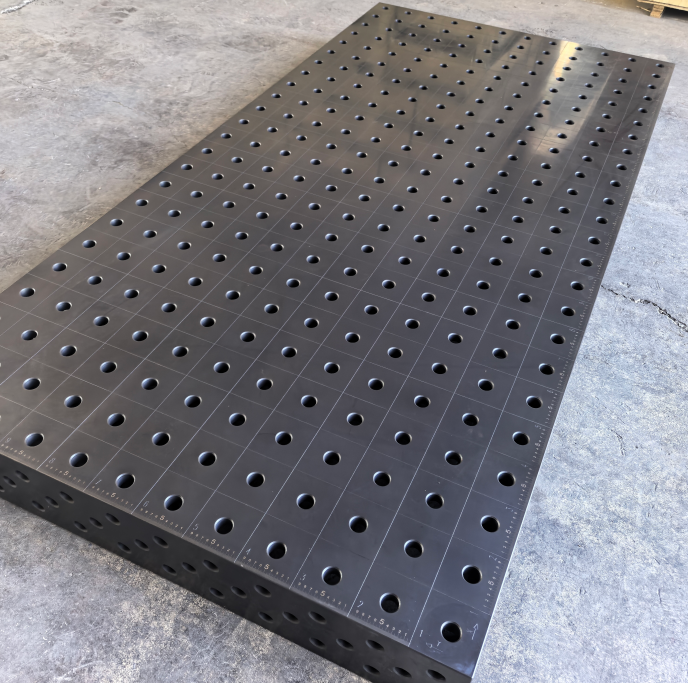
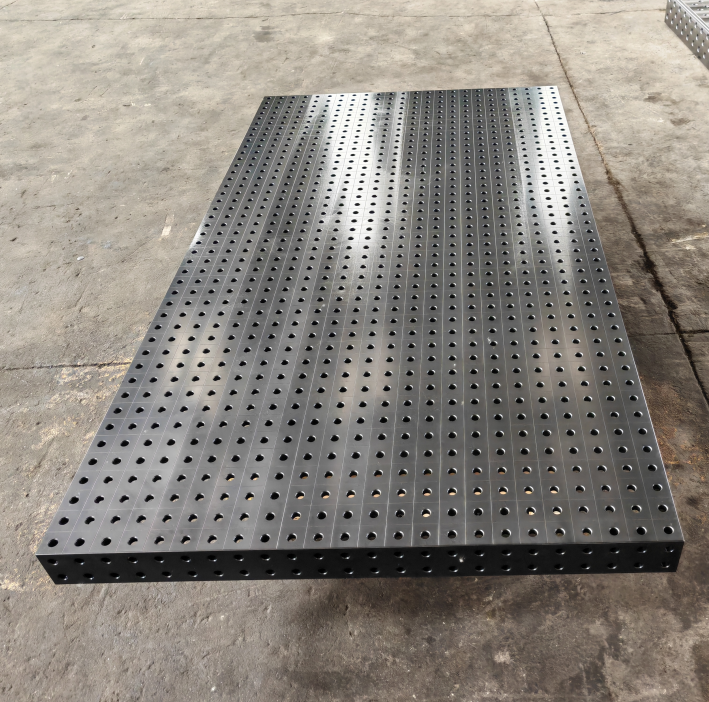
A fixturing table, often referred to as a welding positioner or modular fixture table, is a precision-engineered work surface featuring a grid of holes or slots. These openings allow users to securely clamp, locate, and hold metal components in exact positions during welding, assembly, or inspection processes. Unlike traditional makeshift jigs, these tables offer repeatable accuracy down to fractions of a millimeter.
In 2026, the demand for flexible manufacturing has surged. Industries ranging from automotive to aerospace require rapid changeovers between different product lines. A high-quality fixturing table eliminates the need for custom-built jigs for every single part, significantly reducing setup time and labor costs. The evolution of materials and coating technologies has also extended the lifespan of these tables, making them a more viable long-term investment than ever before.
The core value proposition lies in modularity. By using standardized clamps, stops, and angles that fit into the table’s grid, operators can build complex 3D fixtures in minutes. This flexibility is essential for job shops handling diverse orders and large enterprises aiming for lean manufacturing principles. The shift towards automation further emphasizes the need for stable, precise fixturing foundations that can integrate with robotic cells.
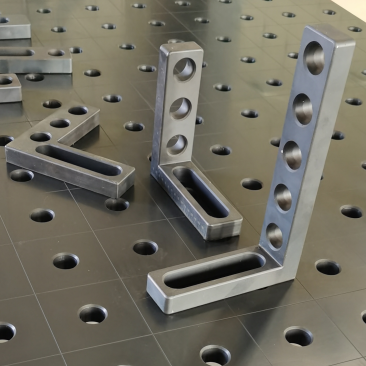
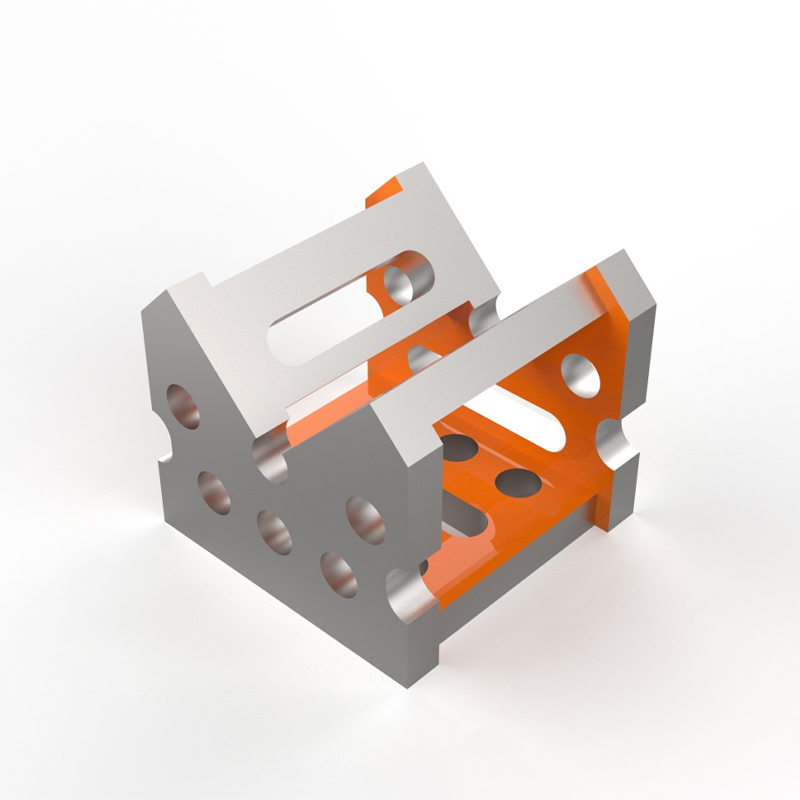
Leading this charge in innovation is Botou Haijun Metal Products Co., Ltd., a specialist dedicated to the research, development, and production of high-precision flexible modular fixtures. Recognizing the modern industry’s need for efficiency, Haijun Metal provides tailored welding and positioning solutions that have become the preferred choice for machining, automotive, and aerospace sectors. Their extensive ecosystem includes not only 2D and 3D flexible welding platforms but also a comprehensive range of complementary components—such as U-shaped and L-shaped multi-purpose square boxes, 200-series support angle irons, and 0-225° universal angle gauges. By integrating these accessories seamlessly with their professional cast iron 3D welding platforms and angle connection blocks, Haijun Metal ensures that every setup delivers exceptional durability, stability, and rapid workpiece positioning.
Key Features Defining Modern Fixturing Tables
When evaluating a fixturing table for purchase or rental, several technical specifications determine its suitability for your specific application. Understanding these features ensures you select a system that matches your tolerance requirements and workflow intensity.
Precision Hole Patterns and Tolerances
The heart of any fixturing table is its hole pattern. Common configurations include 100mm x 100mm or 50mm x 50mm grids. In 2026, the industry standard for high-end tables demands hole positioning tolerances within ±0.05mm. This level of precision ensures that when you assemble multiple components, they align perfectly without forced fitting, which can introduce stress and distortion into the final weld.
- Hole Diameter: Typically ranges from 16mm to 28mm, compatible with standard quick-release pins and clamps.
- Surface Flatness: Critical for large assemblies; premium tables offer flatness within 0.2mm per square meter.
- Material Thickness: Thicker tops (often 20mm to 50mm) provide better rigidity and heat dissipation during heavy welding.
Durable Coatings and Material Composition
Welding generates intense heat, sparks, and spatter that can damage unprotected steel surfaces. Modern fixturing tables utilize advanced coatings to resist these harsh conditions. The most prevalent treatment in 2026 is nitriding, which hardens the surface layer of the steel, making it highly resistant to wear and spatter adhesion.
Alternatively, some manufacturers offer specialized ceramic-based or polymer coatings that prevent sparks from sticking entirely. These “anti-spark” surfaces reduce cleanup time dramatically, allowing operators to simply brush off debris rather than grinding away stuck molten metal. The base material is usually high-grade structural steel (like S355 or equivalent) to ensure the table does not warp under heavy loads or thermal cycling.
Modular Compatibility and Ecosystem
A table is only as good as the tooling that works with it. Leading brands have developed extensive ecosystems of compatible accessories. When choosing a table, verify the availability of:
- Quick-action clamps: For rapid securing of workpieces.
- Adjustable stops and angles: To create precise geometries.
- Magnetic holders: For temporary positioning without occupying hole slots.
- Robotic mounting interfaces: For seamless integration with automated welding arms.
Rent-Try-Buy Programs: The Smart Strategy for 2026
The capital expenditure required for high-precision fixturing systems can be significant. Recognizing this barrier, many suppliers in 2026 have adopted flexible rent-try-buy models. This approach allows businesses to test equipment in real-world conditions before committing to a full purchase, mitigating financial risk and ensuring operational fit.
How the Rent-Try-Buy Model Works
This program typically operates in three phases designed to support cash flow and decision-making:
- Rental Phase: You lease the fixturing table and essential tooling for a fixed period (e.g., 1–3 months). This allows your team to evaluate the table’s impact on productivity and quality.
- Trial Evaluation: During this phase, you gather data on setup time reductions, defect rates, and operator feedback. Many providers offer technical support during this trial to assist with initial fixture design.
- Purchase Option: If the system meets your needs, a portion (or all) of the rental fees paid is credited toward the final purchase price. If not, you can return the equipment with no further obligation.
Benefits for Different Business Sizes
For small job shops, this model preserves capital for other critical investments while still accessing top-tier technology. For large corporations, it facilitates pilot programs for new production lines without navigating lengthy procurement approval cycles immediately. In an economic climate where flexibility is paramount, the ability to scale tooling up or down based on order volume is a strategic advantage.
Furthermore, these programs often include maintenance and calibration services during the rental period. This ensures that the equipment performs optimally throughout the trial, providing an accurate representation of its capabilities. It removes the burden of upkeep from the user, allowing them to focus purely on production outcomes.
Latest Prices and Market Trends for Fixturing Tables
Pricing for fixturing tables in 2026 varies widely based on size, precision grade, coating type, and brand origin. While specific figures fluctuate with raw material costs, understanding the price tiers helps in budgeting effectively. The market has seen a stabilization in steel prices, but premium coatings and tight-tolerance machining continue to command higher premiums.
Price Tiers by Category
Entry-level tables, often manufactured with standard tolerances and basic paint finishes, serve general fabrication needs. Mid-range options feature nitrided surfaces and tighter hole patterns suitable for professional welding shops. High-end industrial tables, designed for aerospace or automotive robotics, offer the highest precision and durability, reflecting their superior engineering.
| Category |
Typical Size Range |
Key Features |
Estimated Price Range (USD) |
| Economy |
1000x1000mm – 1500x1500mm |
Standard steel, painted finish, ±0.2mm tolerance |
$1,500 – $3,500 |
| Professional |
1500x1500mm – 2000x3000mm |
Nitrided surface, ±0.05mm tolerance, modular legs |
$4,000 – $9,000 |
| Industrial Premium |
Custom sizes up to 4000mm+ |
Ceramic coating, robotic ready, ±0.02mm tolerance |
$10,000 – $25,000+ |
Factors Influencing Current Costs
Several macroeconomic and industry-specific factors are shaping pricing structures in 2026. Global supply chain resilience has improved, leading to shorter lead times, but logistics costs remain a variable. Additionally, the increasing complexity of tooling ecosystems means that bundled packages (table + clamps + software) often provide better value than purchasing components separately.
Manufacturers are also introducing tiered warranty packages that affect the upfront cost. Extended warranties covering coating integrity and structural flatness add to the initial price but reduce total cost of ownership over five to ten years. Buyers should consider the lifecycle cost rather than just the sticker price when comparing quotes.
Comparative Analysis: Top Fixturing Table Types
Selecting the right table involves balancing cost, precision, and durability. Different manufacturing processes demand different table characteristics. Below is a detailed comparison to guide your selection process based on specific operational needs.
| Feature |
Nitrided Steel Tables |
Ceramic Coated Tables |
Standard Painted Tables |
| Spatter Resistance |
High (Spatter chips off easily) |
Very High (Spatter rarely sticks) |
Low (Spatter adheres strongly) |
| Precision Level |
High (±0.05mm) |
High (±0.05mm) |
Moderate (±0.2mm) |
| Lifespan |
10+ Years |
10+ Years |
3–5 Years |
| Maintenance |
Low (Occasional cleaning) |
Very Low (Wipe clean) |
High (Grinding required) |
| Best Application |
General fabrication, Auto parts |
High-mix low-volume, Stainless steel |
Heavy structural, Rough fitting |
Pros and Cons of Each Type
Nitrided Steel Tables represent the industry workhorse. They offer an excellent balance of performance and cost. The hardened surface withstands repeated clamping and welding heat. However, they still require periodic cleaning to remove accumulated spatter, although it comes off much easier than on untreated steel.
Ceramic Coated Tables are the premium choice for applications involving stainless steel or aluminum where contamination is a concern. The non-stick properties are unmatched. The downside is the higher initial cost and the potential for coating chipping if struck by heavy tools, requiring careful handling.
Standard Painted Tables are cost-effective for rough structural work where extreme precision is not critical. They are robust and can take a beating. The major drawback is the high maintenance time spent removing welded spatter, which can negate the initial savings in labor costs over time.
Step-by-Step Guide to Implementing a Fixturing Table
Integrating a fixturing table into your workflow requires more than just unboxing the unit. Proper setup and planning are essential to unlock its full potential. Follow these steps to ensure a smooth transition from traditional methods to modular fixturing.
Phase 1: Site Preparation and Installation
Before delivery, ensure your floor can support the weight of the table, especially when loaded with heavy workpieces. Large tables may weigh several hundred kilograms. Use a spirit level to check floor flatness; uneven floors can twist the table frame, compromising the surface flatness.
- Positioning: Place the table in an area with adequate lighting and access from all sides for multi-operator workflows.
- Leveling: Adjust the leveling feet on the table legs until the surface is perfectly horizontal. Recheck after 24 hours to account for settling.
- Grounding: Ensure the table is properly grounded to prevent electrical interference with welding equipment and ensure safety.
Phase 2: Tooling Inventory and Organization
A disorganized tooling station leads to lost time. Create a dedicated storage system for your clamps, pins, and stops. Shadow boards or labeled bins work well. Categorize tools by function (clamping, locating, measuring) to speed up retrieval during setup.
Train your team on the proper use of quick-release mechanisms. Improper insertion of pins can damage the hardened bushings in the table holes. Establish a protocol for inspecting tooling regularly for wear and tear, replacing damaged components immediately to maintain accuracy.
Phase 3: Fixture Design and Workflow Optimization
Start with simple fixtures for your most frequently produced parts. Map out the hole usage on paper or using CAD software provided by the manufacturer. Aim to minimize the number of clamps needed while ensuring rigid holding.
Document successful fixture setups with photos or diagrams. This creates a knowledge base that allows different shifts to replicate setups quickly. Over time, develop standard operating procedures (SOPs) for common assemblies to reduce variability and training time for new employees.
Real-World Applications Across Industries
The versatility of fixturing tables makes them indispensable across a wide spectrum of industries. Their ability to adapt to changing designs without retooling costs drives efficiency in sectors where customization is the norm.
Automotive and Transportation
In automotive manufacturing, fixturing tables are used for assembling chassis components, exhaust systems, and roll cages. The precision ensures that parts fit together seamlessly before welding, reducing rework. With the rise of electric vehicles, battery tray assembly also relies heavily on these tables for precise cell placement and busbar welding.
Aerospace and Defense
Aerospace applications demand the highest levels of accuracy. Fixturing tables here are used to assemble aircraft frames, engine mounts, and landing gear components. The strict tolerance requirements mean that only high-end, calibrated tables are suitable. Traceability of the fixture setup is often required for certification purposes.
Job Shops and Custom Fabrication
For job shops handling one-off projects, the value of a fixturing table is unparalleled. Instead of spending days building a custom jig for a single order, operators can set up a fixture in hours. This agility allows smaller shops to compete for contracts that require fast turnaround times and high-quality finishes.
Frequently Asked Questions (FAQ)
Can I use a fixturing table for plasma cutting?
Yes, many fixturing tables are designed to double as cutting tables. However, you should use sacrificial slats or specific cutting inserts to protect the precision hole pattern from dross and heat damage. Dedicated cutting surfaces that fit into the grid are available from most manufacturers.
How do I clean spatter from a nitrided table?
Cleaning a nitrided table is straightforward. Allow the table to cool, then use a wire brush or a specialized spatter scraper. The hardened surface prevents the spatter from bonding chemically, so it flakes off with minimal effort. Avoid using abrasive grinding discs unless absolutely necessary, as they can wear down the surface treatment over time.
Is it possible to expand my fixturing system later?
Absolutely. One of the main advantages of modular systems is scalability. You can purchase additional tables and join them together using connecting plates and alignment pins to create larger work surfaces. As long as you stick to the same brand and hole pattern series, the tooling remains fully compatible.
What is the typical lead time for delivery in 2026?
Lead times have improved significantly compared to previous years. Standard sizes are often available for immediate shipment or within 2–4 weeks. Custom-sized tables or those with specialized coatings may take 6–8 weeks depending on the manufacturer’s production schedule and raw material availability.
Do rent-try-buy programs include training?
Most reputable providers include basic training as part of the rental agreement. This may come in the form of on-site visits, video tutorials, or webinars covering fixture design basics and safety protocols. Advanced training modules might be available at an additional cost or as an incentive for converting the rental to a purchase.
Conclusion: Making the Right Choice for Your Workshop
Investing in a fixturing table in 2026 is a strategic move towards higher efficiency, better quality, and reduced operational costs. The technology has matured to offer durable, precise, and flexible solutions that cater to both small workshops and large industrial plants. The availability of rent-try-buy programs further lowers the entry barrier, allowing you to validate the benefits before making a capital commitment.
When deciding, prioritize your specific tolerance needs and production volume. If you handle high-mix, low-volume jobs, the flexibility of a modular system with anti-spark coating is likely your best bet. For heavy structural work, a robust, thick-top table with standard tolerances may suffice. Always consider the total ecosystem of tooling and support available from the supplier.
Next Steps: Evaluate your current bottleneck areas. Are you losing time on setup? Is rework due to misalignment eating into your margins? If so, exploring a fixturing table solution is warranted. Contact suppliers like Botou Haijun Metal Products Co., Ltd. to request a quote or inquire about their trial programs. Start small with a single unit to prove the concept, then scale your modular workspace as your business grows. The future of fabrication is precise, flexible, and efficient—make sure your workshop is ready for it.