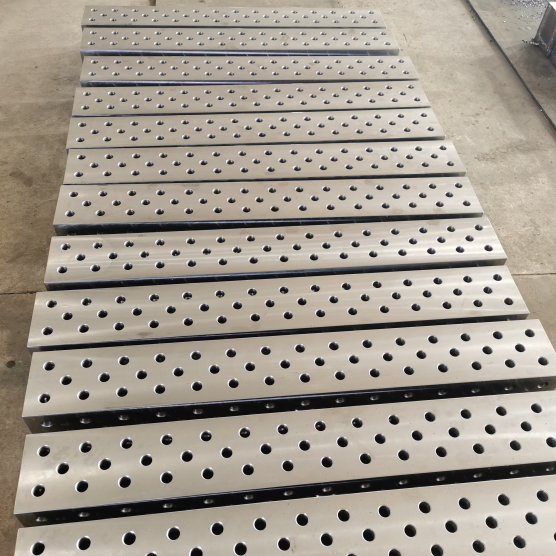
Aluminum casting production is a precision manufacturing process where molten aluminum alloy is poured into a mold to create complex, durable, and lightweight metal components. As a specialized China Aluminum Casting Production Factory, we provide custom OEM solutions that bridge the gap between engineering design and mass manufacturing. Our facilities utilize advanced high-pressure die casting (HPDC), gravity casting, and low-pressure techniques to serve industries ranging from automotive and aerospace to telecommunications and industrial machinery. By integrating rigorous quality control with scalable production capabilities, we deliver components that meet strict international standards for dimensional accuracy, surface finish, and mechanical integrity.
Understanding Aluminum Casting Production in Modern Manufacturing
Aluminum casting remains a cornerstone of modern industrial manufacturing due to the metal’s unique combination of light weight, high strength-to-weight ratio, and excellent corrosion resistance. In 2026, the demand for precision-engineered aluminum parts has surged, driven by the global shift toward electric vehicles (EVs), renewable energy infrastructure, and lightweight consumer electronics. For B2B buyers and procurement specialists, understanding the nuances of aluminum casting production is critical for selecting the right manufacturing partner.
The process involves more than simply melting metal. It requires a deep understanding of metallurgy, fluid dynamics, thermal management, and post-processing techniques. A reliable China Aluminum Casting Production Factory must demonstrate expertise in every stage of the lifecycle, from initial CAD analysis and mold flow simulation to final CNC machining and surface treatment. This comprehensive approach ensures that the final product not only meets geometric specifications but also performs reliably under operational stress.
Why Aluminum? The Material Advantage
Aluminum alloys are preferred in diverse applications because they offer distinct advantages over steel, iron, or plastic alternatives. When evaluating materials for your next project, consider the following inherent benefits of aluminum casting:
- Lightweight Structure: Aluminum is approximately one-third the weight of steel. This reduction in mass is crucial for automotive and aerospace applications where fuel efficiency and payload capacity are paramount.
- High Strength-to-Weight Ratio: Modern aluminum alloys, such as A380, A360, and AlSi10Mg, offer tensile strengths comparable to many steels while maintaining significantly lower density.
- Corrosion Resistance: Aluminum naturally forms a protective oxide layer, making it ideal for outdoor applications, marine environments, and exposed architectural components without extensive coating requirements.
- Excellent Thermal and Electrical Conductivity: This property makes aluminum the material of choice for heat sinks, LED lighting housings, and electronic enclosures.
- Design Flexibility: Casting allows for the creation of complex geometries, thin walls, and integrated features that would be difficult or expensive to achieve through machining or fabrication.
- Recyclability: Aluminum is 100% recyclable without loss of quality, aligning with global sustainability goals and circular economy initiatives.
Core Aluminum Casting Processes: Choosing the Right Method
Not all casting methods are created equal. The choice of process depends on factors such as part complexity, volume requirements, tolerance levels, and budget. As a leading manufacturer, our factory specializes in multiple casting technologies to provide tailored solutions for every client need.
High-Pressure Die Casting (HPDC)
High-Pressure Die Casting is the most common method for mass-producing aluminum components. In this process, molten aluminum is injected into a steel mold (die) at high pressure and high speed. This technique is ideal for producing large volumes of parts with tight tolerances and smooth surface finishes.
Key Characteristics:
- Speed: Cycle times are short, enabling high-volume production.
- Precision: Capable of achieving tight dimensional tolerances (typically ±0.1mm to ±0.2mm).
- Surface Finish: Produces smooth surfaces that often require minimal post-processing.
- Complexity: Suitable for intricate shapes with thin walls and detailed features.
HPDC is widely used in the automotive industry for engine blocks, transmission cases, and structural components, as well as in consumer electronics for housing units.
Gravity Casting
Gravity casting relies on the force of gravity to fill the mold with molten aluminum. This method is slower than HPDC but offers superior mechanical properties and reduced porosity. It is particularly suitable for larger, thicker-walled components where structural integrity is more critical than production speed.
Advantages:
- Lower Tooling Cost: Molds are generally less expensive than those used in HPDC.
- Better Mechanical Properties: Reduced turbulence during filling results in fewer gas pockets and higher density.
- Flexibility: Ideal for medium-volume production runs and larger parts.
Low-Pressure Die Casting (LPDC)
Low-Pressure Die Casting combines the benefits of gravity casting and HPDC. Molten aluminum is pushed into the mold under low pressure, ensuring a calm and controlled fill. This process minimizes oxidation and porosity, resulting in parts with excellent mechanical integrity and leak-tightness.
LPDC is frequently used for automotive wheels, cylinder heads, and other safety-critical components where internal quality is non-negotiable.
Sand Casting
For prototyping or very large, low-volume parts, sand casting remains a viable option. While it offers lower dimensional accuracy and surface finish compared to die casting, it provides unparalleled flexibility in terms part size and geometry changes without the need for expensive steel molds.
Our Custom OEM Solutions: From Concept to Completion
As a dedicated China Aluminum Casting Production Factory, we do not just manufacture parts; we engineer solutions. Our OEM (Original Equipment Manufacturer) services are designed to support clients from the earliest stages of product development through to full-scale production. This end-to-end support reduces time-to-market and mitigates risks associated with manufacturing complexities.
1. Design for Manufacturability (DFM) Analysis
Before any metal is poured, our engineering team conducts a thorough DFM analysis. We review your CAD files to identify potential issues such as undercuts, thick sections that may cause shrinkage, or thin walls that could lead to incomplete filling. By optimizing the design early, we reduce tooling costs and improve the overall quality of the cast part.
2. Advanced Mold Flow Simulation
We utilize state-of-the-art simulation software to predict how molten aluminum will flow into the mold. This virtual testing allows us to optimize gate locations, venting systems, and cooling channels. The result is a mold design that minimizes defects such as air entrapment, cold shuts, and hot spots, ensuring consistent quality across every production run.
3. Precision Tooling and Mold Making
Our in-house tooling department employs high-precision CNC machines to create durable steel molds. We use premium-grade steel materials and advanced heat treatment processes to extend mold life and maintain dimensional stability over hundreds of thousands of cycles. Regular maintenance and inspection protocols ensure that every mold performs at peak efficiency.
4. Integrated CNC Machining
Casting often produces near-net-shape parts that require secondary machining to achieve final dimensions and surface finishes. Our facility is equipped with multi-axis CNC machining centers capable of milling, drilling, tapping, and boring. By integrating casting and machining under one roof, we eliminate logistical delays and ensure seamless quality control between processes.
5. Surface Treatment and Finishing
The final appearance and performance of an aluminum part often depend on its surface treatment. We offer a wide range of finishing options, including:
- Powder Coating: Provides a durable, colorful, and corrosion-resistant finish.
- Anodizing: Enhances surface hardness and corrosion resistance while allowing for decorative coloring.
- Shot Blasting: Cleans the surface and improves adhesion for subsequent coatings.
- Polishing and Buffing: Achieves a high-gloss, aesthetic finish for consumer-facing products.
- E-Coating: Offers superior corrosion protection for harsh environments.
Quality Assurance and International Standards
Trust is built on consistency. In the competitive landscape of global manufacturing, adherence to international quality standards is non-negotiable. Our factory operates under a rigorous Quality Management System (QMS) certified to ISO 9001:2015 standards. Every batch of aluminum casting production undergoes multiple layers of inspection to ensure compliance with customer specifications.
In-Process Quality Control
Quality control begins with raw material verification. We source aluminum ingots from reputable suppliers and perform spectral analysis to confirm alloy composition. During production, operators monitor key parameters such as melt temperature, injection pressure, and cycle time in real-time. Any deviation triggers an immediate alert, allowing for corrective action before defective parts are produced.
Final Inspection Technologies
Our quality laboratory is equipped with advanced measurement and testing equipment, including:
- Coordinate Measuring Machines (CMM): For precise dimensional verification of complex geometries.
- X-Ray Inspection: To detect internal voids, porosity, and inclusions that are not visible on the surface.
- Spectrometers: For accurate chemical composition analysis of each melt.
- Hardness Testers: To verify mechanical properties and heat treatment effectiveness.
- Leak Testing: Essential for components such as pump housings and hydraulic manifolds.
By combining automated inspection with skilled manual oversight, we ensure that every part shipped meets the highest standards of quality and reliability.
Industry Applications: Where Our Castings Perform
Aluminum casting production serves a vast array of industries. Our ability to customize solutions allows us to meet the specific demands of diverse sectors. Below are some of the key industries we serve and the typical applications we produce.
Automotive and Electric Vehicles (EV)
The automotive industry is undergoing a radical transformation with the rise of electric vehicles. Lightweighting is critical for extending battery range, making aluminum casting indispensable. We produce:
- Motor Housings: Precision-cased components for electric motors.
- Battery Trays and Enclosures: Structural parts that protect battery packs while minimizing weight.
- Transmission Cases: Durable housings for gearboxes and drivetrains.
- Structural Components: Shock towers, subframes, and bracketry.
Telecommunications and 5G Infrastructure
As 5G networks expand globally, the demand for high-performance heat dissipation solutions has skyrocketed. Aluminum’s thermal conductivity makes it the ideal material for:
- Heat Sinks: Complex finned structures for base stations and servers.
- Antenna Housings: Weather-resistant enclosures for outdoor equipment.
- RF Component Bodies: Precision parts for signal processing units.
Industrial Machinery and Automation
Industrial equipment requires robust, wear-resistant components that can withstand continuous operation. Our castings are used in:
- Pump and Valve Bodies: Leak-tight components for fluid handling systems.
- Robot Arms and Joints: Lightweight yet strong structures for automation robots.
- Compressor Housings: High-pressure resistant casings for pneumatic systems.
Consumer Electronics and Lighting
Aesthetics and functionality converge in consumer products. We provide high-finish castings for:
- LED Lighting Fixtures: Heat-dissipating housings for streetlights and indoor lighting.
- Appliance Components: Structural and decorative parts for home appliances.
- Audio Equipment Housings: Vibration-dampening enclosures for speakers and amplifiers.
Comparison of Casting Methods for Decision Making
Selecting the right casting method is a strategic decision that impacts cost, lead time, and product performance. The following table provides a comparative overview to help guide your selection process.
| Feature |
High-Pressure Die Casting (HPDC) |
Gravity Casting |
Low-Pressure Die Casting (LPDC) |
Sand Casting |
| Production Volume |
High (Mass Production) |
Medium |
Medium to High |
Low (Prototyping/Large Parts) |
| Dimensional Accuracy |
Very High |
Moderate |
High |
Low |
| Surface Finish |
Smooth (Minimal Post-Processing) |
Rougher (Requires Machining) |
Good |
Rough (Requires Significant Finishing) |
| Tooling Cost |
High |
Low to Moderate |
Moderate to High |
Very Low |
| Part Complexity |
High (Thin Walls, Intricate Details) |
Moderate |
Moderate to High |
High (No Draft Limits) |
| Mechanical Properties |
Good (Potential for Porosity) |
Excellent (Low Porosity) |
Excellent (Very Low Porosity) |
Variable |
| Lead Time |
Fast (Once Tooling is Ready) |
Moderate |
Moderate |
Fast (for Prototypes) |
Common Challenges in Aluminum Casting and How We Solve Them
Even with advanced technology, aluminum casting presents certain challenges. Understanding these issues and their solutions demonstrates our technical expertise and commitment to quality.
Porosity and Air Entrapment
Porosity occurs when gas bubbles become trapped in the solidifying metal. This can weaken the part and cause leaks. Solution: We optimize gate and vent design using simulation software, control melt cleanliness through filtration, and adjust injection speeds to minimize turbulence.
Shrinkage Defects
As aluminum cools, it shrinks. If not managed correctly, this can lead to internal voids or surface depressions. Solution: We design efficient cooling systems and use risers or feeders in gravity casting to ensure a continuous supply of molten metal to shrinking areas.
Hot Tearing
Hot tearing happens when the metal cracks during solidification due to thermal stress. Solution: We modify part geometry to avoid sharp corners and sudden section changes, and we carefully control mold temperatures to ensure uniform cooling.
Ejection Difficulties
Parts can stick to the mold if draft angles are insufficient or if the surface finish is poor. Solution: We apply appropriate draft angles during the design phase and use high-quality release agents and polished mold surfaces to facilitate easy ejection.
FAQ: Frequently Asked Questions About Aluminum Casting Production
To further assist buyers and engineers, we have compiled answers to common questions regarding our aluminum casting production services.
What is the minimum order quantity (MOQ) for custom aluminum castings?
The MOQ depends on the casting method and part complexity. For high-pressure die casting, MOQs are typically higher due to tooling costs, often starting at 1,000–5,000 units. For gravity casting or sand casting, we can accommodate lower volumes, sometimes as low as 50–100 units for prototyping. We work with clients to find the most cost-effective solution for their volume needs.
How long does it take to develop a new mold?
Mold development typically takes 4–8 weeks, depending on the complexity of the part and the type of mold required. This includes design, simulation, machining, assembly, and trial runs. We provide regular updates and sample parts for approval throughout the process.
Can you handle secondary machining and assembly?
Yes, we offer comprehensive secondary services including CNC machining, tapping, drilling, deburring, and assembly. This turnkey approach simplifies your supply chain and ensures that all components fit together perfectly.
What aluminum alloys do you commonly use?
We work with a wide range of aluminum alloys, including A380, A360, A383, AlSi10Mg, and A413. The choice of alloy depends on the required mechanical properties, castability, and end-use environment. Our engineers can recommend the best alloy for your specific application.
Do you provide material certifications?
Absolutely. We provide full material traceability and certifications, including chemical composition reports and mechanical property test results. For automotive and aerospace clients, we can also provide PPAP (Production Part Approval Process) documentation.
How do you ensure consistency in mass production?
Consistency is achieved through standardized operating procedures, automated process monitoring, and rigorous quality control checks. We use statistical process control (SPC) to track key parameters and identify trends before they become issues. Regular maintenance of molds and machinery also plays a crucial role in maintaining consistency.
Strategic Advantages of Partnering with a China-Based Factory
In 2026, sourcing from China continues to offer significant strategic advantages for global businesses. However, the landscape has evolved. It is no longer just about low labor costs; it is about technological sophistication, supply chain integration, and scalability.
Advanced Technological Infrastructure
Leading Chinese factories have invested heavily in automation, robotics, and digital manufacturing technologies. Our facility utilizes Industry 4.0 principles, with connected machines providing real-time data on production status. This level of technological adoption ensures high precision and efficiency that rivals manufacturers in developed nations.
Complete Supply Chain Ecosystem
China boasts a complete industrial ecosystem. Raw materials, tooling components, surface treatment services, and logistics providers are all located within close proximity. This clustering reduces lead times and lowers transportation costs, allowing for faster response to market changes.
Scalability and Flexibility
Whether you need a few hundred prototypes or millions of mass-produced units, Chinese manufacturers offer unparalleled scalability. We can rapidly ramp up production to meet surges in demand, providing a competitive edge in fast-moving markets.
Cost Efficiency Without Compromising Quality
While labor costs have risen, overall manufacturing efficiency has improved significantly. Through automation and lean manufacturing practices, we maintain competitive pricing while delivering high-quality products. The total cost of ownership, including tooling, production, and logistics, often remains favorable compared to other regions.
Selection Guide: How to Choose the Right Aluminum Casting Partner
Choosing the right manufacturing partner is a critical decision. Here are key factors to consider when evaluating potential suppliers:
- Technical Expertise: Does the supplier have experience with your specific industry and part complexity? Look for evidence of engineering support and DFM capabilities.
- Quality Certifications: Verify ISO 9001 certification and any industry-specific certifications (e.g., IATF 16949 for automotive).
- Production Capacity: Ensure the supplier has the equipment and capacity to meet your volume requirements and lead times.
- Communication and Transparency: Effective communication is essential for successful collaboration. Choose a partner who is responsive, transparent, and proactive in addressing issues.
- Supply Chain Stability: Assess the supplier’s relationships with raw material providers and sub-suppliers to ensure continuity of supply.
- Post-Sales Support: Consider the level of support provided after delivery, including warranty policies and technical assistance.
Future Trends in Aluminum Casting Production
As we look beyond 2026, several trends are shaping the future of aluminum casting production:
Sustainability and Green Manufacturing
Environmental regulations are becoming stricter globally. Manufacturers are increasingly focusing on reducing energy consumption, minimizing waste, and using recycled aluminum. Our factory is committed to sustainable practices, including energy-efficient melting furnaces and closed-loop water cooling systems.
Digitalization and Smart Factories
The integration of IoT, AI, and big data analytics is transforming casting operations. Predictive maintenance, real-time quality monitoring, and digital twins are becoming standard practices, enhancing efficiency and reducing downtime.
Lightweighting Innovations
The drive for lightweighting continues, particularly in the automotive and aerospace sectors. New alloy developments and advanced casting techniques, such as vacuum-assisted die casting, are enabling the production of even thinner and stronger components.
Conclusion: Elevate Your Product with Precision Aluminum Casting
Aluminum casting production is a sophisticated discipline that combines material science, engineering precision, and manufacturing excellence. As a trusted China Aluminum Casting Production Factory, we are dedicated to delivering custom OEM solutions that meet the highest standards of quality, performance, and value. Whether you are developing a new product or optimizing an existing supply chain, our expertise and capabilities are designed to support your success.
Our commitment to continuous improvement, technological innovation, and customer satisfaction sets us apart in the global manufacturing landscape. We understand that every project is unique, and we tailor our approach to meet your specific needs. From initial design consultation to final delivery, we are your partner in bringing your vision to life.
Who Should Partner With Us?
Our services are ideal for:
- Automotive OEMs and Tier 1 Suppliers: Seeking lightweight, high-strength components for EVs and traditional vehicles.
- Telecommunications Companies: Requiring precise heat dissipation solutions for 5G infrastructure.
- Industrial Equipment Manufacturers: Needing durable, complex parts for machinery and automation systems.
- Consumer Electronics Brands: Looking for high-quality, aesthetically pleasing housings and structural components.
- Engineering Firms: Seeking a reliable manufacturing partner for prototyping and production.
Take the Next Step
Ready to optimize your manufacturing process? Contact our engineering team today to discuss your project requirements. We offer free DFM analysis and competitive quoting for new projects. Let us demonstrate how our precision aluminum casting solutions can enhance your product’s performance and profitability.
→ Request a Quote / View Technical Specifications
About Botou Haijun Metal Products Co., Ltd.
While our core competency lies in aluminum casting, our parent company, Botou Haijun Metal Products Co., Ltd., brings decades of specialized expertise in the research, development, and production of high-precision flexible modular fixtures and metalworking tools. This broader industrial background reinforces our commitment to providing efficient and flexible solutions for the modern manufacturing industry.
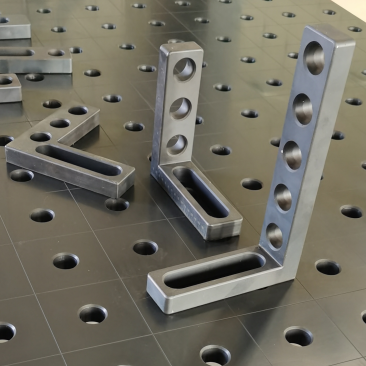
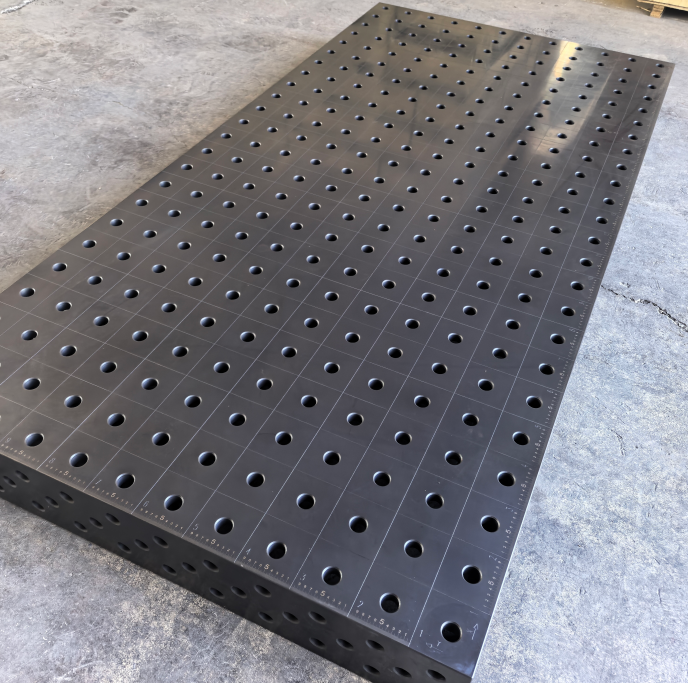
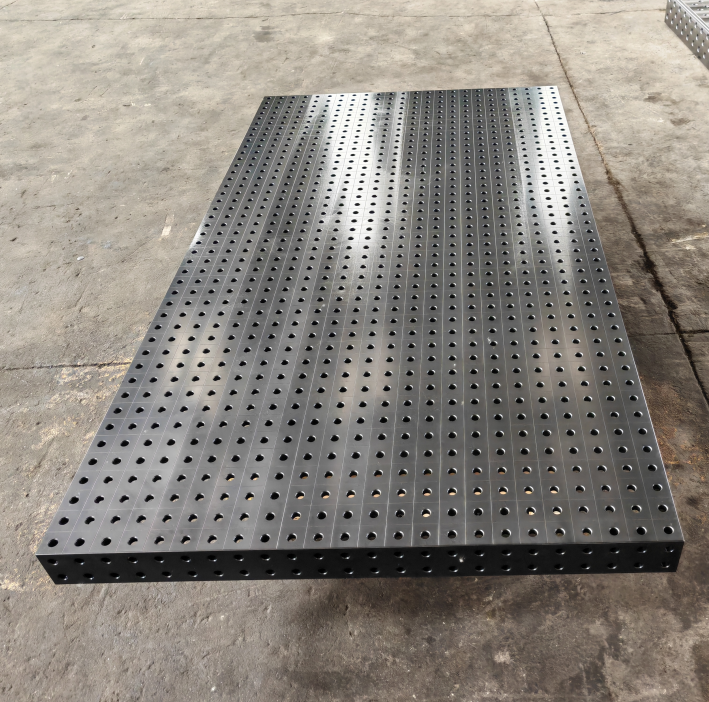
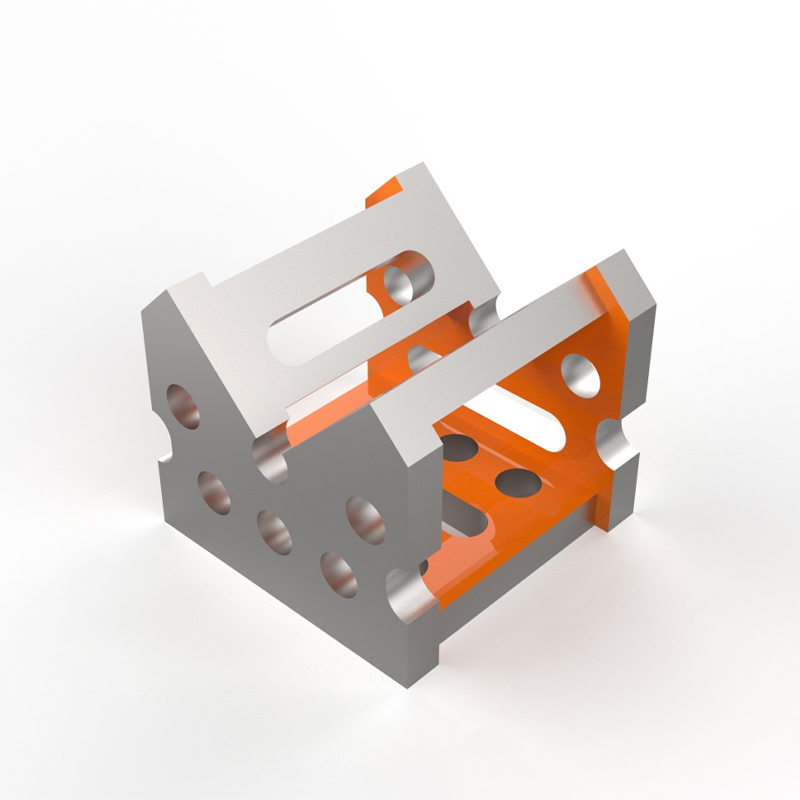
Haijun Metal is renowned for its core product line of 2D and 3D flexible welding platforms, which have become the preferred jigging equipment in the machining, automotive, and aerospace sectors. Our experience in manufacturing professional cast iron 3D welding platforms, angle connection blocks, and complementary components—such as U-shaped and L-shaped multi-purpose square boxes, 200-series support angle irons, and 0-225° universal angle gauges—has ingrained a culture of exceptional durability, stability, and precision in our operations.
This synergy between advanced casting capabilities and deep knowledge of precision tooling allows us to better understand the end-use applications of our clients’ products. Whether it is ensuring the dimensional stability of a cast component for a welding fixture or producing complex housings for automation equipment, Botou Haijun Metal Products Co., Ltd. stands as a trusted supplier of high-quality production machinery tools and cast components to customers both domestically and internationally.