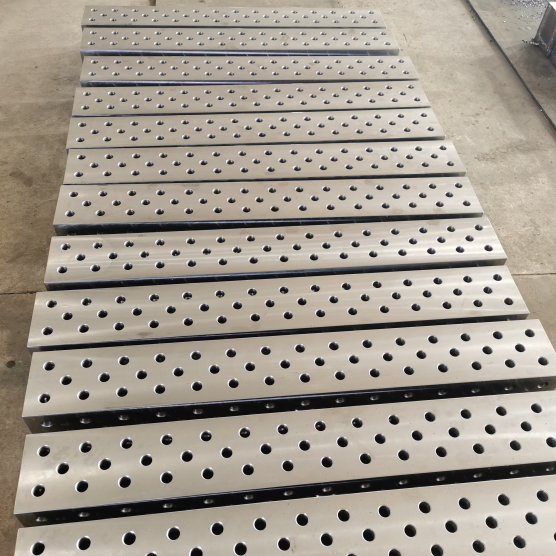
Aluminum casting parts are precision-engineered metal components produced by pouring molten aluminum alloy into a mold cavity, where it solidifies into complex shapes. As a specialized China aluminum casting parts manufacturer, we provide custom OEM solutions that balance structural integrity with lightweight performance. Our facility utilizes advanced high-pressure die casting (HPDC), gravity casting, and sand casting technologies to deliver tight-tolerance components for automotive, aerospace, and industrial machinery sectors. By integrating rigorous quality control with scalable production capabilities, we ensure every batch meets international standards such as ISO 9001 and IATF 16949, offering buyers a reliable source for durable, cost-effective metal fabrication.
What Are Aluminum Casting Parts and Why Do They Matter?
Aluminum casting is a manufacturing process that has become foundational to modern engineering due to the metal’s unique physical properties. Unlike steel or iron, aluminum offers an exceptional strength-to-weight ratio, making it indispensable in industries where fuel efficiency and mobility are critical. When engineers specify aluminum casting parts, they are typically looking for components that can withstand significant mechanical stress while minimizing overall system weight.
The process involves melting aluminum ingots—often mixed with alloying elements like silicon, magnesium, or copper—to enhance fluidity, corrosion resistance, and tensile strength. This molten metal is then introduced into a pre-designed mold. Once cooled, the resulting part retains the intricate details of the mold, allowing for complex geometries that would be impossible or prohibitively expensive to achieve through machining alone.
Key Characteristics of High-Quality Cast Aluminum
- Lightweight Durability: Aluminum is approximately one-third the weight of steel, reducing load in moving assemblies without sacrificing structural support.
- Corrosion Resistance: A natural oxide layer forms on the surface, protecting the part from environmental degradation, which is vital for outdoor or marine applications.
- Thermal Conductivity: Excellent heat dissipation properties make cast aluminum ideal for heat sinks, engine blocks, and electronic housings.
- Dimensional Stability: Modern casting techniques ensure minimal shrinkage and warping, maintaining precise tolerances even in thin-walled designs.
- Recyclability: Aluminum is 100% recyclable without loss of quality, aligning with global sustainability goals and reducing raw material costs.
Our Core Manufacturing Processes: Precision and Scalability
Selecting the right casting method is crucial for optimizing cost, lead time, and part performance. As a comprehensive OEM factory, we deploy multiple casting technologies to match specific project requirements. Understanding these processes helps buyers make informed decisions about their supply chain strategy.
High-Pressure Die Casting (HPDC)
High-pressure die casting is our primary method for mass production. In this process, molten aluminum is injected into a steel mold (die) under high pressure, typically ranging from 1,500 to 15,000 psi. This force ensures the metal fills every detail of the mold cavity rapidly.
Best For: High-volume orders requiring tight tolerances and smooth surface finishes. Common applications include automotive transmission cases, consumer electronics housings, and power tool components.
Advantages:
- Extremely fast cycle times, enabling high throughput.
- Excellent dimensional accuracy and repeatability.
- Thin-wall capabilities down to 0.5mm in certain alloys.
- Minimal post-processing required for standard fits.
Gravity Die Casting (Permanent Mold)
Gravity die casting relies on gravity rather than high pressure to fill the mold. The molten aluminum is poured manually or automatically into a reusable metal mold. This slower filling process reduces turbulence and gas entrapment.
Best For: Medium-volume production where mechanical properties and density are more critical than speed. Ideal for automotive wheels, suspension components, and hydraulic pump bodies.
Advantages:
- Superior mechanical properties due to finer grain structure.
- Lower porosity compared to high-pressure die casting.
- Better suitability for heat treatment processes.
- Cost-effective for medium batch sizes where HPDC tooling is too expensive.
Sand Casting
Sand casting uses disposable sand molds to create large or complex parts. While the surface finish is rougher than die casting, this method offers unparalleled flexibility in part size and geometry.
Best For: Low-volume production, prototyping, and very large components such as engine blocks, pump housings, and industrial machinery frames.
Advantages:
- Low tooling costs, making it economical for small batches.
- Capability to produce extremely large parts.
- Flexibility to use various aluminum alloys, including those with high melting points.
- Rapid design changes since sand molds are easily modified.
Material Selection: Choosing the Right Aluminum Alloy
The performance of aluminum casting parts is heavily dependent on the alloy composition. Different alloys offer varying levels of fluidity, strength, and corrosion resistance. Our engineering team assists clients in selecting the optimal material based on their application environment.
| Alloy Series |
Common Grades |
Key Properties |
Typical Applications |
| A380 (Al-Si-Cu) |
ADC12, 383 |
Excellent fluidity, good strength, moderate corrosion resistance. The most widely used die-casting alloy. |
Automotive engine parts, gearbox housings, electronic connectors. |
| A360 (Al-Si-Mg) |
360, 364 |
Superior corrosion resistance and pressure tightness. Lower strength than A380 but better ductility. |
Marine components, medical devices, food processing equipment. |
| A413 (Al-Si) |
413, B413 |
Highest fluidity and pressure tightness. Good for thin-walled complex shapes. |
Pump housings, hydraulic cylinders, intricate architectural hardware. |
| A535 (Al-Mg) |
535, 514 |
High strength and excellent corrosion resistance. Difficult to cast due to low fluidity. |
Aerospace structures, high-stress mechanical parts, marine fittings. |
When sourcing from a China aluminum casting parts manufacturer, specifying the correct alloy is the first step toward ensuring product longevity. For instance, using A380 for a marine application might lead to premature failure due to corrosion, whereas A360 would perform significantly better despite a slightly higher material cost.
Quality Assurance and Industry Certifications
In the B2B manufacturing sector, trust is built on consistency. Our facility operates under strict quality management systems to ensure that every aluminum casting part meets the specified drawings and international standards. We do not just inspect finished goods; we control quality at every stage of production.
In-Process Quality Control Steps
- Raw Material Inspection: Spectrometry analysis of incoming aluminum ingots to verify chemical composition before melting.
- Melt Control: Regular temperature monitoring and degassing processes to remove hydrogen and prevent porosity.
- First Article Inspection (FAI): Comprehensive measurement of the first parts off the line using CMM (Coordinate Measuring Machine) to validate tooling accuracy.
- Process Monitoring: Real-time tracking of injection pressure, temperature, and cycle time during HPDC runs.
- Final QC: Visual inspection, dimensional checks, and functional testing before packaging.
Certifications and Compliance
We maintain certifications that are recognized globally, ensuring our parts can be integrated into supply chains across North America, Europe, and Asia.
- ISO 9001:2015: Demonstrates our commitment to consistent quality management practices.
- IATF 16949: Essential for automotive suppliers, focusing on defect prevention and reduction of variation in the supply chain.
- RoHS & REACH Compliance: Ensures our materials are free from hazardous substances, meeting environmental regulations in the EU and other markets.
- ISO 14001: Reflects our dedication to environmental management and sustainable manufacturing practices.
Surface Finishing Options for Enhanced Performance
Raw cast aluminum often requires secondary finishing to improve aesthetics, corrosion resistance, or wear properties. As a full-service OEM provider, we offer a range of post-processing treatments tailored to your project needs.
1. Powder Coating
A dry finishing process where electrostatically charged powder is applied to the part and cured under heat. It provides a thick, durable, and uniform finish available in various colors and textures. Ideal for outdoor equipment and consumer products.
2. Anodizing
An electrochemical process that converts the metal surface into a decorative, durable, corrosion-resistant, anodic oxide finish. Type II anodizing is common for general protection, while Type III (hard coat) offers superior wear resistance for industrial components.
3. Shot Blasting
Uses abrasive media to clean the surface, remove burrs, and create a uniform matte texture. This is often a preparatory step for painting or coating but can also serve as a final finish for industrial aesthetics.
4. Machining (CNC)
While casting creates the near-net shape, critical interfaces often require CNC machining to achieve tight tolerances (e.g., ±0.01mm). We integrate CNC centers directly into our production line to streamline this process.
5. Tumbling and Polishing
Used to smooth edges and create a shiny, reflective surface. This is common for decorative hardware and lighting fixtures.
Industries Served: Application Scenarios
Our aluminum casting parts are integral to a wide array of industries. Each sector has unique demands regarding precision, volume, and material performance. Here is how our solutions apply across different verticals.
Automotive and Electric Vehicles (EV)
The shift toward electric vehicles has increased the demand for lightweight components to extend battery range. We produce:
- Motor housings and end caps.
- Battery tray enclosures with high thermal conductivity.
- Transmission and gearbox casings.
- Structural chassis components.
The ability to cast complex cooling channels directly into motor housings is a key advantage of our HPDC capabilities, improving thermal management for EV powertrains.
Aerospace and Defense
This sector demands the highest level of reliability and traceability. Our gravity casting and precision machining services deliver:
- Avionics enclosures.
- Bracketry and mounting plates.
- Hydraulic system components.
- Drone frame structures.
We adhere to strict documentation protocols, ensuring full material traceability for every batch shipped.
Industrial Machinery and Automation
Heavy-duty equipment requires parts that can withstand vibration and load. We manufacture:
- Pump and valve bodies.
- Robot arm joints and housings.
- Conveyor system components.
- Heat exchangers.
Our sand casting capabilities allow us to produce large, robust frames for industrial machines, while die casting provides precise gears and levers for automated assembly lines.
Consumer Electronics and Telecommunications
Aesthetics and heat dissipation are paramount here. We supply:
- Laptop and smartphone internal frames.
- LED lighting heat sinks.
- Router and server housings.
- Camera body components.
The high thermal conductivity of aluminum makes it the preferred material for managing heat in high-performance electronic devices.
Why Source Aluminum Casting Parts from China?
Global procurement strategies increasingly favor China for aluminum casting due to a combination of mature infrastructure, skilled labor, and cost efficiency. However, the landscape has evolved. It is no longer just about low cost; it is about value engineering and supply chain resilience.
Cost Efficiency Without Compromising Quality
China’s established aluminum supply chain means raw materials are readily available at competitive prices. Combined with efficient manufacturing processes, this allows for significant cost savings compared to Western counterparts, especially for medium to high-volume runs.
Advanced Technological Capabilities
Modern Chinese foundries have invested heavily in automation. From robotic spraying systems in die casting cells to automated CNC loading, our facilities operate with a level of precision and consistency that rivals top-tier global manufacturers. This technological adoption reduces human error and enhances repeatability.
Scalability and Flexibility
Whether you need 100 prototypes or 1 million production units, our infrastructure scales to meet demand. We can rapidly adjust production lines to accommodate design changes or urgent orders, providing agility that rigid domestic suppliers may lack.
Integrated Supply Chain
From mold design and tooling to casting, machining, and surface finishing, having all processes under one roof reduces logistics complexity and lead times. This vertical integration ensures better communication and faster problem-solving during the NPI (New Product Introduction) phase.
About Botou Haijun Metal Products: Precision Beyond Casting
At Botou Haijun Metal Products Co., Ltd., our expertise extends beyond producing individual cast components. We specialize in the research, development, and production of high-precision flexible modular fixtures and metalworking tools, committed to providing efficient welding and positioning solutions for the modern manufacturing industry.
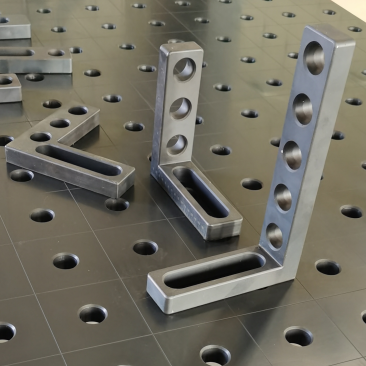
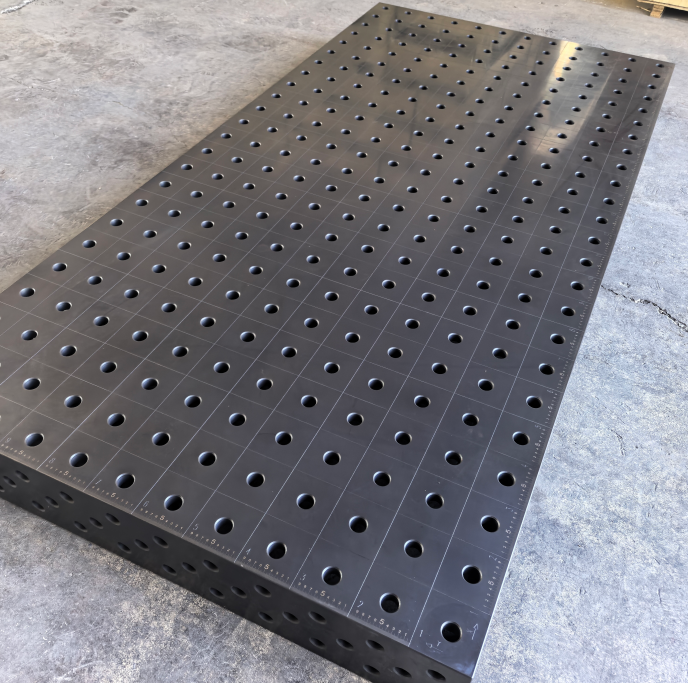
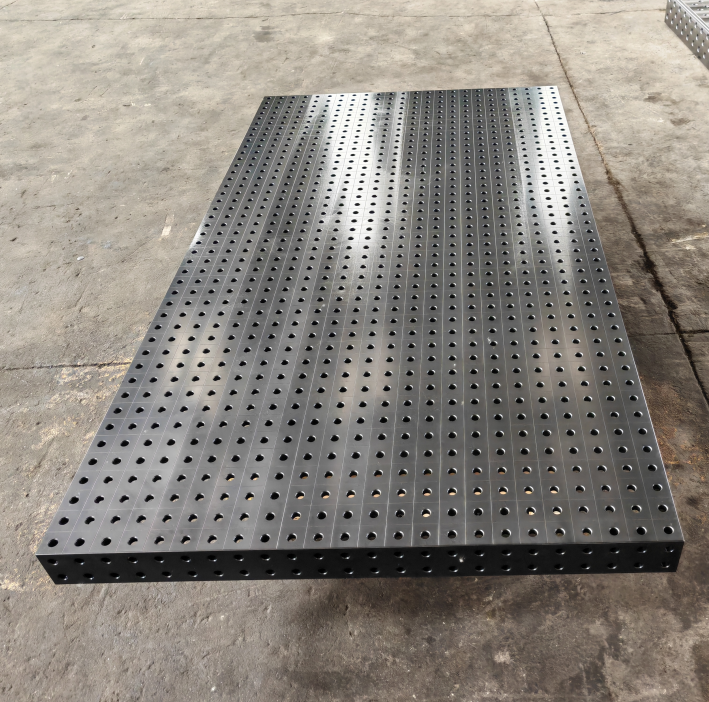
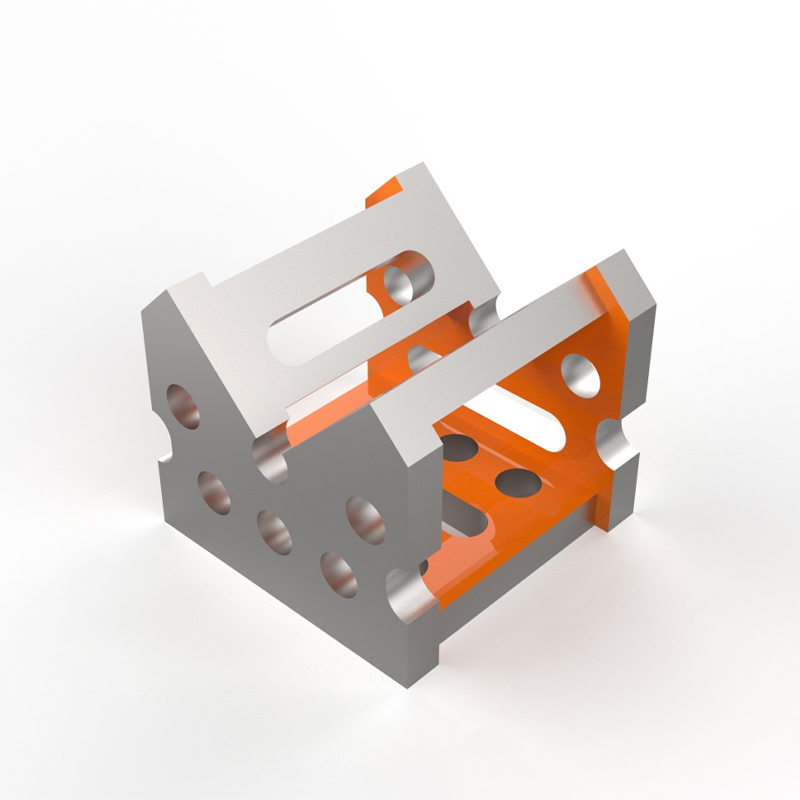
Understanding that the quality of a final assembly depends heavily on the precision of its fixturing, we offer a comprehensive ecosystem of manufacturing aids. Our core product line includes renowned 2D and 3D flexible welding platforms, which have become the preferred jigging equipment in the machining, automotive, and aerospace industries. These platforms are complemented by a wide range of accessories, such as U-shaped and L-shaped multi-purpose square boxes, 200-series support angle irons, and 0-225° universal angle gauges. Additionally, we manufacture professional cast iron 3D welding platforms and angle connection blocks, ensuring exceptional durability and stability. By combining our aluminum casting capabilities with our deep experience in precision tooling, Haijun Metal serves as a trusted partner for customers seeking both high-quality components and the robust infrastructure to assemble them.
How to Choose the Right Aluminum Casting Manufacturer
Selecting a partner is a critical decision. To ensure a successful collaboration, consider these key factors when evaluating potential suppliers.
1. Technical Expertise and Engineering Support
Look for a manufacturer that offers DFM (Design for Manufacturability) feedback. A good partner will review your CAD files and suggest modifications to reduce cost, improve fill rates, or enhance structural integrity before tooling begins.
2. Tooling Capabilities
In-house tooling workshops allow for faster iterations and better quality control over the molds. Ask about their mold maintenance protocols and expected tool life.
3. Quality Control Infrastructure
Verify their inspection equipment. Do they have CMMs, X-ray machines for internal defect detection, and spectrometers? Request sample inspection reports to understand their documentation standards.
4. Communication and Transparency
Effective communication is vital for overseas partnerships. Ensure the supplier has dedicated project managers who speak your language and provide regular updates on production status.
5. Certifications and Track Record
Check for relevant industry certifications (ISO, IATF) and ask for case studies or references from clients in your sector. A proven track record in your specific industry reduces risk.
Common Defects in Aluminum Casting and How We Prevent Them
Understanding potential defects helps buyers set realistic expectations and appreciate the importance of process control. Here are common issues and our mitigation strategies.
| Defect Type |
Description |
Prevention Strategy |
| Porosity |
Small voids or holes caused by trapped gas or shrinkage. |
Optimized gating systems, proper degassing of molten metal, and controlled cooling rates. |
| Cold Shuts |
Lines or cracks where molten metal streams meet but fail to fuse. |
Adjusting injection speed and temperature to ensure proper flow front convergence. |
| Misruns |
Incomplete filling of the mold cavity. |
Ensuring adequate venting and optimizing injection pressure to fill thin sections. |
| Dross |
Oxide inclusions on the surface or inside the part. |
Regular skimming of the melt surface and using filters in the gating system. |
| Warpage |
Distortion of the part after ejection due to uneven cooling. |
Uniform cooling channel design in the mold and controlled ejection timing. |
Frequently Asked Questions (FAQ)
What is the typical lead time for custom aluminum casting parts?
Lead times vary based on complexity and volume. Tooling typically takes 15-25 days. Once tools are approved, sample production takes 3-5 days. Mass production lead times range from 2-4 weeks depending on order quantity and surface finishing requirements.
Can you handle both prototyping and mass production?
Yes. We offer rapid prototyping services using soft tooling or 3D printed sand molds for initial validation. Once the design is finalized, we transition to hard steel tooling for high-volume mass production, ensuring a seamless path from concept to market.
What file formats do you accept for quotations?
We prefer 3D CAD files in STEP, IGES, or X_T formats for accurate assessment. 2D drawings in PDF or DWG format are also required to specify tolerances, thread standards, and critical dimensions.
Do you provide secondary machining services?
Yes, we have an in-house CNC machining department. We can perform drilling, tapping, milling, and turning to achieve tight tolerances on critical features that cannot be held by casting alone.
What is the minimum order quantity (MOQ)?
Our MOQ depends on the casting process. For die casting, MOQs are typically higher (e.g., 500-1000 pcs) to amortize tooling costs. For sand casting, we can accommodate lower quantities (e.g., 50-100 pcs) due to lower tooling expenses. We discuss flexible options during the quotation phase.
How do you ensure the confidentiality of my designs?
We take intellectual property seriously. We are willing to sign Non-Disclosure Agreements (NDAs) before reviewing any design files. Our internal data security protocols restrict access to client designs to authorized personnel only.
Step-by-Step Guide to Ordering Custom Aluminum Castings
To streamline your procurement process, follow these steps when engaging with our team.
- Submit Your Design: Send your 3D CAD files and 2D drawings via our secure portal or email. Include material preferences and annual volume estimates.
- DFM Analysis & Quotation: Our engineers review the design for manufacturability. We provide a detailed quote including tooling costs, unit price, and lead time within 48 hours.
- Tooling Fabrication: Upon approval, we begin mold design and fabrication. You will receive regular updates and T1 (first trial) samples for validation.
- Sample Approval: We ship T1 samples for your inspection. Any necessary adjustments to the mold are made at this stage.
- Mass Production: Once samples are approved, we schedule full-scale production. Rigorous QC checks are performed throughout the run.
- Finishing and Packaging: Parts undergo specified surface treatments and are packaged securely for international shipping.
- Delivery: We coordinate logistics to ensure timely delivery to your facility, handling all necessary export documentation.
Conclusion: Partnering for Precision and Growth
In today’s competitive manufacturing landscape, the quality of your components directly impacts the performance of your final product. Sourcing aluminum casting parts from a reliable China aluminum casting parts manufacturer offers a strategic advantage in terms of cost, scalability, and technical expertise. Our commitment to EEAT principles—demonstrating deep Experience in metallurgy, Expertise in process engineering, Authoritativeness through certifications, and Trustworthiness via transparent operations—makes us the ideal partner for your next project.
Whether you are developing a next-generation electric vehicle component, a rugged industrial housing, or a sleek consumer electronic device, our custom OEM solutions are designed to meet your exact specifications. We do not just supply parts; we deliver engineering value.
Ready to optimize your supply chain?
Contact our engineering team today to discuss your project requirements. Upload your drawings for a free DFM analysis and competitive quotation. Let us help you bring your innovative designs to life with precision aluminum casting.
Explore Our Full Range of Aluminum Casting Solutions and Request a Quote