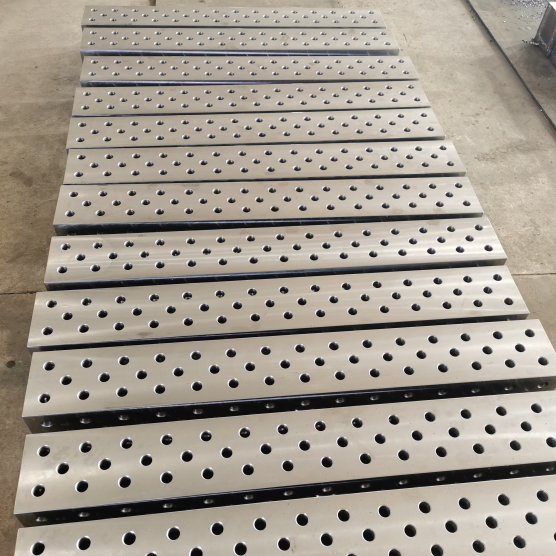
A stainless steel welding table is a durable workbench made from corrosion-resistant steel alloys, designed specifically for precision welding, fabrication, and assembly tasks. In 2026, prices for high-quality units from Chinese manufacturers typically range from $500 to $3,000 depending on size, material grade (201 vs. 304), and fixture compatibility. These tables offer superior heat resistance and longevity compared to standard carbon steel options, making them essential for industries requiring strict hygiene or exposure to harsh environments.
Why Choose a Stainless Steel Welding Table in 2026
The demand for stainless steel welding tables has surged in recent years due to their unique combination of strength and corrosion resistance. Unlike traditional mild steel tables that require constant maintenance to prevent rust, stainless variants maintain structural integrity even in humid or chemically aggressive environments.
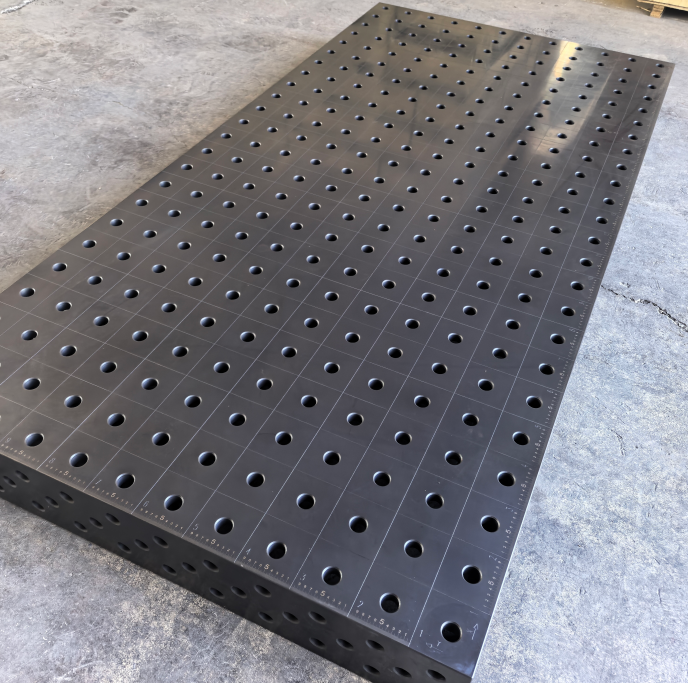
Manufacturers in China have refined production techniques, offering competitive pricing without compromising on quality. The latest models feature nitrided surfaces and 3D flexible hole patterns, allowing for versatile clamping and fixturing.
- Corrosion Resistance: Ideal for marine, food processing, and pharmaceutical applications.
- Heat Dissipation: Efficiently manages thermal distortion during heavy welding.
- Hygiene Standards: Easy to clean and sanitize, meeting strict industrial regulations.
- Long-Term Value: Higher upfront cost is offset by decades of service life.
When evaluating options, buyers should consider the specific alloy grade. While 201 series steel offers a budget-friendly solution for light-duty tasks, 304 series remains the industry standard for professional fabrication due to its superior chromium and nickel content.
Key Material Standards and Grades
Understanding material specifications is crucial when purchasing a stainless steel welding table. The performance and price of the unit depend heavily on the specific alloy used in its construction.
Grade 201 vs. Grade 304 Stainless Steel
Grade 201 stainless steel contains manganese and nitrogen instead of some nickel, making it less expensive but slightly less corrosion-resistant. It is suitable for indoor workshops with controlled humidity.
Grade 304, often referred to as 18/8 stainless, contains 18% chromium and 8% nickel. This composition provides excellent resistance to oxidation and acids, making it the preferred choice for outdoor use or harsh industrial settings.
- Thickness Matters: Professional tables typically feature tabletop thicknesses between 0.8mm and 4mm. Thicker plates (3mm+) reduce warping under high heat.
- Surface Finish: Options include electroplating, satin, or nitrided finishes. Nitriding increases surface hardness, protecting against sparks and spatter.
- Frame Construction: While the top is stainless, some frames use galvanized steel to reduce costs, though full stainless frames offer maximum durability.
Recent market data from early 2026 indicates stable pricing for raw materials, with large-scale manufacturers in regions like Tianjin and Shenzhen offering consistent quality control for bulk orders.
Types of Stainless Steel Welding Tables
The market offers various configurations to suit different welding processes and workspace requirements. Selecting the right type ensures optimal workflow efficiency.
Standard Flat Top Tables
These are the most common units, featuring a smooth, flat surface ideal for general fabrication. They often come with optional accessories like shelves or drawers for tool storage.
Models such as the S783A series demonstrate how modern designs integrate sound-deadening undercoatings and rubber pads to reduce noise in busy workshops.
3D Flexible Welding Platforms
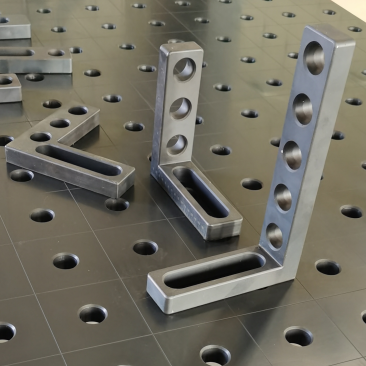
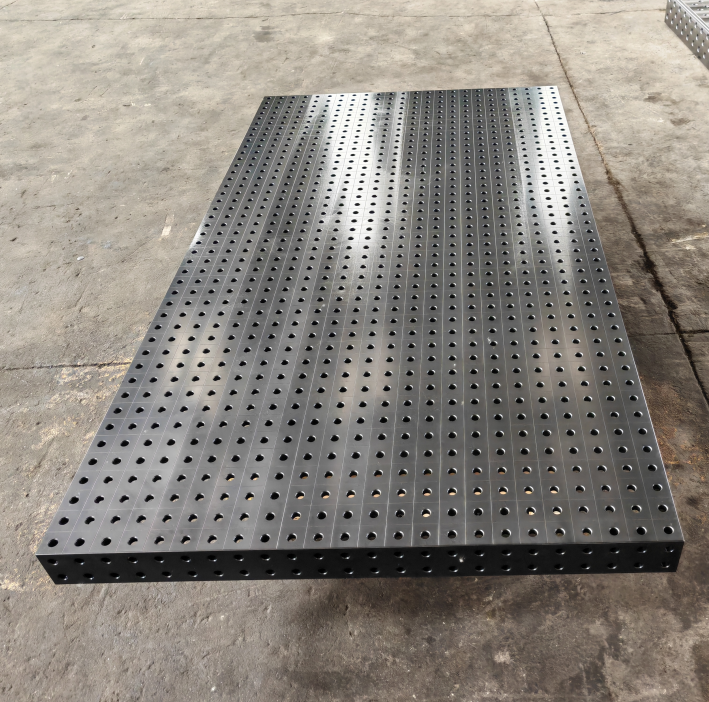
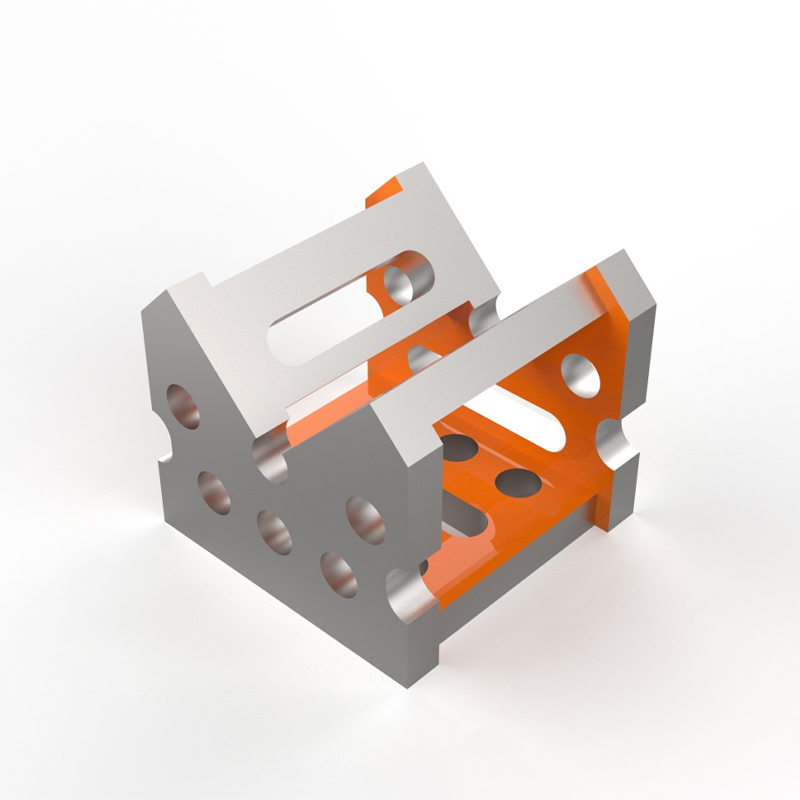
Advanced 3D welding tables feature a grid of precision-drilled holes across the top and sides. This allows welders to position fixtures, clamps, and stops at any angle.
- Versatility: Supports complex assemblies and multi-axis welding.
- Accuracy: Machined holes ensure repeatable precision for mass production.
- Modularity: Compatible with a wide range of third-party fixturing tools.
Cast iron bases combined with stainless tops are becoming popular for heavy-duty applications, providing the vibration damping of iron with the corrosion resistance of steel.
Adjustable and Rotating Tables
For ergonomic benefits, adjustable height tables allow operators to work at comfortable levels, reducing fatigue. Rotating models enable 360-degree access to the workpiece, crucial for pipe welding and circular assemblies.
Prices for these specialized units generally start around $1,000 and can reach $3,000 for fully automated or large-scale custom solutions.
Price Analysis and Buying Guide
Navigating the pricing landscape for stainless steel welding tables requires understanding the factors that influence cost. As of 2026, the market offers a wide spectrum of options tailored to different budgets.
Factors Influencing Cost
The primary driver of price is the material grade. A table made from 304 stainless steel will cost significantly more than one made from 201 grade due to the higher nickel content.
Customization also plays a major role. OEM services allowing for specific dimensions, hole patterns, or integrated power outlets will increase the unit price but provide better long-term utility.
- Size: Larger tables require more material and heavier shipping, increasing costs.
- Finish: Specialized treatments like plasma nitriding add to the manufacturing expense.
- MOQ: Bulk purchases often lower the per-unit cost, with some manufacturers offering discounts for orders over 50 pieces.
Current Market Pricing Trends
Entry-level small tables or components can be found for under $100 in bulk scenarios, while standalone professional units typically range from $500 to $2,000. High-end, large-scale 3D platforms with cast iron supports can exceed $3,000.
Buyers should request samples before placing large orders to verify material thickness and weld quality. Reputable suppliers often provide detailed specification sheets confirming the actual thickness versus nominal claims.
Comparison: Stainless Steel vs. Carbon Steel Tables
Deciding between stainless and carbon steel is a common dilemma for workshop owners. Each material has distinct advantages depending on the application.
| Feature |
Stainless Steel Table |
Carbon Steel Table |
| Corrosion Resistance |
Excellent; resists rust and chemicals |
Poor; requires painting or oiling |
| Maintenance |
Low; easy to clean |
High; needs regular rust prevention |
| Cost |
Higher initial investment |
Lower upfront cost |
| Heat Resistance |
High; retains strength at temperature |
High; but may warp if unprotected |
| Best Use Case |
Food grade, marine, chemical labs |
General heavy fabrication, automotive |
While carbon steel remains dominant in heavy structural welding due to its lower cost, stainless steel is increasingly preferred for precision work where contamination from rust spatter is unacceptable.
Applications Across Industries
The versatility of the stainless steel welding table extends beyond simple metal joining. Its properties make it indispensable in several specialized sectors.
Food and Beverage Processing
In food production facilities, equipment must meet strict sanitary standards. Stainless tables prevent bacterial growth and can be washed down with harsh cleaning agents without degrading.
Pharmaceutical and Medical Device Manufacturing
Cleanroom environments require non-particulating surfaces. Stainless steel does not flake or rust, ensuring product purity during the fabrication of medical instruments.
Marine and Offshore Engineering
Saltwater environments are highly corrosive. Fabrication shops serving the marine industry rely on stainless tables to avoid contaminating hulls or components with iron particles that could accelerate rusting.
- Aerospace: Precision assembly of aluminum and titanium components.
- Automotive: Custom exhaust fabrication where corrosion resistance is key.
- Architecture: Creating decorative metalwork that remains pristine outdoors.
How to Maintain Your Stainless Steel Welding Table
Proper maintenance ensures your investment lasts for decades. Although stainless steel is low-maintenance, it is not immune to damage if neglected.
Cleaning Best Practices
Regular cleaning removes welding spatter, grease, and dust. Use a mild detergent and warm water for routine cleaning. Avoid chloride-based cleaners which can cause pitting.
For stubborn spatter, use a plastic scraper or a specialized stainless steel wire brush. Never use a carbon steel brush, as it will embed iron particles into the surface, leading to rust spots.
Preventing Contamination
Iron contamination is the enemy of stainless steel. Keep carbon steel grinding sparks away from the table surface. If contamination occurs, use a pickling paste to restore the passive oxide layer.
- Inspect Regularly: Check for signs of surface discoloration or pitting.
- Passivation: Periodically treat the surface with acid solutions to enhance corrosion resistance.
- Protective Coatings: Apply wax or oil if the table will be stored for long periods.
Selecting the Right Manufacturer
China is a global hub for metal fabrication, hosting thousands of suppliers. Identifying a reliable partner is critical for ensuring product quality and timely delivery.
Verification Steps
Look for manufacturers with verified status on major B2B platforms. Check for certifications like ISO 9001 which indicate adherence to quality management systems.
Request detailed product videos showing the welding seams and hole precision. Reputable companies, such as those specializing in OEM sheet metal fabrication, often provide comprehensive documentation.
- Sample Testing: Always order a sample unit to test material thickness and finish quality.
- Communication: Ensure the supplier responds promptly and understands technical requirements.
- Payment Terms: Secure payment methods like LC or T/T offer protection for large transactions.
Customization Capabilities
The best manufacturers offer flexible customization. Whether you need a specific hole pattern, integrated grounding points, or unique dimensions, a capable factory can adapt to your needs.
Lead times typically range from 7 to 20 days for stock items, while custom orders may take longer depending on complexity. Clear communication about delivery dates is essential for project planning.
Future Trends in Welding Table Technology
The evolution of welding tables continues with advancements in materials and smart features. As we move through 2026, several trends are shaping the future of this essential workshop tool.
Smart Integration
Emerging models are beginning to incorporate smart sensors that monitor table stability and temperature. This data can help optimize welding parameters and ensure worker safety.
Eco-Friendly Manufacturing
Sustainability is becoming a priority. Manufacturers are adopting greener processes, using recycled stainless steel and energy-efficient production methods to reduce the carbon footprint of their products.
- Modular Designs: Tables that can be expanded or reconfigured as workshop needs change.
- Advanced Coatings: New nano-coatings that offer even greater resistance to heat and corrosion.
- Ergonomics: Increased focus on adjustable features to support worker health and productivity.
Investing in a high-quality stainless steel welding table today prepares your workshop for these future developments, ensuring compatibility with next-generation tools and processes.
Frequently Asked Questions
What is the lifespan of a stainless steel welding table?
With proper maintenance, a high-grade 304 stainless steel table can last over 20 years. Its resistance to rust and physical wear makes it a lifetime investment for many professionals.
Can I use a stainless table for MIG and TIG welding?
Yes, stainless steel tables are excellent for both MIG and TIG welding. They handle the heat well and do not contaminate the weld pool, which is particularly important for TIG welding of stainless materials.
Is it worth paying extra for 304 grade over 201?
For professional use, especially in corrosive environments or where hygiene is critical, the extra cost of 304 grade is justified. For dry, indoor hobbyist use, 201 grade may suffice.
How do I prevent welding spatter from sticking?
Applying a specialized anti-spatter spray before welding helps prevent molten metal from adhering to the surface. Regular cleaning immediately after use also makes removal easier.
In conclusion, purchasing a stainless steel welding table in 2026 is a strategic decision that enhances workflow efficiency and product quality. By understanding material grades, comparing types, and selecting a reputable manufacturer, buyers can secure a robust platform that meets their specific industrial needs for years to come.