Looking to buy rolling welding table solutions in 2026? A rolling welding table is a mobile, heavy-duty work surface equipped with casters, designed for precise welding, assembly, and fabrication tasks. The best options in 2026 combine high-load capacity, modular fixturing compatibility, and advanced mobility features, with top Chinese manufacturers offering competitive pricing without compromising on structural integrity or precision.
Why Choose a Rolling Welding Table in 2026?
The fabrication industry has shifted towards flexible manufacturing cells. Unlike stationary tables, a rolling welding table allows operators to move large assemblies between stations, optimizing floor space and workflow efficiency. In 2026, the demand for these units has surged due to the rise in modular construction and custom automotive projects.
Modern designs now integrate lightweight yet ultra-strong alloys, reducing the overall weight while maintaining load-bearing capabilities. This evolution addresses the historical pain point of moving heavy steel tables manually.
- Mobility: High-grade casters enable smooth transport across uneven shop floors.
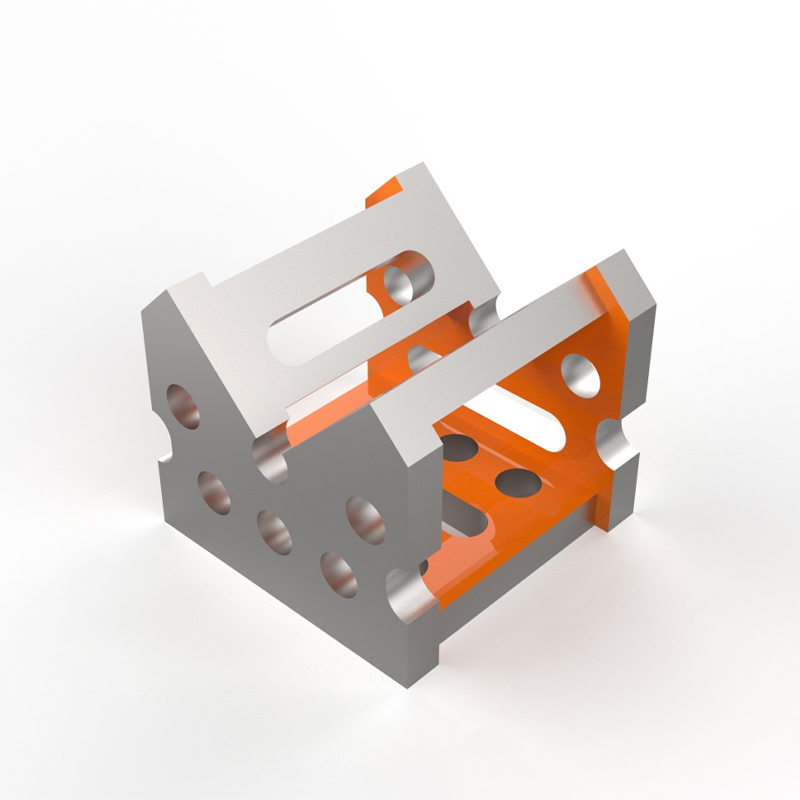
- Versatility: Compatible with 3D fixturing systems for complex geometries.
- Space Optimization: Allows dynamic reconfiguration of the workshop layout.
Industry reports indicate that shops utilizing mobile workstations have reduced material handling time by significant margins compared to traditional static setups.
Key Features to Evaluate Before You Buy
When searching to buy rolling welding table units, not all products are created equal. The market in 2026 is saturated with varying quality levels. Buyers must focus on specific technical specifications to ensure long-term value and performance.
Load Capacity and Structural Integrity
The primary function of any welding table is to support heavy workpieces without warping. Top-tier models in 2026 utilize stress-relieved steel frames capable of supporting several tons. The tabletop thickness is critical; thinner surfaces may deform under intense heat or heavy clamping forces.
Look for tables constructed from low-carbon steel with a hardened surface treatment. This ensures resistance to spatter adhesion and physical impact. A robust frame prevents wobbling, which is essential for maintaining weld accuracy.
Caster Quality and Locking Mechanisms
The “rolling” aspect depends entirely on the wheel system. Cheap plastic wheels fail under industrial loads. Premium manufacturers now equip tables with polyurethane or phenolic resin casters.
- Swivel Casters: Provide 360-degree maneuverability for tight turns.
- Rigid Casters: Offer stability during the actual welding process.
- Braking Systems: Dual-lock mechanisms (wheel and swivel lock) are mandatory for safety.
In 2026, the standard for heavy-duty tables includes oversized bearings within the casters to handle shock loads during transportation.
Surface Precision and Hole Patterns
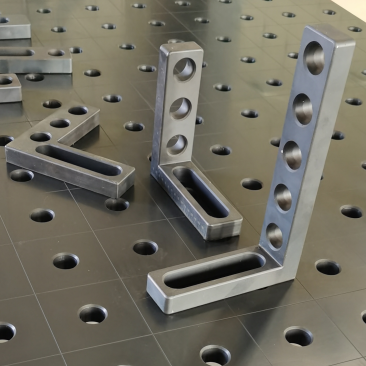
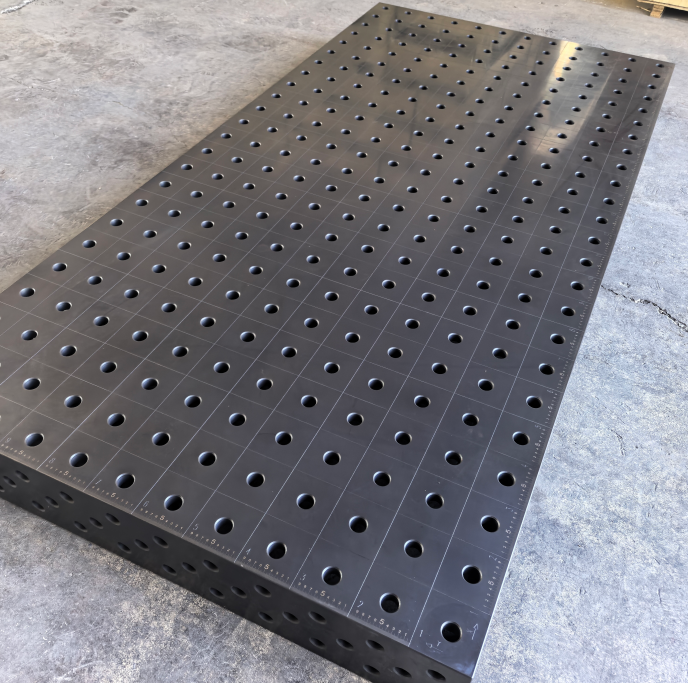
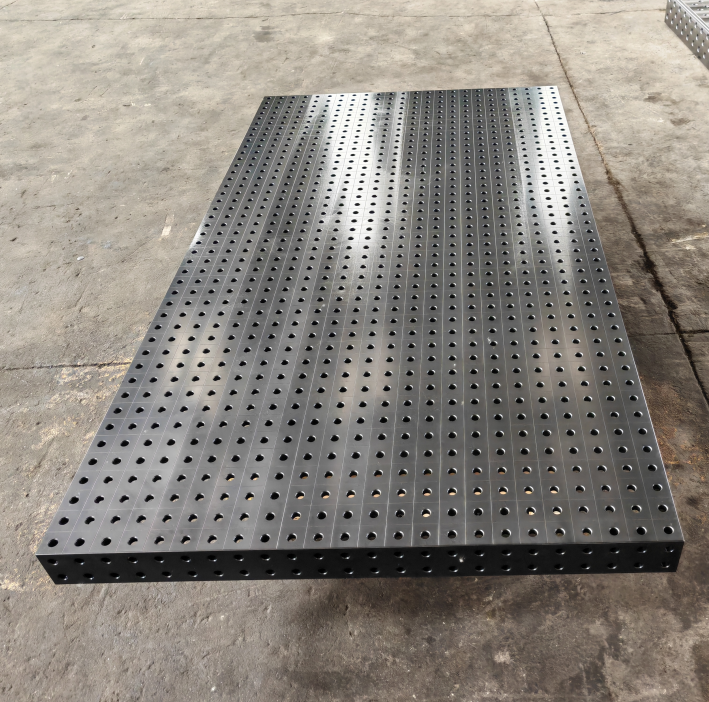
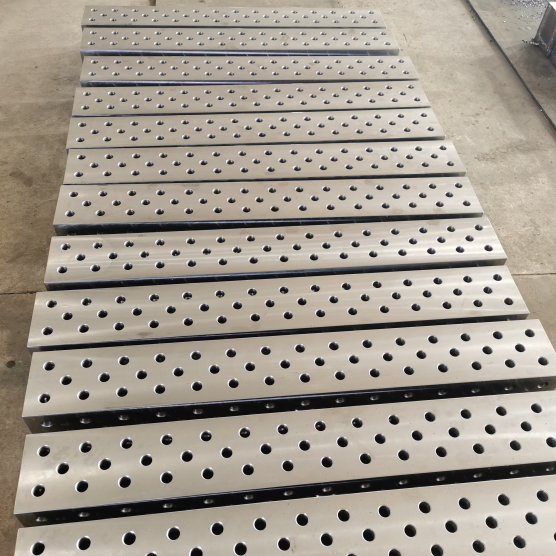
Precision is non-negotiable for professional fabrication. The tabletop should feature a consistent grid of holes, typically spaced at 100mm x 100mm or 50mm x 50mm intervals. These holes allow for the attachment of stops, clamps, and angles.
Advanced models offer nitrided surfaces to prevent rust and reduce spatter sticking. The flatness tolerance is a key differentiator; high-end tables guarantee flatness within fractions of a millimeter over the entire surface area.
Top China Manufacturers Leading the 2026 Market
China remains the global hub for manufacturing industrial equipment, including welding fixtures. Several companies have emerged as leaders by adopting automated production lines and strict quality control protocols.
Innovation in Manufacturing Processes
Leading Chinese factories have transitioned to robotic welding for their own table frames. This ensures consistent weld penetration and eliminates human error in the assembly of the product itself. Automated laser cutting is used for the tabletop hole patterns, ensuring perfect perpendicularity and spacing.
These manufacturers also invest heavily in R&D for new coating technologies. Powder coating and specialized anti-spatter sprays are now standard offerings, extending the lifespan of the equipment in harsh environments.
Cost-Effectiveness Without Compromise
One of the main reasons to buy rolling welding table products from China is the price-to-performance ratio. Direct factory pricing eliminates middleman markups. In 2026, buyers can access premium features like modular side rails and integrated tool trays at prices significantly lower than Western counterparts.
Despite the lower cost, top suppliers adhere to international standards such as ISO 9001. Many have established overseas warehouses to reduce shipping times, addressing previous logistical concerns.
Customization Capabilities
Flexibility is a hallmark of Chinese manufacturing. Suppliers often offer bespoke solutions, such as custom table sizes, unique hole patterns, or specialized caster configurations. This is particularly valuable for industries with non-standard requirements, such as aerospace or shipbuilding.
- Tailored Dimensions: Tables can be built to fit specific elevator or doorway constraints.
- Specialized Materials: Options for stainless steel or aluminum tables for specific applications.
- Integrated Accessories: Pre-drilled mounts for power feeds or lighting systems.
Rolling vs. Stationary Welding Tables: A Comparative Analysis
Deciding between a mobile and a fixed unit depends on your specific workflow. Below is a detailed comparison to help guide your purchasing decision in 2026.
| Feature |
Rolling Welding Table |
Stationary Welding Table |
| Mobility |
High: Easily moved between stations |
None: Fixed location permanently |
| Setup Flexibility |
Dynamic: Reconfigure shop layout instantly |
Static: Layout changes require demolition |
| Stability |
Good: Requires locking casters |
Excellent: Bolted to floor for max rigidity |
| Space Efficiency |
High: Can be tucked away when not in use |
Low: Consumes permanent floor space |
| Best Use Case |
Job shops, repair centers, multi-stage assembly |
High-volume mass production lines |
For businesses handling diverse projects with varying sizes, the rolling welding table offers superior adaptability. However, for dedicated high-speed production lines where the setup never changes, a stationary bolted-down table might provide marginally better vibration damping.
Step-by-Step Guide to Selecting the Right Model
Navigating the multitude of options can be daunting. Follow this structured approach to ensure you select the optimal equipment for your needs.
- Step 1: Assess Load Requirements
Determine the maximum weight of the assemblies you will weld. Add a safety margin of at least 30% to account for dynamic loads during movement.
- Step 2: Measure Workspace Constraints
Evaluate door widths, elevator sizes, and aisle spaces. Ensure the table dimensions allow for easy transport throughout your facility.
- Step 3: Define Precision Needs
If you are doing precision jigging, prioritize tables with tight flatness tolerances and standardized hole patterns compatible with your existing fixturing tools.
- Step 4: Evaluate Caster Specifications
Check the load rating per caster. For rough concrete floors, choose larger diameter wheels with soft-tread compounds to reduce rolling resistance.
- Step 5: Verify Supplier Credentials
When looking to buy rolling welding table units from China, request video inspections of the factory floor and ask for certification documents regarding steel quality and welding procedures.
Common Applications and Real-World Scenarios
The versatility of modern rolling tables makes them indispensable across various sectors. Understanding these applications helps in justifying the investment.
Automotive and Motorsport Fabrication
In custom car builds and roll cage fabrication, components often need to be rotated and accessed from multiple angles. A rolling table allows the fabricator to spin the chassis around, improving ergonomics and weld accessibility. The ability to lock the table securely ensures safety during aggressive grinding or welding.
Structural Steel and Construction
For pre-fabricating trusses or beam connections, mobility is key. Workers can assemble sections on the table, then roll the entire unit to the painting or shipping area. This reduces the need for overhead cranes for short-distance moves, streamlining the production flow.
Maintenance and Repair Operations
In MRO settings, equipment arrives in unpredictable shapes and sizes. A rolling table serves as a flexible island that can be positioned next to the broken machinery. Technicians can bring the workspace to the problem rather than dragging heavy parts to a fixed bench.
Maintenance Tips for Longevity
Investing in a high-quality table is only the first step. Proper maintenance ensures it remains a productive asset for decades. In 2026, manufacturers recommend specific care routines to preserve surface flatness and mobility.
- Regular Cleaning: Remove spatter and debris daily. Use a wire brush or scraper specifically designed for welding tables to avoid damaging the surface finish.
- Caster Inspection: Monthly checks of wheel bearings and axles are crucial. Remove metal shavings that can jam the wheels. Lubricate moving parts according to the manufacturer’s schedule.
- Surface Protection: Apply a thin coat of anti-rust oil or specialized welding spray if the table will be idle for extended periods. This prevents oxidation, especially in humid environments.
- Locking Mechanism Checks: Test the brake pedals regularly to ensure they engage fully. Worn brakes can lead to dangerous table movement during operation.
Neglecting these simple steps can lead to premature wear, reduced accuracy, and potential safety hazards. A well-maintained table retains its resale value significantly better than a neglected one.
Pros and Cons of Modern Rolling Welding Tables
To provide a balanced view, it is essential to acknowledge both the strengths and limitations of current market offerings.
- Advantages:
- Enhanced Workflow: Drastically reduces material handling time and fatigue.
- Modular Scalability: Multiple tables can be joined together to create larger work surfaces.
- Ergonomics: Height-adjustable legs on some models allow customization for operator comfort.
- Cost Efficiency: Chinese manufacturing offers competitive pricing for high-spec units.
- Disadvantages:
- Initial Cost: High-quality casters and precision tops increase the upfront investment compared to basic static tables.
- Floor Requirements: Rough or uneven flooring can impede smooth rolling and damage casters.
- Maintenance: Moving parts require more frequent inspection than fixed structures.
Despite the minor drawbacks, the operational benefits generally outweigh the costs for dynamic fabrication environments. The key is selecting a model that matches the specific floor conditions and load requirements of your shop.
Future Trends in Welding Table Technology
As we progress through 2026, several technological advancements are shaping the future of welding fixtures. Buyers should be aware of these trends to future-proof their investments.
Smart Integration
Emerging models are beginning to incorporate IoT sensors. These can monitor load distribution in real-time and alert operators if the table is overloaded. Some advanced units even track usage hours to predict maintenance needs for casters and locking mechanisms.
Sustainable Materials
Environmental consciousness is driving the use of recycled steels and eco-friendly coating processes. Manufacturers are developing powders that cure at lower temperatures, reducing energy consumption during production without sacrificing durability.
Enhanced Modularity
The trend towards “plug-and-play” accessories is accelerating. Future tables will feature quick-release mechanisms for side shelves, power strips, and lighting rigs, allowing instant reconfiguration for different job types without tools.
Making the Final Decision
Choosing the right equipment is a strategic decision that impacts productivity and safety. When you buy rolling welding table solutions, consider the total cost of ownership, not just the purchase price. Factor in shipping, potential customs duties, and the availability of spare parts like casters.
Engage directly with manufacturers to discuss your specific application. Reputable Chinese suppliers are increasingly responsive, offering detailed technical consultations and virtual factory tours. This direct line of communication ensures that the final product meets your exact specifications.
Prioritize suppliers who demonstrate a commitment to quality control and after-sales support. A warranty on the frame and casters provides peace of mind and indicates the manufacturer’s confidence in their product. In the competitive landscape of 2026, the best partners are those who view the sale as the beginning of a long-term relationship.
Conclusion
The fabrication landscape in 2026 demands agility, precision, and efficiency. A rolling welding table is no longer just a convenience; it is a critical component of a modern, lean manufacturing strategy. By combining mobility with the rigidity required for high-quality welding, these tables empower workshops to handle diverse projects with greater speed and less physical strain.
Chinese manufacturers have risen to the challenge, delivering products that rival or exceed Western equivalents in terms of build quality and feature sets, all at highly competitive price points. Whether you are outfitting a small job shop or a large industrial facility, the right rolling table solution can transform your workflow.
Take the time to evaluate your specific needs regarding load capacity, floor conditions, and precision requirements. Leverage the expertise of established suppliers to find a customized solution. With the right investment, your new rolling welding table will serve as the cornerstone of your production floor for years to come, driving productivity and ensuring consistent, high-quality results.