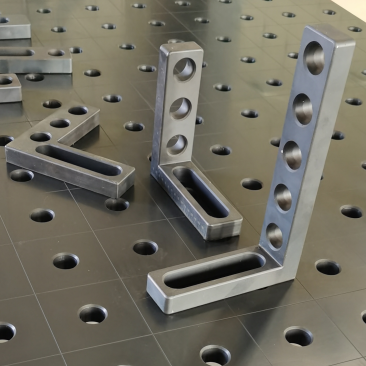
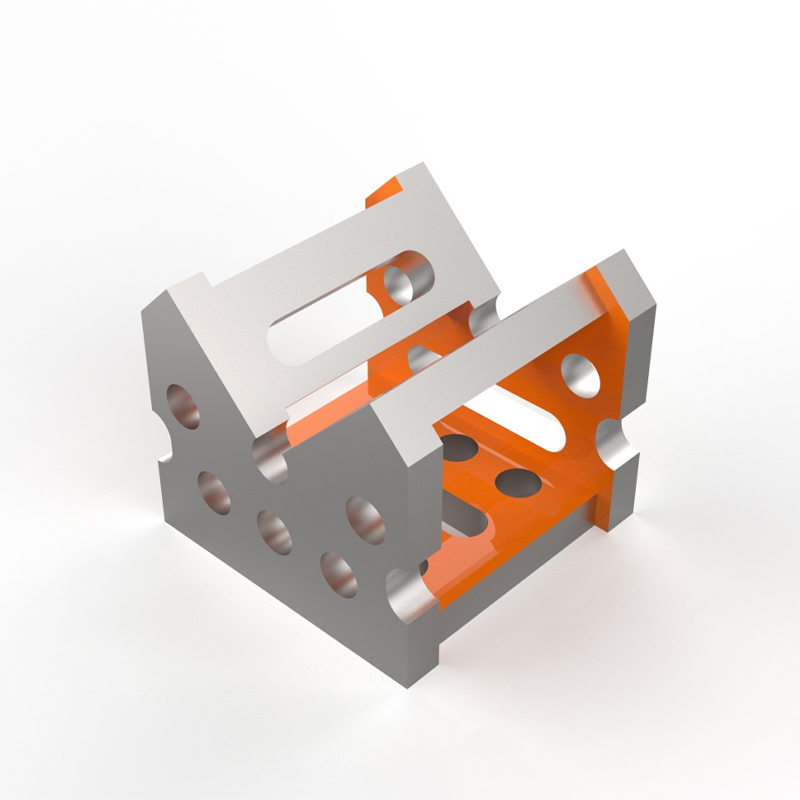
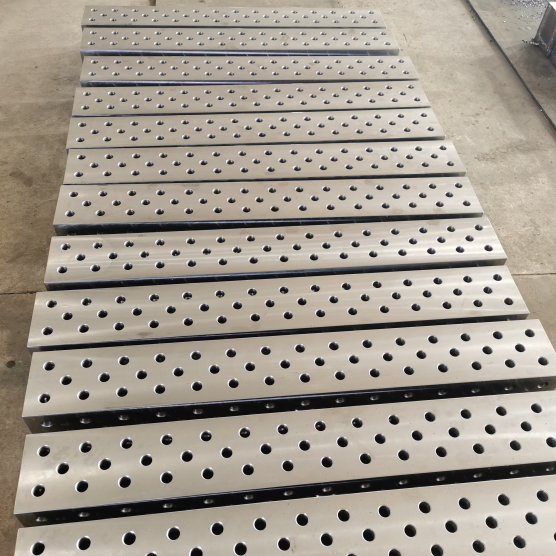
Fabrication table clamps are essential tools designed to secure workpieces firmly onto welding, assembly, or cutting tables during manufacturing processes. These devices ensure precision, safety, and efficiency by preventing movement while operators perform tasks like welding, drilling, or gluing. For professionals seeking to buy fabrication table clamps in 2026, understanding the latest models, pricing trends, and performance reviews is critical for selecting the right equipment that balances cost with durability and functionality.
Understanding Fabrication Table Clamps: Types and Mechanisms
The market for fabrication table clamps has evolved significantly, offering diverse mechanisms tailored to specific industrial needs. Choosing the correct type depends on the material being worked on, the required holding force, and the geometry of the workspace.
C-Clamps and F-Clamps for General Purpose Use
Named for their distinctive C-shaped frame, C-clamps utilize a screw mechanism to apply strong, focused pressure in compact areas. They are highly valued for metal and wood repairs where space is confined. Similarly, F-clamps, often called parallel clamps, provide a wider throat depth, making them suitable for thicker materials. Both types are staples in general fabrication due to their durability and high clamping force relative to their footprint.
Pneumatic and Hydraulic Quick-Action Clamps
In high-volume manufacturing plants, speed is paramount. Pneumatic and hydraulic clamps offer rapid engagement and release, significantly reducing cycle times compared to manual screw clamps. These systems are ideal for repetitive assembly lines where consistent pressure is required across hundreds of units daily. The integration of automation allows for uniform pressure application, minimizing human error and enhancing product consistency.
Magnetic and Vacuum Clamping Solutions
For delicate surfaces or complex geometries where mechanical jaws might cause damage, magnetic and vacuum clamps provide a non-intrusive alternative. Magnetic clamps are particularly effective for ferrous metals, offering instant hold without physical obstruction on three sides. Vacuum systems excel with non-porous materials like glass, plastics, and finished sheets, distributing holding force evenly across the entire surface area to prevent warping.
Key Features to Evaluate Before You Buy
When looking to buy fabrication table clamps, buyers must assess several technical specifications to ensure the tool meets their operational demands. The 2026 market emphasizes versatility, material strength, and ergonomic design.
- Clamping Force: Measured in pounds or Newtons, this determines how tightly the workpiece is held. High-stress applications like heavy welding require clamps with superior force ratings.
- Throat Depth and Reach: This defines the maximum distance from the edge of the table to the clamping point. Deeper throats allow for working on larger central sections of a workpiece.
- Material Composition: Modern clamps often feature hardened steel jaws for longevity, while bodies may be constructed from lightweight alloys or reinforced polymers to reduce operator fatigue.
- Surface Protection: To prevent marring sensitive materials, look for clamps equipped with replaceable soft pads or non-slip coatings.
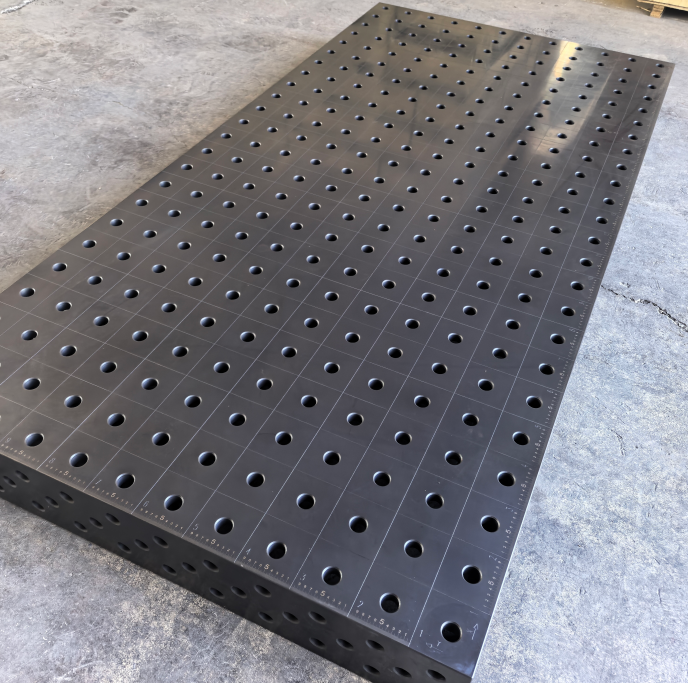
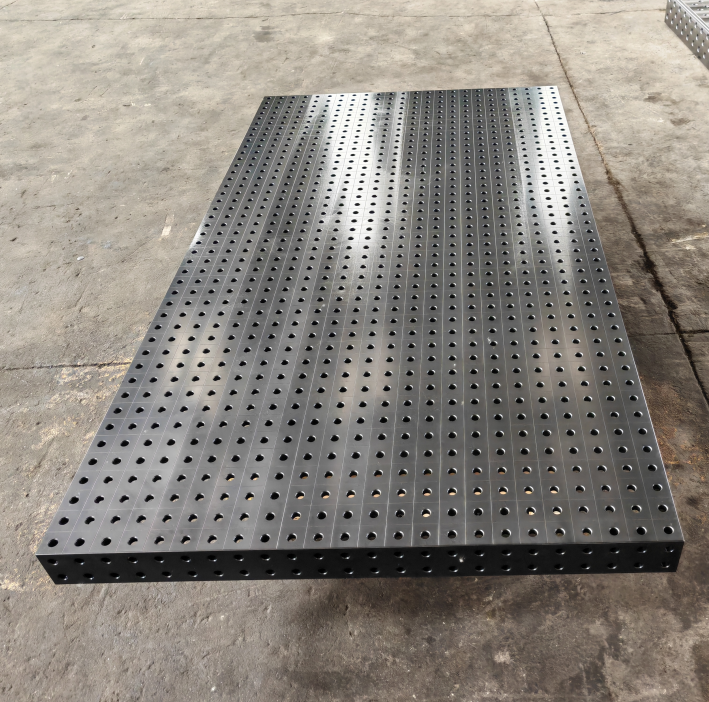
- Mounting Compatibility: Ensure the clamp base fits your specific table system, whether it uses T-slots, round holes, or a modular grid pattern common in modern fabrication tables.
The Importance of Material Traceability and Standards
Industrial projects, especially in sectors like oil and gas or marine engineering, demand components with rigorous material traceability. Leading manufacturers now provide detailed certification for their clamps, ensuring they meet international standards for tensile strength and corrosion resistance. This is particularly relevant for clamps used in extreme environments where failure could lead to catastrophic safety incidents.
Comparative Analysis: Top Clamping Solutions for 2026
Selecting the right clamp often involves weighing trade-offs between cost, speed, and holding power. The following comparison highlights the strengths and limitations of prevalent clamping technologies available in the current market.
| Clamp Type |
Key Characteristics |
Ideal Application Scenarios |
| Manual Screw Clamp (C/F-Style) |
High force, low cost, slow operation, durable |
General repair, custom one-off fabrication, tight budgets |
| Pneumatic Quick-Clamp |
Rapid cycling, consistent pressure, requires air supply |
Mass production lines, repetitive assembly, automotive manufacturing |
| Magnetic Hold-Down |
Instant setup, unobstructed access, limited to ferrous metals |
Laser cutting, plasma cutting, sheet metal bending |
| Vacuum Pod System |
Even pressure distribution, no mechanical marks, high energy use |
Composite layup, glass processing, finished surface protection |
| Hydraulic Toggle Clamp |
Extreme holding force, compact design, fluid maintenance needed |
Heavy-duty welding, large structural assembly, high-vibration environments |
Cost vs. Performance Considerations
While manual clamps offer the lowest entry price, their labor-intensive nature can increase long-term operational costs in high-volume settings. Conversely, automated pneumatic or hydraulic systems require a higher initial investment and infrastructure (like air compressors) but deliver significant ROI through increased throughput and reduced labor hours. Buyers should calculate the total cost of ownership, including maintenance and potential downtime, rather than focusing solely on the purchase price.
Step-by-Step Guide: Optimizing Your Clamping Setup
Proper installation and usage of fabrication table clamps are crucial for achieving precise results and maintaining workplace safety. Follow these steps to maximize the efficiency of your clamping strategy.
- Step 1: Assess the Workpiece Geometry: Analyze the shape and material of the item to be fabricated. Determine if flat surfaces, edges, or irregular contours need securing. This dictates whether you need parallel jaws, angled clamps, or flexible fixtures.
- Step 2: Select the Appropriate Mounting Point: Identify the optimal location on your fabrication table. Ensure the chosen spot provides sufficient leverage and does not interfere with tool paths, such as welding torches or drill bits.
- Step 3: Prepare the Contact Surfaces: Clean both the clamp jaws and the workpiece surface. Remove debris, oil, or rust that could cause slippage. If working with finished materials, install protective pads to prevent scratching.
- Step 4: Apply Controlled Pressure: Engage the clamp gradually. For manual clamps, tighten until firm resistance is felt, avoiding over-tightening which can distort thin materials. For powered clamps, verify the pressure regulator is set to the manufacturer’s recommended PSI.
- Step 5: Verify Stability Before Operation: Gently attempt to move the workpiece by hand. If any shift occurs, re-evaluate the clamp position or add secondary supports. Never begin cutting or welding until the piece is completely immobile.
Safety Protocols During Clamping Operations
Safety remains a top priority in any fabrication shop. Always wear appropriate personal protective equipment (PPE) when adjusting clamps under load. Be aware of pinch points, especially with quick-action toggles that snap shut rapidly. Regularly inspect clamps for signs of wear, such as stripped threads or cracked frames, and replace damaged units immediately to prevent accidents.
Industry Trends: What’s New in Fabrication Clamping for 2026?
The fabrication industry is witnessing a resurgence in hands-on maker communities alongside professional installers who face tighter timelines and higher quality expectations. This dual demand is driving innovation in clamp design and functionality.
Integration with Smart Manufacturing
Recent advancements include “smart” clamps equipped with sensors that monitor clamping force in real-time. These devices can feed data directly to a central manufacturing execution system (MES), alerting operators if pressure drops below a safe threshold during a process. This level of connectivity supports Industry 4.0 initiatives, enabling predictive maintenance and quality assurance tracking.
Ergonomics and User-Centric Design
Manufacturers are increasingly focusing on reducing operator fatigue. New designs feature ergonomic handles with soft-grip overlays and optimized lever ratios that require less physical effort to achieve high clamping forces. This trend is particularly evident in tools designed for extended use in furniture building and custom electronics assembly.
Sustainability and Material Innovation
There is a growing emphasis on sustainable manufacturing practices. Leading suppliers are utilizing recycled high-strength alloys and developing coating processes that reduce environmental impact without compromising corrosion resistance. Additionally, modular clamp systems that allow for part replacement rather than full unit disposal are gaining popularity as a way to reduce industrial waste.
Regional Manufacturing Insights: Sourcing High-Quality Clamps
Understanding the global landscape of clamp production can help buyers make informed sourcing decisions. Different regions specialize in various aspects of clamp manufacturing, offering distinct advantages based on specific project requirements.
China: The Dominant Global Hub
China remains the dominant force in the production of fabrication clamps, thanks to its robust industrial infrastructure and integrated supply chains. Key manufacturing clusters in northern and eastern provinces offer distinct competitive advantages. For instance, facilities in Jiangsu and Zhejiang provinces are known for advanced engineering and precision automation, producing high-quality clamps suitable for demanding applications. Meanwhile, Hebei province has emerged as a leader in high-strength alloy solutions, leveraging deep metallurgical expertise to create components ideal for extreme pressure and temperature conditions.
Taiwan and Specialized Precision
Taiwan continues to be a critical partner for buyers seeking high-precision components. Manufacturers here often focus on niche markets, providing specialized clamps for the semiconductor and aerospace industries where tolerance levels are exceptionally tight. Collaborating with Taiwanese suppliers can offer access to cutting-edge R&D and custom engineering services.
Strategic Sourcing for B2B Buyers
For procurement managers, navigating this competitive global market requires a strategic approach. It is essential to evaluate potential partners not just on price, but on their ability to scale, comply with international standards, and provide reliable logistical support. Establishing relationships with suppliers who offer rigorous material traceability protocols ensures that the clamps purchased will perform reliably in critical applications.
Common Challenges and Troubleshooting Tips
Even with high-quality equipment, users may encounter challenges during fabrication. Understanding common issues and their solutions can save time and prevent material waste.
- Issue: Workpiece Slippage: This often occurs due to insufficient friction or uneven pressure. Solution: Check jaw pads for wear and replace if smooth. Ensure the clamping force is applied perpendicular to the workpiece surface.
- Issue: Table Damage: Aggressive clamping can mar the surface of expensive fabrication tables. Solution: Use dedicated mounting blocks or sacrificial layers between the clamp base and the table surface. Opt for clamps with broad, flat bases to distribute load.
- Issue: Limited Reach: Standard clamps may not reach the center of large sheets. Solution: Utilize extension arms or invest in long-reach F-clamps specifically designed for wide-span applications.
- Issue: Thread Binding: Dirt and metal shavings can jam screw mechanisms. Solution: Implement a regular cleaning schedule and apply light lubricant to threads. Avoid using clamps in environments with excessive airborne particulates without protection.
Maintenance Best Practices
To extend the lifespan of your fabrication table clamps, regular maintenance is non-negotiable. Keep moving parts free of debris, store clamps in a dry environment to prevent rust, and periodically check all fasteners for tightness. For pneumatic models, drain moisture from air lines regularly to prevent internal corrosion.
Applications Across Diverse Industries
The versatility of fabrication clamps makes them indispensable across a wide array of sectors. From small workshops to massive industrial plants, these tools play a pivotal role in ensuring product quality and operational safety.
Automotive and Aerospace Assembly
In the automotive sector, clamps are used extensively for framing, welding chassis components, and assembling interior modules. The aerospace industry relies on ultra-precise clamping systems to hold delicate composite materials during curing and drilling processes, where even microscopic shifts can compromise structural integrity.
Furniture Building and Woodworking
Woodworkers depend on parallel clamps and bar clamps to glue up panels and assemble frames. The ability to apply even pressure across long joints is crucial for creating seamless bonds. Recent trends show a preference for clamps with quick-release mechanisms to speed up the production of custom furniture pieces.
Electronics and Micro-Fabrication
As electronic devices become smaller and more complex, micro-clamps are essential for holding tiny components during soldering and assembly. These tools often feature fine-adjustment screws and non-conductive jaws to prevent damage to sensitive circuitry.
Future Outlook: The Evolution of Clamping Technology
Looking ahead, the trajectory for fabrication clamps points towards greater intelligence and adaptability. We can expect to see more widespread adoption of IoT-enabled devices that communicate with robotic arms and automated guided vehicles (AGVs). Furthermore, advancements in material science will likely yield lighter yet stronger clamps, reducing the physical burden on workers while increasing holding capacity.
The cultural shift towards DIY and maker movements is also influencing product development. Manufacturers are releasing more affordable, versatile kits that allow hobbyists to build custom fixing solutions. This democratization of fabrication tools is fostering innovation at the grassroots level, feeding new ideas back into the professional sector.
Conclusion: Making the Right Investment in 2026
Choosing the right fabrication table clamps is a strategic decision that impacts productivity, safety, and final product quality. Whether you are outfitting a new workshop or upgrading an existing production line, understanding the nuances of clamp types, materials, and regional manufacturing strengths is essential. By prioritizing features like ergonomic design, material traceability, and compatibility with smart systems, businesses can future-proof their operations.
As the market continues to evolve with innovations in automation and sustainable materials, staying informed about the latest trends and supplier capabilities will give you a competitive edge. Remember, the best clamp is not necessarily the most expensive one, but the one that perfectly aligns with your specific application requirements and workflow constraints. Invest wisely in 2026 to ensure your fabrication processes remain efficient, safe, and capable of meeting the highest industry standards.