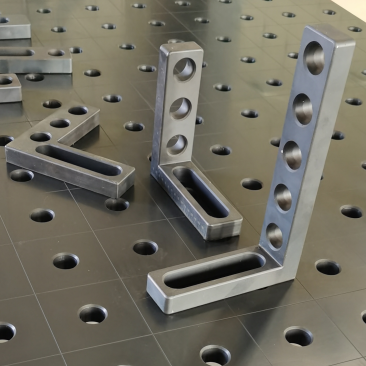
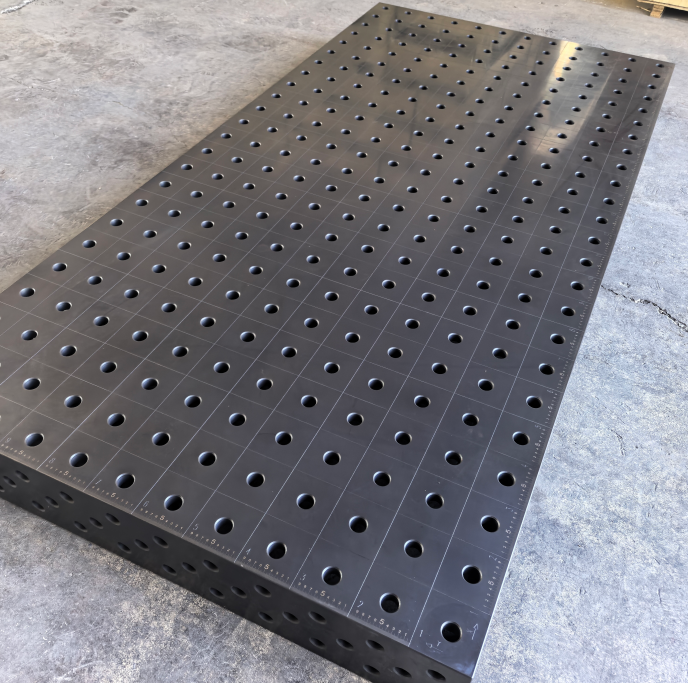
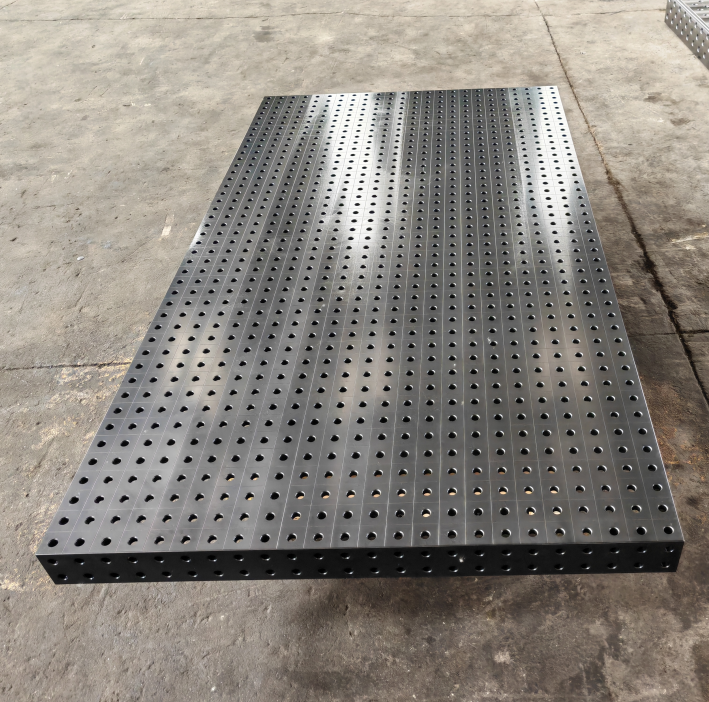
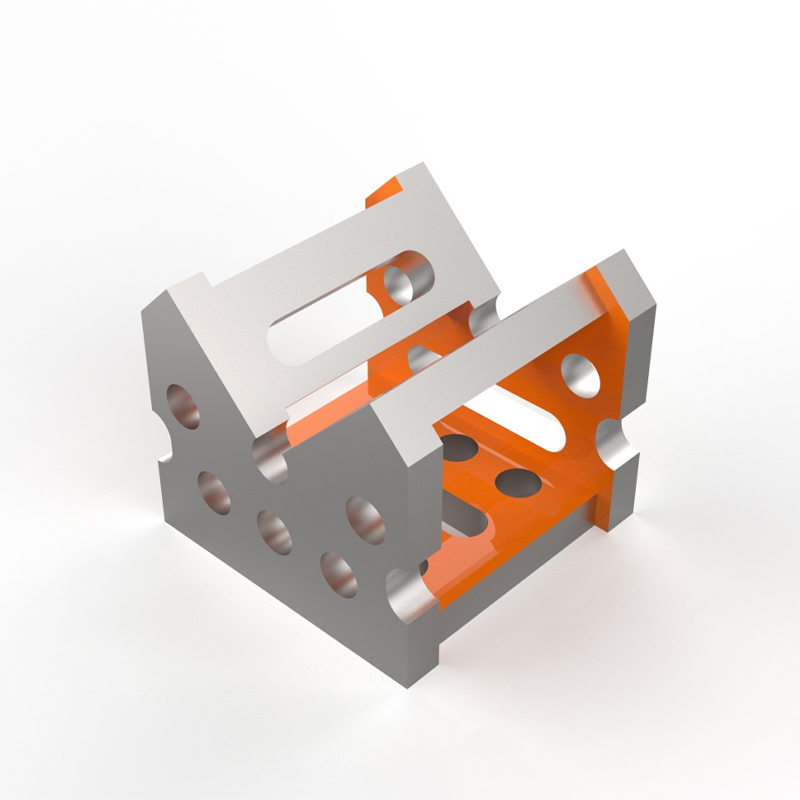
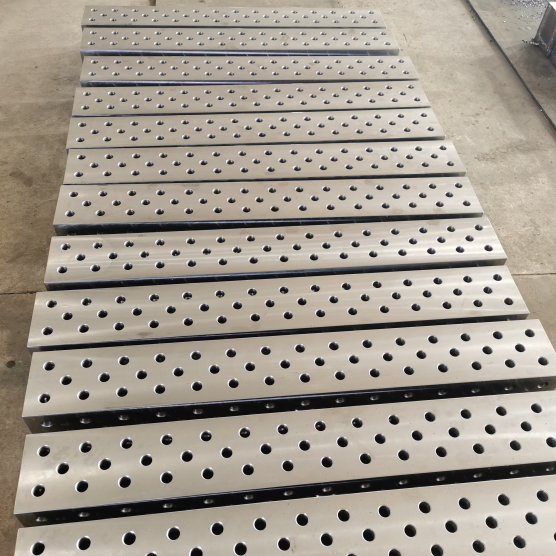
Looking for the best price on an aluminum welding table in 2026? An aluminum welding table is a specialized workbench designed with non-ferrous surfaces to prevent contamination during TIG and MIG welding of aluminum alloys. Sourcing directly from China manufacturers offers significant cost savings, often reducing prices by 30-50% compared to Western retailers while maintaining high-grade D28 or D16 standard specifications.
Why Choose an Aluminum Welding Table in 2026
The manufacturing landscape in 2026 has shifted dramatically towards lightweight structures and high-purity welds. As electric vehicle production and aerospace fabrication grow, the demand for contamination-free workspaces has peaked. Traditional steel tables, even when clean, pose a risk of iron particle transfer that can ruin aluminum welds.
Aluminum welding tables solve this critical issue. They provide a surface that matches the thermal conductivity and chemical composition of the workpiece. This ensures that stray arcs do not embed steel particles into your aluminum projects, which is a leading cause of corrosion and weld failure.
Furthermore, the latest models from Chinese factories feature advanced alloy treatments. These tables resist warping under high heat better than previous generations. For professionals buying in bulk, the return on investment is clear through reduced rework rates and higher throughput.
Key Advantages Over Steel Tables
- Contamination Prevention: Eliminates the risk of carbon steel embedding into aluminum welds.
- Thermal Management: Aluminum dissipates heat faster, reducing localized warping of the table surface.
- Lightweight Portability: Easier to move and reconfigure within dynamic workshop environments.
- Non-Magnetic Properties: Essential for specific sensitive electronic or medical device assembly.
Understanding D28 and D16 Standards for Aluminum Tables
When sourcing from China, you will encounter two primary hole patterns: D28 and D16. Understanding the difference is vital for selecting the right tool for your application. The “D” stands for the diameter of the positioning holes in millimeters.
D28 systems are the industry standard for heavy-duty fabrication. With 28mm holes spaced on a 100mm grid, they offer superior clamping force and stability. These are ideal for automotive chassis repair, large structural frames, and pipe welding where heavy fixtures are required.
D16 systems feature 16mm holes and are designed for lighter precision work. They are perfect for electronics enclosures, small consumer goods, and intricate artistic metalwork. While less expensive, they cannot handle the same torque loads as D28 tables.
Engineering Applications of D28 Tables
Recent engineering reports highlight the versatility of D28 aluminum tables in specialized sectors. For automotive applications, these tables often come with pre-configured mounting points. This allows race car builders to align chassis components with micron-level precision.
In the pipe welding sector, D28 tables integrate seamlessly with rotary fixtures and V-blocks. The grid system ensures that tubular structures remain perfectly aligned during tack welding. This reduces the need for complex jigs and speeds up the overall assembly process.
Educational institutions also favor D28 tables. Their durability and modularity make them excellent for teaching welding principles. Students can experiment with different fixture configurations without damaging the table surface.
China Manufacturing Trends and Price Insights 2026
The global supply chain for welding equipment has stabilized significantly by 2026. Chinese manufacturers have upgraded their production lines to meet rigorous international quality standards. This shift has resulted in higher quality products at competitive wholesale prices.
Current market data indicates a strong preference for multi-process compatible tables. Buyers are no longer looking for single-purpose equipment. Instead, they seek tables that can handle TIG, MIG, and even laser welding setups with quick-change fixturing.
Price fluctuations are now more tied to raw material costs than logistics. Aluminum prices have stabilized, allowing manufacturers to offer fixed-price contracts for large orders. This predictability helps businesses plan their capital expenditures more effectively.
Factors Influencing Wholesale Pricing
- Material Grade: Higher grade aluminum alloys (like 6061-T6) command a premium but offer better longevity.
- Surface Treatment: Anodized or hard-coated surfaces increase cost but provide superior resistance to arc strikes.
- Order Volume: Bulk orders (MOQ 50+ units) typically unlock significant discounts and free shipping options.
- Customization: Custom hole patterns or integrated cable management systems add to the base price.
Technical Specifications to Verify Before Buying
Purchasing an aluminum welding table requires careful verification of technical specs. Not all “aluminum” tables are created equal. Some manufacturers use lower-grade alloys that may warp or corrode over time.
Always request the material certification from the supplier. Look for certifications like GB/T 10858 or equivalent international standards. This ensures the alloy composition matches your welding requirements.
Pay close attention to the flatness tolerance. High-quality tables should have a flatness deviation of less than 0.5mm per square meter. This is crucial for precision assembly work where even minor deviations can cause fit-up issues.
Critical Physical Properties
| Property |
Ideal Specification |
Importance |
| Tensile Strength |
Above 300 MPa |
Ensures the table withstands heavy clamping forces without deforming. |
| Yield Strength |
Above 240 MPa |
Prevents permanent deformation under sustained load. |
| Hardness |
HB 95-105 |
Resists damage from accidental arc strikes and tool drops. |
| Thermal Conductivity |
High |
Facilitates rapid heat dissipation to protect the table structure. |
Step-by-Step Guide to Selecting the Right Table
Choosing the correct table involves a systematic evaluation of your specific needs. Follow this guide to ensure you make an informed decision that maximizes your workshop efficiency.
Step 1: Assess Your Workpiece Size. Determine the maximum dimensions of the parts you will weld. Add at least 200mm to each side for fixture clearance. This defines your minimum table size.
Step 2: Identify Your Welding Process. If you primarily do TIG welding on thin sheets, a D16 table might suffice. For heavy structural steel or thick aluminum plates, a D28 table is mandatory.
Step 3: Evaluate Fixturing Needs. List the clamps and stops you currently own or plan to buy. Ensure their pin diameters match the table’s hole pattern (16mm or 28mm).
Step 4: Check Portability Requirements. If the table needs to move frequently, consider models with integrated castor wheels or lighter gauge constructions.
Step 5: Request Samples. Before placing a large order, ask the manufacturer for a small sample piece. Test it with your actual welding parameters to check for spatter adhesion and heat resistance.
Comparison: Aluminum vs. Steel vs. Cast Iron Tables
Understanding how aluminum compares to other materials is essential for making the right investment. Each material has distinct advantages depending on the application.
Steel tables are robust and inexpensive but pose a contamination risk for aluminum welding. They are best suited for general steel fabrication where purity is not a concern.
Cast iron tables offer excellent vibration damping and heat retention. They are ideal for precision machining but are extremely heavy and prone to rust if not maintained.
Aluminum tables strike a balance between weight, cleanliness, and thermal performance. They are the superior choice for any shop specializing in non-ferrous metals.
Detailed Feature Comparison
| Feature |
Aluminum Table |
Steel Table |
Cast Iron Table |
| Contamination Risk |
None for Al alloys |
High for Al alloys |
Moderate |
| Weight |
Light |
Heavy |
Very Heavy |
| Heat Dissipation |
Excellent |
Moderate |
Poor |
| Cost |
Moderate to High |
Low |
High |
| Maintenance |
Low |
Moderate (Rust prevention) |
High (Oil coating) |
Common Applications in Modern Industries
The versatility of aluminum welding tables extends across various industries. From automotive to aerospace, these tables play a pivotal role in ensuring product quality.
In the automotive sector, they are used for custom frame fabrication and restoration. The ability to precisely align tubes and sheets is critical for safety and performance. Many race teams use these tables to build roll cages with exact geometry.
The aerospace industry relies on them for assembling lightweight components. The non-magnetic nature of aluminum is particularly beneficial when working with sensitive avionics or navigation systems.
Consumer electronics manufacturers use smaller D16 tables for assembling device enclosures. The clean surface prevents scratches and contamination on visible parts of the final product.
Case Study: Automotive Chassis Fabrication
A recent project by a custom vehicle fabricator highlighted the benefits of switching to an aluminum D28 table. Previously, they used a steel table and faced constant issues with iron contamination in their aluminum welds.
After switching, their rework rate dropped by 40%. The improved heat dissipation also allowed them to weld longer continuous beads without waiting for the table to cool. This increased their daily output significantly.
The modular fixturing system of the D28 table enabled them to create repeatable jigs for different car models. This flexibility reduced setup time between jobs from hours to minutes.
Maintenance and Care for Longevity
To maximize the lifespan of your aluminum welding table, proper maintenance is essential. While aluminum is durable, it is not indestructible. Regular care ensures it remains flat and clean.
Clean regularly: Remove spatter and debris after every shift. Use a brass brush or specialized aluminum cleaning tools. Avoid steel brushes to prevent contamination.
Check flatness: Periodically inspect the table surface for warping. Use a straight edge and feeler gauges. If deviations are found, consult the manufacturer for resurfacing options.
Protect the surface: Apply a light coat of anti-spatter spray before welding. This makes cleanup easier and protects the anodized layer from arc strikes.
Do’s and Don’ts of Table Care
- Do: Use dedicated aluminum clamps and fixtures.
- Do: Store the table in a dry environment to prevent oxidation.
- Don’t: Drag heavy steel objects across the surface.
- Don’t: Use grinding wheels directly on the table top.
- Don’t: Mix steel and aluminum tools on the same surface.
Sourcing Strategies for Global Buyers
Navigating the Chinese market for aluminum welding tables requires a strategic approach. Direct communication with manufacturers can yield better prices and customization options.
Verify credentials: Ask for business licenses and export certifications. Reputable manufacturers will readily provide these documents. Look for ISO 9001 certification as a mark of quality management.
Request detailed quotes: Ensure the quote includes all costs: EXW, FOB, or CIF. Clarify packaging details to prevent damage during transit. Wooden crates with foam padding are standard for heavy tables.
Negotiate MOQ: Minimum Order Quantities can often be negotiated. If you cannot meet the standard MOQ, ask about combining orders with other products or paying a small surcharge.
Payment and Shipping Considerations
- Payment Terms: Common terms include 30% deposit and 70% before shipment. Letters of Credit (LC) are safer for large orders.
- Lead Time: Standard tables usually ship within 15-20 days. Custom orders may take 30-45 days.
- Quality Inspection: Hire a third-party inspection agency before final payment. They can verify dimensions, material grade, and finish quality.
- Warranty: Confirm the warranty period and what it covers. Most reputable suppliers offer a 1-2 year warranty on structural integrity.
Future Trends in Welding Table Technology
The future of aluminum welding tables looks promising with several emerging trends. Manufacturers are integrating smart features and sustainable practices into their designs.
Smart integration: Some new tables feature embedded sensors to monitor temperature and load distribution. This data can be fed into factory management systems for predictive maintenance.
Modular designs: The trend towards fully modular systems continues. Users can easily expand their workspace by connecting multiple tables without tools. This scalability is ideal for growing businesses.
Eco-friendly coatings: There is a shift towards environmentally friendly surface treatments. These coatings provide the same protection as traditional methods but with lower VOC emissions.
Innovation in Fixturing Systems
Fixturing technology is evolving alongside the tables themselves. Quick-release clamps and magnetic stops are becoming standard. These innovations reduce setup time and improve worker ergonomics.
Automated rotating tables are gaining traction in mass production environments. These tables can be programmed to rotate workpieces at precise angles, enabling continuous welding without manual repositioning.
The integration of laser guidance systems directly into the table grid is another exciting development. This helps operators align parts with extreme accuracy, further reducing errors and waste.
Frequently Asked Questions About Aluminum Welding Tables
Buyers often have specific questions regarding the practicality and compatibility of these tables. Addressing these concerns helps clarify the value proposition.
Can I use steel clamps on an aluminum table? It is not recommended. Steel clamps can scratch the surface and introduce contamination. Use aluminum or coated clamps instead.
How do I clean aluminum spatter? Aluminum spatter can be stubborn. Use a specialized aluminum spatter remover spray. Avoid chipping it off with a steel chisel.
Is an aluminum table suitable for steel welding? Yes, but you must be careful not to contaminate the table if you plan to weld aluminum on it later. Dedicated tables for each material are best.
Shipping and Logistics FAQ
- What is the typical lead time? Usually 2-4 weeks depending on customization.
- How is the table packaged? Heavy-duty wooden crates with internal bracing.
- Can you ship to my country? Most Chinese manufacturers export globally via sea freight.
- Are import duties included? No, buyers are responsible for local import duties and taxes.
Conclusion: Making the Smart Investment in 2026
Investing in a high-quality aluminum welding table is a strategic move for any fabrication shop focused on precision and efficiency. The benefits of contamination-free welding, superior heat management, and modular flexibility are undeniable.
Sourcing directly from China manufacturers in 2026 offers an unparalleled opportunity to acquire top-tier equipment at competitive prices. By understanding the technical specifications, standards, and sourcing strategies outlined in this guide, you can make a confident purchasing decision.
Whether you are building custom automotive frames, aerospace components, or consumer electronics, the right table will elevate your workmanship. Embrace the latest technology and secure your position at the forefront of the manufacturing industry.
Remember, the goal is not just to buy a table, but to invest in a system that enhances your productivity and product quality. With the right partner and the right equipment, your workshop is ready to tackle the challenges of tomorrow.