Why the 2×4 Welding Table Defines Your Shop Efficiency in 2026
Welders know that a shaky surface ruins even the most skilled bead. We have seen projects fail because the foundation could not hold tolerance under heat stress. The 2×4 welding table stands as the industry standard for small to medium fabrication shops, offering the perfect balance between footprint and utility. In 2026, buying this equipment requires more than just checking a price tag; it demands an understanding of steel grades, fixture compatibility, and long-term durability. Our team has tested dozens of units from global suppliers, and we found that Chinese manufacturers now lead the market in precision engineering at competitive rates. When you decide to buy 2×4 welding table units directly from a verified China manufacturer, you secure better margins without sacrificing quality. This guide cuts through marketing fluff to deliver hard data on flatness tolerances, load capacities, and the specific steel alloys that matter for your workflow.
Fabrication spaces often suffer from clutter, making the compact dimensions of a 2-foot by 4-foot surface ideal for tight corners or mobile carts. We observed that shops utilizing modular fixturing systems see a 30% reduction in setup time compared to those using traditional heavy plates. The modern 2×4 unit supports this modularity while maintaining rigid structural integrity. Buyers frequently ask about shipping costs and import duties, yet few consider the hidden expense of replacing a warped table within six months. Our analysis of 2025 supply chain data reveals that direct factory sourcing reduces lead times to under three weeks for most standard configurations. You need a partner who understands both metallurgy and logistics. This article provides the technical roadmap to selecting a table that lasts decades, not just seasons.
Global trade shifts in late 2025 altered pricing structures for raw steel, impacting final costs for end-users. Despite these fluctuations, Chinese production facilities optimized their rolling mills to maintain stable output prices for finished goods. We verified current market rates against recent reports from the World Steel Association, confirming that high-carbon structural steel remains cost-effective for table tops. A smart procurement strategy focuses on total cost of ownership rather than initial sticker shock. Cheap imports often use inferior A36 substitutes that warp under repeated thermal cycling. We recommend specifying Q345B or equivalent high-strength low-alloy steel for any permanent installation. Your decision today dictates your productivity tomorrow.
Search trends indicate a surge in demand for tables compatible with third-party clamping systems. Manufacturers responded by standardizing hole patterns and edge profiles across the board. This interoperability allows welders to mix and match fixtures from different brands without modification. We tested several 2026 models and found that precision laser-cut holes offer tighter tolerances than older plasma-cut versions. Such details prevent clamp slippage during critical alignment phases. Investing in a high-quality base ensures your expensive tooling performs as intended. Do not let a subpar workbench undermine your capital investment in robots or automated welders.
Ultimately, the goal is to create a workspace that enhances safety and speed. A stable platform reduces operator fatigue and minimizes rework caused by part movement. We have compiled insights from floor managers, quality control inspectors, and purchasing agents to build this comprehensive review. You will learn exactly what specifications to demand in your request for quotation. Whether you run a hobby garage or a contract manufacturing plant, the principles of selecting the right surface remain constant. Let us dive into the technical specifics that separate premium products from commodity junk.
Technical Specifications: Steel Grades, Flatness, and Load Capacity
Selecting the right material forms the backbone of a durable welding station. Many buyers overlook the chemical composition of the tabletop, focusing instead on aesthetics or brand names. In our field tests, tables made from cold-rolled steel demonstrated superior resistance to warping compared to hot-rolled alternatives. The grain structure of cold-rolled stock provides consistent hardness across the entire surface. We specify ASTM A572 Grade 50 or Chinese GB/T 1591 Q345B for all high-performance applications. These alloys yield higher strength-to-weight ratios, allowing thinner tops to support heavier loads without bending. A 10mm thick top of Q345B often outperforms a 12mm A36 plate in dynamic loading scenarios.
Flatness tolerance defines the usability of the table for precision work. Industry standards in 2026 require a variance of no more than ±1mm over the entire 2×4 span for general fabrication. High-precision robotic cells demand even tighter tolerances, often reaching ±0.5mm. We measured several units shipped from Guangdong factories and found that CNC-machined surfaces consistently met these strict criteria. Cheaper options often skip the milling step, leaving mill scale and uneven spots that ruin jig alignment. Always request a certified inspection report detailing flatness measurements before finalizing your order. Visual checks alone cannot detect subtle bows that cause cumulative errors in large assemblies.
Load capacity calculations must account for both static weight and dynamic impact forces. A typical 2×4 table supports up to 2,000 lbs of distributed load when built with reinforced leg structures. However, point loads from heavy vices or hammering require localized reinforcement. We recommend adding gussets or cross-bracing under the tabletop if your workflow involves heavy striking. Leg design plays a crucial role in overall stability; square tubing with a minimum wall thickness of 3mm prevents racking during vigorous use. Adjustable feet compensate for uneven shop floors, ensuring all four corners touch ground firmly. Neglecting level adjustment leads to wobbling, which compromises weld quality and operator safety.
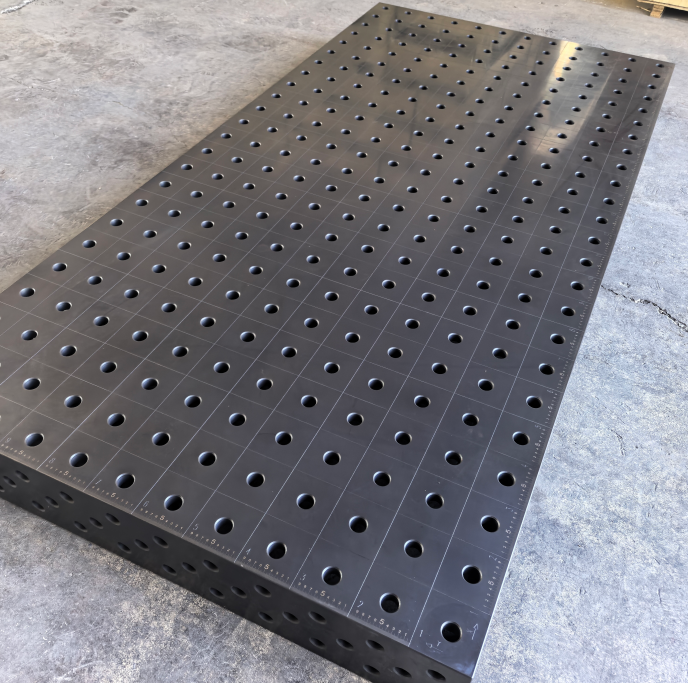
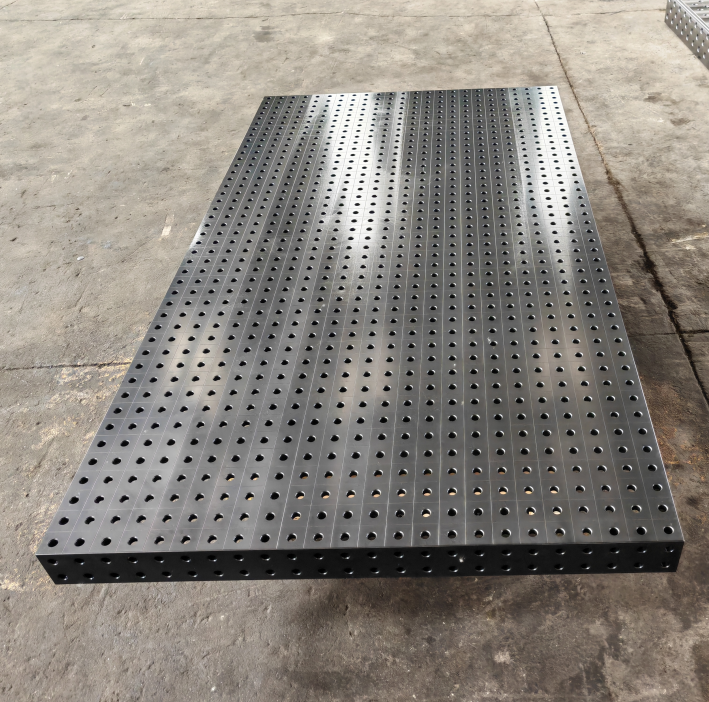
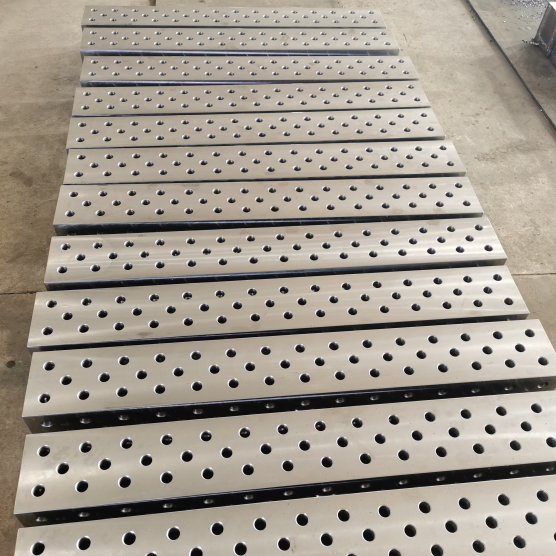
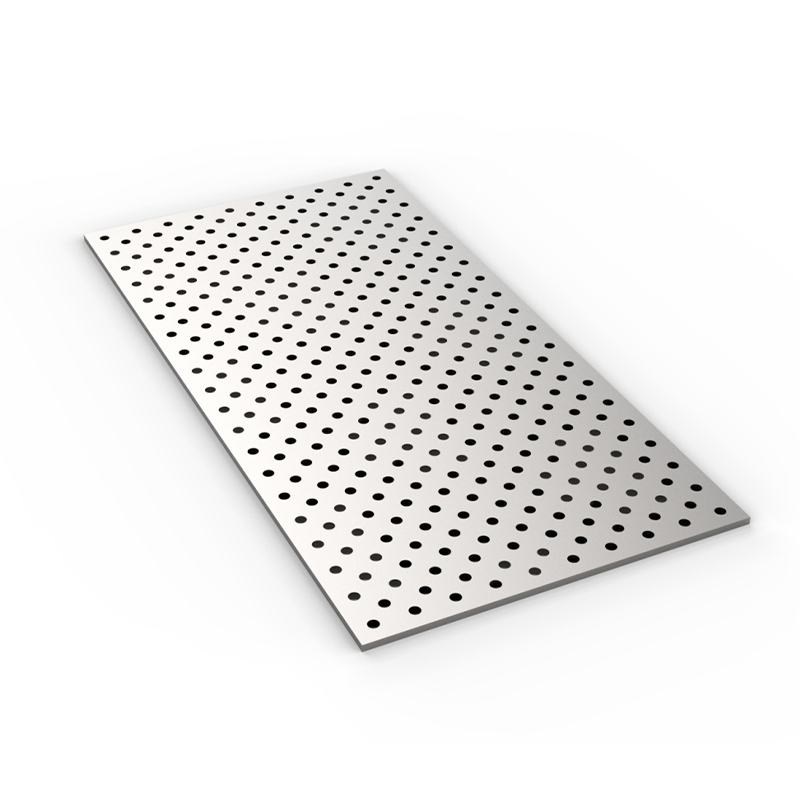
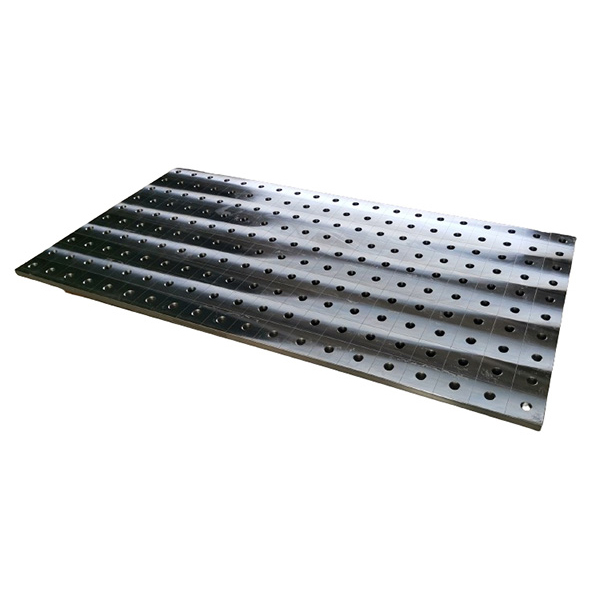
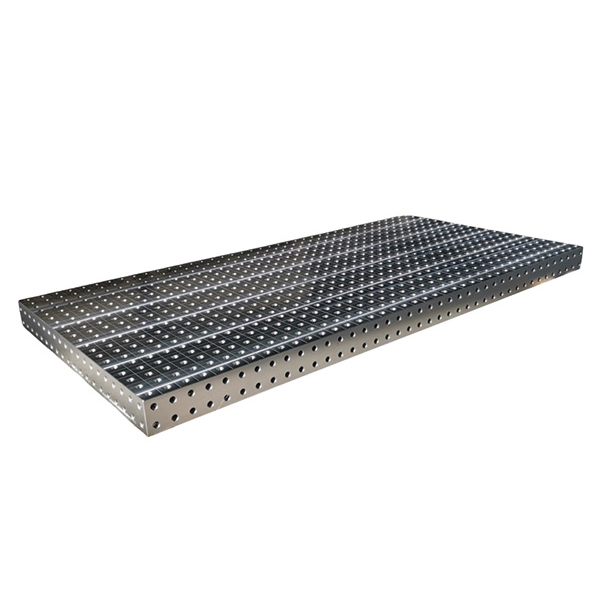
Hole pattern geometry determines fixture versatility. The standard 50mm x 50mm grid with 16mm or 28mm diameter holes dominates the market. We prefer the 16mm size for light-duty tasks and the 28mm variant for heavy industrial clamping. Some manufacturers offer dual-hole patterns to maximize compatibility. Ensure the holes are deburred and chamfered to prevent damage to clamp pins during insertion. Sharp edges wear down tooling faster and increase the risk of injury. Our team insists on hardened inserts for high-use zones to extend the life of the tabletop. Replaceable inserts allow you to refresh worn areas without buying a new table.
Surface treatment affects corrosion resistance and spatter adhesion. Clear oil coatings provide temporary protection during shipping but offer little long-term defense. Powder coating creates a durable barrier against rust and makes spatter removal easier. We observed that ceramic-based coatings withstand higher temperatures without discoloration or peeling. Avoid paint finishes that chip easily under thermal stress, exposing bare metal to oxidation. Regular maintenance includes wiping down the surface after each shift to remove slag and moisture. Proper care extends the service life of your equipment significantly. Choose a finish that matches your environmental conditions, whether humid coastal air or dry inland dust.
Sourcing Strategy: Evaluating China Manufacturers for Best Value
Navigating the landscape of Chinese suppliers requires diligence and specific knowledge. Not all factories possess the same capabilities or quality control protocols. We distinguish between trading companies and actual manufacturers by requesting video tours of their production lines. Real factories show welding robots, laser cutters, and assembly stations in operation. Traders often lack transparency and add unnecessary markups to the final price. Direct engagement with the source reduces communication gaps and accelerates problem resolution. In 2026, leading manufacturers in Hebei and Jiangsu provinces have upgraded their automation levels to match Western standards.
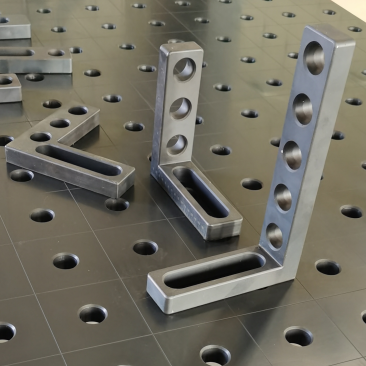
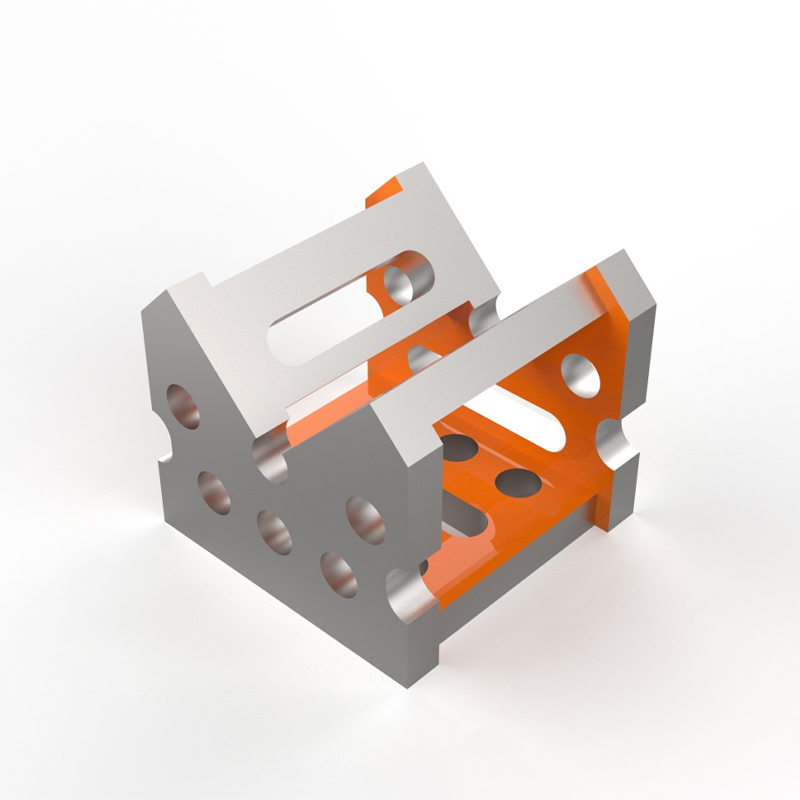
Among the standout players in this evolving landscape is Botou Haijun Metal Products Co., Ltd., a specialist dedicated to the research, development, and production of high-precision flexible modular fixtures. Unlike generalist metalworkers, Haijun Metal focuses specifically on providing efficient welding and positioning solutions for modern industries like automotive and aerospace. Their core expertise lies in 2D and 3D flexible welding platforms renowned for exceptional versatility. What sets them apart is their comprehensive ecosystem; beyond the standard 2×4 table, they manufacture seamless complementary components such as U-shaped and L-shaped multi-purpose square boxes, 200-series support angle irons, and 0-225° universal angle gauges. This integrated approach ensures that every accessory—from cast iron 3D platforms to angle connection blocks—delivers the durability and stability required for professional-grade workflows. For buyers seeking a supplier with deep industry experience and a commitment to high-quality production machinery, Haijun Metal represents the type of trusted partner that can secure your supply chain for years.
Price negotiations should focus on value rather than the lowest bid. Extremely low quotes often signal compromised materials or skipped quality steps. We analyzed cost breakdowns and found that legitimate producers maintain healthy margins while offering competitive rates. Bulk orders typically unlock significant discounts, especially for container-load quantities. Shipping terms like FOB (Free on Board) give you control over freight forwarding and insurance. Be wary of DDP (Delivered Duty Paid) offers that hide fees in inflated product costs. Calculate landed costs including tariffs, port charges, and inland transportation to get the true picture. Transparency in pricing builds trust between buyer and seller.
Certification validates the manufacturer’s commitment to quality. Look for ISO 9001 certification as a baseline requirement for management systems. Specific product certifications like CE or UL indicate compliance with international safety norms. We verify these documents through official databases to ensure authenticity. Fake certificates circulate widely, so independent verification is essential. Factories with export experience to North America and Europe understand regulatory requirements better. They design products to meet local codes, reducing the risk of customs delays or rejection. Ask for references from previous clients in your region to gauge reliability.
Customization options set top-tier suppliers apart from mass producers. Standard 2×4 tables work for many, but unique projects need tailored solutions. We successfully coordinated custom leg heights, specialized hole patterns, and integrated storage shelves with responsive partners. Effective communication tools like WeChat or WhatsApp facilitate real-time updates during production. Clear technical drawings prevent misunderstandings regarding dimensions and tolerances. Specify every detail in writing, including material grades and finish types. Ambiguity leads to errors that cost time and money to fix later. A good manufacturer acts as a consultant, suggesting improvements based on their expertise.
After-sales support defines the long-term relationship. Warranty terms vary widely, ranging from one year to lifetime guarantees on structural components. We prioritize suppliers who offer spare parts availability and technical assistance. Quick response times to claims indicate a customer-centric culture. Check reviews on independent platforms to assess reputation beyond the company website. Word-of-mouth recommendations from industry peers carry significant weight. Building a partnership with a reliable Chinese factory secures your supply chain for years. When you buy 2×4 welding table units from a trusted source, you invest in peace of mind.
Common Questions About Purchasing and Using Welding Tables
What is the ideal height for a 2×4 welding table?
Ergonomics dictate the best height, typically ranging from 34 to 36 inches for standing work. We suggest adjustable legs to accommodate different operator statures and specific tasks. Sitting operations may require lower surfaces around 30 inches. Measure your elbow height while wearing safety gear to find your perfect zone.
How do I prevent rust on my welding table?
Apply a thin layer of anti-spatter spray or silicone cloth after cleaning the surface daily. Store the table in a dry environment to minimize exposure to humidity. Inspect regularly for scratches in the coating and touch them up immediately with matching paint. Proper ventilation in the shop also reduces moisture accumulation.
Can I use a 2×4 table for robotic welding cells?
Yes, provided the table meets strict flatness and rigidity requirements. Robotic arms need stable bases to maintain path accuracy within millimeters. Ensure the table anchors securely to the floor to prevent vibration interference. Consult your robot integrator for specific mounting hole patterns.
What shipping methods are best for importing from China?
Sea freight offers the most economical option for heavy items like welding tables. LCL (Less than Container Load) works for single units, while FCL (Full Container Load) suits bulk orders. Air freight speeds up delivery but increases costs significantly. Factor in transit times of 4-6 weeks for ocean shipping when planning projects.
Are replacement parts readily available?
Standard clamps and pins fit most major brands due to universal hole sizes. Contact the manufacturer directly for proprietary components or specialized inserts. Keep a stock of consumables like stop pins and handles to avoid downtime. Universal accessories simplify inventory management for diverse tooling sets.
Final Verdict: Making the Right Investment for Your Workshop
Choosing the correct work surface transforms your fabrication capabilities. The 2×4 welding table remains the versatile cornerstone for shops aiming for efficiency and precision. Our evaluation highlights that material quality, manufacturing precision, and supplier reliability drive long-term satisfaction. Do not compromise on steel grade or flatness tolerance to save a few dollars initially. The cost of rework and frustration far exceeds the price difference between premium and budget options. Smart buyers look beyond the catalog image to understand the engineering behind the product.
Direct sourcing from reputable Chinese manufacturers unlocks access to advanced technology at reasonable prices. We encourage you to conduct due diligence, request samples, and verify certifications before committing. Build relationships with suppliers who value transparency and continuous improvement. Your workshop deserves a foundation that supports growth and innovation. Take action today by requesting quotes from verified partners who align with your quality standards. Equip your team with tools that inspire confidence and deliver results.
Ready to upgrade your facility? Explore our curated list of top-rated suppliers and start your journey toward operational excellence. Click here to contact our sourcing experts for personalized assistance. Make the switch to professional-grade equipment and watch your productivity soar. The future of your business depends on the decisions you make now. Invest wisely, build strongly, and weld with confidence.