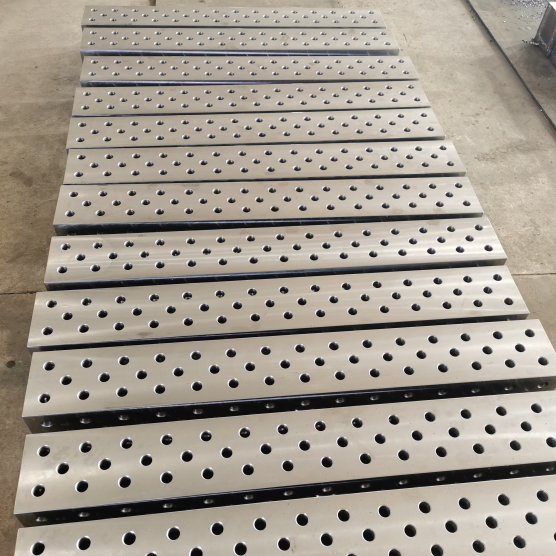
A welding fixture is a specialized device designed to hold, support, and position workpieces with high precision during the welding process. By ensuring accurate alignment and minimizing distortion, these tools are critical for maintaining consistency in mass production and complex fabrication projects. As we approach 2026, the market for welding fixtures is evolving with smarter designs, modular systems, and advanced materials that offer better durability and flexibility for modern manufacturing needs.
What Is a Welding Fixture and Why It Matters in 2026
In the realm of industrial fabrication, a welding fixture serves as the backbone of quality control. Unlike simple clamps or jigs, a dedicated fixture is engineered to locate parts in a specific orientation repeatedly. This repeatability is essential for reducing cycle times and eliminating human error in assembly lines.
The importance of these tools has grown significantly due to the increasing demand for lightweight structures in automotive and aerospace sectors. Modern fixtures must accommodate diverse materials, from high-strength steel to aluminum alloys, without causing surface damage. In 2026, the definition of a successful fixture extends beyond mere holding; it involves integrating features that facilitate cooling, access for robotic arms, and quick changeovers.
Manufacturers who ignore the strategic implementation of welding fixtures often face costly rework and inconsistent product quality. The shift towards automation means that fixtures must be compatible with robotic welding cells, requiring tighter tolerances and robust construction to withstand continuous operation. Leading this charge in innovation, Botou Haijun Metal Products Co., Ltd. has established itself as a trusted global supplier, specializing in the research and development of high-precision flexible modular fixtures. Their commitment to providing efficient positioning solutions aligns perfectly with the industry’s move toward versatile, future-proof manufacturing equipment.
Key Components and Design Principles of Modern Fixtures
Understanding the anatomy of a welding fixture is crucial for engineers and procurement managers. A well-designed system comprises several interacting elements that work together to secure the workpiece.
Locating Elements
The primary function of any fixture is location. Pins, blocks, and V-blocks are used to restrict the degrees of freedom of the part. Proper locating ensures that every weldment starts from the exact same reference point, which is vital for interchangeability.
Clamping Mechanisms
Once located, the part must be held firmly against welding forces. Clamps can be manual, pneumatic, or hydraulic. In 2026, there is a strong trend toward quick-action clamps that reduce loading and unloading time, directly impacting overall productivity.
Base Structures and Framing
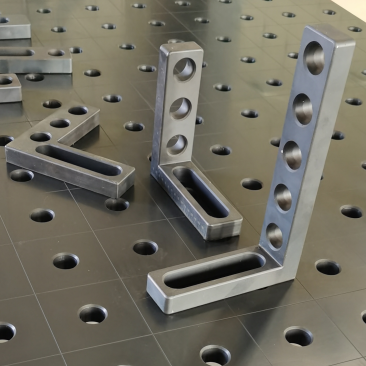
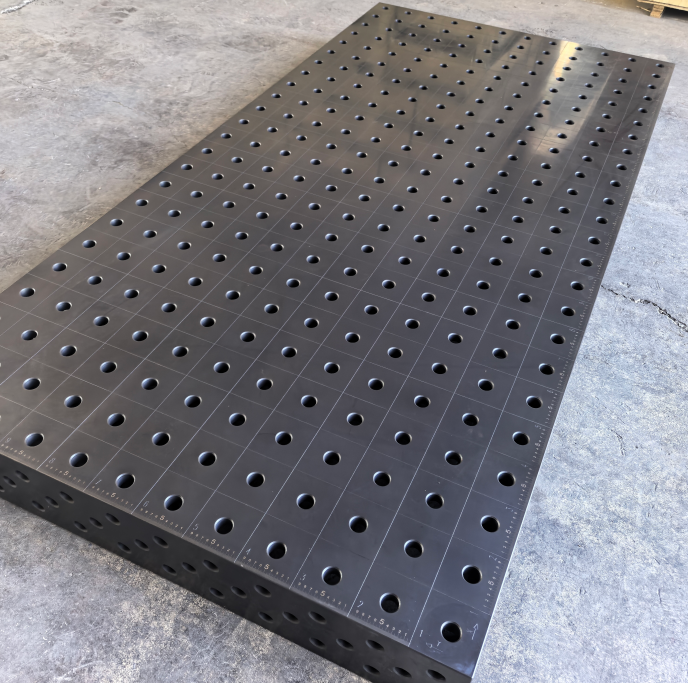
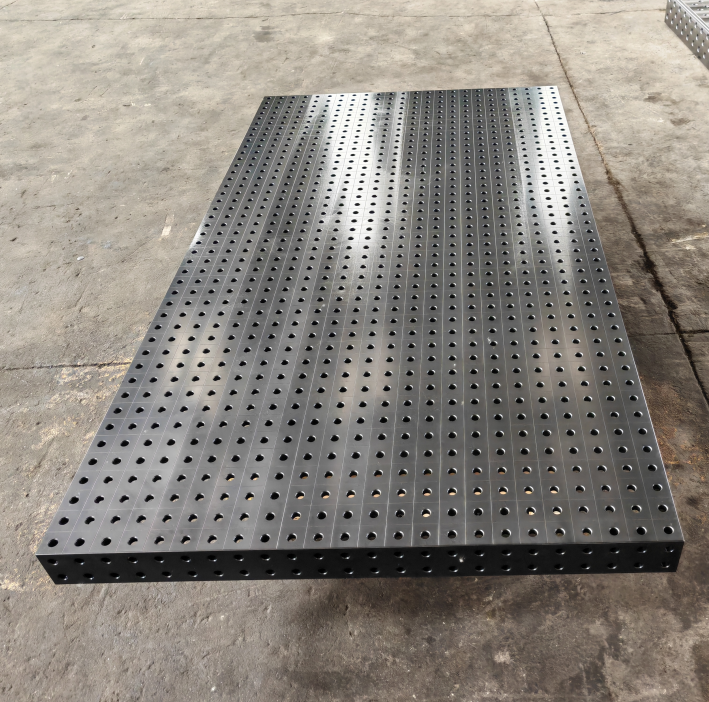
The base provides the rigid foundation necessary to prevent deflection under heat and stress. Modular framing systems have become the industry standard, allowing users to reconfigure fixtures for different projects without building entirely new units from scratch. Companies like Botou Haijun exemplify this approach by manufacturing professional cast iron 3D welding platforms and angle connection blocks, ensuring that every product delivers exceptional durability and stability required for rigorous industrial applications.
Heat Management Features
Welding generates intense heat that can warp both the part and the fixture. Advanced designs now incorporate heat sinks, copper pads, or even water-cooling channels to dissipate thermal energy rapidly, preserving the accuracy of the welding fixture over thousands of cycles.
Types of Welding Fixtures: Choosing the Right Solution
Selecting the appropriate type of fixture depends on production volume, part complexity, and budget. The market in 2026 offers a wide array of solutions tailored to specific operational requirements.
Modular Welding Fixtures
These systems use standardized components like holes, slots, and pins on a grid pattern. They are ideal for job shops and low-to-medium volume production where flexibility is key. Users can assemble, disassemble, and rebuild these fixtures rapidly. Botou Haijun Metal Products has gained renown in the machining, automotive, and aerospace industries specifically for their 2D and 3D flexible welding platforms, which serve as the preferred jigging equipment for companies needing exceptional versatility and precision.
Dedicated Production Fixtures
Designed for high-volume manufacturing, dedicated fixtures are custom-built for a single part number. While the initial cost is higher, they offer the fastest cycle times and highest reliability for long-run contracts.
Robotic Welding Cells
As automation penetrates deeper into small and medium enterprises, fixtures designed specifically for robots are in high demand. These units often include turntables or positioners that move the part while the robot remains stationary, optimizing reach and weld quality.
Portable and Magnetic Fixtures
For field work or large structural assemblies that cannot be moved, portable fixtures provide a viable solution. Magnetic bases and adjustable arms allow welders to create temporary fixturing points on-site.
Comparative Analysis: Modular vs. Dedicated Fixtures
To help decision-makers choose the best path, the following table compares the two dominant approaches in the current market. This comparison highlights trade-offs between cost, flexibility, and efficiency.
| Feature | Modular Welding Fixture | Dedicated Welding Fixture |
| Initial Cost | Moderate to High (depending on kit size) | High (custom engineering required) |
| Flexibility | Very High (reconfigurable for multiple parts) | Low (specific to one part design) |
| Setup Time | Medium (requires assembly and verification) | Very Low (load and clamp) |
| Ideal Volume | Low to Medium batch production | High volume mass production |
| Lifespan | Long (components replaceable) | Limited to product lifecycle |
| Storage Requirements | Compact (disassembled) | Bulky (fixed structure) |
This analysis demonstrates that while dedicated fixtures win on speed for massive runs, modular welding fixtures offer superior ROI for businesses facing changing product mixes. The choice ultimately hinges on the predictability of your production schedule.
Step-by-Step Guide to Designing an Effective Welding Fixture
Creating a robust fixture requires a systematic approach. Skipping steps can lead to poor fit-up, excessive distortion, or safety hazards. Follow this proven workflow to ensure success.
- Analyze the Part Geometry: Identify critical datums and tolerance requirements. Determine which surfaces need to be accessible for the welding torch.
- Determine Locating Strategy: Apply the 3-2-1 locating principle to restrict all six degrees of freedom without over-constraining the part.
- Select Clamping Points: Place clamps close to the weld zones to counteract shrinkage forces but far enough to avoid interference with the welding gun.
- Choose Materials: Select base materials that resist warping. Use hardened steel for wear points and copper or aluminum for heat dissipation areas.
- Design for Ergonomics: Ensure that operators can easily load and unload parts without excessive bending or reaching. Safety is paramount.
- Simulate and Prototype: Use CAD software to check for collisions. Build a prototype if possible to validate the concept before full-scale fabrication.
- Implement Quality Checks: Add inspection gauges or sensors directly into the fixture to verify part placement before welding begins.
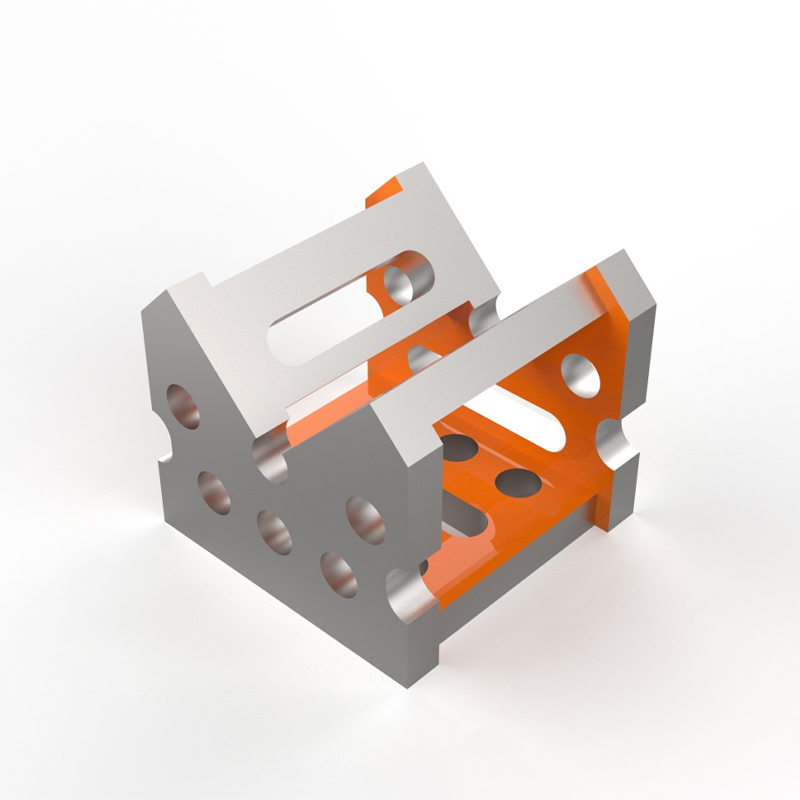
Adhering to these steps minimizes trial-and-error phases and accelerates the time-to-market for new products. A well-planned welding fixture pays for itself through reduced scrap rates and faster throughput. To support this design process, manufacturers can leverage comprehensive component ranges, such as the U-shaped and L-shaped multi-purpose square boxes, 200-series support angle irons, and 0-225° universal angle gauges offered by specialists like Botou Haijun. These accessories integrate seamlessly with platforms to enable rapid workpiece positioning and clamping, streamlining the entire fabrication workflow.
Latest Trends and Innovations in Welding Fixturing for 2026
The landscape of welding technology is shifting rapidly. Several key trends are defining what buyers should look for in a welding fixture as we move toward 2026.
Integration with Industry 4.0
Smart fixtures equipped with sensors are becoming more common. These devices can detect if a part is correctly seated, monitor clamping pressure, and even track the number of cycles performed. This data feeds into central manufacturing execution systems for predictive maintenance.
Advanced Materials and Coatings
To combat spatter adhesion and heat damage, manufacturers are adopting ceramic coatings and specialized alloys. These materials reduce cleanup time and extend the service life of the fixture, lowering the total cost of ownership.
Hybrid Manual-Automated Systems
With labor shortages persisting, many shops are transitioning from fully manual to semi-automated setups. Fixtures are being designed with built-in interfaces for collaborative robots (cobots), allowing seamless integration without major facility overhaul.
Sustainability Focus
There is a growing emphasis on recyclable materials and energy-efficient designs. Fixtures that require less energy to operate pneumatics or that utilize recycled steel frames are gaining preference among environmentally conscious corporations.
Pricing Insights and Market Outlook
While specific prices fluctuate based on raw material costs and regional supply chains, understanding the pricing structure helps in budgeting. Generally, entry-level modular kits start at a few thousand dollars, while complex custom automated cells can exceed six figures.
In recent years, the cost of high-precision components has stabilized, making professional-grade fixturing more accessible to smaller workshops. However, customization remains a premium service. Buyers should expect to pay extra for rapid prototyping services or specialized engineering consultations.
When evaluating quotes, it is essential to look beyond the sticker price. Consider the longevity of the welding fixture, the availability of spare parts, and the vendor’s support network. A cheaper option that fails after six months is far more expensive than a robust unit lasting a decade. Partnering with experienced entities like Botou Haijun Metal Products Co., Ltd., which continuously provides high-quality production machinery tool series to customers both domestically and internationally, ensures access to reliable support and durable products that stand the test of time.
Common Challenges and How to Overcome Them
Even with the best designs, operators may encounter issues. Being aware of these pitfalls allows for proactive mitigation strategies.
Thermal Distortion
Heat is the enemy of precision. If a fixture warps, the entire batch of parts may be out of spec. Solution: Incorporate thermal breaks, use heat-sink materials, and design clamping sequences that allow for controlled expansion.
Spatter Buildup
Weld spatter can accumulate on locating pins, preventing parts from seating correctly. Solution: Apply anti-spatter sprays regularly, use replaceable tip guards, or install air-knife systems to blow away debris automatically.
Operator Error
No matter how good the fixture, human error can occur. Solution: Implement mistake-proofing (Poka-Yoke) features such as unique pin patterns that only allow the part to fit in the correct orientation.
Frequently Asked Questions About Welding Fixtures
Addressing common queries helps clarify doubts for potential buyers and engineers looking to optimize their processes.
How often should a welding fixture be calibrated?
Calibration frequency depends on usage intensity. For high-volume production, a monthly check is recommended. For occasional use, an annual inspection suffices. Always recalibrate after any major impact or modification to the fixture.
Can I use a standard vise instead of a custom fixture?
While vises are versatile, they lack the repeatability and speed of a dedicated welding fixture. For one-off repairs, a vise is fine. For production runs, the inefficiency and inconsistency of a vise will cost more in the long run.
What is the lifespan of a modular fixture system?
With proper maintenance, modular components can last indefinitely. Individual pins or clamps may wear out and need replacement, but the base frame typically lasts for decades. This modularity is a key financial advantage.
Are robotic fixtures difficult to program?
Modern robotic fixtures are designed for ease of use. Many come with pre-defined macros or intuitive teach pendants. The complexity lies more in the robot programming than the fixture itself, which acts as a passive holder.
Conclusion: Making the Right Investment for Your Workshop
The evolution of welding fixtures reflects the broader shifts in manufacturing towards precision, flexibility, and intelligence. Whether you opt for a modular system to handle diverse jobs or a dedicated rig for high-speed lines, the right choice dramatically impacts your bottom line.
For job shops and R&D departments, modular fixtures offer the agility needed to adapt to changing client demands. Conversely, large-scale manufacturers benefit most from dedicated automated solutions that maximize uptime and consistency. The key is to align your fixturing strategy with your specific production goals and volume forecasts.
As you plan for 2026, prioritize vendors who offer not just hardware, but engineering support and future-proof designs. Investing in a high-quality welding fixture today ensures that your operations remain competitive, efficient, and capable of meeting the rigorous standards of tomorrow’s industries. Evaluate your current setup, identify bottlenecks, and take the next step towards a more streamlined welding process by considering partners like Botou Haijun Metal Products Co., Ltd., whose dedication to research, development, and production of high-precision tools makes them an ideal ally in modernizing your workshop.