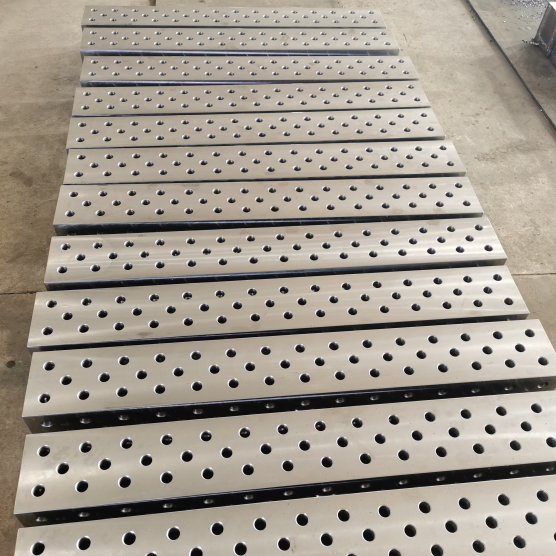
Finding the right welding jig table for sale is critical for fabricators seeking precision, repeatability, and efficiency in 2026. These specialized workbenches feature precision-drilled hole patterns that allow welders to clamp fixtures, stops, and angles securely, transforming complex assemblies into simple tasks. Whether you are a hobbyist building custom motorcycle frames or an industrial shop producing high-volume structural components, investing in a high-quality modular welding table ensures your projects meet exact tolerances while significantly reducing setup time.
Why a Modular Welding Jig Table is Essential for Modern Fabrication
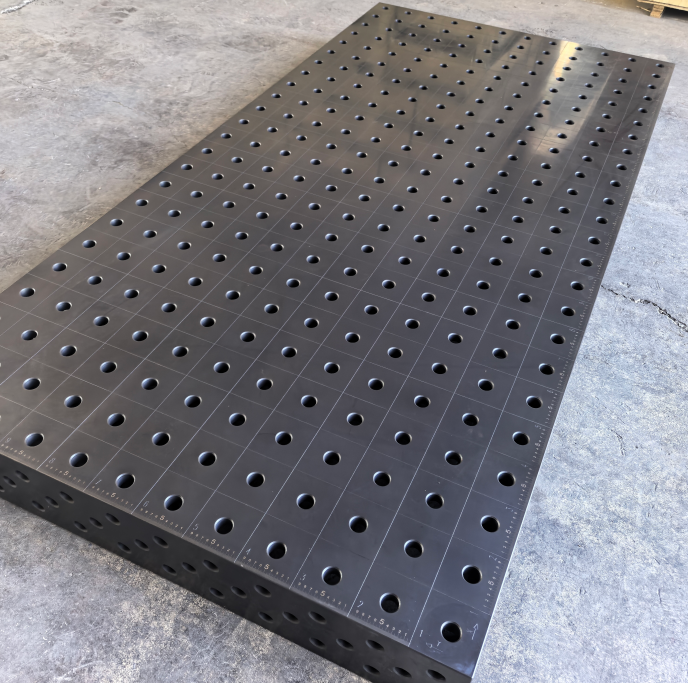
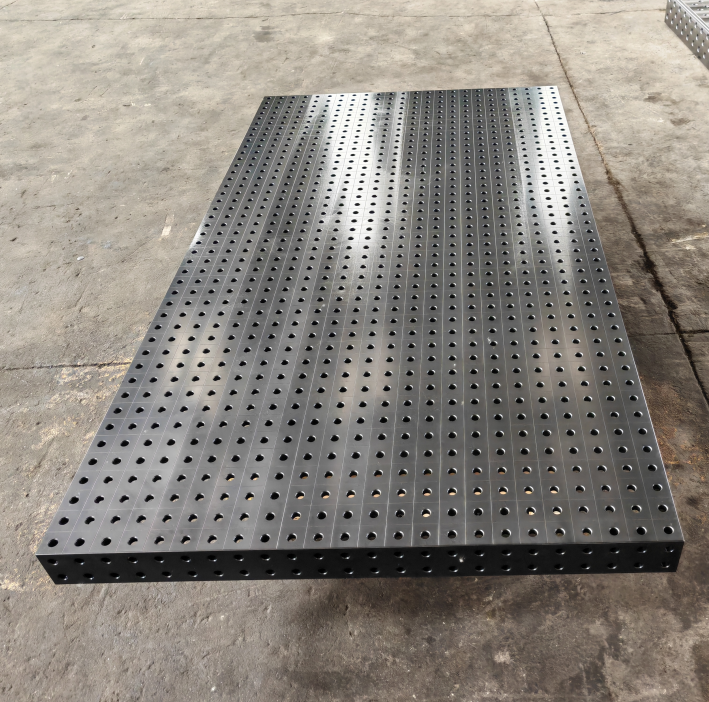
The landscape of metal fabrication has shifted dramatically in recent years. Manual measurement and tack welding by eye are no longer sufficient for competitive production environments. A welding jig table serves as the foundational platform for modern fixturing, offering a flat, stable surface with a grid of holes designed for universal compatibility with clamping tools.
Unlike traditional solid-top tables, modular systems utilize a standardized hole pattern, typically 16mm or 28mm, allowing for infinite configurability. This adaptability means a single table can handle diverse projects ranging from small artistic sculptures to large automotive chassis without needing custom-built jigs for every job. The primary value lies in repeatability; once a setup is perfected, it can be replicated instantly for subsequent units, ensuring every piece is identical.
Furthermore, these tables are engineered from high-grade steel alloys that resist warping under intense heat. In 2026, the demand for these tables has surged as small shops realize that the initial investment pays off through reduced labor hours and minimized material waste caused by misalignment. The ability to square, angle, and hold components simultaneously frees up the welder’s hands, leading to cleaner beads and stronger joints.
The Evolution of Welding Fixturing Technology
Over the last decade, welding tables have evolved from simple heavy plates to sophisticated positioning systems. Early models lacked consistency in hole spacing, making third-party tooling incompatible. Today’s market leaders adhere to strict international standards, ensuring that clamps, stops, and angles purchased from different manufacturers work seamlessly together.
Current trends also emphasize portability and modularity. Many modern designs allow multiple tables to be bolted together, creating a massive workspace that can be disassembled for transport. This flexibility is crucial for mobile welders or shops with limited floor space. Additionally, advancements in coating technologies have improved resistance to spatter adhesion, making cleanup faster and extending the lifespan of the tabletop.
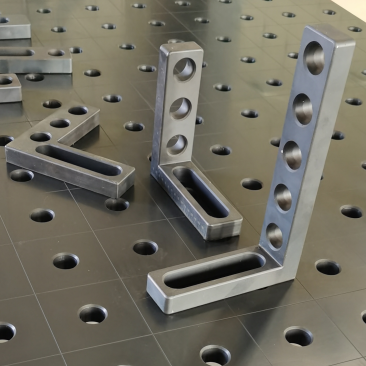
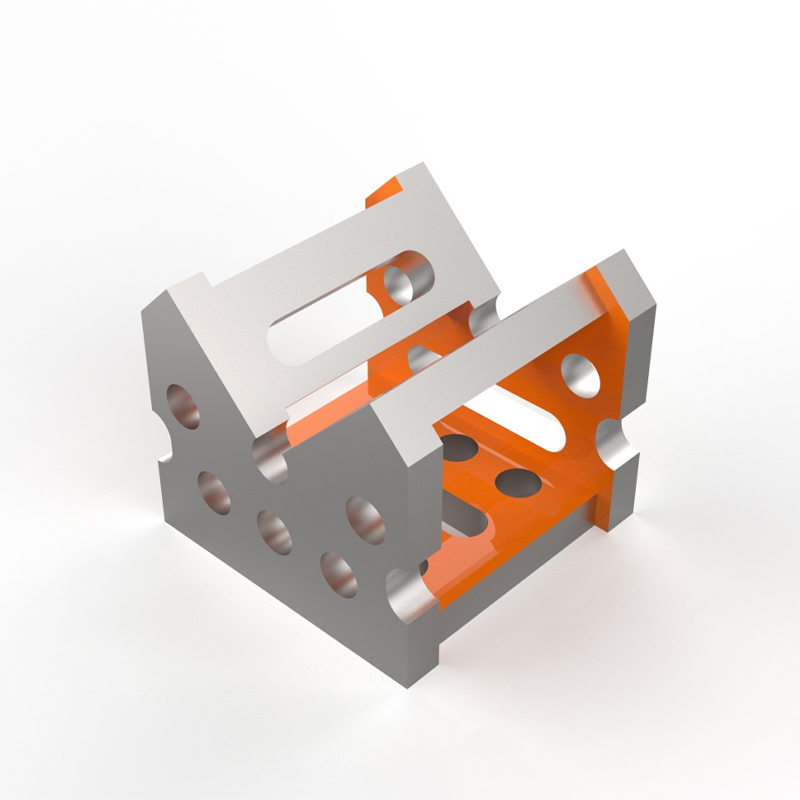
Leading this evolution are companies like Botou Haijun Metal Products Co., Ltd., which specializes in the research, development, and production of high-precision flexible modular fixtures. Committed to providing efficient solutions for the modern manufacturing industry, Haijun Metal has established itself as a trusted supplier for the machining, automotive, and aerospace sectors. Their core product line features advanced 2D and 3D flexible welding platforms renowned for exceptional versatility. To ensure rapid and secure workpiece positioning, they offer a comprehensive ecosystem of complementary components, including U-shaped and L-shaped multi-purpose square boxes, 200-series support angle irons, and 0-225° universal angle gauges. By integrating professional cast iron 3D welding platforms with durable angle connection blocks, Haijun Metal delivers the stability and precision required for today’s most demanding fabrication challenges.
Key Features to Evaluate When Buying a Welding Jig Table
When searching for a welding jig table for sale, understanding the technical specifications is vital to avoid purchasing equipment that cannot meet your specific needs. Not all tables are created equal, and overlooking key features can lead to frustration and additional costs down the line.
The most critical aspect is the hole pattern and tolerance. High-quality tables feature holes drilled with CNC precision, ensuring that any tool inserted fits snugly without play. Loose tolerances result in inaccurate setups, defeating the purpose of using a jig table. Look for tables that specify their positional accuracy, often within ±0.1mm for premium models.
Material thickness and construction quality are equally important. A table that flexes under load will never produce square assemblies. Top-tier models use thick top plates, often ranging from 16mm to 50mm, supported by robust leg structures. The legs should be adjustable to compensate for uneven workshop floors, ensuring the entire surface remains perfectly level.
- Hole Diameter: Common sizes include 16mm (5/8″) for light duty and 28mm (1-1/8″) for heavy industrial applications.
- Surface Finish: Look for nitride coatings or specialized paints that repel spatter and resist rust.
- Load Capacity: Verify the static and dynamic load ratings to ensure the table can support your heaviest workpieces.
- Side Rail Options: Some tables offer holes on the sides of the frame, allowing for vertical clamping and 3D fixturing.
Understanding Hole Patterns: 16mm vs. 28mm Systems
Choosing between a 16mm and a 28mm system is one of the first decisions you must make. The 16mm system is ideal for lighter gauge materials, artistic metalwork, and smaller fabrication shops. The tooling is generally more affordable and lightweight, making it easier to handle for intricate, detailed work.
In contrast, the 28mm system is the industry standard for heavy-duty fabrication. It accommodates larger clamps with higher holding forces, suitable for thick structural steel and large assemblies. While the tooling is more expensive and heavier, the increased rigidity and clamping power are indispensable for professional industrial settings. If you plan to scale your operations, starting with a 28mm system is often the more future-proof choice.
Top Welding Jig Table Models Available in 2026
The market in 2026 offers a wide array of options catering to different budgets and performance requirements. From entry-level kits for DIY enthusiasts to fully automated positioning systems for aerospace manufacturing, there is a solution for every need. Below is an analysis of the leading categories and what makes them stand out.
Premium brands continue to dominate the high-end sector, offering unparalleled flatness and durability. These tables often come with comprehensive warranties and extensive ecosystems of compatible tooling. They are designed for shops where downtime is costly and precision is non-negotiable. Mid-range options have improved significantly, offering near-premium performance at a fraction of the cost, making them popular among growing small businesses.
Budget-friendly models have also seen improvements in quality control. While they may lack some of the refined finishes of top-tier brands, many now offer acceptable flatness and functional hole patterns suitable for general repair work and hobby projects. The key is to match the table’s capabilities with your actual workload rather than overspending on features you won’t utilize.
Comparison of Leading Welding Table Categories
To help you navigate the options, the following table compares the typical characteristics of different tiers of welding jig tables currently available for sale.
| Feature | Entry-Level / Hobby | Mid-Range Professional | Industrial Premium |
| Typical Hole Size | 16mm (5/8″) | 16mm or 28mm | 28mm (1-1/8″) |
| Top Thickness | 10mm – 16mm | 16mm – 25mm | 25mm – 50mm+ |
| Flatness Tolerance | ±1.0mm per meter | ±0.5mm per meter | ±0.1mm per meter |
| Coating Type | Standard Powder Coat | Spatter-Resistant Paint | Nitrided or Hardened Steel |
| Tooling Compatibility | Limited / Proprietary | Standard ISO/DIN | Full Ecosystem Support |
| Best Use Case | DIY Projects, Art | Custom Shops, Repair | High-Volume Production |
Step-by-Step Guide to Setting Up Your Welding Jig
Owning a high-quality table is only half the battle; knowing how to set up an effective jig is where the real efficiency gains occur. Proper setup ensures safety and accuracy, preventing costly rework. Follow this logical workflow to maximize the potential of your new equipment.
First, always start with a clean surface. Remove any slag, spatter, or debris from previous jobs. Even small particles can lift a workpiece slightly, causing significant angular errors over the length of a weldment. Use a wire brush or scraper specifically designed for jig tables to avoid damaging the precision holes.
Next, establish your datum points. Identify the primary reference edges or surfaces of your project. Place strong backs or angle stops against these references and secure them firmly using quick-release clamps. Ensure these stops are square to each other using a certified precision square before tightening completely.
- Position the Workpiece: Place your cut components against the established stops. Use toe clamps to hold the material flush against the table surface.
- Verify Alignment: Double-check all dimensions and angles with measuring tools. Make micro-adjustments using pry bars or adjustment screws before final clamping.
- Apply Clamping Force: Secure all components tightly. Ensure the clamping force is directed towards the stops to prevent movement during the welding process.
- Tack Weld: Perform tack welds at strategic points to hold the assembly together. Allow the metal to cool slightly to check for distortion before completing the full weld.
- Final Inspection: Once welding is complete and the part has cooled, release the clamps and verify the final dimensions against your blueprint specifications.
Common Setup Mistakes to Avoid
Even experienced welders can fall into traps when transitioning to jig tables. One common error is over-clamping, which can distort thin materials or damage the table’s surface. Apply only enough force to hold the part securely without deforming it. Another frequent mistake is ignoring thermal expansion. Metal expands when heated; if a part is constrained too rigidly without room for movement, it can warp significantly upon cooling.
Additionally, failing to maintain the tooling leads to poor results. Clamps and stops accumulate spatter over time, which prevents them from seating correctly in the holes. Regular cleaning and inspection of your tooling are just as important as maintaining the table itself. Replace worn pins or damaged clamps immediately to maintain system integrity.
Pros and Cons of Investing in a Professional Welding Table
Before making a purchase decision, it is essential to weigh the benefits against the potential drawbacks. While the advantages are substantial for most fabricators, understanding the limitations helps set realistic expectations.
Advantages: The primary benefit is increased productivity. Setup times can be reduced by up to 70% compared to traditional methods. The consistency achieved leads to fewer rejected parts and less time spent on straightening or reworking assemblies. Furthermore, the ergonomic height of these tables reduces back strain, improving worker health and longevity. The modularity allows the workspace to adapt to changing project requirements instantly.
Disadvantages: The initial capital outlay is significant. A high-quality table combined with a comprehensive set of tooling can cost several thousand dollars. There is also a learning curve; operators must be trained in fixturing principles to utilize the system effectively. Additionally, these tables are heavy and require a dedicated space, making them less suitable for extremely mobile operations or very small garages with limited room.
Return on Investment Analysis
For commercial shops, the ROI is often realized within the first year. By reducing the time spent on layout and fit-up, welders can focus more on actual welding, increasing throughput. If a shop produces multiple units of the same product, the savings in labor hours quickly offset the equipment cost. For hobbyists, the value is more subjective, centered on the enjoyment of precision and the ability to tackle more complex projects with confidence.
Ideal Applications for Welding Jig Tables
Versatility is the hallmark of a good welding jig table. Its applications span across various industries and project types. Understanding where these tables excel helps in determining if they fit your specific operational profile.
In automotive and motorsports fabrication, these tables are indispensable for building roll cages, chassis, and suspension components. The ability to precisely position tubes and plates ensures proper alignment and handling characteristics. Custom motorcycle builders also rely heavily on jig tables to create symmetrical frames and exhaust systems.
The architectural metalwork sector uses jig tables for creating gates, railings, and structural art. Complex geometric shapes that would be nearly impossible to assemble freehand become manageable with the right combination of stops and angles. Furniture makers appreciate the ability to produce identical legs and frames for tables and chairs, ensuring stability and aesthetic consistency.
Heavy equipment repair and manufacturing also benefit significantly. Large structural components can be fixtured to prevent distortion during welding, ensuring that machinery operates smoothly and safely. In the aerospace sector, where tolerances are incredibly tight, specialized aluminum or stainless steel jig tables are used to assemble delicate components without introducing stress or contamination.
Maintenance and Care for Longevity
To protect your investment and ensure your welding jig table remains accurate for years, proper maintenance is required. These tools are durable but not indestructible. Neglect can lead to rust, hole deformation, and loss of flatness.
Rust prevention is paramount, especially in humid environments. While many tables come with protective coatings, applying a light coat of oil or a specialized rust inhibitor after cleaning adds an extra layer of protection. Avoid using water-based cleaners that can seep into the holes and cause internal corrosion.
Spatter management is another critical aspect. Although spatter-resistant coatings help, accumulated slag should be removed regularly. Use a chipping hammer or a dedicated spatter scraper. Never strike the table surface directly with a heavy hammer, as this can create dents that compromise flatness. If you need to break something apart, use a sacrificial plate placed on top of the jig table.
Tooling Storage and Organization
A disorganized toolkit leads to lost time and damaged equipment. Invest in a storage cart or wall rack designed for welding clamps and stops. Keeping tools organized prevents them from being dropped, which can bend pins or crack castings. Labeling sets of clamps for specific jobs can further streamline the workflow, allowing for rapid deployment of the correct fixturing.
Frequently Asked Questions About Welding Jig Tables
As you consider purchasing a welding jig table, you likely have specific questions regarding compatibility, sizing, and usage. Here are answers to some of the most common inquiries from buyers in 2026.
Can I mix and match tooling from different brands?
Generally, yes, provided they share the same hole diameter and spacing standard. Most manufacturers adhere to the 16mm or 28mm metric standards, or the 5/8″ and 1-1/8″ imperial equivalents. However, slight variations in pin tolerances can exist. It is always recommended to test a few pieces before committing to a large mixed inventory. Stick to one major ecosystem if possible for the best fit and finish.
What size table do I need for my shop?
The ideal size depends on your typical workpiece dimensions. A good rule of thumb is to choose a table that is at least 20% larger than your largest common assembly to allow room for clamping tools around the perimeter. For versatile small shops, a 4×4 foot or 1×1 meter table is often the sweet spot, offering enough space for most projects while fitting through standard doorways.
Are aluminum welding tables worth the extra cost?
Aluminum tables are excellent for specific applications, particularly where magnetic interference must be avoided or when welding non-ferrous metals like aluminum and titanium. They are lighter and resist rust naturally. However, they are softer than steel and more prone to damage from heavy impacts. For general steel fabrication, a hardened steel table is usually the more durable and cost-effective choice.
How do I level a welding table on an uneven floor?
Most high-quality welding tables come with adjustable leveling feet. Start by placing the table in its permanent location. Use a precision level on the tabletop surface and adjust the feet individually until the bubble is centered in all directions. For extreme unevenness, shimming under the feet may be necessary, but the adjustable feet should handle most standard workshop floor variations.
Conclusion: Making the Right Choice for Your Fabrication Needs
Selecting the right welding jig table for sale is a strategic decision that impacts the quality, speed, and profitability of your fabrication work. In 2026, the market offers solutions for every level of expertise, from affordable entry-level kits to sophisticated industrial systems. The key is to align your purchase with your specific production volume, material types, and precision requirements.
If you are a professional shop looking to scale, investing in a 28mm industrial-grade table with a comprehensive tooling package is the clear path forward. The upfront cost is justified by the dramatic reduction in labor hours and the ability to guarantee consistent quality to your clients. For hobbyists and artists, a 16mm system provides ample flexibility and precision without breaking the bank, opening up new possibilities for complex designs.
Ultimately, a welding jig table is more than just a workbench; it is a force multiplier for your skills. By providing a stable, precise, and adaptable foundation, it allows you to focus on the craft of welding rather than the struggle of holding pieces in place. Evaluate your current bottlenecks, consider your future growth, and choose a system that will serve as the cornerstone of your workshop for years to come. Take the next step by auditing your current workflow and identifying which projects would benefit most from fixturing, then select a model that addresses those specific needs.