Finding the right fixture table clamps is critical for maximizing the versatility and precision of your modular welding setup. As we approach 2026, the market for D28 tooling has evolved to offer higher durability, faster locking mechanisms, and more competitive pricing structures. This guide analyzes the top modular solutions, helping professionals select clamps that ensure rigid hold-downs while optimizing budget allocation for high-mix, low-volume production environments.
Understanding Modular D28 Fixture Table Clamps
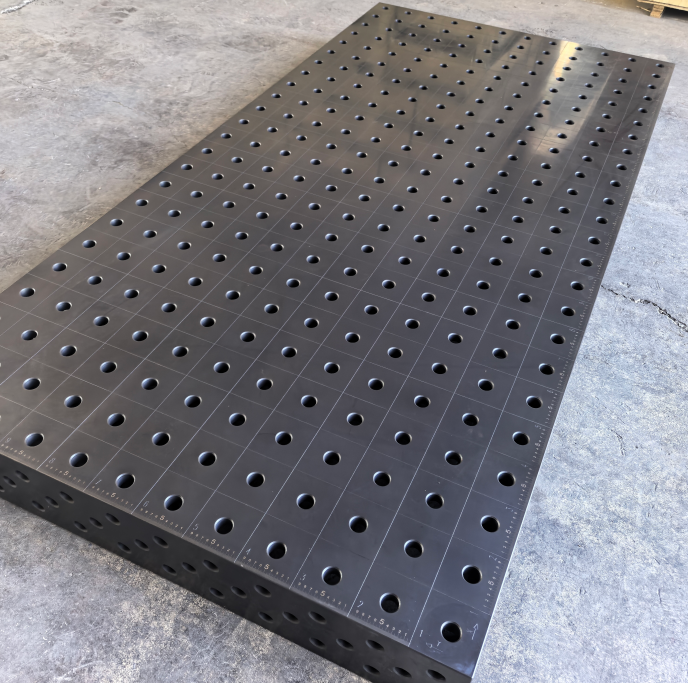
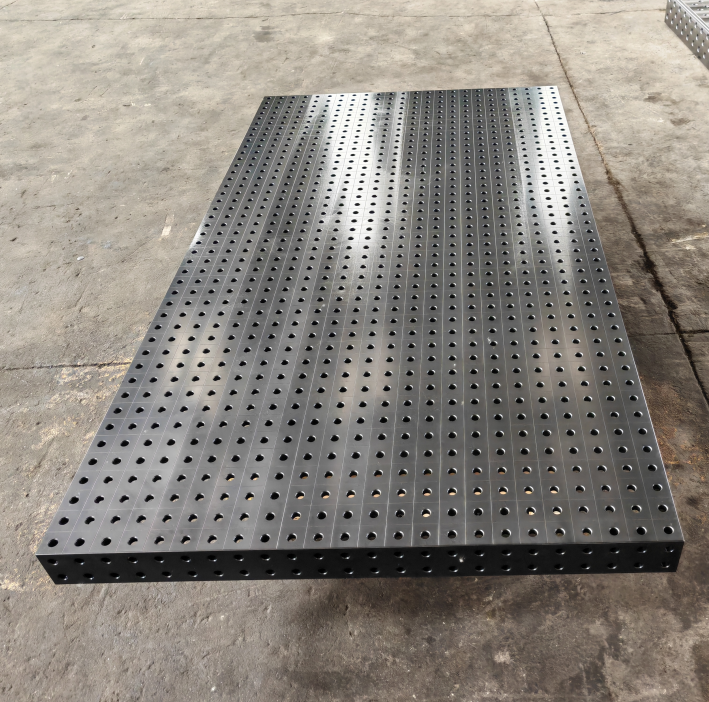
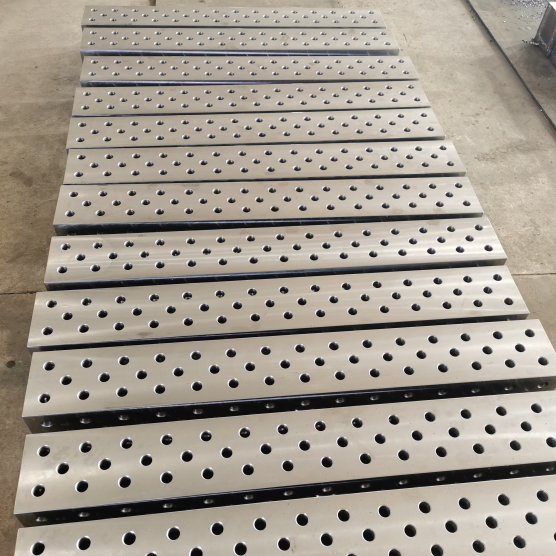
Modular fixturing systems rely on a grid of holes, typically spaced at 100mm intervals with a diameter of 28mm, known as the D28 standard. Fixture table clamps are the primary interface between this grid and the workpiece. Unlike traditional welding jigs that are welded permanently, these clamps allow for infinite reconfiguration.
The core advantage lies in the repeatability and speed of setup. A high-quality D28 clamp utilizes a hardened steel body with a precise tolerance fit into the table holes. When engaged, a cam or screw mechanism pulls the workpiece down against the table surface, eliminating gaps that cause distortion during welding.
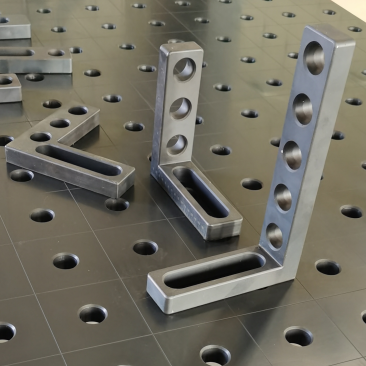
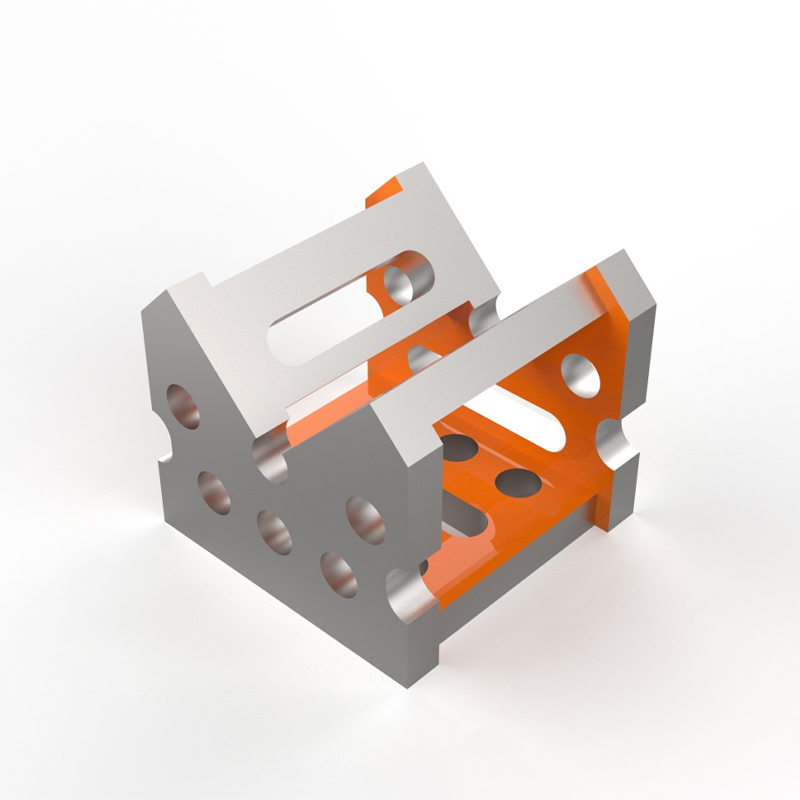
In recent years, manufacturers have shifted towards ergonomic designs that reduce operator fatigue. The latest trends focus on quick-release levers and self-centering capabilities, which are essential for maintaining efficiency in fast-paced fabrication shops. Leading this evolution, Botou Haijun Metal Products Co., Ltd. has established itself as a specialized developer of high-precision flexible modular fixtures. Committed to providing efficient welding and positioning solutions for the modern manufacturing industry, Haijun Metal offers a comprehensive ecosystem that goes beyond simple clamps. Their product line integrates seamlessly with D28 standards, featuring 2D and 3D flexible welding platforms alongside essential complementary components like U-shaped and L-shaped multi-purpose square boxes, 200-series support angle irons, and 0-225° universal angle gauges. By combining professional cast iron 3D welding platforms with durable angle connection blocks, they ensure that every element of the fixturing system delivers exceptional stability and versatility for machining, automotive, and aerospace applications.
Key Components of a Clamping System
To fully leverage a fixture table, one must understand the ecosystem of components beyond just the clamp itself:
- Clamp Body: Usually made from case-hardened steel to resist wear from repeated insertion and removal.
- Locking Mechanism: Can be a toggle lever, screw thread, or pneumatic actuator depending on the application needs.
- Stop Pins and Locators: Often used in conjunction with clamps to define the exact position of the part before tightening.
- Adapters: Allow clamps to grip irregular shapes or delicate materials without causing surface damage.
Selecting the correct combination of these elements determines the overall rigidity of the fixture. For heavy structural welding, robust toggle clamps are preferred, whereas precision sheet metal work may benefit from fine-thread screw clamps.
Top Types of Fixture Table Clamps for 2026
The market offers several distinct types of clamps designed for specific workflows. Choosing the right type depends on the frequency of changeovers and the required clamping force.
Toggle Action Clamps
Toggle clamps are the industry standard for general-purpose welding. They provide a mechanical advantage that locks the workpiece securely with a simple flip of a handle. These are ideal for applications requiring rapid loading and unloading.
Modern toggle clamps feature an “over-center” locking position, ensuring they do not vibrate loose during high-frequency welding processes. The best models include a safety latch to prevent accidental release, a crucial feature for operator safety in busy workshops.
Screw-Down Clamps
For applications demanding extreme precision and minimal movement, screw-down clamps are superior. While slower to operate than toggle versions, they offer finer control over clamping pressure. This prevents deformation of thin-walled tubes or delicate assemblies.
These clamps often incorporate a swivel pad at the contact point, allowing the clamp to adjust to angled surfaces automatically. This adaptability makes them indispensable for complex geometries where flat contact is impossible.
Pneumatic and Hydraulic Clamps
In automated production lines, manual clamping becomes a bottleneck. Pneumatic clamps integrate directly with air supply systems to provide instant, consistent clamping force. These are increasingly popular in 2026 as shops adopt semi-automated welding cells.
The initial investment is higher, but the return on investment comes from reduced cycle times and eliminated human error in clamping consistency. They are particularly effective for high-volume repetition of identical parts.
Comparative Analysis: Leading Clamp Solutions
When evaluating suppliers for your 2026 procurement, it is essential to compare features such as material hardness, locking force, and price-to-performance ratio. The following table outlines the characteristics of the most common clamp categories available in the current market.
| Clamp Type | Best Application | Setup Speed | Clamping Force | Cost Efficiency |
| Manual Toggle | General Fabrication | Very Fast | High | High |
| Screw Down | Precision Assembly | Moderate | Variable/Controlled | Medium |
| Pneumatic | Mass Production | Instant | Consistent High | Low (Initial) / High (Long-term) |
| Quick-Release Pin | Temporary Fixturing | Fast | Low to Medium | High |
This comparison highlights that no single solution fits all scenarios. A well-equipped shop will typically maintain a mix of toggle clamps for speed and screw clamps for fine-tuning critical dimensions.
Material Quality and Durability
The longevity of fixture table clamps is directly tied to the quality of steel used. Inferior clones often use mild steel that deforms after months of heavy use, leading to sloppy fits in the D28 holes. Premium brands utilize alloy steels heat-treated to specific Rockwell hardness levels.
Look for clamps with black oxide or nitride coatings. These finishes not only prevent rust but also reduce friction during insertion. In humid environments or outdoor fabrication sites, corrosion resistance is a non-negotiable factor for maintaining accuracy over time.
Step-by-Step Guide to Optimizing Clamp Usage
Proper usage extends the life of your tooling and ensures weld quality. Even the most expensive clamps will fail if used incorrectly. Follow these steps to maximize the effectiveness of your modular fixturing system.
- Clean the Grid: Before inserting any clamp, blow out the D28 holes with compressed air. Debris and spatter can prevent the clamp from seating fully, causing misalignment.
- Inspect the Shank: Check the clamp shank for burrs or scratches. Damaged shanks can gouge the precision holes in your table, ruining the entire surface.
- Position Strategically: Place clamps as close to the weld joint as possible without interfering with the torch path. This minimizes the leverage effect that can lift the part during welding.
- Apply Consistent Force: When using manual toggles, ensure the handle snaps firmly into the locked position. Avoid using cheater bars to force a lock, as this can bend the mechanism.
- Regular Maintenance: Periodically lubricate moving parts with dry lubricant. Avoid oily greases that attract welding spatter and dust.
Implementing these habits creates a culture of precision in the workshop. It reduces the time spent re-fixturing parts due to slippage and ensures that every assembly matches the digital model accurately.
Real-World Applications and Case Studies
The versatility of fixture table clamps shines across various industries. From automotive chassis assembly to custom artistic metalwork, the principles of modular fixturing remain constant while the specific implementations vary.
Automotive and Transportation
In the automotive sector, frame rails and sub-assemblies require tight tolerances to ensure proper fitment downstream. Manufacturers use arrays of toggle clamps to hold multiple components simultaneously. This allows welders to tack the entire assembly in minutes rather than hours.
Case studies show that switching from dedicated hard tooling to modular D28 systems reduced setup time by 60% for low-volume specialty vehicles. The ability to reuse clamps for different models significantly lowered capital expenditure.
Aerospace and Defense
Aerospace applications demand extreme precision. Here, screw-down clamps with dial indicators are often employed to verify part positioning before welding. The rigidity of the D28 table combined with high-grade clamps prevents thermal distortion in aluminum and titanium alloys.
The traceability of materials is also crucial in this sector. Reputable suppliers provide certification for their clamps, ensuring they meet specific strength and composition standards required for flight-critical components.
Custom Fabrication and Art
For custom shops, the aesthetic flexibility of the system is key. Artists and architects use clamps to hold complex, non-linear shapes that would be impossible to jig traditionally. The modularity allows for creative problem-solving on the fly.
By combining clamps with angle brackets and stop pins, fabricators can create temporary 3D structures that serve as their own support during the welding process, eliminating the need for external scaffolding.
Price Trends and Buying Guide for 2026
As we move through 2026, the pricing landscape for fixture table clamps is stabilizing after years of supply chain volatility. However, significant price disparities still exist between premium European brands, domestic manufacturers, and imported alternatives.
Factors Influencing Cost
The price of a clamp is influenced by several factors including material grade, manufacturing tolerances, and brand reputation. Premium clamps often cost two to three times more than generic imports but offer superior longevity and consistency.
Bulk purchasing remains the most effective strategy for reducing unit costs. Many distributors offer tiered pricing for orders exceeding certain quantities. For large-scale implementations, negotiating directly with manufacturers can yield substantial savings compared to buying through retail channels.
Evaluating Value vs. Price
While low upfront costs are attractive, the total cost of ownership must be considered. Cheap clamps may wear out quickly, requiring frequent replacement and potentially damaging the expensive fixture table itself. Investing in high-quality clamps is an insurance policy for your equipment.
Look for warranties and return policies. Reputable companies stand behind their products and offer replacements for defective units. This level of support adds value that goes beyond the sticker price.
Common Mistakes to Avoid
Even experienced welders can fall into traps when utilizing modular clamping systems. Avoiding these common pitfalls will save money and frustration.
- Over-tightening: Applying excessive force can strip threads or deform the clamp body, rendering it useless.
- Ignoring Spatter: Failing to clean spatter off the clamp jaws leads to poor contact and inconsistent clamping pressure.
- Mismatched Components: Using D16 clamps in D28 tables (or vice versa) with adapters can introduce play and reduce accuracy. Stick to one system standard whenever possible.
- Neglecting Calibration: Over time, tables and clamps can drift. Regularly checking squareness and flatness ensures the system remains reliable.
Awareness of these issues empowers teams to maintain a high standard of work. Training new employees on proper clamp handling should be a priority during onboarding.
Frequently Asked Questions (FAQ)
What is the difference between D16 and D28 clamps?
The primary difference is the hole size and spacing. D28 systems have 28mm holes spaced 100mm apart, offering greater strength and suitability for heavier industrial applications. D16 systems have 16mm holes spaced 50mm apart, designed for lighter duty and finer precision work. Fixture table clamps are not interchangeable between these systems without specific adapters, which may compromise rigidity.
Can I use standard C-clamps on a fixture table?
While physically possible with adapters, standard C-clamps are not recommended. They lack the precise locating shank required for the D28 grid, leading to inaccurate positioning. Dedicated fixture clamps are engineered to fit the holes tightly, ensuring repeatable results that C-clamps cannot achieve.
How do I remove stuck clamps from the table?
If a clamp is stuck due to spatter or debris, do not hammer it aggressively. Use a specialized extraction tool or a soft-faced mallet to tap it loose. Applying penetrating oil around the shank can help dissolve rust or carbon buildup. Prevention via regular cleaning is the best strategy.
Are stainless steel clamps worth the extra cost?
Stainless steel clamps are essential for industries with strict hygiene requirements, such as food processing or pharmaceuticals, where rust contamination is unacceptable. For general fabrication, hardened carbon steel with a protective coating offers sufficient durability at a lower cost.
What is the expected lifespan of a toggle clamp?
With proper maintenance and usage, a high-quality toggle clamp can last for tens of thousands of cycles. Factors like exposure to abrasive dust, lack of lubrication, or misuse can shorten this lifespan significantly. Monitoring wear on the locking mechanism is key to predicting replacement needs.
Future Trends in Modular Fixturing
The future of fixture table clamps lies in integration with digital workflows. We are seeing the emergence of “smart clamps” equipped with sensors that verify clamping force and report status to a central control system. This data ensures that every weld is performed under optimal conditions.
Additionally, additive manufacturing is beginning to influence clamp design. Custom jaw shapes and adapters can now be 3D printed on-demand to fit unique part geometries, further enhancing the flexibility of the modular system. As these technologies mature, they will become more accessible to small and medium-sized enterprises.
Conclusion and Strategic Recommendations
Selecting the right fixture table clamps is a strategic decision that impacts productivity, quality, and profitability. As we navigate the landscape of 2026, the emphasis remains on balancing cost with performance. High-quality modular solutions provide the foundation for agile manufacturing, allowing shops to pivot quickly between projects without sacrificing precision.
For job shops handling diverse projects, a mixed inventory of toggle and screw clamps offers the best versatility. High-volume producers should consider investing in pneumatic options to automate repetitive tasks. Regardless of the choice, prioritizing material quality and adhering to maintenance protocols will yield the highest return on investment.
Who is this for? This guidance is tailored for fabrication shop owners, welding engineers, and procurement managers looking to upgrade their tooling infrastructure. If you are planning a new cell or retrofitting an existing one, start by auditing your current clamping needs against the projected workload for the coming year.
Take the next step by evaluating your current clamp inventory for signs of wear and comparing them against the latest market offerings. Upgrading to modern, ergonomic, and durable clamps today will secure your operational efficiency for years to come.