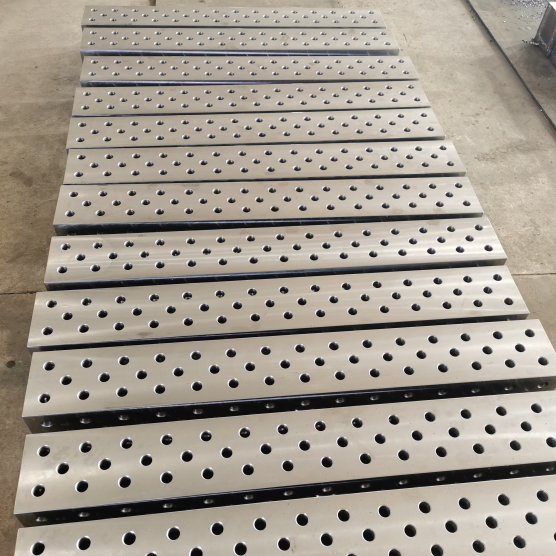
A welding machine table is a specialized work surface designed to support welding equipment, secure workpieces with high precision, and withstand extreme heat and spatter during fabrication. In 2026, the best options combine modular fixturing capabilities, durable steel construction, and integrated grounding systems to maximize efficiency for both automated cells and manual operations. Selecting the right table directly impacts weld accuracy, operator safety, and overall production throughput in modern manufacturing environments.
Understanding the Modern Welding Machine Table Ecosystem in 2026
The landscape of industrial fabrication has shifted dramatically by 2026. The demand for flexibility and precision has transformed the welding machine table from a simple metal slab into a sophisticated positioning system. Manufacturers now prioritize tables that support rapid changeovers for small-batch production, a trend driven by the automotive and consumer electronics sectors.
Current industry data suggests that setups utilizing modular fixturing on advanced tables reduce non-value-added time by significant margins. The integration of these tables with automated welding cells, including those featuring vision-guided robotics, requires surfaces with exceptional flatness and repeatability.
Furthermore, the rise of handheld laser welding technology has introduced new requirements for work surfaces. Unlike traditional arc welding, laser processes demand stricter control over reflectivity and thermal distortion. A modern welding machine table must therefore offer specific coatings or materials that mitigate laser reflection risks while maintaining structural integrity under high-energy density beams.
Key Evolution in Table Design Standards
Recent updates in fabrication standards emphasize modularity. The traditional fixed-hole pattern is being replaced by universal grid systems compatible with global clamping standards. This shift allows fabricators to utilize a single table for diverse projects, ranging from heavy structural steel to delicate aerospace components.
- Modular Grid Systems: Standardized hole patterns (e.g., D16, D28) allow for infinite positioning possibilities.
- Thermal Resistance: Enhanced alloy compositions prevent warping under continuous high-heat cycles.
- Integrated Grounding: Built-in copper busbars ensure consistent electrical contact, reducing arc instability.
- Ergonomic Height Adjustment: Electric lift mechanisms accommodate operators of varying statures, reducing fatigue.
The move toward “smart” tables is also gaining traction. Some premium models now include embedded sensors to monitor load distribution and thermal gradients, providing real-time feedback to the welding power source. While not yet ubiquitous, this technology represents the cutting edge of 2026 fabrication infrastructure.
Critical Technical Specifications for Selection
Choosing the optimal welding machine table requires a deep understanding of technical specifications that go beyond basic dimensions. The interplay between material thickness, hole tolerance, and surface treatment determines the table’s lifespan and performance capability.
Material selection is paramount. High-grade low-alloy steel remains the industry standard due to its balance of strength and machinability. However, the heat treatment process applied to the tabletop is equally critical. Normalizing or stress-relieving the steel ensures that the surface remains flat even after years of intense thermal cycling.
Surface Flatness and Hole Tolerance
Precision is the cornerstone of modern welding. A table with poor flatness introduces errors that compound during assembly, leading to out-of-tolerance final products. In 2026, top-tier manufacturers guarantee flatness within tight tolerances across the entire working surface.
Hole tolerance is another vital metric. The fit between the positioning pin and the table hole must be precise enough to prevent movement but loose enough to allow for easy insertion and removal. Excessive clearance leads to positioning errors, while excessive friction slows down the workflow.
- Flatness Tolerance: Look for specifications ensuring deviation of less than 0.5mm over a square meter for high-precision work.
- Hole Positioning Accuracy: Premium tables offer hole placement accuracy within ±0.1mm relative to the grid origin.
- Burr-Free Edges: Machined holes should be deburred to prevent damage to clamping tools and ensure smooth operation.
- Surface Hardness: A hardness rating of approximately 280-320 HB provides resistance to spatter adhesion and mechanical impact.
When evaluating a welding machine table, always request certification documents regarding these tolerances. Reputable Chinese manufacturers often provide third-party inspection reports verifying these metrics, ensuring transparency and trust in the procurement process.
Load Capacity and Structural Integrity
The static and dynamic load capacities define the weight limits a table can safely support. Static load refers to the weight placed on the table when stationary, while dynamic load accounts for forces generated during clamping, lifting, or robotic interaction.
Structural rigidity is achieved through robust leg designs and cross-bracing. Tables intended for heavy industrial use often feature box-section legs filled with damping material to reduce vibration. This is particularly important for automated systems where vibration can affect robot path accuracy.
For facilities integrating large gantry systems or heavy manipulators, the table’s foundation connection points are crucial. Anchor bolts must be sized correctly to prevent tipping or shifting during operation. The 2026 market offers customizable base options to match specific factory floor conditions.
Top Types of Welding Machine Tables Available in 2026
The market currently offers a diverse range of welding machine table configurations, each tailored to specific applications. Understanding the distinctions between these types is essential for making an informed purchasing decision that aligns with your production goals.
Modular 3D Welding Tables
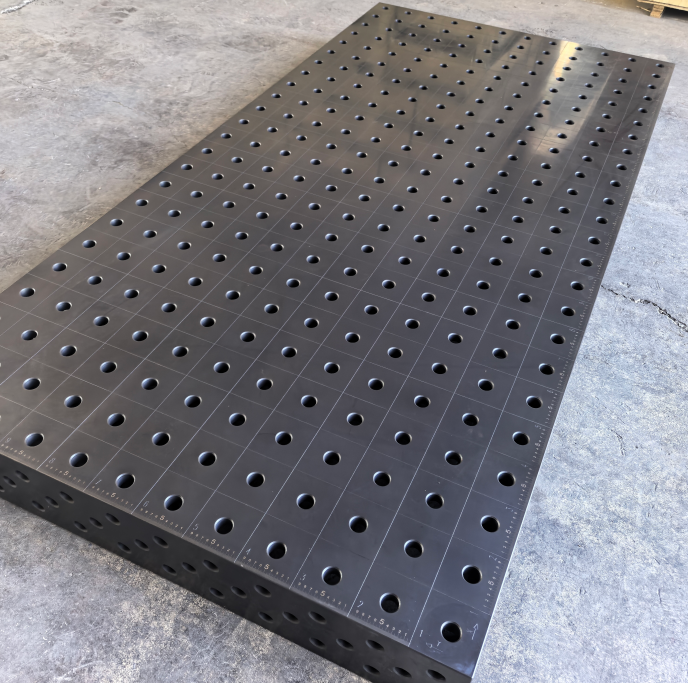
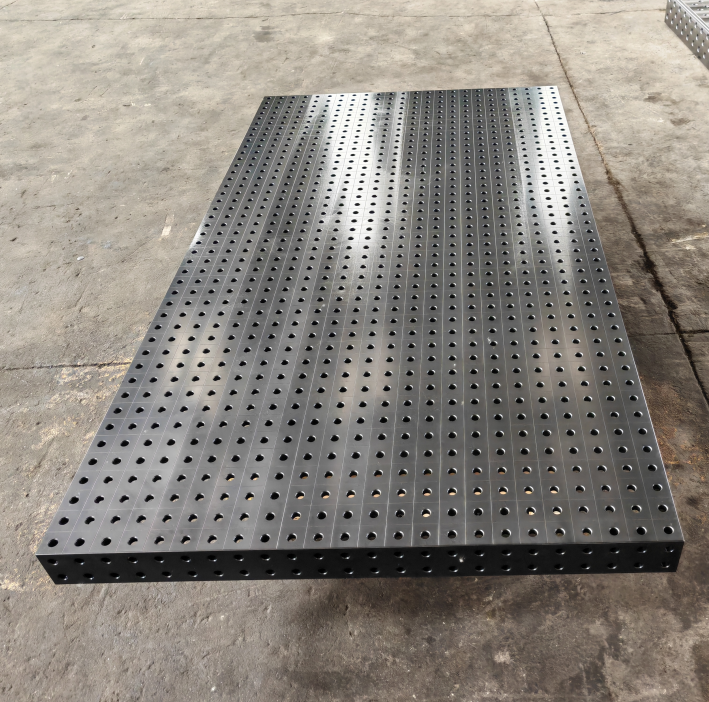
Modular 3D tables represent the gold standard for versatile fabrication. Featuring a grid of threaded or unthreaded holes on the top and sides, these tables allow for clamping and fixturing from multiple angles. This 3D accessibility is invaluable for complex assemblies requiring multi-axis alignment.
The versatility of modular tables supports a wide array of industries, from pipe fitting to sheet metal enclosure fabrication. The ability to quickly reconfigure fixtures makes them ideal for job shops handling high-mix, low-volume orders. In 2026, the availability of compatible tooling has expanded significantly, offering cost-effective solutions for nearly every clamping scenario.
Heavy-Duty Precision Surface Plates
For applications demanding extreme accuracy, heavy-duty surface plates are the preferred choice. These tables typically feature a thicker top plate and a more massive frame to minimize deflection. They are commonly used in aerospace and defense sectors where micron-level precision is non-negotiable.
Unlike modular tables, surface plates may have fewer holes or a different hole pattern optimized for specific metrology tasks. Their primary function is to serve as a reference plane for inspection and assembly. The investment in a high-quality surface plate often pays off through reduced scrap rates and improved product consistency.
Portable and Benchtop Welding Stations
Not every application requires a floor-standing giant. Portable and benchtop welding machine table units cater to smaller workshops, field service teams, and educational institutions. These compact units retain many features of their larger counterparts, such as modular hole patterns, but are designed for mobility.
Lightweight alloys and foldable leg designs characterize this category. Despite their smaller footprint, modern portable tables are engineered to handle substantial loads relative to their size. They are increasingly popular among contractors who need to transport their setup to client sites without sacrificing setup speed or precision.
Comparative Analysis: Leading Table Configurations
To assist in the decision-making process, the following comparison outlines the strengths and ideal use cases for the primary types of welding machine table configurations available in the current market.
| Configuration Type | Key Characteristics | Ideal Application Scenarios |
| Modular 3D Grid | Holes on top and sides, high versatility, extensive tooling ecosystem | Job shops, custom fabrication, complex assemblies, prototyping |
| Heavy-Duty Surface Plate | Thick top plate, minimal deflection, ultra-high flatness | Aerospace assembly, precision metrology, large structural welding |
| Portable/Benchtop | Lightweight, foldable, compact footprint, mobile | Field repairs, small batch production, training centers, limited space |
| Automated Cell Base | Reinforced structure, integrated grounding, robot mounting points | Robotic welding cells, high-volume repetitive production lines |
This table highlights that there is no single “best” table; rather, the optimal choice depends entirely on the specific workflow requirements. A job shop focusing on custom art pieces will benefit most from a modular 3D grid, whereas an automotive supplier running dedicated robotic cells will prioritize an automated cell base.
Cost-Benefit Considerations
Initial purchase price is only one component of the total cost of ownership. A cheaper table that warps after six months or lacks proper grounding can lead to significant downstream costs in rework and equipment damage. Conversely, investing in a premium welding machine table from a reputable manufacturer often yields a higher return on investment through longevity and productivity gains.
Consider the cost of compatible tooling as well. Some table systems utilize proprietary clamping mechanisms that can be expensive to expand. Open-standard systems, which accept widely available D16 or D28 tooling, generally offer better long-term value and flexibility.
Integration with Automated and Robotic Systems
As manufacturing moves towards Industry 4.0, the role of the welding machine table in automated cells has become increasingly critical. It is no longer just a passive support; it is an active component of the robotic ecosystem.
Robot Mounting and Calibration
Robots mounted directly onto the welding table require a rigid foundation to maintain calibration. Any flex in the table structure can cause the robot to drift from its programmed path, resulting in defective welds. Modern tables designed for robotics feature reinforced mounting pads and precise machining to ensure the robot base is perfectly level.
Calibration procedures often involve laser tracking to verify the relationship between the robot base and the table surface. Tables with known, certified geometries simplify this process, reducing setup time for new production runs. In 2026, many manufacturers provide digital twin files of their tables, allowing engineers to simulate cell layouts virtually before physical installation.
Safety and Interlocking Systems
Safety is paramount in automated environments. Advanced welding machine table setups now integrate with safety light curtains and area scanners. The table structure itself can house wiring channels for these sensors, keeping the workspace clean and reducing trip hazards.
Grounding is another critical safety aspect. Automated welding generates significant electrical noise that can interfere with robot controllers and sensors. Tables with dedicated, low-resistance grounding paths help dissipate this noise, protecting sensitive electronics and ensuring stable communication between devices.
- Cable Management: Integrated trays and conduits protect hoses and cables from spatter and mechanical damage.
- Spatter Protection: Removable shields and ceramic tiles protect the table surface and underlying components from molten metal.
- Fume Extraction Compatibility: Designs that accommodate downdraft extraction systems improve air quality and visibility.
Step-by-Step Guide to Optimizing Your Welding Setup
Maximizing the potential of your welding machine table involves more than just placing it on the floor. A systematic approach to setup and maintenance ensures optimal performance and longevity.
Step 1: Site Preparation and Leveling
Begin by selecting a location with a solid, level concrete floor capable of supporting the table’s weight plus the maximum expected load. Use a precision spirit level or laser level to check the floor flatness. If necessary, use shim packs under the table legs to achieve perfect leveling. An unlevel table can cause clamps to slip and affect weld quality.
Step 2: Grounding Installation
Establish a robust electrical ground connection. Attach a heavy-gauge copper cable from the table’s designated grounding point to the main facility ground bus. Ensure all connections are tight and free of paint or rust to minimize resistance. Test the continuity with a multimeter to verify a solid path.
Step 3: Tooling Organization and Layout
Organize your clamping and fixturing tools logically. Keep frequently used items within easy reach. Utilize shadow boards or magnetic strips attached to the table legs to store tools when not in use. A clutter-free workspace enhances safety and efficiency.
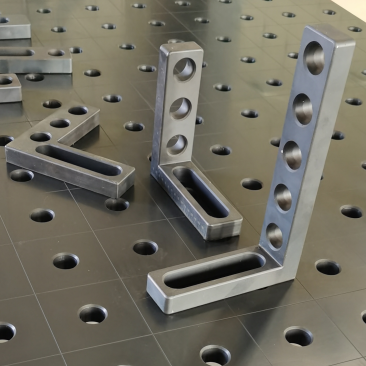
- Arrange stops and squares to create a reliable reference corner for repetitive parts.
- Label specific zones on the table for different project types if handling multiple jobs.
- Regularly inspect clamps for wear and replace damaged components immediately.
Step 4: Routine Maintenance and Cleaning
Implement a regular cleaning schedule to remove spatter and debris. Use anti-spatter spray before welding to make cleanup easier. Avoid using chisels or hammers directly on the precision surface, as this can cause nicks and dents that compromise flatness. Instead, use specialized spatter removal tools or chemical cleaners designed for welding tables.
Advantages and Disadvantages of Modular vs. Fixed Tables
Understanding the trade-offs between modular and fixed welding machine table designs helps in aligning the purchase with specific operational needs.
- Advantages of Modular Tables:
- Unmatched flexibility for diverse part geometries.
- Scalable tooling ecosystem allows for future expansion.
- 3D clamping capabilities enable complex assemblies.
- Higher resale value due to broad market appeal.
- Disadvantages of Modular Tables:
- Higher initial investment compared to basic fixed tables.
- Requires training for operators to utilize full potential.
- Holes can become clogged with spatter if not properly maintained.
- Advantages of Fixed Tables:
- Lower upfront cost suitable for budget-conscious buyers.
- Simpler design with fewer moving parts or accessories.
- Ideal for dedicated, single-purpose production lines.
- Disadvantages of Fixed Tables:
- Limited adaptability to new or changing product designs.
- Often lack side clamping options, restricting setup possibilities.
- Lower precision tolerances compared to premium modular systems.
For businesses anticipating growth or diversification, the modular approach is generally recommended despite the higher initial cost. The ability to adapt to new challenges without purchasing entirely new infrastructure is a strategic advantage in a volatile market.
Sourcing from China: Quality Indicators and Price Trends
China remains the global hub for manufacturing welding machine table solutions, offering a wide spectrum of quality and price points. Navigating this market requires attention to specific quality indicators to ensure you receive a product that meets international standards.
Identifying Reputable Manufacturers
When sourcing from China, look for manufacturers with established export histories and certifications such as ISO 9001. Reputable suppliers will provide detailed technical drawings, material certificates, and videos of their production processes. Be wary of prices that seem too good to be true, as they often indicate inferior steel quality or lax quality control.
Direct communication with the engineering team is advisable. Ask specific questions about their heat treatment processes, machining tolerances, and quality assurance protocols. A confident manufacturer will readily provide this information and may even offer third-party inspection services prior to shipment.
2026 Pricing Dynamics
In 2026, pricing for welding machine table units is influenced by raw material costs, particularly steel, and logistics expenses. While competition keeps prices competitive, there is a clear correlation between price and performance. Entry-level tables may start at lower price points, but professional-grade modular systems command a premium reflecting their precision and durability.
Bulk ordering often yields significant discounts, making it a viable strategy for distributors or large facilities outfitting multiple cells. Additionally, many Chinese manufacturers now offer customized branding and minor design modifications for bulk orders, adding value for resellers.
- Entry-Level: Suitable for hobbyists and light repair work; basic steel construction.
- Mid-Range: Good for general fabrication shops; decent flatness and standard hole patterns.
- Premium: Designed for high-precision and automated applications; certified tolerances and advanced features.
Real-World Application Cases
Examining real-world scenarios illustrates the tangible benefits of investing in a high-quality welding machine table.
Case Study: Automotive Component Supplier
An automotive supplier specializing in exhaust systems faced challenges with consistency in their manual welding cells. By transitioning to a precision modular welding machine table with custom fixtures, they reduced setup time by 40% and eliminated fit-up issues. The standardized referencing allowed different shifts to produce identical parts, significantly lowering scrap rates.
Case Study: Custom Metal Art Studio
A studio creating large-scale metal sculptures struggled with the limitations of their traditional workbenches. The adoption of a large-format 3D welding table enabled them to clamp complex geometric shapes from multiple angles simultaneously. This flexibility accelerated their prototyping phase and allowed for more intricate designs that were previously impossible to assemble accurately.
Case Study: Educational Training Center
A technical college upgraded its welding lab with portable welding machine table units. The mobility allowed instructors to rearrange the classroom layout for different lessons quickly. Students benefited from learning on industry-standard equipment, improving their readiness for the workforce. The durability of the tables withstood the rigorous use typical of a training environment.
Future Trends in Welding Table Technology
Looking beyond 2026, several emerging trends are poised to further revolutionize the welding machine table market. These innovations aim to enhance connectivity, sustainability, and user experience.
Smart Connectivity and IoT Integration
The integration of Internet of Things (IoT) sensors will become more prevalent. Future tables may monitor usage patterns, predict maintenance needs, and even adjust lighting or extraction systems based on the welding activity detected. This data-driven approach will enable predictive maintenance, minimizing downtime and extending equipment life.
Sustainable Manufacturing Practices
Environmental considerations are driving changes in manufacturing processes. Expect to see more tables made from recycled steel and coated with eco-friendly, non-toxic finishes. Manufacturers are also optimizing designs to reduce material waste during production, aligning with global sustainability goals.
Advanced Material Coatings
Research into new surface coatings aims to create tables that are virtually immune to spatter adhesion and corrosion. These super-hydrophobic or ceramic-based coatings could eliminate the need for anti-spatter sprays, reducing chemical usage and cleanup time. Such advancements would represent a significant leap forward in operational efficiency.
Conclusion: Making the Right Investment for 2026 and Beyond
Selecting the right welding machine table is a strategic decision that influences productivity, quality, and safety for years to come. As we navigate through 2026, the emphasis on precision, flexibility, and integration with automation continues to grow. Whether you are outfitting a high-tech robotic cell or a versatile job shop, the market offers solutions tailored to your specific needs.
Prioritize manufacturers who demonstrate a commitment to quality through transparent specifications and robust testing. Consider the total cost of ownership, including tooling compatibility and maintenance requirements, rather than focusing solely on the initial purchase price. By investing in a high-quality welding machine table, you lay the foundation for a resilient and efficient fabrication operation capable of meeting the demands of the modern industrial landscape.
The evolution of welding technology dictates that our support structures must evolve in tandem. Embrace the advancements available in 2026 to unlock new levels of craftsmanship and operational excellence. With the right table, your welding capabilities are limited only by your imagination and skill.