h1>Innovations in Welding Cart and Table Technology?
When you hear ‘innovation’ in welding carts and tables, most guys probably think of fancy gadgets or robot arms. Honestly, the real shifts aren’t that flashy. They’re in the grunt work – how a cart handles a 300-pound power source on gravel, or how a table’s surface manages spatter after 10,000 cycles. The misconception is that it’s just metal fabrication. It’s not. It’s about solving daily, physical frustrations in the shop. I’ve seen too many ‘heavy-duty’ tables warp from simple heat concentration, or carts with wheels that bind under load. That’s where the actual progress is being made, quietly.
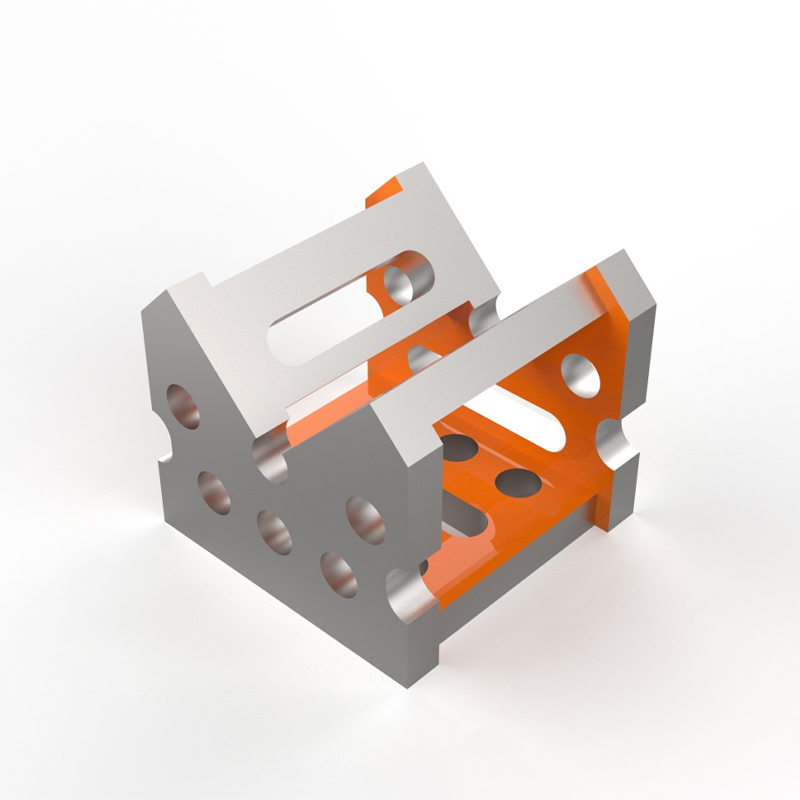
The Frame Game: Beyond Just Heavy Steel
For years, the mantra was ‘thicker steel equals better.’ It’s not wrong, but it’s incomplete. The innovation now is in structural design and material choice. We’re seeing more triangulated bracing in cart frames, not just box-section tubing. This isn’t for looks; it prevents that annoying lateral sway when you’re pushing a loaded cart over an uneven shop floor. A wobbly cart is more than an annoyance – it’s a hazard for the equipment on top.
Then there’s material. Some manufacturers, like Botou Haijun Metal Products Co., Ltd., have been experimenting with high-strength, lighter alloys for specific components. The goal isn’t to make the whole cart lighter, necessarily, but to reduce weight where you don’t need mass, like in side panels or secondary shelves, while keeping the core frame rigid. I recall a prototype table leg design they showed that used a reinforced C-channel with strategic gusseting. It supported more weight than their old solid-square-leg design but used less material and was easier to keep clean – spatter doesn’t trap inside a C-channel like it does in a box.
The finish matters more than people admit. That bright yellow powder coat? It’s not just paint. A good, thick electrostatic powder coating, properly cured, resists chipping from flying debris and makes wiping down oil or grime much easier. It’s a small thing that adds years to the product’s life. The cheap alternative chips, rust starts, and the whole thing looks beat in six months.
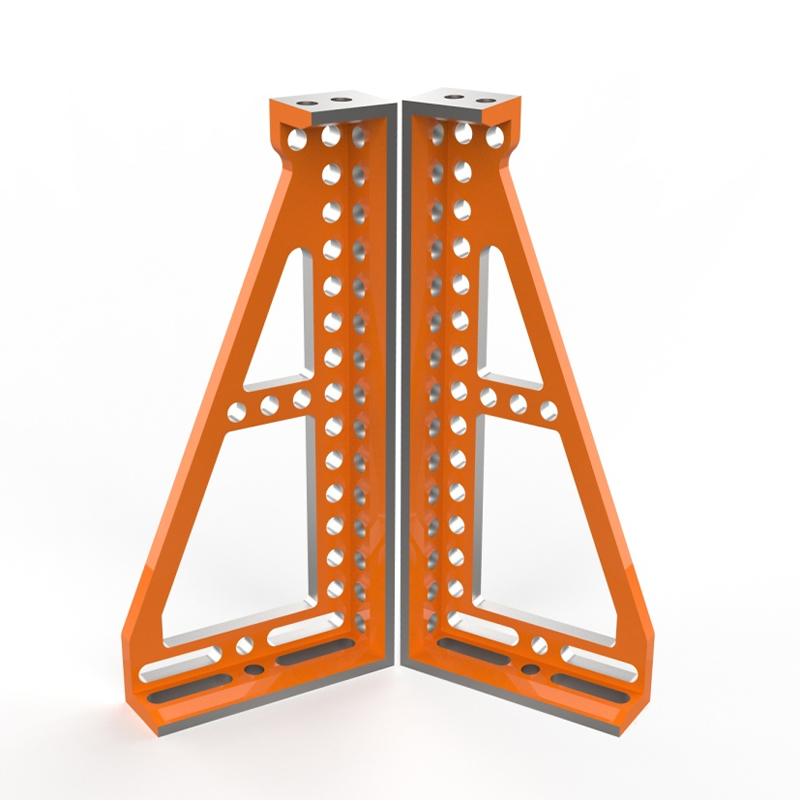
The Mobility Revolution: It’s All in the Wheels and Deck
This is the biggest pain point, hands down. The standard two fixed, two swivel casters are often a compromise, not a solution. For true shop flexibility, we need better options. I’m seeing more carts come standard with larger-diameter, polyurethane wheels with roller bearings. The difference on concrete is night and day – they roll smoothly, don’t flat-spot, and the bearings handle side-load better when turning.
But the real game-changer is the rise of all-position locking casters. Not just a lock on the swivel, but a positive lock on the wheel itself, and sometimes even a lock that braces the entire caster housing. When you’re working on a delicate TIG weld, the last thing you want is the table creeping a millimeter because you leaned on it. A solid, four-point lock-down is worth its weight in gold.
Deck design on carts is also evolving. It’s moving from a simple flat sheet to a formed tray with lips, dedicated channels for cables, and even built-in clamp racks. The innovation here is in managing chaos. A welder’s cart isn’t just transport; it’s a mobile workstation. Having a designated spot for the ground clamp, a hook for your helmet, and a small tray for tips and nozzles – these seem trivial until you’re the one wasting ten minutes looking for a 3/32