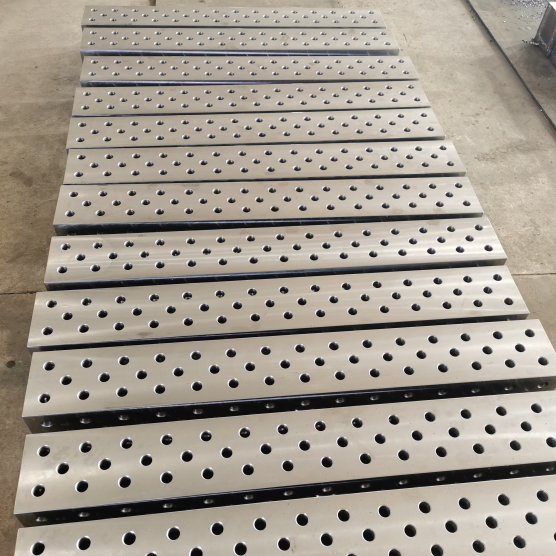
Finding the best welding cart in 2026 requires balancing load capacity, terrain adaptability, and modular storage for modern inverter-based machines. A welding cart is a mobile workstation designed to safely transport welding power sources, gas cylinders, and accessories while providing a stable platform for operation. The top picks for this year prioritize lightweight yet durable steel alloys, pneumatic tires for rough shop floors, and customizable racks that accommodate both traditional transformer units and compact digital welders from leading China manufacturers.
Why the Best Welding Cart Matters in 2026
The landscape of welding equipment has shifted dramatically with the widespread adoption of multi-process inverter machines. These units are significantly lighter than their predecessors but often come with delicate electronic components that require shock-absorbing transport solutions. In 2026, the definition of the best welding cart has evolved from a simple two-wheel dolly to a comprehensive mobile command center.
Professional fabricators and DIY enthusiasts alike face new challenges. Shops are dealing with mixed fleets of equipment, including MIG, TIG, Stick, and Plasma cutters. A generic cart often fails to secure gas cylinders properly or lacks the shelf space for wire feeders and foot pedals. The right cart enhances workflow efficiency by reducing setup time and preventing equipment damage during transit across uneven concrete or outdoor job sites.
Furthermore, safety regulations regarding gas cylinder storage and transport have tightened globally. Modern carts must feature dedicated chains or straps to secure tanks, preventing them from becoming dangerous projectiles. When selecting a cart, buyers must consider not just the price, but the total cost of ownership, including durability and adaptability to future equipment upgrades.
Key Features Defining Top-Tier Carts
To identify the best welding cart for your specific needs, you must evaluate several critical engineering factors. The market in 2026 offers a wide range of options, from budget-friendly imports to heavy-duty industrial-grade platforms. Here are the non-negotiable features that separate premium models from inferior ones:
- Load Capacity and Stability: The frame must support at least 300 lbs without tipping. Look for a low center of gravity design.
- Wheel Configuration: Pneumatic (air-filled) tires are essential for outdoor use, while solid polyurethane wheels suit clean indoor environments.
- Modular Shelving: Adjustable shelves allow accommodation of different machine sizes and accessory boxes.
- Cylinder Security: Integrated chains, straps, or cradles specifically designed for standard high-pressure gas tanks.
- Material Quality: High-grade carbon steel with powder-coated finishes resists sparks, UV degradation, and corrosion.
Top Picks: Best Welding Cart Categories by Budget
Selecting the right cart depends heavily on your budget and intended application. We have categorized the top recommendations into three distinct tiers based on value density—the ratio of proven field performance to cost. This approach ensures that whether you are a hobbyist or running a large-scale fabrication shop, you find a solution that delivers reliability without overspending.
Budget-Friendly Options for Hobbyists
For entry-level users, the focus is on affordability and basic functionality. These carts typically utilize thinner gauge steel and smaller wheels but still provide adequate support for light-duty inverter welders. They are ideal for home garages where the terrain is smooth and the equipment is relatively lightweight.
Many of these models originate from efficient manufacturing hubs in China, offering competitive pricing without sacrificing fundamental safety features. Key characteristics include a two-wheel design with a kickstand, a single lower shelf for the power source, and an upper rack for the gas cylinder. While they may lack heavy-duty reinforcement, they are perfectly sufficient for occasional weekend projects.
When evaluating budget options, prioritize weld quality at the joints. Poorly welded frames can crack under stress. Look for models that specify a minimum load rating of 150 lbs. Even at a lower price point, the cart should include a basic chain or strap for cylinder security, as this is a critical safety requirement regardless of cost.
Mid-Range Professional Grade Carts
The mid-range segment represents the sweet spot for serious fabricators and small business owners. These carts offer a significant upgrade in durability and versatility. They often feature four-wheel configurations for enhanced stability and larger pneumatic tires capable of handling rougher shop floors or outdoor construction sites.
Models in this category frequently include additional features such as side trays for holding helmets and grinders, rear handles for better maneuverability, and reinforced gussets at stress points. The shelving is often adjustable, allowing users to reconfigure the layout based on the specific welder being transported. This flexibility is crucial for shops that rotate between different processes like MIG and TIG welding.
Manufacturers in this tier are increasingly adopting advanced powder-coating technologies that provide superior resistance to heat and impact. The finish is not just aesthetic; it serves as a protective barrier against the harsh environment of a welding shop. Investment in a mid-range cart often pays off within a year through improved workflow efficiency and reduced risk of equipment damage.
Heavy-Duty Industrial Solutions
For large-scale industrial applications, only the most robust solutions will suffice. Heavy-duty welding carts are engineered to transport multiple gas cylinders, large transformer-based machines, and extensive accessory kits simultaneously. These units are built with thick-walled tubing and undergo rigorous stress testing to ensure longevity in demanding environments.
Industrial carts often feature customizability as a standard option. Users can add toolboxes, cup holders, and specialized mounts for plasma cutters or oxygen-acetylene rigs. The wheel systems on these carts are designed for maximum load distribution, often utilizing swivel casters with locking mechanisms to create a stationary workbench when needed.
Safety is paramount in this category. Top-tier industrial carts comply with strict international standards for gas cylinder transport. They include redundant securing mechanisms and fail-safe designs to prevent accidents. While the initial investment is higher, the lifespan of these carts often exceeds a decade, making them a cost-effective choice for high-volume operations.
Technical Analysis: Frame Design and Material Science
The backbone of any best welding cart is its frame. Understanding the materials and construction methods used in 2026 helps buyers make informed decisions. The industry has moved beyond simple angle iron constructions to more sophisticated tubular designs that offer better strength-to-weight ratios.
Steel Grades and Coatings
Most high-quality carts are constructed from cold-rolled carbon steel. This material offers excellent tensile strength and weldability. In recent years, there has been a shift towards using high-strength low-alloy (HSLA) steels in premium models. These alloys provide greater durability without adding excessive weight, which is crucial for manual maneuverability.
The finishing process is equally important. Standard paint jobs quickly chip and rust when exposed to welding spatter and moisture. The best welding cart manufacturers now employ electrostatic powder coating. This method creates a uniform, thick layer that bonds chemically to the metal surface. Some advanced coatings even include ceramic additives to enhance heat resistance, protecting the frame from stray arcs and hot slag.
Corrosion resistance is another critical factor, especially for carts used in outdoor environments or humid coastal regions. Galvanized components or zinc-rich primers are often used in conjunction with powder coating to provide a dual layer of protection. This attention to detail ensures that the cart remains structurally sound and aesthetically pleasing for years.
Welding Quality and Structural Integrity
The joints where metal pieces meet are the most vulnerable points in any fabricated structure. In inferior carts, these joints may be tack-welded or poorly penetrated, leading to premature failure. Top manufacturers utilize automated robotic welding systems to ensure consistent penetration and bead quality.
Reinforcement gussets are a hallmark of well-designed carts. These triangular plates are welded into corners to distribute stress and prevent racking or twisting under load. When inspecting a cart, look for continuous welds rather than intermittent ones. Continuous welds provide superior strength and reduce the likelihood of cracks forming over time due to vibration and impact.
Design ergonomics also play a role in structural integrity. A well-balanced cart reduces the strain on the frame during tilting and rolling. The placement of the axle relative to the center of gravity is calculated to ensure that the cart does not tip forward when loaded with heavy cylinders. This engineering precision is what distinguishes professional-grade equipment from generic alternatives.
Wheel Systems: Navigating Different Terrains
The mobility of a welding cart is entirely dependent on its wheel system. Choosing the wrong wheels can render even the sturdiest frame useless if it cannot be moved easily across the intended surface. In 2026, the variety of wheel options available allows users to tailor their cart to specific environmental conditions.
Pneumatic vs. Solid Tires
Pneumatic tires, filled with air, remain the gold standard for versatility. They provide excellent shock absorption, protecting sensitive welding electronics from bumps and vibrations. These tires are indispensable for outdoor use, as they can roll over gravel, dirt, and uneven concrete with minimal effort. However, they carry the risk of punctures and require periodic maintenance to check air pressure.
Solid tires, made from polyurethane or hard rubber, offer a maintenance-free alternative. They are immune to flats and are ideal for clean, indoor shop environments where debris is minimal. While they provide less cushioning than pneumatic tires, modern solid compounds have improved significantly in terms of ride comfort. They are also generally narrower, which can be advantageous in tight spaces.
For users who operate in mixed environments, some manufacturers offer hybrid solutions or interchangeable wheel axles. This allows the owner to swap between pneumatic and solid tires depending on the job site requirements. This level of modularity adds long-term value to the cart, extending its usable life across different scenarios.
Swivel Casters and Maneuverability
Four-wheel carts often incorporate swivel casters to enhance maneuverability. These allow the cart to pivot 360 degrees, making it easy to navigate around obstacles and position precisely next to a workpiece. Locking mechanisms on swivel casters are essential for converting the cart into a stable workstation.
The size of the wheels also impacts performance. Larger diameter wheels (10 inches or more) roll over obstacles more easily than smaller ones. They require less force to initiate movement, reducing user fatigue. When evaluating a cart, consider the width of the wheels as well. Wider wheels provide better stability on soft ground but may be too wide for narrow doorways or aisles.
Bearing quality within the wheel hubs is another often-overlooked detail. Sealed ball bearings ensure smooth rolling and protect internal components from dust and welding fumes. Cheap plastic bushings can seize up quickly in a dirty shop environment, making the cart difficult to push. Investing in high-quality wheel assemblies pays dividends in daily usability.
Comparison of Leading Welding Cart Models
To help you decide which option qualifies as the best welding cart for your situation, we have compiled a comparison of representative models available in the 2026 market. This table highlights the key differences in capacity, features, and ideal usage scenarios.
| Model Category | Key Features | Ideal Application |
| Entry-Level Two-Wheel | Lightweight steel frame, 8-inch solid wheels, basic cylinder chain, fixed shelf. | Home garages, light DIY projects, smooth indoor floors. |
| Mid-Range Four-Wheel | Reinforced gussets, 10-inch pneumatic tires, adjustable shelves, side tool tray. | Small fabrication shops, mixed indoor/outdoor use, multi-process welding. |
| Heavy-Duty Industrial | Thick-walled tubing, 12-inch premium pneumatic tires, dual cylinder capacity, locking swivel casters. | Large industrial facilities, construction sites, transporting heavy transformers. |
| Modular Customizable | Interchangeable components, accessory mounting points, expandable frame, high-end coating. | Specialized contractors, rental fleets, evolving equipment needs. |
This comparison illustrates that there is no single “best” cart for everyone. The optimal choice depends on the specific constraints of your workspace and the nature of your welding tasks. Entry-level models provide excellent value for occasional users, while industrial units justify their cost through durability and capacity.
Detailed Pros and Cons Analysis
Understanding the trade-offs involved in each category is crucial for making a smart purchase. Below is a breakdown of the advantages and disadvantages associated with the primary types of welding carts found in the current market.
- Two-Wheel Carts:
- Pros: Highly maneuverable in tight spaces, lower cost, simpler design with fewer parts to break, easy to store vertically.
- Cons: Less stable when stationary, requires lifting to move over obstacles, limited storage capacity for accessories.
- Four-Wheel Carts:
- Pros: Superior stability, easier to roll over rough terrain, larger storage area, can serve as a mobile workbench.
- Cons: Wider footprint may not fit in narrow aisles, higher price point, more complex assembly, heavier to transport in a vehicle.
- Pneumatic Tire Systems:
- Pros: Excellent shock absorption, superior traction on uneven surfaces, smoother ride for equipment.
- Cons: Risk of flat tires, requires maintenance, slightly higher rolling resistance on very smooth floors.
- Solid Tire Systems:
- Pros: Maintenance-free, immune to punctures, consistent performance, often lighter.
- Cons: Harsher ride, less traction on loose surfaces, can transmit more vibration to the welder.
Assembly and Setup Guide
Most welding carts arrive partially assembled to reduce shipping volume and costs. Proper assembly is critical to ensure the structural integrity and safety of the unit. Following a systematic approach can save time and prevent common mistakes that might compromise the cart’s performance.
- Step 1: Inventory and Inspection: Before starting, lay out all parts and hardware. Compare them against the packing list and instruction manual. Check for any shipping damage such as bent frames or missing components. Contact the manufacturer immediately if discrepancies are found.
- Step 2: Frame Assembly: Begin by bolting together the main frame sections. Do not fully tighten the bolts initially. Allow for slight adjustments to ensure all holes align correctly. Use a square to verify that the frame is perpendicular and not twisted.
- Step 3: Wheel Installation: Attach the axle and wheels according to the instructions. Ensure that washers and lock nuts are used to prevent loosening due to vibration. If the cart has swivel casters, verify that they rotate freely and lock securely.
- Step 4: Shelf and Accessory Mounting: Install the shelves and any additional trays or holders. Adjust the height of the shelves to accommodate your specific welding machine and gas cylinders. Tighten all fasteners securely once the configuration is finalized.
- Step 5: Safety Check: Perform a final inspection of all welds and connections. Test the stability by loading the cart with weights similar to your actual equipment. Ensure the gas cylinder retention system functions correctly and holds the tank firmly in place.
Using thread-locking fluid on critical bolts is a recommended best practice. This prevents vibrations from loosening the hardware over time, which is a common issue in welding environments. Additionally, periodically checking the tightness of connections should be part of routine maintenance.
Real-World Applications and Case Studies
The versatility of the best welding cart is best understood through real-world applications. Different industries leverage these mobile platforms in unique ways to enhance productivity and safety. Examining these use cases provides insight into how specific features translate to practical benefits.
Mobile Repair Services
Technicians who provide on-site repair services rely heavily on portable welding solutions. For them, a lightweight yet durable cart is essential. They often operate in unpredictable environments ranging from clean factory floors to muddy construction sites. A cart with large pneumatic tires and a compact footprint allows them to navigate stairs and narrow corridors easily.
In one case study, a pipeline maintenance team utilized a customized four-wheel cart equipped with extra storage for grinding tools and safety gear. The ability to roll their entire setup directly to the repair site reduced setup time by 40%. The integrated cylinder security prevented accidents while working on uneven ground, demonstrating the critical role of proper equipment transport in hazardous environments.
Educational Institutions
Vocational schools and training centers face the challenge of managing multiple students and varying skill levels. Durability and ease of cleaning are paramount in these settings. Carts used in education must withstand frequent movement, accidental impacts, and exposure to a wide range of materials.
Many institutions have adopted heavy-duty carts with removable shelves. This design facilitates easy cleaning of metal shavings and spatter that accumulate during student exercises. The robust construction ensures that the carts survive years of rigorous use by novices. Furthermore, the standardized layout helps instructors teach proper equipment handling and safety protocols consistently.
Artistic Fabrication Studios
Metal artists often require a high degree of customization to support their creative processes. Their carts need to hold not just welding gear but also cutting tools, clamps, and finished pieces. Aesthetic considerations may also play a role, with some artists preferring carts with a specific finish or design that complements their studio.
A notable example involves a sculptor who modified a standard industrial cart with magnetic tool holders and extended shelving. This adaptation allowed for a fluid workflow where tools were always within reach, enabling complex assemblies without constant interruption. The mobility of the cart allowed the artist to move large sculptures around the studio safely, highlighting the adaptability of modern welding carts.
Maintenance and Longevity Tips
Investing in a high-quality welding cart is only the first step. To ensure it remains the best welding cart for your needs over the long term, regular maintenance is essential. The harsh conditions of a welding shop can take a toll on any equipment, but proactive care can significantly extend its service life.
- Routine Cleaning: Regularly remove welding spatter, dust, and debris from the cart. Spatter can adhere to the powder coating and eventually cause corrosion if left unchecked. Use a wire brush or scraper gently to remove buildup without damaging the finish.
- Lubrication: Apply lubricant to wheel bearings and swivel caster mechanisms periodically. This ensures smooth rolling and prevents seizing. Use a high-temperature grease if the cart is exposed to significant heat.
- Bolt Tightening: Vibration from moving the cart and operating nearby machinery can loosen bolts. Check all fasteners every few months and retighten them as necessary. Replace any stripped or damaged hardware immediately.
- Tire Care: For pneumatic tires, maintain the correct air pressure. Under-inflated tires increase rolling resistance and wear out faster. Inspect solid tires for cracks or chunks missing, which can affect stability.
- Coating Touch-Ups: If the powder coating gets chipped or scratched, touch up the area with a matching paint or clear coat to prevent rust. Early intervention stops corrosion from spreading underneath the finish.
Proper storage also contributes to longevity. When not in use, store the cart in a dry location away from direct exposure to rain or humidity. Covering the cart with a tarp or dedicated cover can protect it from dust and accidental spills. Treating your welding cart with care ensures it remains a reliable partner in your fabrication projects for years to come.
Future Trends in Welding Cart Design
As welding technology continues to evolve, so too will the design of supporting equipment like carts. Looking ahead, several trends are emerging that promise to further enhance the functionality and efficiency of these mobile platforms. Staying informed about these developments can help buyers future-proof their investments.
One significant trend is the integration of smart features. Imagine carts equipped with RFID tags for inventory tracking or sensors that monitor load weight and stability. While currently niche, such technologies could become standard in industrial settings where asset management is critical. Additionally, modular designs that allow for infinite configurability will likely gain popularity as workshops seek to maximize space utilization.
Sustainability is another driving force. Manufacturers are increasingly exploring eco-friendly materials and production methods. Recycled steel frames and non-toxic coating processes are becoming more common. As environmental regulations tighten, the best welding cart will not only be defined by its performance but also by its environmental footprint.
Finally, the rise of collaborative robots (cobots) in welding may influence cart design. Future carts might include mounting points specifically designed for cobot arms, creating fully mobile automated welding cells. This convergence of mobility and automation represents the next frontier in welding support equipment, offering unprecedented flexibility for modern manufacturers.
Conclusion: Making the Right Choice
Selecting the best welding cart in 2026 is a decision that impacts your daily workflow, safety, and equipment longevity. By understanding the nuances of frame construction, wheel systems, and load capacities, you can choose a cart that perfectly aligns with your specific requirements. Whether you opt for a budget-friendly model for home use or a heavy-duty industrial solution for professional applications, the key lies in matching the cart’s features to your operational reality.
Remember that the cheapest option is not always the most cost-effective in the long run. Investing in a cart with superior build quality and thoughtful design features can save money on repairs and replacements down the line. Prioritize safety features like cylinder retention and stable wheel configurations to protect both your personnel and your valuable welding equipment.
As the industry continues to innovate, staying informed about the latest advancements will ensure you remain at the forefront of efficiency. With the right welding cart, you transform a static piece of equipment into a dynamic asset that moves with you, adapting to every challenge your projects present. Make your choice wisely, and let your welding cart be the foundation of a safer, more productive workshop.