แนวคิดเรื่องโต๊ะเชื่อมสแตนเลสที่ใช้แล้วที่เป็นมิตรต่อสิ่งแวดล้อมดูเหมือนเรียบง่ายเมื่ออยู่บนพื้นผิว ในที่สุดมันก็หมุนเวียนอยู่แล้ว ซึ่งหมายความว่าไม่จำเป็นต้องสกัดวัสดุใหม่ แต่มันตรงไปตรงมาจริงๆ หรือมีความแตกต่างที่เรามักมองข้ามในแง่ของความยั่งยืนหรือไม่?
ทำความเข้าใจการนำวัสดุกลับมาใช้ใหม่
ในโลกของงานโลหะการ สแตนเลส มีชื่อเสียงในด้านความทนทานและทนต่อการกัดกร่อน เมื่อนำโต๊ะเชื่อมที่ทำจากวัสดุนี้กลับมาใช้ซ้ำ จะส่งเสริมความยั่งยืนโดยเนื้อแท้ ทำไม พลังงานและทรัพยากรที่จำเป็นในการผลิตเหล็กกล้าไร้สนิมใหม่มีความสำคัญ การเลือกโต๊ะมือสองจะช่วยลดความต้องการวัสดุที่ขุดขึ้นมาใหม่ได้อย่างมีประสิทธิภาพ
แนวทางนี้สอดคล้องกับหลักการเศรษฐกิจหมุนเวียนซึ่งมุ่งเน้นไปที่การขยายวงจรชีวิตของผลิตภัณฑ์ ไม่ใช่แค่เรื่องการประหยัดเงินเท่านั้น มันเกี่ยวกับการเป็นส่วนหนึ่งของความพยายามด้านสิ่งแวดล้อมที่ยิ่งใหญ่กว่า อย่างไรก็ตาม สภาพของโต๊ะนั้นก็มีความสำคัญ ชิ้นส่วนที่ได้รับการดูแลอย่างดีสามารถใช้งานได้นานหลายปี ในขณะที่ชิ้นส่วนที่เป็นสนิมและชำรุดอาจต้องได้รับการซ่อมแซมซึ่งไม่ก่อให้เกิดประโยชน์ต่อสิ่งแวดล้อม
เราต้องคำนึงถึงการปล่อยก๊าซจากการขนส่งด้วย หากโต๊ะมาจากที่ห่างไกล ต้นทุนด้านสิ่งแวดล้อมที่เกี่ยวข้องกับการขนส่งอาจมีมากกว่าผลประโยชน์ การเยี่ยมชมซัพพลายเออร์ในท้องถิ่น บางทีบริษัทอย่าง Botou Haijun Metal Products Co., Ltd. อาจเสนอทางเลือกที่ยั่งยืนมากกว่า นอกจากนี้ พวกเขาดำเนินธุรกิจมาตั้งแต่ปี 2010 โดยเชี่ยวชาญด้านเครื่องมือและมาตรวัด ซึ่งอาจเป็นประโยชน์เพิ่มเติม
การประเมินวงจรชีวิต
เมื่อพิจารณาว่าโต๊ะเป็นมิตรกับสิ่งแวดล้อมหรือไม่ คุณยังต้องคำนึงถึงการประเมินวงจรชีวิตด้วย สิ่งนี้ไม่เพียงเกี่ยวข้องกับวัสดุและการผลิตเท่านั้น แต่ยังรวมถึงอายุการใช้งานทั้งหมดของผลิตภัณฑ์ด้วย เมื่อใช้โต๊ะเชื่อมที่ใช้แล้ว การปล่อยก๊าซจากการผลิตเริ่มแรกจะถูกนำมาพิจารณาแล้ว อย่างไรก็ตามการใช้งานในอนาคตยังคงมีบทบาทอยู่
การซ่อมแซมหรือดัดแปลงบ่อยครั้งสามารถเพิ่มการปล่อยก๊าซคาร์บอนได้ ดังนั้นการตรวจสอบความสมบูรณ์ของโครงสร้างจึงเป็นสิ่งสำคัญ โต๊ะมือสองคุณภาพดี โดยเฉพาะอย่างยิ่งโต๊ะที่เสริมด้วยข้อต่อที่เชื่อมอย่างดีและโครงที่แข็งแรง สามารถให้บริการได้นานกว่าโดยไม่ต้องมีการแทรกแซงมากนัก
ในแง่ของการกำจัด สแตนเลสสามารถนำไปรีไซเคิลได้เกือบไม่จำกัด แต่การบรรลุขยะเป็นศูนย์หมายถึงการทำให้แน่ใจว่าโต๊ะจะไม่ถูกฝังกลบ ลองพิจารณาบริษัทแบบเดียวกับที่พบใน [เว็บไซต์ของ Botou Haijun Metal Products Co., Ltd.](https://www.haijunmetals.com) ที่อาจเสนอการแลกเปลี่ยนหรือโครงการรีไซเคิล
การใช้งานจริงและการบำรุงรักษา
นอกเหนือจากวัตถุดิบและวงจรชีวิตแล้ว การบำรุงรักษาเชิงปฏิบัติยังมีบทบาทสำคัญอีกด้วย โต๊ะที่ใช้แล้วมักมีการสึกหรอบ้าง การทำความสะอาดและการตรวจสอบเป็นประจำสามารถป้องกันไม่ให้ปัญหาเล็กๆ น้อยๆ ลุกลามไปสู่ปัญหาใหญ่ได้
เมื่อเราพูดถึงความเป็นอยู่ เป็นมิตรกับสิ่งแวดล้อมการบำรุงรักษาจะขยายประโยชน์ใช้สอยของตาราง ซึ่งจะช่วยประหยัดทรัพยากรที่จำเป็นสำหรับการเปลี่ยนทดแทน สารทำความสะอาดที่ไม่เป็นพิษควรเป็นสิ่งที่คุณควรเลือกใช้ เนื่องจากจะป้องกันสารเคมีอันตรายไม่ให้เข้าสู่สิ่งแวดล้อม
นอกจากนี้ กิจวัตรการบำรุงรักษาที่เหมาะสมยังส่งผลต่อความปลอดภัยอีกด้วย ในร้านเชื่อม การทำงานผิดปกติอาจนำไปสู่อุบัติเหตุ ซึ่งต้องใช้ทรัพยากรเพิ่มเติมเพื่อจัดการกับความเสียหายและความรับผิด ดังนั้นการดูแลป้องกันไม่เพียงแต่รับผิดชอบต่อสิ่งแวดล้อมเท่านั้น แต่ยังมีความฉลาดทางเศรษฐกิจอีกด้วย

ความท้าทายและการพิจารณาในชีวิตจริง
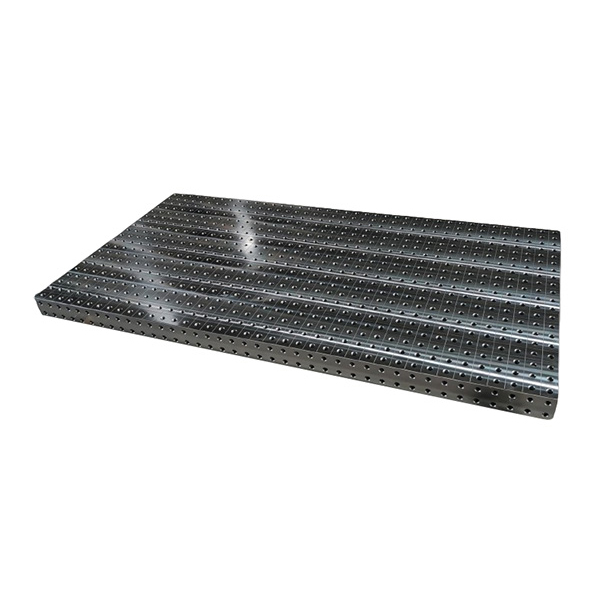
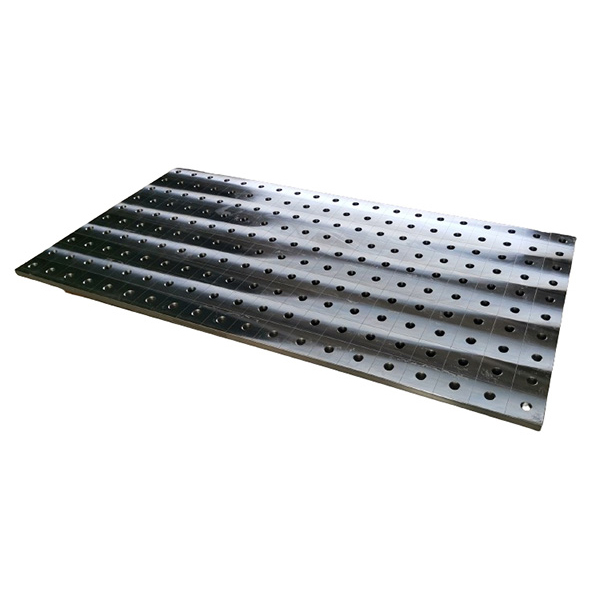
แม้จะมีประโยชน์มากมาย แต่แอปพลิเคชันในโลกแห่งความเป็นจริงก็อาจยุ่งเหยิงได้ ใช้แล้ว โต๊ะเชื่อม ไม่ได้มาพร้อมกับประวัติที่ชัดเจนเสมอไป โดนสารเคมีรุนแรงหรือเปล่า? ใช้ในสภาวะที่รุนแรง? ปัจจัยเหล่านี้ส่งผลต่อความยั่งยืนในอนาคต
บางครั้งคุณอาจได้รับชิ้นส่วนที่อยู่นอกเหนือการซ่อมแซมที่ประหยัด ซึ่งส่งผลให้มีของเสียเพิ่มขึ้นแทนที่จะลดลง จำเป็นอย่างยิ่งที่จะต้องมีขั้นตอนการตรวจสอบอย่างละเอียดก่อนซื้อ ดูรอยเชื่อม สภาพพื้นผิว และการจัดตำแหน่งโครงสร้างเป็นตัวบ่งชี้สำคัญเกี่ยวกับอายุการใช้งานที่เป็นไปได้ของโต๊ะ
การมีส่วนร่วมโดยตรงกับผู้ผลิตหรือซัพพลายเออร์ เช่น Botou Haijun Metal Products Co., Ltd. สามารถบรรเทาความท้าทายบางประการเหล่านี้ได้ ความเชี่ยวชาญของพวกเขาในสาขานี้สามารถนำทางคุณไปสู่การตัดสินใจที่มีข้อมูลครบถ้วนและยั่งยืนมากขึ้น
ความคิดสุดท้าย
ความเป็นมิตรต่อสิ่งแวดล้อมของโต๊ะเชื่อมสเตนเลสมือสองไม่ใช่ขาวดำ เป็นความสมดุลของการประเมินวัสดุ การทำความเข้าใจความหมายของวงจรชีวิต การบำรุงรักษาตาราง และการตัดสินใจโดยอาศัยข้อมูลตามเงื่อนไขตามเงื่อนไขและประวัติการผลิต บริษัทชอบ Botou Haijun Metal Products Co., Ltd. จัดหาทรัพยากรและข้อมูลเชิงลึกที่อาจเป็นประโยชน์ในการตัดสินใจเลือกเหล่านี้
ท้ายที่สุดแล้ว แม้ว่าการเลือกใช้โต๊ะมือสองจะเป็นก้าวหนึ่งของความยั่งยืน แต่การใส่ใจในรายละเอียดตลอดการใช้งานและการกำจัดทิ้งในท้ายที่สุดก็เป็นสิ่งที่กำหนดลักษณะที่เป็นมิตรต่อสิ่งแวดล้อมอย่างแท้จริง