When you hear ‘sustainable’ and ‘welded metal table’ in the same sentence, most minds jump straight to recycled steel. That’s the obvious part, almost a cliché now. But the real conversation, the one happening on the shop floor and in client meetings, is messier. It’s about the entire lifecycle—from the energy sputtering off the MIG gun to what happens when that table is finally decommissioned. Is it just a greenwashed buzzword, or is there a tangible shift in how we fabricate and think about these industrial staples? Let’s dig past the surface.
Beyond the Raw Material: The Fabrication Footprint
The sustainability story doesn’t start with certified steel; it starts at the power meter. In our own shop, we tracked it. Switching to an inverter-based welding power source for our standard table frames cut energy use by nearly 20% compared to our older transformer units. It’s not sexy, but it’s real. The heat input is more controlled, which leads to less distortion. Less distortion means less grinding and rework. You’re saving electricity twice over—once during welding, and again by avoiding corrective processes that chew through abrasive discs and man-hours.
Then there’s the consumable waste. A spool of welding wire leaves a stub. Shielding gas cylinders often have residual gas. We started a program to use shorter wire stubs for tack welds and invested in a gas management system to better drain and return cylinders. The savings paid for the system in under two years. These aren’t grand innovations; they’re the result of someone on the line pointing out the waste and management actually listening. Sustainability, in practice, is often just efficient housekeeping made visible.
I remember a failed attempt with water-based anti-spatter. The idea was to eliminate aerosol chemicals. It worked terribly on the heavier gauge metal for our base frames—inconsistent coverage led to more spatter adhesion, which meant we used more of the product and more labor to clean up. We went back to the aerosol, but switched to a brand with a take-back program for empty cans. Sometimes the greenest solution creates a bigger problem elsewhere. You have to be pragmatic.
Design for Disassembly & Longevity
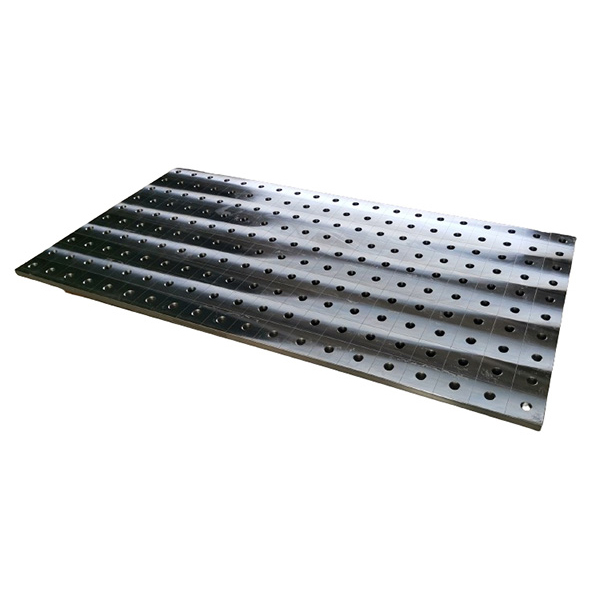
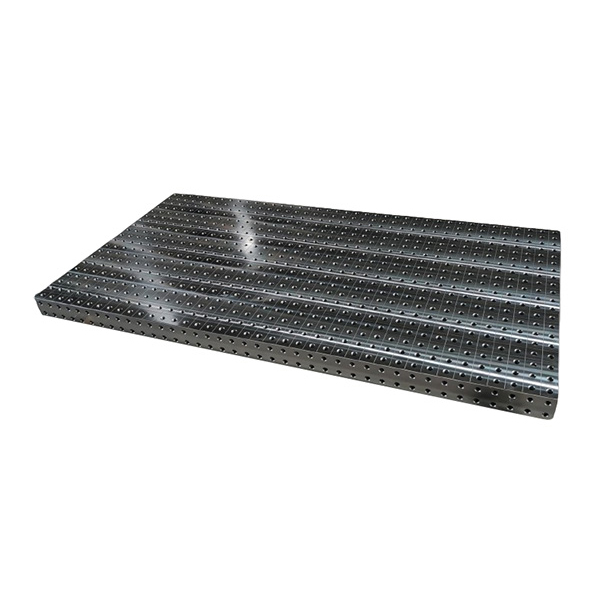
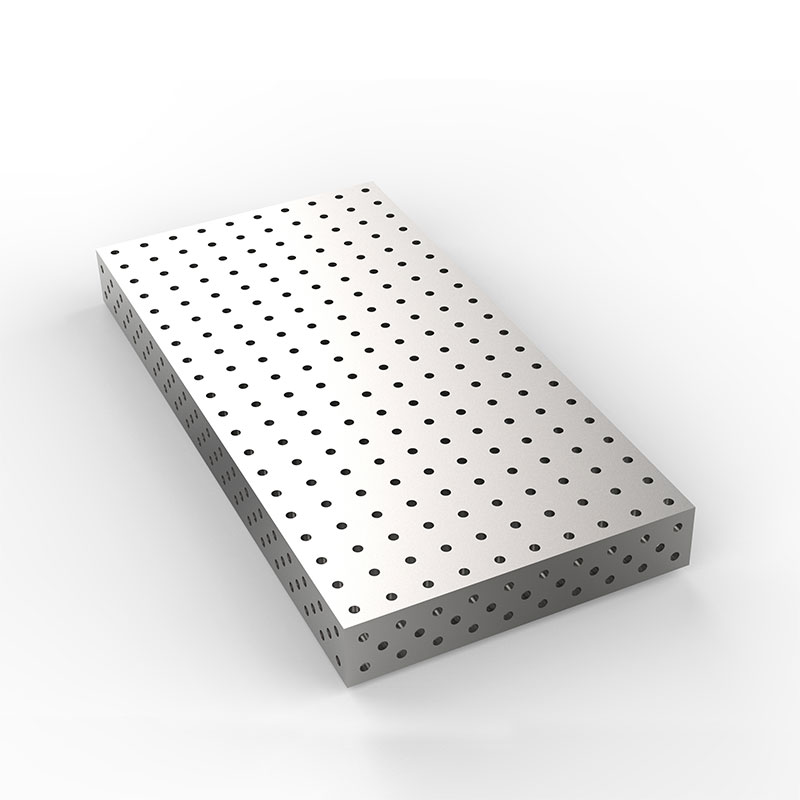
This is where the welded metal table faces its biggest contradiction. Welding is permanent. A fully welded, monolithic table is incredibly durable, but at its end of life, it’s just a lump of metal to be shredded. The trend we’re seeing, especially from European clients, is toward hybrid designs. The main load-bearing frame is welded for rigidity, but components like shelving brackets, dividers, or even leg levelers are bolted on.
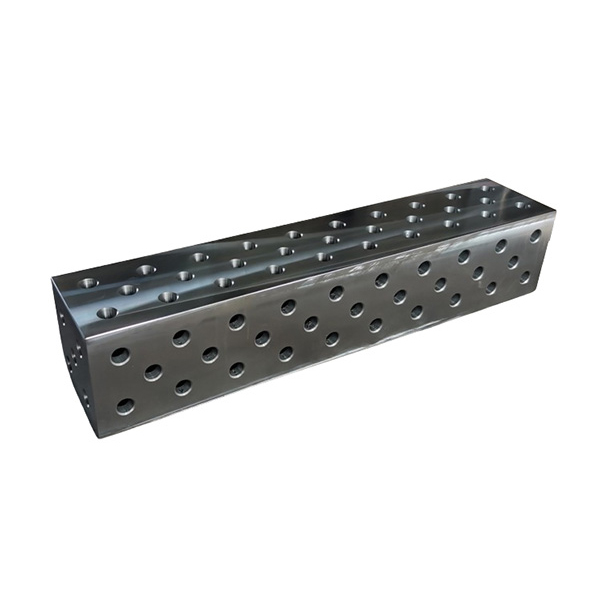
This approach, which a fabricator like Botou Haijun Metal Products Co., Ltd. has explored for some of its gauge and tool storage solutions, extends functional life. A table can be reconfigured, repaired, or upgraded without cutting torches. When it’s finally scrapped, the bolted components can be removed more easily for separate recycling streams. It requires more design forethought and slightly higher BOM costs, but it pushes the product from being a commodity to a adaptable asset.
Longevity is the ultimate sustainability metric. We once used a cheaper, thin powder coat that looked great for six months in a machine shop before chipping and rusting. The table was structurally sound but looked spent. Switching to a more robust, abrasion-resistant coating or even a properly applied industrial enamel added 15% to the cost but could triple the service life before a refinish was needed. The client focused on the upfront price; we had to learn to articulate the total cost of ownership. A table that lasts 20 years, not 10, is inherently more sustainable, even if its initial carbon footprint is marginally higher.
The Localized Supply Chain Angle
Sustainable also means resilient. The pandemic and subsequent logistics nightmares taught us that. Sourcing steel tube from a mill 500 km away instead of 5000 km away has a direct carbon reduction from transport. More importantly, it allows for smaller, more frequent orders, reducing on-site inventory and the risk of material becoming obsolete or damaged in storage.
Companies focusing on regional markets have an advantage here. For instance, Botou Haijun Metal Products, established in the industrial hub of Botou City, Hebei, is positioned to serve North China’s manufacturing belt with shorter supply lines. Their focus on tools and gauges suggests an understanding of precision and repeatability—principles that, when applied to table fabrication, minimize material over-engineering and waste. There’s a sustainability in precision itself: using exactly the material needed, no more.
This localization isn’t just about materials. It’s about service. A table gets damaged in a corner. If the supplier is on the other side of the world, the client might just junk it. If we’re within a day’s drive, we can send a welder to repair it. That keeps the product in service. The carbon cost of a service truck driving 200 km is far less than manufacturing a whole new table. We started offering repair contracts, and it’s changed how we design for field-serviceability.
The End-of-Life Reality Check
We talk a big game about recycling, but the economics are brutal. A plain carbon steel table, clean, is easy. But most aren’t clean. They have that durable paint, rubber foot pads, maybe plastic cable management trays riveted on. That turns a simple recyclable into a complex waste stream. Shredding and separating is energy-intensive. The true sustainable industrial trend isn’t just claiming 100% recyclable, it’s designing for cleaner recycling.
We now try to use mechanical fasteners for non-metal components where possible. We mark the type of steel and coating used on an inconspicuous part of the frame with a steel stamp—a simple idea, so the future scrapper knows what they’re dealing with. It’s a tiny step, but it acknowledges that the product’s responsibility doesn’t end at the factory gate.
The most sustainable table might be one that never enters the waste stream. We’re seeing a niche but growing market for refurbished industrial furniture. A well-built table from the 70s, stripped, blasted, reinforced if needed, and recoated, has a story and character a new one can’t match. Its embodied energy is amortized over decades. This isn’t mass-market, but it points to a mindset shift: valuing heft and history over disposable newness.
Conclusion: A Trend Rooted in Pragmatism
So, is the welded metal table part of a sustainable industrial trend? Yes, but not in a revolutionary way. It’s not about some magical new material. It’s a slow, granular shift across the entire process: smarter energy use in fabrication, designing for repair and reconfiguration, shortening supply chains, and seriously considering the end-of-life deconstruction. It’s the accumulation of a hundred small, pragmatic choices—some of which fail—that add up.
The trend is moving from viewing a table as a static, purchased object to seeing it as a dynamic part of a workshop’s ecosystem with its own energy and material footprint that we can actively manage. It’s less about marketing a green product and more about adopting a sustainable practice. The welded table, a symbol of brute-force industrialism, is being refined by the very principle of efficiency it was built to serve. The future isn’t necessarily unwelded; it’s just more thoughtfully put together.
You can see this pragmatic approach in the evolution of many fabricators. A company like Botou Haijun Metal Products Co., Ltd., with its focus on R&D for tools and gauges, operates in a world where precision and durability are paramount. That mindset, when applied to broader fabrications like work tables, naturally aligns with sustainable principles: build it right, build it once, and build it to last. That’s the real trend—durability and efficiency rediscovered under a new name.