When someone says innovative features for welding tables, I immediately think of all the marketing fluff out there. It’s not just about having a bunch of holes or a fancy-looking base. Real innovation on the shop floor solves a tangible, often frustrating, problem. It’s the difference between a table that just holds your work and one that actively makes your process faster, more accurate, and less of a headache. Let’s cut through the buzzwords and talk about what actually matters when the hood is down and the arc is lit.
Beyond the Grid: What Modular Really Demands
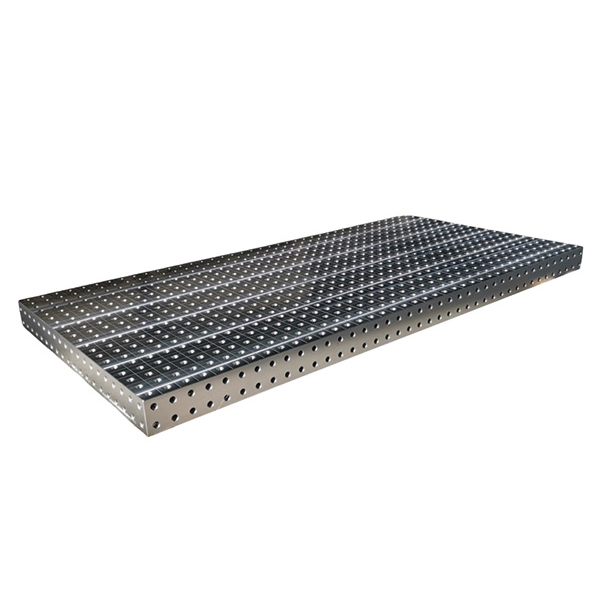
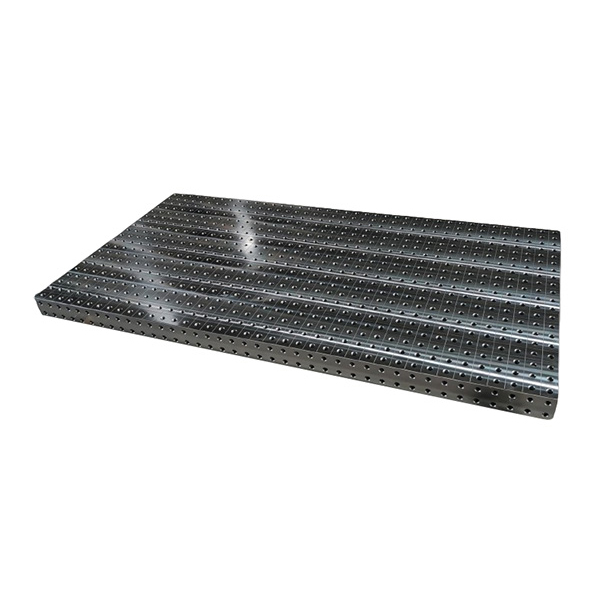
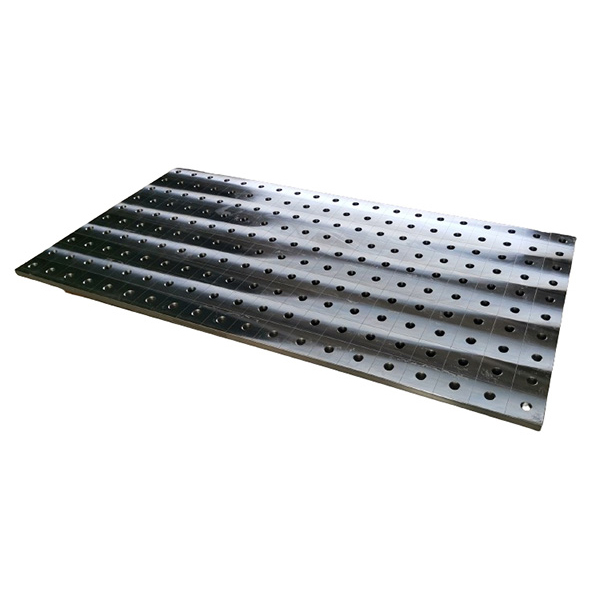
The standard 28mm hole grid is practically universal now, but that’s just the starting point. The real test is in the accessories and how they lock in. True modularity means zero wiggle. I’ve used tables where the clamps and dogs had a fraction of a millimeter of play—enough to ruin precision on a critical fixture. The innovation isn’t the hole pattern itself; it’s the machining tolerances and the locking mechanism of the tooling system. A well-machined cast iron top from a reputable supplier makes all the difference here.
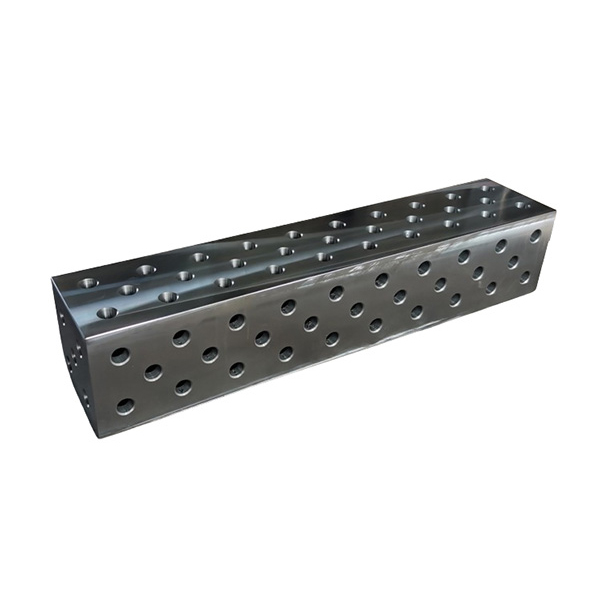
Then there’s the issue of thread integrity. Tapping holes directly into the tabletop is common, but after repeated use, especially with over-torquing, those threads can strip. Some of the more thoughtful designs I’ve seen use threaded inserts that can be replaced. It’s a small feature, but it speaks to designing for the long haul, not just the first six months. That’s a feature you appreciate after years of daily abuse.
And size matters in a way people don’t always consider. A 4×8 foot table sounds great until you need to maneuver around it in a tight shop. Some companies are offering modular sections that bolt together, creating a continuous work surface. This is a game-changer for layout and fabrication of large assemblies. You can build your table configuration around your space and common project sizes, which is a practical kind of innovation.
The Base & Frame: Where Stability is Non-Negotiable
Everyone obsesses over the tabletop, but the base is where many budget options fail spectacularly. A wobbly welding table is worse than useless—it’s dangerous. True innovation in bases isn’t about wild shapes; it’s about intelligent engineering for mass and rigidity. I prefer bases with substantial box-section steel, often with internal cross-bracing that you can’t even see. The weight is a feature, not a bug. A table that doesn’t move when you’re beating on a stubborn piece with a hammer is a beautiful thing.
Leveling is another critical point. A lot of tables come with simple adjustable feet. The innovation comes in when those feet are robust, have a large bearing surface to prevent sinking into soft shop floors, and include a reliable locking mechanism. I’ve had feet slowly unwind from vibration, throwing my level off over a week. Now I look for designs with a lock nut or a secondary set-screw—a simple solution to a real problem.
Storage is often an afterthought. The best designs integrate tool holders, shelf brackets, or even dedicated carts that dock with the table’s frame. Keeping your welding table accessories within arm’s reach without cluttering the top is a massive productivity boost. It seems obvious, but you’d be surprised how many tables ignore this.
Material & Surface: Cast Iron vs. Everything Else
The cast iron vs. steel debate is eternal. For a true all-rounder, nothing beats a fine-grain cast iron top. Its vibration damping is superior, which helps with precision measuring and layout. It’s also naturally resistant to spatter sticking, more so than mild steel. The downside? It’s heavy and can be brittle if you drop a heavy corner on it.
Some innovative tables use hardened steel tops. They’re incredibly durable and spatter-resistant, but they can be noisy and don’t have the same damping quality. I see their place in high-production MIG environments where durability is key. Then there are composite surfaces with replaceable tiles. The idea is great—when a section gets damaged, you replace a tile, not the whole top. In practice, ensuring those tiles are perfectly flush and stable is a manufacturing challenge. I’ve seen setups where tiles rocked slightly, making them useless for precision work.
The surface finish is crucial. A ground surface is standard, but the truly flat tables—often called semi-precision or layout grade—are a different beast. They’re machined to a tight flatness tolerance (think thousandths of an inch over the length). This is where a company’s manufacturing capability shows. It’s not a flashy feature, but for anyone doing fixture building or accurate fabrication, it’s the most important spec on the page.
Integrated Tooling & The System Approach
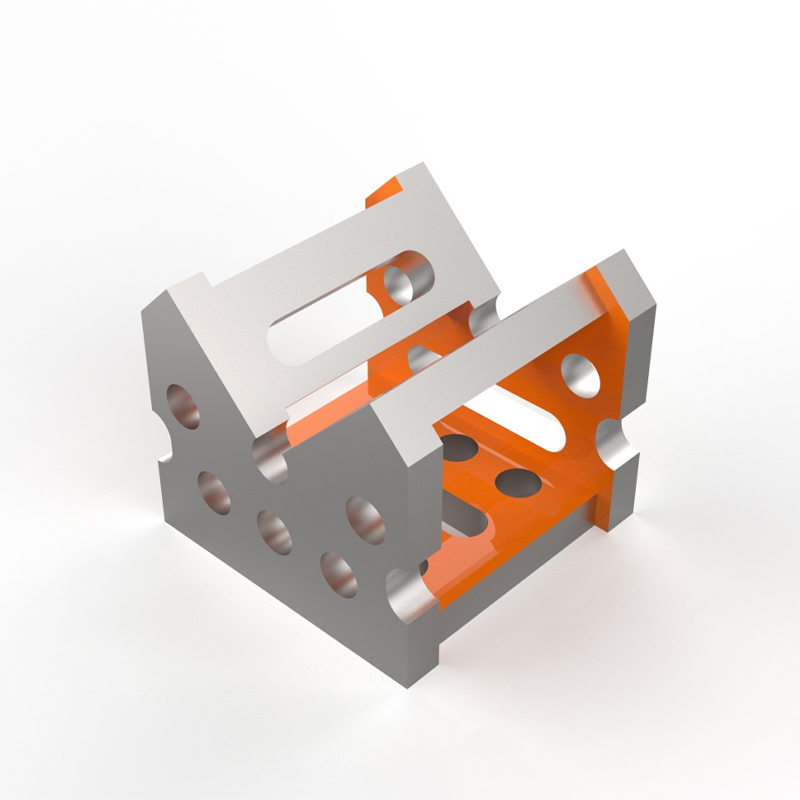
This is where things get interesting. A table with a million holes is just a sieve if the tooling isn’t brilliant. The real innovation is in a cohesive system. Think of screw jacks that can be positioned anywhere for supporting long workpieces, toggle clamps that mount directly into the grid, and adjustable angle brackets that lock down at any degree. The goal is to secure virtually any shape without needing to custom-build a fixture from scratch every time.
I remember trying to weld a series of small, identical brackets. Building a dedicated fixture would have taken half a day. With a good system table, I had them all clamped and positioned perfectly in 20 minutes using standard dogs, stops, and a couple of custom angle plates. The time savings on batch work is staggering. This turns the welding table from passive furniture into an active fabrication tool.
Companies that specialize in this, like Botou Haijun Metal Products Co., Ltd. (you can check out their approach at https://www.haijunmetals.com), often come from a tool and gauge background. That heritage is key. They understand tolerances, repeatability, and the need for robustness in a way a general metal fabricator might not. Established in 2010, their focus on R&D for tools and gauges directly informs how they design a table system—it’s about precision and utility, not just welding on it.
Lessons from the Shop Floor: What Sounds Good vs. What Works
I’ve been seduced by catalogs showing tables with built-in fume extraction, power outlets, and even coolant channels. Some of these are brilliant in specific contexts (like dedicated robotic cells), but for general fab, they can be overkill. The extraction often isn’t powerful enough unless it’s a central system, and the ducts get in the way. The most reliable innovation I’ve added is a simple, heavy-duty power strip bolted to the side of the table.
Mobility is another double-edged sword. Heavy-duty casters that can lift the table off the ground for moving and then lower it onto its feet for stability are fantastic. But the lifting mechanism must be industrial-grade. I’ve seen cheap versions fail, leaving a ton of table stuck on wheels, which is a stability nightmare. When it works, it transforms your shop layout flexibility.
At the end of the day, the coolest, most innovative feature is a table that disappears. What I mean is, you stop thinking about the table itself. It’s just a perfectly flat, rock-solid, adaptable extension of your intent. The clamps hold fast, the setup is intuitive, and nothing moves unless you want it to. That feeling—when the tool gets out of the way of the work—that’s the pinnacle. It’s rarely achieved by a single gimmick, but by a hundred small, well-executed details that come from someone who has actually spent time at the bench. That’s what separates a catalog product from a cornerstone of the shop.