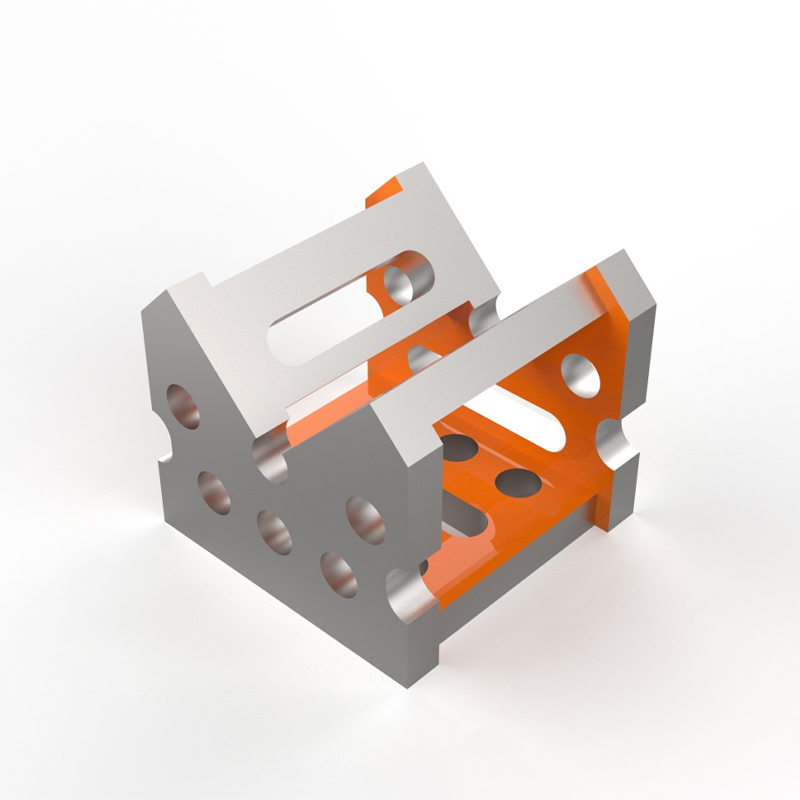
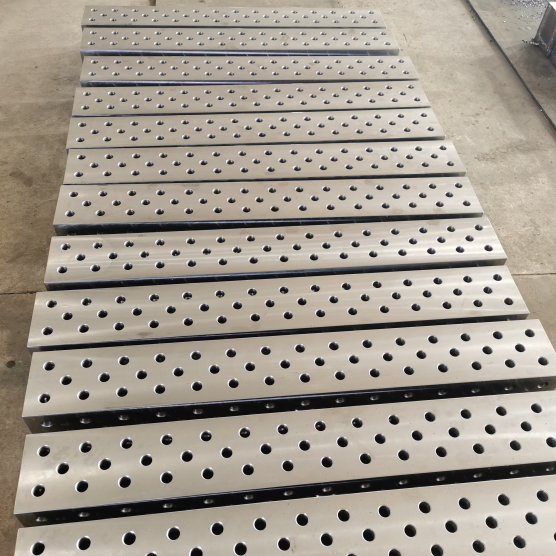
Cast aluminum parts are metal components produced by pouring molten aluminum alloy into a mold to create complex, durable shapes for industrial applications. This manufacturing process combines the lightweight properties of aluminum with high strength-to-weight ratios, making it ideal for automotive, aerospace, and machinery sectors. Engineers select cast aluminum for its ability to form intricate geometries that machining cannot achieve cost-effectively, while buyers value its corrosion resistance and thermal conductivity.
Understanding Cast Aluminum Parts: Definitions and Core Characteristics
Cast aluminum parts serve as the backbone of modern lightweight engineering. Unlike wrought aluminum, which is shaped through rolling or extrusion, cast aluminum is formed in a liquid state. This fundamental difference allows manufacturers to produce components with internal cavities, complex curves, and integrated mounting points in a single operation.
The term “cast aluminum” encompasses a wide range of alloys, primarily from the 3xx.x and 4xx.x series. These alloys contain silicon, copper, magnesium, or zinc to enhance specific properties like fluidity during casting or tensile strength after solidification. Understanding these material distinctions is critical for engineers specifying parts for high-stress environments.
In industrial contexts, these parts replace heavier steel or iron components without sacrificing structural integrity. The reduction in mass directly translates to improved fuel efficiency in vehicles and reduced energy consumption in moving machinery. This shift drives the persistent demand for high-precision aluminum casting solutions across global supply chains.
Key Material Properties Driving Adoption
The widespread use of cast aluminum stems from a unique combination of physical and mechanical properties. When evaluating materials for a project, engineers prioritize these specific attributes:
- High Strength-to-Weight Ratio: Aluminum offers significant weight savings compared to steel while maintaining sufficient load-bearing capacity for most structural applications.
- Corrosion Resistance: A natural oxide layer forms on the surface, protecting the part from rust and environmental degradation without requiring heavy coatings.
- Thermal Conductivity: Ideal for heat sinks, engine blocks, and housing for electronic components where heat dissipation is vital.
- Dimensional Stability: High-quality casting processes ensure minimal warping, allowing for tight tolerances in assembly.
- Recyclability: Aluminum can be recycled indefinitely with only 5% of the energy required for primary production, supporting sustainability goals.
Primary Casting Processes for Aluminum Components
Selecting the correct casting method is the most critical decision in the manufacturing workflow. The choice depends on production volume, part complexity, required tolerance, and budget constraints. Each process utilizes different mechanisms to fill the mold, resulting in distinct microstructures and surface finishes.
Die Casting: High Volume and Precision
Die casting involves forcing molten aluminum into a steel mold under high pressure. This method is the industry standard for mass production, capable of producing thousands of identical parts per day. The high injection speed ensures the metal fills even the thinnest sections of the mold before solidifying.
Parts produced via die casting exhibit excellent dimensional accuracy and smooth surface finishes, often eliminating the need for secondary machining. Common applications include transmission cases, engine brackets, and consumer electronics housings. However, the initial cost of hard steel tooling makes this process less economical for low-volume runs.
Sand Casting: Flexibility for Large Parts
Sand casting uses a mold made of compacted sand mixed with a bonding agent. This traditional method offers unparalleled flexibility regarding part size and geometry. Since the sand mold is destroyed after each use, there are no limits on the complexity of the core structures inside the part.
This process is particularly suitable for large, heavy-duty components such as pump housings, valve bodies, and marine engine parts. While the surface finish is rougher than die casting and tolerances are wider, sand casting remains the most cost-effective solution for prototypes and low-to-medium volume production of large items.
Permanent Mold Casting: Balanced Quality and Cost
Permanent mold casting, also known as gravity die casting, uses reusable metal molds but relies on gravity rather than high pressure to fill the cavity. This results in a finer grain structure and better mechanical properties compared to sand casting.
Engineers often choose this method for parts requiring higher strength and leak-tightness, such as automotive wheels and manifolds. The process strikes a balance between the high tooling costs of die casting and the lower precision of sand casting, making it ideal for medium-volume production runs.
Comparative Analysis of Aluminum Casting Methods
To assist engineers and buyers in selecting the optimal manufacturing route, the following table compares the three primary methods based on critical operational parameters.
| Feature | Die Casting | Sand Casting | Permanent Mold Casting |
| Production Volume | High (10,000+ units) | Low to Medium | Medium (1,000 – 10,000 units) |
| Dimensional Tolerance | Tight (±0.002 inch/inch) | Loose (±0.060 inch) | Moderate (±0.015 inch) |
| Surface Finish | Smooth (Ra 1-2 µm) | Rough (Ra 6-12 µm) | Good (Ra 2-4 µm) |
| Tooling Cost | Very High | Low | Moderate |
| Part Size Limit | Small to Medium | Unlimited (Very Large) | Small to Medium |
| Mechanical Strength | Good (with porosity risks) | Moderate | Excellent (fine grain) |
Common Aluminum Alloys and Their Applications
The performance of a cast part is dictated by its chemical composition. Different alloys offer trade-offs between castability, strength, and corrosion resistance. Selecting the right alloy is as important as choosing the casting process.
A380: The Industry Workhorse
A380 is the most widely used aluminum die casting alloy globally. It offers an outstanding combination of casting ease, strength, and resistance to hot cracking. Its high fluidity allows it to fill complex thin-walled molds efficiently.
Typical applications include power tool housings, transmission cases, and computer frames. While it has moderate corrosion resistance, its mechanical properties make it the default choice for general-purpose engineering components where cost-efficiency is paramount.
A356: High Strength and Ductility
A356 is a premium alloy often used in permanent mold and sand casting. It contains magnesium, which allows for heat treatment (T6 temper) to significantly increase yield strength and elongation. This alloy is essential for safety-critical components.
Industries rely on A356 for automotive wheels, aircraft structural parts, and military hardware. Its superior fracture toughness makes it suitable for applications subject to dynamic loading and impact stresses where failure is not an option.
413: Pressure Tightness and Corrosion Resistance
Alloy 413 is characterized by its high silicon content, which provides exceptional fluidity and pressure tightness. It is less prone to hot tearing and offers better corrosion resistance than A380.
This alloy is frequently specified for hydraulic components, valve bodies, and marine fittings. When a part must hold fluids or gases under pressure without leaking, 413 is often the preferred material specification.
Step-by-Step Guide to Specifying Cast Aluminum Parts
For buyers and engineers initiating a new project, following a structured specification process ensures the final component meets all functional requirements. Skipping steps in this phase often leads to costly redesigns or manufacturing delays.
- Define Functional Requirements: Clearly outline the load conditions, operating temperature range, and environmental exposure the part will face.
- Select the Alloy: Choose an alloy based on the required strength, ductility, and corrosion resistance identified in the first step.
- Determine the Casting Process: Evaluate production volume and part size to decide between die casting, sand casting, or permanent mold casting.
- Design for Manufacturability (DFM): Collaborate with foundry experts to optimize wall thickness, add draft angles, and position gates to minimize defects.
- Specify Post-Processing: Determine if machining, heat treatment, or surface finishing (anodizing, powder coating) is required for the final application.
- Establish Quality Standards: Define acceptable levels for porosity, surface finish, and dimensional tolerances using industry standards like ASTM or ISO.
Design Considerations for Optimal Performance
Successful cast aluminum design goes beyond simple geometry. Engineers must account for the physics of molten metal flow and solidification shrinkage. Ignoring these factors can result in internal voids, cold shuts, or warping.
Wall Thickness Uniformity
Maintaining uniform wall thickness is the golden rule of casting design. Sudden changes in thickness cause uneven cooling rates, leading to stress concentrations and shrinkage cavities. Where thickness changes are unavoidable, gradual transitions with generous fillets should be used to distribute stress and facilitate smooth metal flow.
Draft Angles and Ejection
To remove a part from a mold without damage, vertical walls must include a draft angle. Typically, a minimum of 1 to 3 degrees is required for external surfaces, while internal cores may need more. Insufficient draft increases friction during ejection, potentially scratching the surface or distorting the part geometry.
Ribs and Bosses
Ribs are used to strengthen thin walls without increasing overall weight. However, rib thickness should generally not exceed 60% of the adjacent wall thickness to prevent sink marks on the opposite surface. Similarly, bosses for mounting screws should be designed with adequate reinforcement to avoid cracking under torque.
Quality Control and Testing Protocols
Ensuring the reliability of cast aluminum parts requires rigorous quality control measures throughout the production cycle. Reputable manufacturers implement multi-stage inspection protocols to detect defects before parts reach the customer.
Non-Destructive Testing (NDT)
X-ray radiography is commonly used to inspect internal structures for porosity, inclusions, and shrinkage defects that are invisible to the naked eye. Dye penetrant testing helps identify surface cracks, while pressure testing verifies the leak-tightness of fluid-containing components.
Mechanical Property Verification
Regular tensile testing of sample coupons ensures the alloy meets specified yield strength and elongation requirements. Hardness testing (Brinell or Rockwell) provides a quick verification of heat treatment effectiveness. These data points are critical for validating that the batch conforms to engineering drawings.
Dimensional Inspection
Coordinate Measuring Machines (CMM) are employed to verify critical dimensions against CAD models. First Article Inspection (FAI) reports document every measurable feature of the initial production run, serving as a baseline for ongoing quality assurance.
Common Defects and Mitigation Strategies
Even with advanced technology, casting defects can occur. Understanding their root causes enables engineers to adjust designs or process parameters to eliminate them.
- Porosity: Caused by trapped gas or shrinkage. Mitigated by optimizing gating systems, reducing pour temperature, or applying vacuum-assisted casting.
- Cold Shuts: Occur when two streams of molten metal meet but fail to fuse. Prevented by increasing metal temperature or improving mold venting.
- Misruns: Result from the metal solidifying before filling the mold. Addressed by increasing injection speed or modifying wall thickness.
- Warpage: Caused by uneven cooling. Corrected by designing symmetrical ribs or implementing controlled cooling fixtures.
Frequently Asked Questions (FAQ)
What is the difference between cast aluminum and machined aluminum?
Cast aluminum is formed by pouring molten metal into a mold, allowing for complex shapes and internal features in a single step. Machined aluminum starts as a solid block (billet) and is cut away to shape. Casting is more cost-effective for high volumes and complex geometries, while machining offers tighter tolerances and superior mechanical properties for low-volume, high-precision parts.
Can cast aluminum parts be welded?
Yes, cast aluminum can be welded, but it requires specific techniques and filler materials. Alloys like A356 weld well using TIG or MIG processes. However, high-silicon die casting alloys (like A380) are more challenging to weld due to hot cracking susceptibility. Proper pre-heating and post-weld heat treatment are often necessary to restore strength.
How long do cast aluminum parts last?
The lifespan depends on the application environment and alloy selection. In non-corrosive environments with proper design, cast aluminum parts can last decades. The natural oxide layer provides excellent protection against atmospheric corrosion. For harsh chemical or marine environments, additional surface treatments like anodizing or powder coating extend service life significantly.
Is cast aluminum stronger than steel?
In terms of absolute tensile strength, steel is generally stronger than aluminum. However, aluminum has a much higher strength-to-weight ratio. This means an aluminum part can be designed to be larger and stiffer than a steel equivalent while still weighing less. For applications where weight reduction is critical, cast aluminum is often the superior engineering choice.
What industries use cast aluminum parts most frequently?
The automotive industry is the largest consumer, using cast aluminum for engine blocks, transmission cases, and suspension components. Aerospace, defense, telecommunications, and industrial machinery sectors also rely heavily on these parts for housings, structural brackets, and heat management systems.
Future Trends in Aluminum Casting Technology
The landscape of cast aluminum manufacturing is evolving rapidly. Advanced simulation software now allows engineers to predict filling patterns and solidification behavior before a single mold is made, drastically reducing trial-and-error cycles.
Sustainability is driving the adoption of low-carbon aluminum alloys and energy-efficient melting technologies. Furthermore, the integration of IoT sensors in casting machines enables real-time monitoring of pressure and temperature, ensuring consistent quality and predictive maintenance. These innovations continue to expand the boundaries of what is possible with cast aluminum components.
Conclusion and Next Steps for Buyers
Cast aluminum parts represent a strategic solution for engineers seeking to balance performance, weight, and cost. By understanding the nuances of alloys, casting processes, and design principles, buyers can specify components that deliver long-term reliability and operational efficiency. Whether for high-volume automotive production or specialized industrial machinery, the right casting partner transforms design concepts into robust reality.
Organizations looking to optimize their supply chain should prioritize manufacturers with proven expertise in DFM analysis and rigorous quality control systems. Selecting the appropriate alloy and process early in the design phase prevents costly revisions and ensures the final product meets all technical specifications.
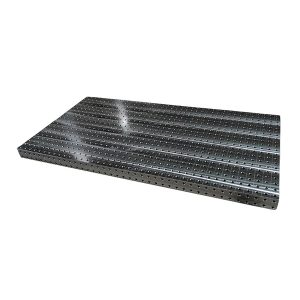
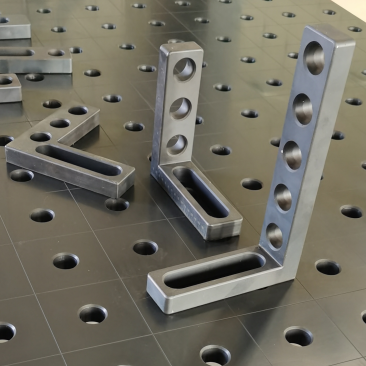
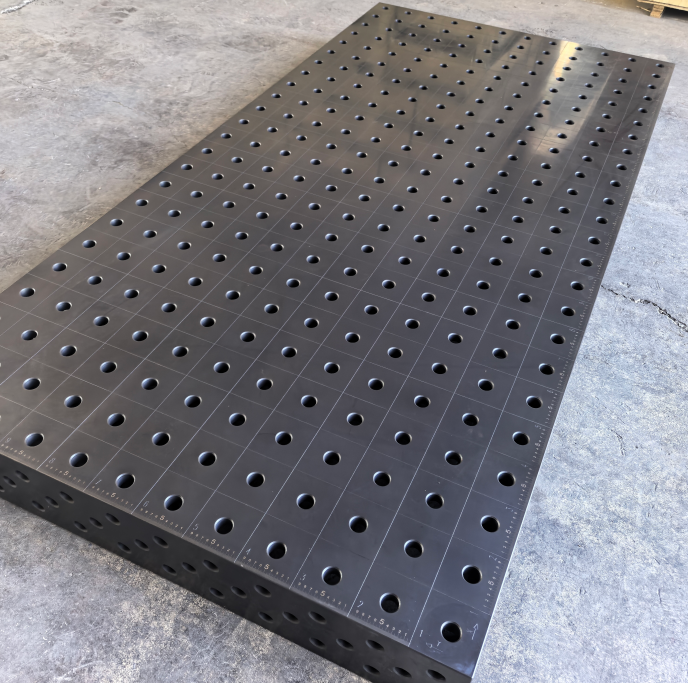
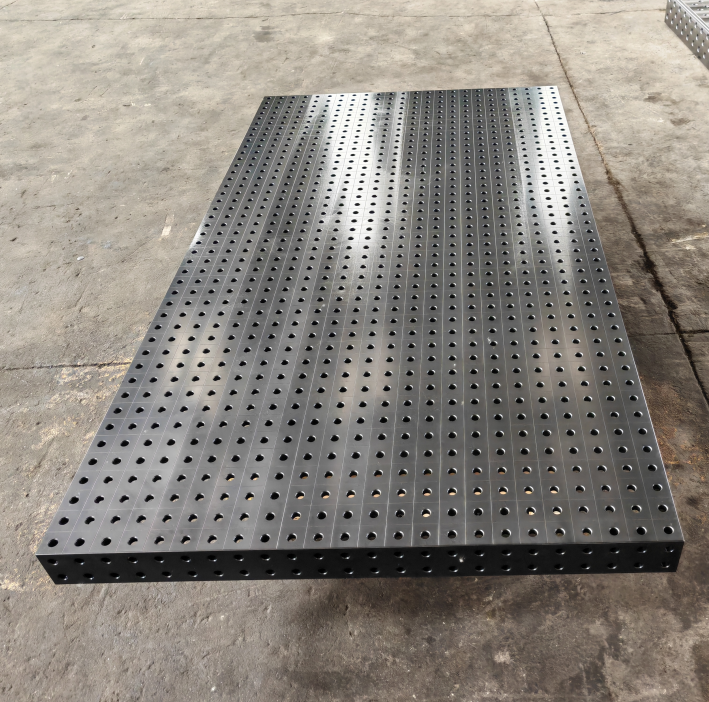
Beyond the casting process itself, the precision assembly and welding of these components are equally critical to final product performance. Botou Haijun Metal Products Co., Ltd. specializes in bridging this gap by providing high-precision flexible modular fixtures and metalworking tools essential for the modern manufacturing industry. Renowned for their exceptional versatility, Haijun’s core product line—including 2D and 3D flexible welding platforms—has become the preferred jigging equipment in the machining, automotive, and aerospace sectors where cast aluminum parts are extensively utilized. Their comprehensive range of complementary components, such as U-shaped and L-shaped multi-purpose square boxes, 200-series support angle irons, and 0-225° universal angle gauges, integrates seamlessly to enable rapid workpiece positioning and clamping. Additionally, Haijun manufactures professional cast iron 3D welding platforms and angle connection blocks, ensuring that every stage of production delivers exceptional durability and stability. With years of industry experience, Haijun Metal has established itself as a trusted global supplier, continuously providing high-quality production machinery tool series that complement advanced casting operations.
If your project requires custom cast aluminum solutions, precise engineering support, or detailed material consultation, our team is ready to assist. We specialize in translating complex requirements into manufacturable, high-performance components.
Contact our engineering team today to discuss your project specifications and request a comprehensive quote for your cast aluminum needs.