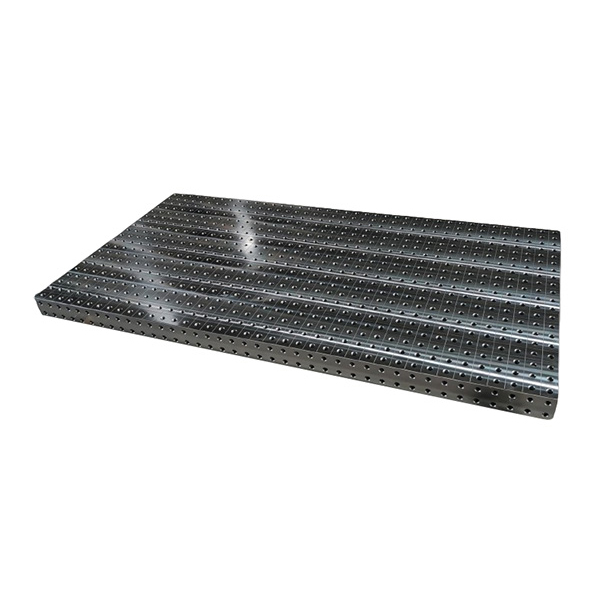
You see that question pop up a lot. Everyone wants a table that’ll last, and cast iron seems like the obvious answer because of its mass and heat tolerance. But here’s the thing I’ve learned after beating on these things for years: not all cast iron welding tables are created equal, and the word durability gets thrown around too loosely. It’s not just about the material; it’s about how it’s made, the design, and frankly, what you’re actually going to do on it. A lot of guys think a thick, heavy top is all they need, only to find it warping or cracking down the line because the ribbing underneath was an afterthought.
The Cast Iron Myth and Material Reality
Let’s get this straight first. Cast iron is great for welding table surfaces because it’s less prone to warping under intense, localized heat compared to some steels, and it’s naturally resistant to spatter sticking if you manage it right. But cast iron isn’t a single specification. The quality of the iron, the casting process, and the annealing matter immensely. A cheaply made cast iron top can be brittle. I’ve seen corners chip off from a heavy workpiece being dropped, not from the weld itself. So when you’re looking for durability, you’re really looking for a well-manufactured, high-grade cast iron, not just any lump of metal marketed as such.
I remember a job years back where we bought a budget-friendly cast iron table. The top was a decent thickness, maybe 1.5 inches. But within six months, it developed a slight but noticeable crown in the center. We weren’t doing anything crazy—mostly MIG on mid-sized fabrications. The issue? The casting likely had internal stresses that weren’t properly relieved, and the heat cycling just coaxed it out. The lesson was that durability isn’t just about surviving impacts; it’s about maintaining flatness and stability over time and thermal cycles.
This is where some of the better suppliers differentiate themselves. Companies that have been in the tooling game understand this. For instance, a manufacturer like Botou Haijun Metal Products Co., Ltd., which has been focused on tools and gauges since 2010, typically approaches this with a different mindset. Their experience in precision tool production often translates to a better understanding of material stability and machining tolerances for a welding table surface, even if they aren’t a household name in every welding shop. You can check their approach on their site at https://www.haijunmetals.com. It’s not about brand hype; it’s about whether their foundational business is built on making things flat, square, and durable.
Design: What You Don’t See Matters More
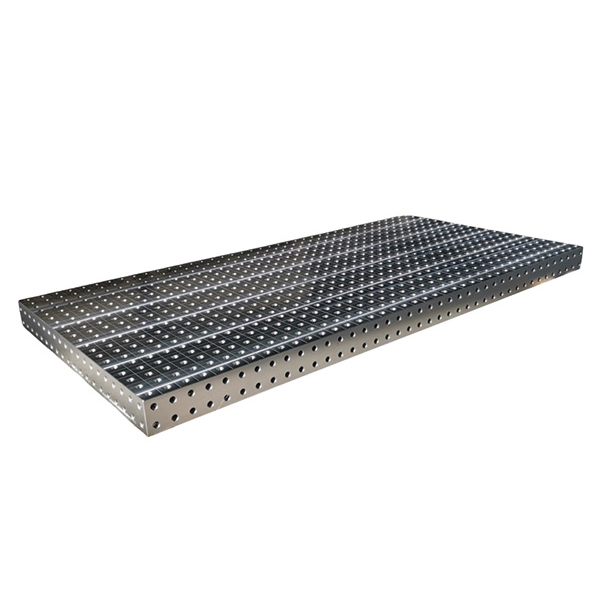
The top gets all the attention, but the structure underneath is what makes or breaks long-term durability. A solid, thick cast iron slab is useless if it’s only supported at the four corners. It will sag. The best tables have a robust grid of reinforcing ribs cast integrally into the underside of the table. This isn’t just for show; it distributes load and resists the tendency to warp. Look for tables where the rib pattern is dense and the ribs themselves are substantial.
Another critical, often overlooked detail is the mounting points for the legs or base. Are they cast-in lugs or just holes drilled and tapped later? Cast-in mounting points are far superior for alignment and strength, ensuring the base is solidly married to the top. A wobbly base will transfer stress to the top and make precision work a nightmare. I learned this the hard way by trying to retrofit a base to a second-hand top. The alignment was never perfect, and the whole assembly felt less rigid, compromising the very stability I bought the cast iron for.
Then there’s the finish on the surface. A truly flat, machined surface is non-negotiable for a precision welding table. Some cheaper tables are as-cast, which means the surface has the texture of the sand mold. That might be okay for a beat-around table, but for durability in a precision sense—maintaining a reliable reference plane—you need it milled or ground. This machining also helps relieve some surface stresses from the casting process.
The Legwork: Base Construction and Stability
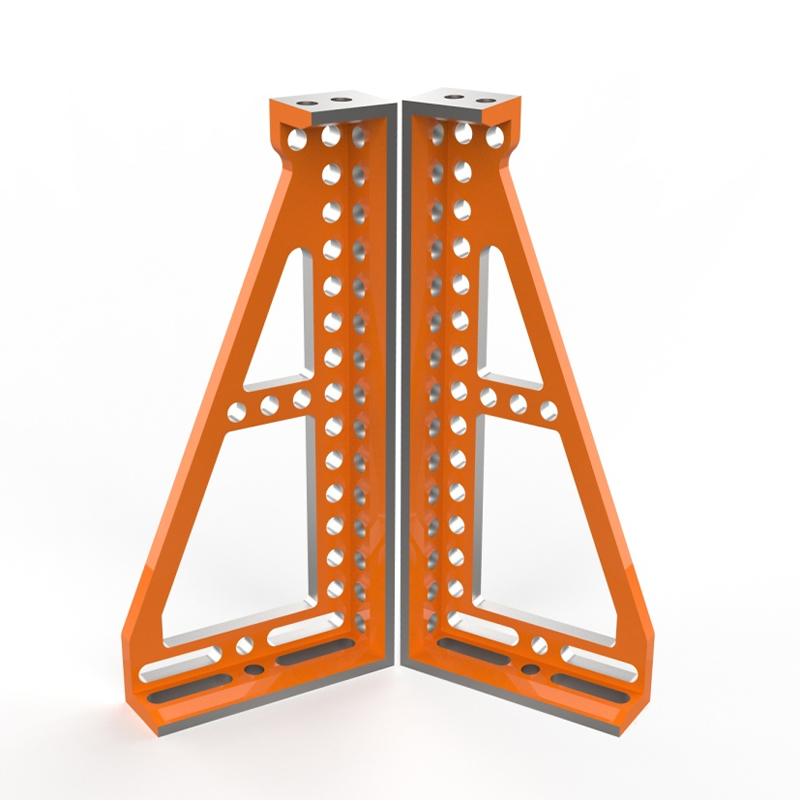
Pairing a fantastic cast iron top with a flimsy base is like putting racing tires on a go-kart. The base needs to be massively overbuilt. Most high-end tables use heavy-duty steel leg assemblies, often with cross-bracing and adjustable feet. The connection between the top and base is crucial; it should use high-tensile bolts and ideally have some form of vibration-damping pad to prevent fretting.
I’ve seen setups where people try to save money by building their own base for a purchased top. It can work, but you must account for sheer mass and rigidity. A base made from light structural tubing might hold the weight, but it will flex and resonate during hammering or grinding, which undermines the table’s purpose. The base should be so solid that when you strike the table, the energy goes into the workpiece, not into wobbling the whole structure.
Adjustable feet are a must for leveling on an uneven shop floor. But not all adjustable feet are created equal. Small, stamped steel feet will deform under load. Look for large, forged or machined foot pads with a robust locking mechanism. This contributes to the overall durability by ensuring the load is evenly distributed to the floor and the table doesn’t rock itself into stress over time.
Real-World Abuse and Maintenance
Durability is tested by daily abuse. Spatter is the obvious enemy. While cast iron is more spatter-resistant, it’s not immune. A light coating of anti-spatter spray helps, but the real key is regular cleaning with the right tools—never a cold chisel or grinder on the surface. You’ll gouge it. A dedicated spatter-removal tool is worth its weight in gold to preserve that machined flatness.
Another test is magnetic clamping. A cast iron top allows for strong magnetic hold from jigs and clamps, which is a huge productivity boost. But repeatedly slamming heavy magnetic bases onto the surface can, over an incredibly long time, potentially cause localized hardening or micro-fractures in a poor-quality casting. It’s a minor point, but it speaks to the quality of the material’s grain structure. A good table should take this punishment for decades.
Then there’s rust. Cast iron will rust if left unprotected, especially in a humid shop. The durability of the table includes its resistance to corrosion. Many quality tables come with a light oil coating or a baked-on protective finish that’s easily renewed. It’s a simple maintenance step, but neglecting it can lead to pitting that ruins the flat surface.

So, Is Cast Iron the Best for Durability?
For most serious fabricators who need a stable, flat, heat-resistant reference surface that lasts a lifetime, yes, a high-quality cast iron welding table is arguably the best choice. But the keyword is high-quality. You’re buying the precision of the casting, the integrity of the design, and the robustness of the entire system.
It’s not the only option. Thick, stress-relieved steel plate tables are excellent and often more modular. But for pure, long-term stability against heat distortion and wear, a properly engineered cast iron table is hard to beat. Don’t just look at the price and the thickness. Look at the rib design, the machining specs, the pedigree of the manufacturer in precision metalwork, and the heft of the base.
My final take? Do your homework. Look at manufacturers who specialize in tooling, like the mentioned Botou Haijun Metal Products Co., Ltd.. Their background in gauges suggests an inherent focus on accuracy and longevity—key components of real durability. In the end, the best table is one you buy once. It becomes the foundational tool in your shop, accumulating dings, spatter, and history, but never losing its flat, reliable character. That’s durability you can build on.