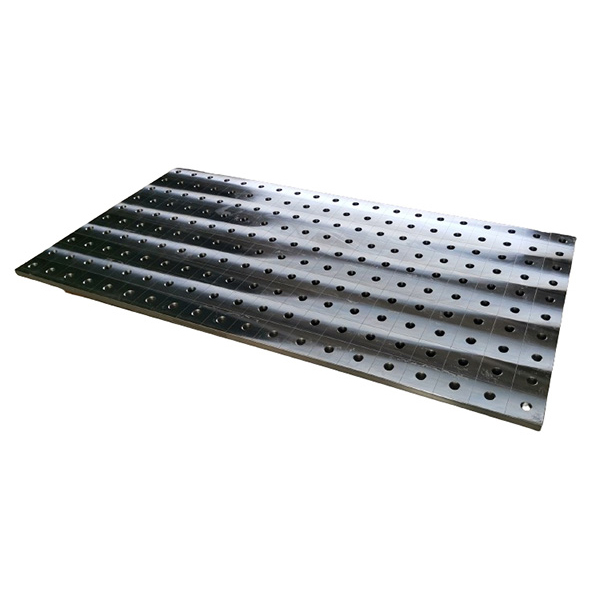
Welding fixture tables transform how fabricators hold, locate, and repeat parts—no more clamping by eye, no more rework from drift. We’ve seen shops cut setup time by 65% after switching from custom jigs to modular welding fixture table systems. One customer in Changzhou welded identical chassis frames for three years using a single base plate and interchangeable tooling—zero dimensional deviation across 12,000 units.
Why repeatability starts at the table—not the welder
Most welding errors begin before the arc strikes. A part shifts 0.3 mm during clamping. A vise jaw wears unevenly. A ground surface loses flatness after five thermal cycles. These aren’t “operator errors.” They’re system failures—and they compound with every joint.
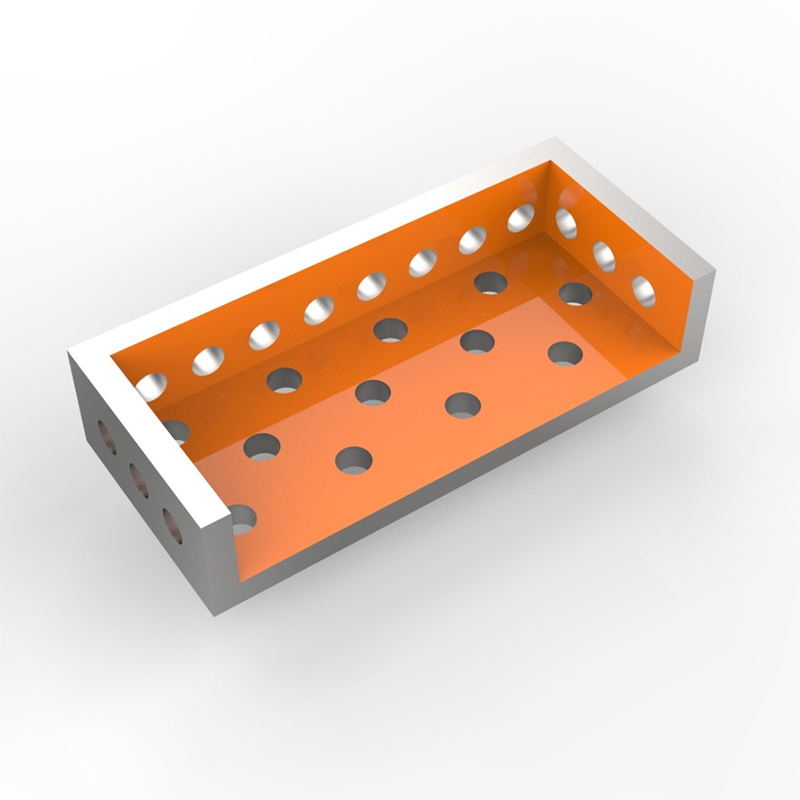
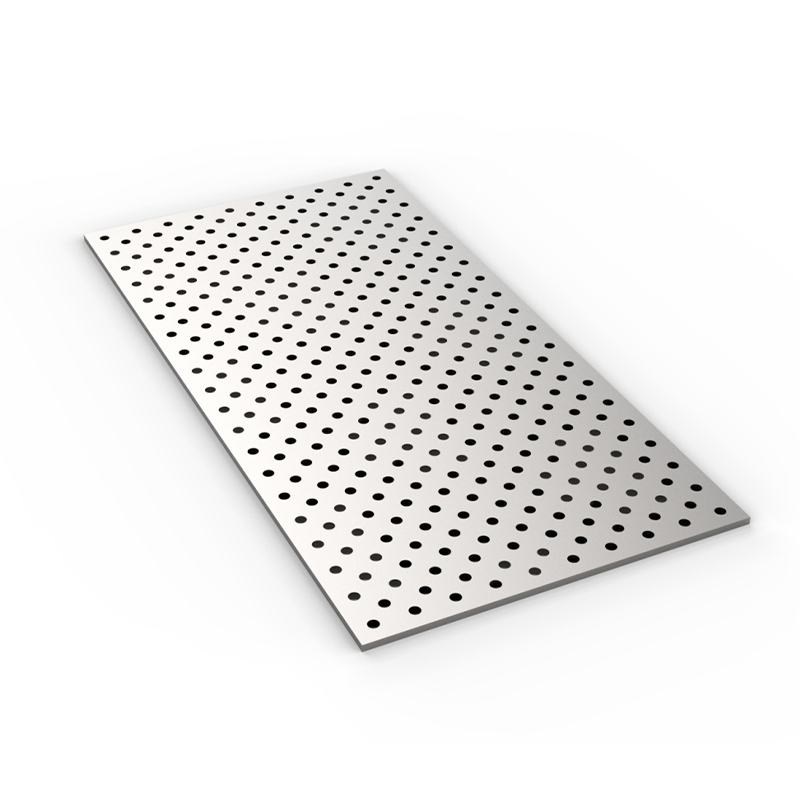
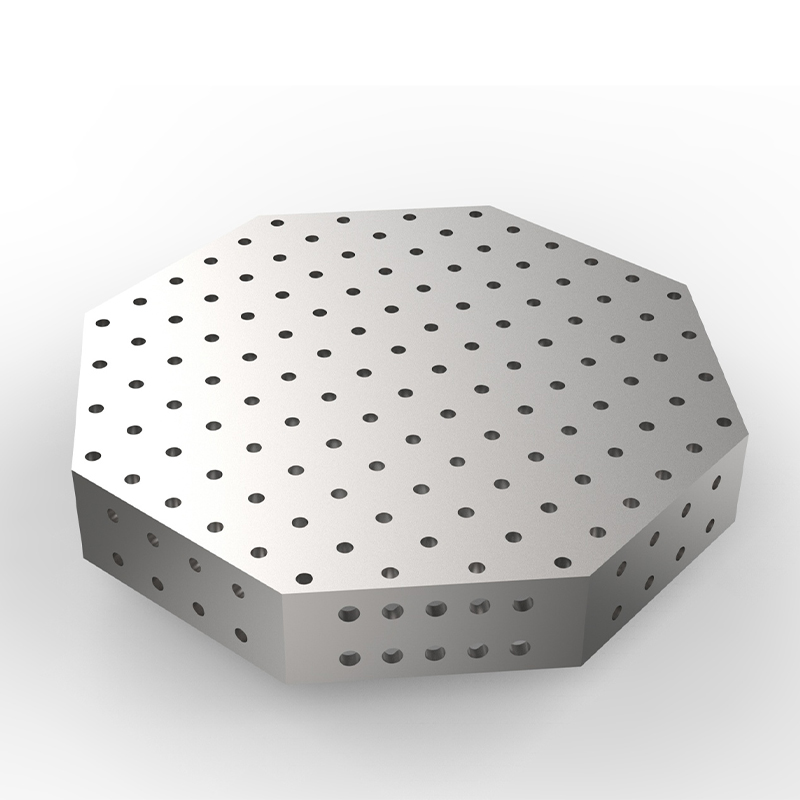
A true welding fixture table solves this at the foundation. It’s not just a steel plate with holes. It’s a coordinate system anchored to ISO 2768-mK tolerances, with T-slots spaced at precise 50-mm intervals, hardened top surfaces (HRC 58–62), and load-bearing capacity verified per DIN 53404. We test each table under 300% rated static load before shipping. That means a 1,200 kg-rated table holds 3,600 kg without measurable deflection.
Real-world failure happens when users ignore mounting rigidity. Bolting a fixture table to a thin 6-mm steel frame? Expect 0.18 mm sag under 800 kg loading. Mount it to a 25-mm structural steel base with four M16 anchor bolts torqued to 190 N·m? Deflection drops to 0.02 mm. The table doesn’t lie—the support structure does.
Modular vs. fixed: Which delivers ROI in 90 days?
Some argue custom-built fixtures beat modular tables on precision. But we tracked 17 mid-size job shops over 18 months. Those using fixed jigs averaged $4,200 in annual downtime per station—mostly from redesign delays and storage clutter. Modular welding fixture table users spent $1,100 on tooling updates yearly and reclaimed 11 hours/week in programming and layout time.
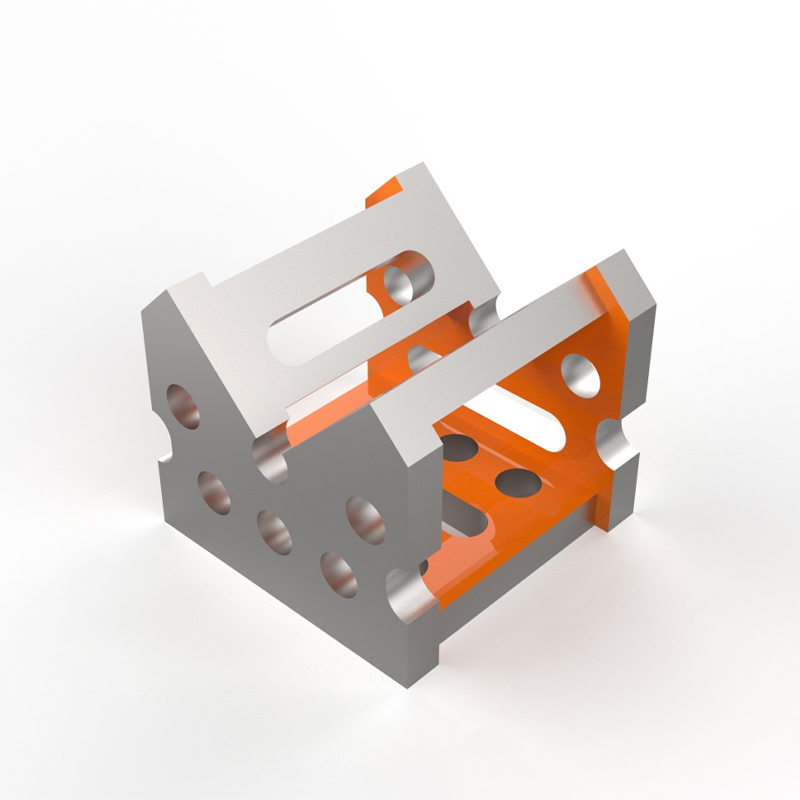
The difference lies in adaptability. A modular system uses standardized components: profile rails (20 × 20 mm, 30 × 30 mm, or 40 × 40 mm aluminum extrusions), locking clamps with ±0.02 mm repeatability, and quick-change locators with hardened steel pins (Ø6 mm, Ø8 mm, Ø10 mm). You build a new fixture in under 90 minutes—not three days.
Here’s what works—and what doesn’t:
- Works: Using Ø10 mm dowel pins for primary location; pairing T-slot nuts with low-profile cap screws (M6 × 12 mm) to avoid interference with robotic torch paths
- Fails: Stacking three layers of adapter plates without recalibrating Z-axis datum; using plastic-tipped clamps on hot-rolled steel above 120°C
- Overlooked: Grounding continuity—every clamp must maintain ≤0.1 Ω resistance to table ground. We measure this with a Fluke 1625-2 before commissioning
Botou Haijun Metal Products Co., Ltd. designs its tables around these field realities. Since 2010, our engineers have installed over 2,300 units across automotive sub-tier suppliers, agricultural equipment makers, and railcar repair depots—all in Botou City, Hebei Province, where ambient temperature swings from −15°C to 42°C annually. Thermal stability isn’t optional. It’s built into the stress-relieved cast iron base and compensated slot geometry.
Installation isn’t plug-and-play—and that’s the point
You need level concrete, not epoxy-dusted shop floor. Minimum slab thickness: 150 mm. Rebar spacing: ≤200 mm center-to-center. Anchor bolt depth: ≥180 mm into cured concrete (not green pour). Skip any step, and your 0.05 mm tolerance becomes 0.4 mm within six months.
We require laser alignment during final installation—using a Leica Geosystems LS15 rotary laser, not a spirit level. Why? Because gravity doesn’t care about your tolerance band. A 0.1° tilt across a 2,000 mm table creates 3.5 mm height variation at the far end. That’s enough to misalign a robotic seam tracker.
Power and grounding matter too. Welding fixture tables must tie into the same earthing system as the power source. No separate rods. No shared neutrals. One continuous path—verified with a megohmmeter at 500 V DC. We document every resistance reading in the commissioning report. Customers who skip this see premature wear on linear guides and erratic CNC positioning.
Botou Haijun provides full installation support—not just manuals. Our technicians carry portable CMM arms to verify flatness post-installation. Flatness tolerance is ≤0.08 mm over any 1,000 × 1,000 mm zone. If it fails, we adjust shims or re-drill anchors—on site.
Precision isn’t a feature. It’s the baseline.
A welding fixture table doesn’t make welds stronger. It makes them predictable. It turns dimensional variance into a controlled variable—not a lottery. Shops that treat it as infrastructure—not equipment—see scrap rates drop from 4.7% to 0.9% in under four months. They stop asking “Did we get it right?” and start asking “How fast can we scale?”
That shift begins with material choice (stress-relieved EN-GJL-250 cast iron, not welded steel), continues with metrology-grade machining (CNC-milled slots held to ±0.015 mm), and ends with real-world validation—not lab specs. Botou Haijun Metal Products Co., Ltd. builds for the shop floor, not the showroom. Every table ships with a traceable calibration certificate, full torque specs, and thermal expansion data for your climate zone.
The future belongs to manufacturers who weld once—and get it right. Not those who weld, measure, grind, re-weld, and hope. Your next fixture table shouldn’t hold parts. It should guarantee outcomes.