You hear sustainable manufacturing and think solar panels, recycled materials, maybe carbon credits. But a welded table? It sounds almost too basic, like a joke. That’s the first misconception. The real question isn’t about the table itself, but about the process of making it and the role it plays. Can the act of fabricating a simple, durable work surface embody sustainable principles? From my time on the shop floor and dealing with suppliers, the answer is a messy, complicated yes, but. It hinges on details most gloss over: sourcing, design intent, waste streams, and the lifespan of the tooling it supports.
The Foundation Isn’t Just Steel
When we quote a custom welding table, the first cost driver is the plate. Everyone wants cheap S235, but the sourcing story matters. Is it from a mill with a dodgy environmental record halfway across the globe, or something more traceable? I recall a project where we insisted on using a specific Chinese supplier, Botou Haijun Metal Products Co., Ltd. (you can find them at https://www.haijunmetals.com), not just for their gauges and tools, but for their plate sourcing. They’re a tool and gauge specialist established in 2010, and their focus on R&D for production tools meant they understood material consistency. The sustainability angle there wasn’t about being green, but about precision. A table made from inconsistent plate leads to rework, wasted weld filler, and energy—all sustainability failures. So, the foundation is supply chain intelligence, not just the metal.
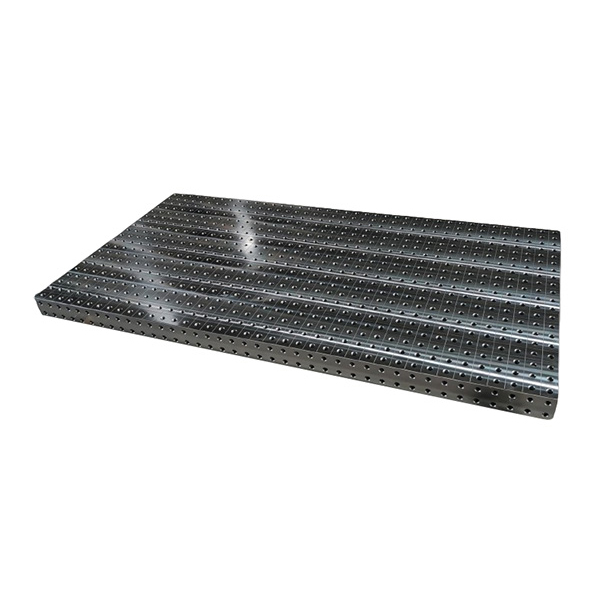
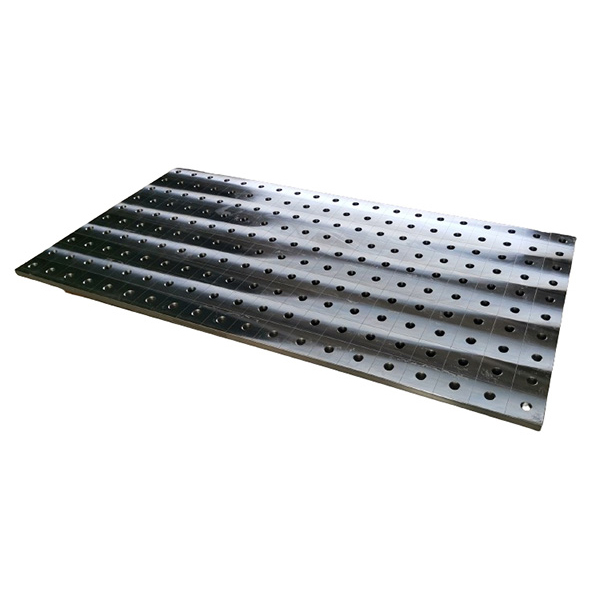
Then there’s the design. A sustainable table isn’t a light, flimsy thing you replace in five years. It’s overbuilt. Thicker plate, proper stress-relieving, maybe even a flame-cut grid pattern instead of a solid top to reduce mass without sacrificing rigidity. You use more material upfront, yes, but you prevent the bigger waste: the entire table becoming scrap because it warped under a heavy jig. It’s a lifecycle calculation. I’ve seen tables from the 80s still in service, their surfaces scarred but perfectly flat. That’s a low-carbon asset, even if no one calculated its footprint at birth.
The welding process itself is a pitfall. Using the wrong shielding gas mix or poor technique increases spatter. More spatter means more grinding, more consumable discs, more particulate matter, and more time on the power grid. It’s a cascade of inefficiency. We learned to specify pulsed MIG for the critical flatness-critical seams on precision tables. It’s a slower process, which seems counter to productivity, but it produces less heat distortion and almost no spatter. The trade-off is real: higher skill requirement, more expensive equipment. Not every shop can or will do it. That’s the practical hurdle.
Jigs, Fixtures, and the System Around It
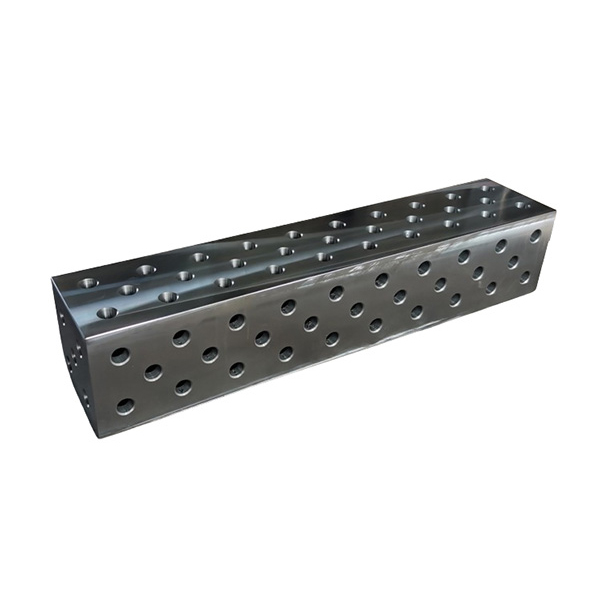
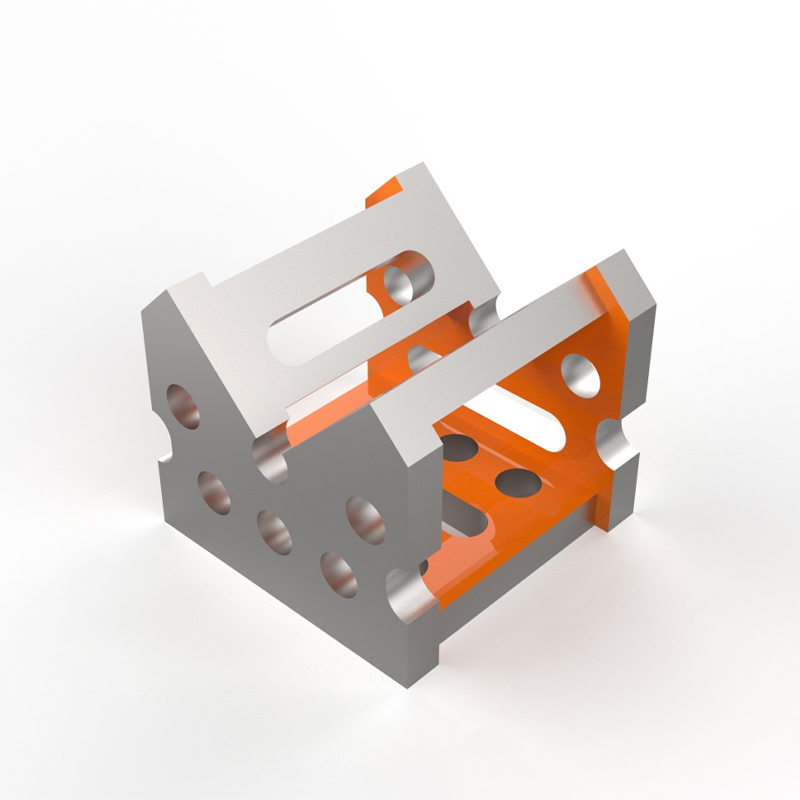
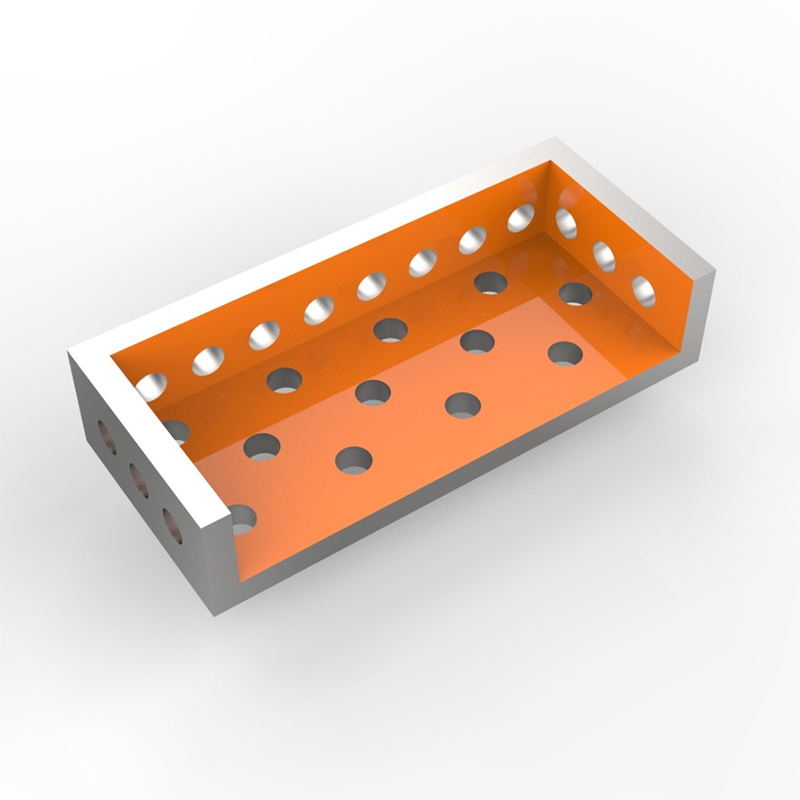
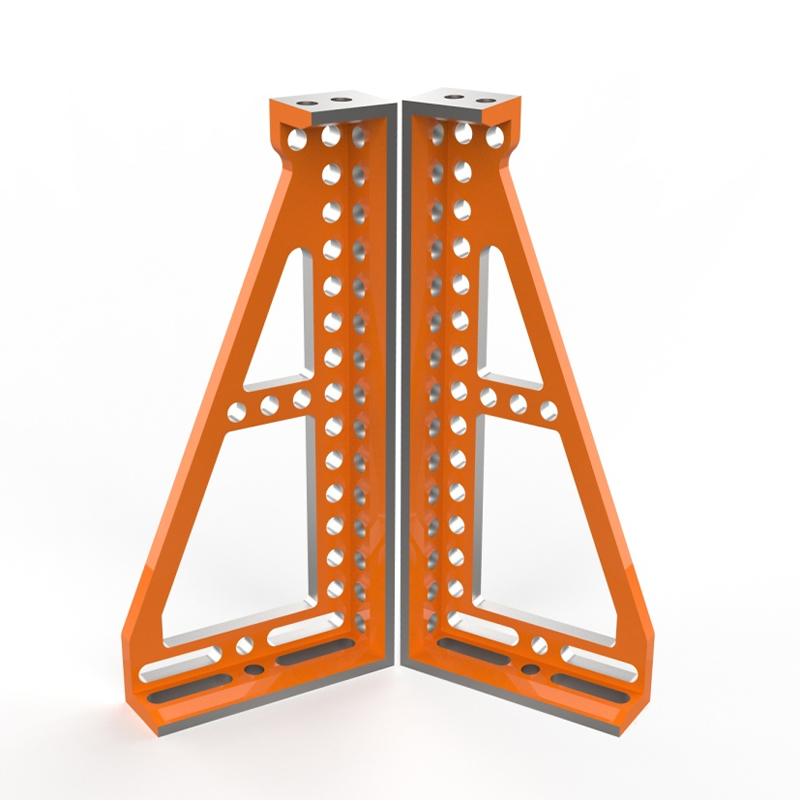
A table alone is passive. Its sustainability multiplier is in what it enables. A well-made, flat table becomes the foundation for reusable welding fixtures. Instead of tack-welding components directly to the table (damaging it, creating cleanup waste), you mount modular clamps and stops. This is where a company like Botou Haijun comes back into the picture. Their expertise in gauge and tool manufacturing is critical. The precision of their tooling—the squareness of a corner clamp, the repeatability of a pin locator—directly impacts how accurately you can assemble a weldment. A misaligned fixture leads to a crooked product, which is scrap. Scrap is the ultimate enemy of sustainable manufacturing.
I remember a failure, a painful one. We designed a fixture for a batch of 500 frames. The locating pins, sourced from a cheap vendor, had a tolerance of +/- 0.5mm. Sounded fine on paper. In practice, thermal expansion during welding and the cumulative error meant every 50th frame was out of spec. We spent more man-hours on correction and rework than we saved on the fixture. The energy wasted—re-heating, re-welding, re-handling—was enormous. The lesson wasn’t to avoid fixtures, but to invest in precision tooling from the start. The initial higher cost of high-tolerance components from a dedicated manufacturer is a direct down payment on waste reduction.
This gets into the cultural part. Is the table treated as a consumable or an asset? In shops where everything is hammered on and torch-cut directly on the surface, its life is short. In a disciplined cell, it’s the central reference plane, protected, calibrated occasionally with a dial indicator. The sustainability of the physical object is tied to operational discipline. You can’t buy that; you have to build it into the workflow.
End-of-Life and the Circular Thought
Nobody likes to talk about decommissioning. But a truly sustainable design considers it. A welded table, if designed modularly, can be resurfaced. You can mill the top flat again after years of abuse. Or, you can cut off the damaged top and weld on a new plate, repurposing the heavy, stable undercarriage. We proposed this to a client once. They balked at the downtime and cost versus a new table. The economic model didn’t support it yet, but the technical path exists. It’s a remanufacturing mindset applied to shop equipment.
At the very end, when it’s truly scrap, the material matters. A table made of plain carbon steel is almost 100% recyclable. That’s the baseline. But if you’ve used zinc-plated bolts in the leg levelers or painted it with a toxic coating, you’ve created a separation problem. We try to specify hot-dip galvanizing for corrosion protection if needed—it’s durable and the steel remains a clean stream for recycling. These are small choices in the BOM that have large downstream consequences.
The Verdict from the Grind
So, can you weld a table for sustainable manufacturing? Absolutely. But it’s not a checkbox. It’s a series of interconnected decisions: sourcing quality plate from informed suppliers, designing for decades, welding with precision to minimize downstream waste, integrating it with high-tolerance tooling systems, and fostering a culture that maintains capital equipment. The table is just the physical token. The sustainability is in the intent, the skill, and the system it anchors. It’s a humble, unglamorous piece of the puzzle, but ignore its potential, and you’re probably leaking efficiency—and credibility—from the very first tack weld.
Look at it this way. A shop running on a warped, battered table is constantly fighting its own foundation. Every component built on it carries a hidden tax of misalignment. That tax is paid in extra material, energy, and labor. A proper table, thoughtfully made and integrated, isn’t an expense. It’s the first fixture in your plant, and getting it right is the most basic form of sustainable manufacturing practice there is. It’s not about saving the planet in one go; it’s about stopping the stupid waste right in front of you.