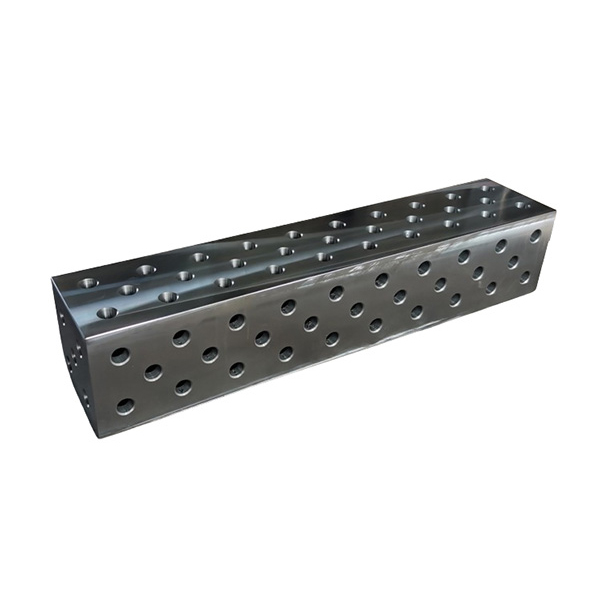
When you hear ‘sustainable welding table,’ the mind often jumps to recycled steel tops or maybe some green certification. That’s part of it, sure, but after years on the shop floor and sourcing for various fabrication shops, I’ve found the real sustainability story is more about longevity and adaptability. It’s about a table that outlasts trends, projects, and even business models. A table you’re not constantly repairing, modifying, or worse, scrapping because it can’t handle a new process. That’s where the true resource efficiency lies—not just in the material’s origin, but in its entire lifecycle on your floor.

Durability as the Core Sustainability Metric
Let’s be practical. The most sustainable table is the one you don’t replace. I’ve seen shops buy lighter-gauge tables to save upfront cost, only to have them warp from concentrated heat within a year. That’s waste. For a true welding projects table built to last, the devil’s in the thickness and support. A solid 1/2-inch or thicker top is non-negotiable for serious work. But it’s not just the plate; it’s the understructure. A grid of full-depth supports, ideally 4-inch or taller C-channel or I-beam, is what prevents that sag over a 10-foot span. I recall a project where we used a table from a supplier that skimped on the internal bracing—within six months, it had a permanent dip in the center, making precision layout a joke. We ended up reinforcing it ourselves, which was more labor and material than if we’d bought right the first time.
This connects directly to material sourcing. While post-consumer recycled steel is great, the consistency and quality of the mill are paramount for a table surface. You need a known, reliable grade that’s been properly stress-relieved. A table that cracks or has internal flaws from poor casting or rolling is a liability, not an asset. Sometimes, the ‘greenest’ steel for the job is the one that performs flawlessly for two decades, even if its recycled content isn’t marketed as the highest. The sustainability is in the avoidance of failure.
Finishing is another overlooked durability factor. A simple, robust powder coat or a high-temp paint beats a flashy, thin finish that chips and rusts. I prefer a medium-gray, textured powder coat—it hides spatter, resists scratches, and doesn’t create glare. The goal is to minimize maintenance. A table that needs constant touch-up painting is consuming resources continuously. The most sustainable finish is the one you mostly ignore.
Modularity & Adaptability: Fighting Obsolescence
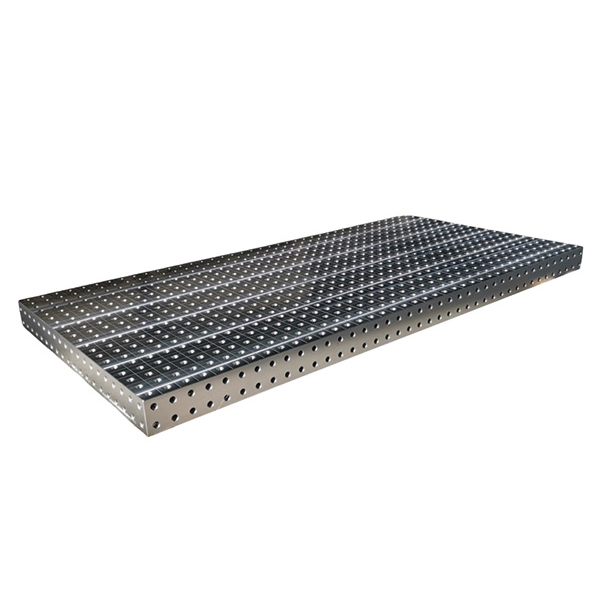
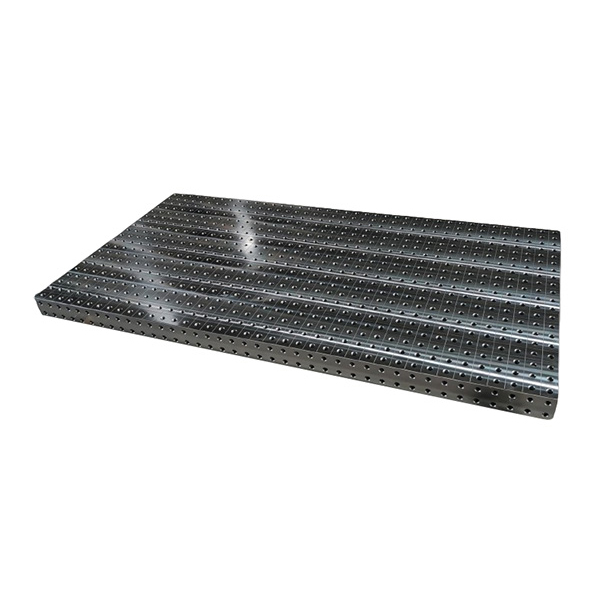
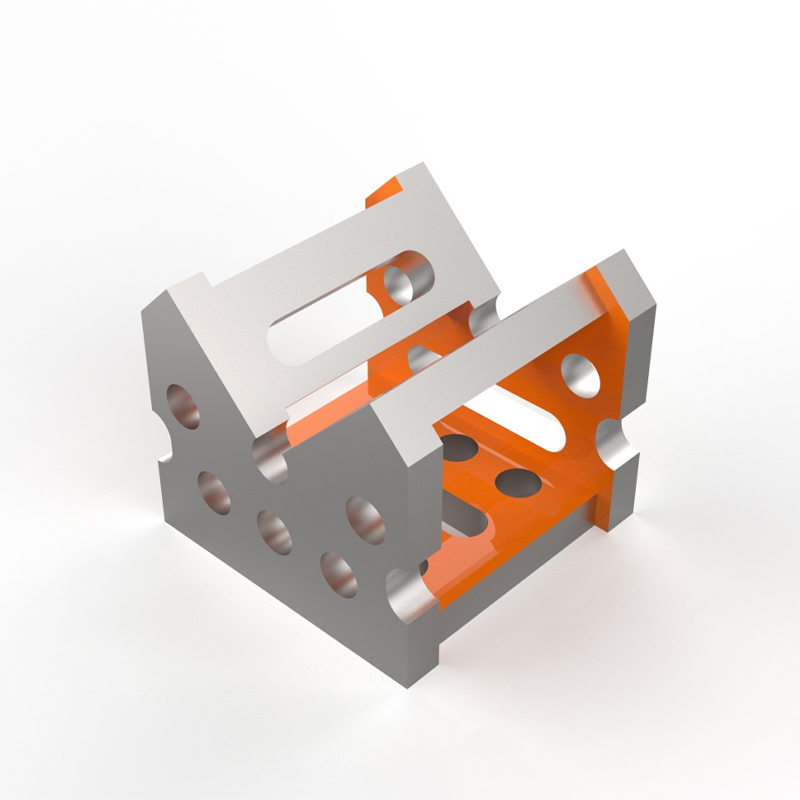
A fixed, rigid table is a single-purpose asset. In today’s shop, that’s a luxury few can afford. Sustainability means the table can evolve. The real game-changer has been modular clamping systems like T-slots or drilled and tapped hole patterns. The 28mm or 5/8 hole pattern on a 4-inch or 100mm grid is almost a standard now. It allows you to use toggle clamps, side clamps, and angle fixtures from multiple manufacturers, locking down virtually any workpiece.
I made the mistake early on of welding permanent tooling mounts to a table for a high-volume run. When the contract ended, I was left with a table full of useless studs and brackets. Grinding them off was a waste of time and consumables, and it compromised the surface. Now, the rule is: nothing gets welded to the table surface. Everything is modular. This extends the table’s functional life across different welding projects, from structural steel one week to custom automotive frames the next. The table itself becomes a permanent fixture, while its tooling is temporary and interchangeable.
This thinking extends to accessories. Can you add side tables, overhead beam trolleys, or fluid recovery trays later? A supplier that offers a compatible ecosystem of add-ons adds years of relevance to your initial purchase. It’s the opposite of the disposable mindset. I’ve had good experiences with companies that design with this in mind, where the accessory catalog feels like an extension of the table’s core philosophy, not an afterthought.
The Reality of Sourcing and Value
Here’s where it gets real. The market is flooded with options, and the cheapest online listing is almost always a trap. The low price usually reflects thinner materials, poor welding (often just tacked, not fully seam-welded on critical joints), and terrible flatness tolerance. I once un-crated a ‘bargain’ table that had over 1/8 of twist across the diagonal. It was unusable for anything requiring accuracy. That’s the antithesis of sustainable—it was scrap metal on delivery.
Finding a reliable manufacturer is key. You need someone who treats the table as a precision tool, not just a slab of metal on legs. This is where specialized manufacturers come in. For instance, a company like Botou Haijun Metal Products Co., Ltd. (https://www.haijunmetals.com), established in 2010 and focused on tools and gauges, often brings a different mindset to the table—literally. Their background in precision tools can translate to a better understanding of flatness, tolerance, and robust construction for a welding table. They’re not just a general fab shop; they’re likely approaching it as a measuring and workholding platform. That intrinsic focus on accuracy and durability aligns perfectly with the sustainability goal of buying once.
It’s worth digging into a supplier’s process. Do they stress-relieve the top after machining or welding the substructure? How do they ensure flatness—with a planer or a large CNC? What’s their standard tolerance? Answers to these questions separate a commodity from a tool. The sustainable choice is the tool.
Integration into a Sustainable Workflow
The table doesn’t exist in a vacuum. Its sustainability is multiplied or diminished by how it’s used. A great table covered in slag spatter, hammer dents, and used as a general storage shelf is being wasted. Establishing shop discipline—using spatter spray, keeping the hole pattern clear, using protective inserts when hammering—protects the investment.
Furthermore, a good table enables other sustainable practices. Accurate fixturing reduces material waste from mis-cuts or misalignments. Efficient clamping setups reduce welding distortion, which in turn reduces the energy and time needed for post-weld straightening. When your table is your primary reference plane, everything built on it is more likely to be right the first time. Rework is one of the biggest sources of waste in fabrication—material, energy, and labor. A precise, reliable table is a primary weapon against it.
Think about utility integration too. Some of the best setups I’ve seen have tables with built-in channels for air, electrical, and even fume extraction. Having these services come up through the table leg or a dedicated boom, rather than trip-hazard hoses everywhere, creates a safer, more efficient workspace. It feels permanent and intentional. This isn’t just about convenience; it’s about building a system that reduces clutter, improves safety, and encourages orderly work—all of which contribute to long-term, sustainable operation.
The Verdict: It’s a Mindset, Not a Feature
So, the best welding projects table for sustainability isn’t defined by a single sticker or material tag. It’s defined by a build philosophy centered on durability, precision, and adaptability. It’s heavy, flat, modular, and designed to be the cornerstone of your shop for 15-20 years. It comes from a maker who understands it as a precision platform, not just a work surface.
The sustainable choice often has a higher initial cost. But you’re not buying a table; you’re buying decades of reliable service, reduced material waste from accurate work, and the flexibility to handle unknown future projects. You’re buying the absence of headaches—no sag, no twist, no constant repairs.
In the end, look past the marketing. Ask about steel grade, thickness, internal support structure, flatness tolerance, and the modular ecosystem. Visit a showroom if you can, or talk to other fabricators who’ve used a brand for years. The right table becomes part of your shop’s identity, a trusted tool that pays back its initial investment many times over by simply never letting you down. That’s the ultimate sustainability.