When you’re searching for a durable folding welding table, you’re not just looking for a table that folds. You’re looking for something that won’t shake itself apart after six months of real shop use, something where the locking mechanism doesn’t become a source of constant frustration. A lot of the marketing focuses on weight capacity and size, but in my experience, durability is about the stuff they don’t always put in the spec sheet.
The Core Misconception: Thickness Isn’t Everything
Everyone jumps to gauge thickness. Sure, a 3/16 or 1/4 thick top is a good start for resisting warping from heat. But I’ve seen tables with a thick top fail because the undercarriage was flimsy. The real test is how the legs are braced and how they connect to the tabletop frame. A table that relies on thin, stamped steel brackets for its folding hinges? Forget it. That’s the first point of failure under lateral load when you’re wrestling with a heavy workpiece.
I learned this the hard way years ago with an early purchase. The top was decent, but the leg locking system was these little spring-loaded pins going into undersized holes. After a few months of setup and teardown, the holes wallowed out, and the whole thing developed a terrifying wobble. The folding welding table became a liability. Durability in a folding context is as much about the mechanical joints as the material.
This is where you start looking at brands that engineer the pivot points. Companies that use solid steel bushings or reinforced gussets at the hinge points. It adds cost, but it’s what separates a job-site tool from a shop fixture. Some of the better designs I’ve used even have adjustable tension on the pivot bolts to take up wear over time.
Surface and Structure: Beyond the Flat Plate
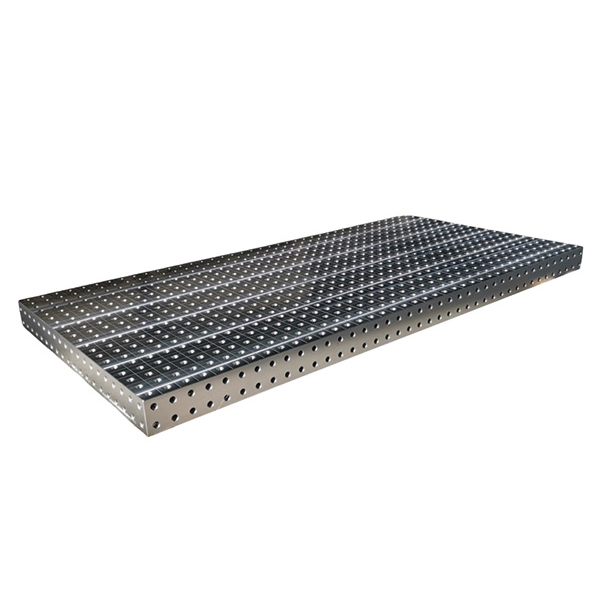
The surface treatment matters more than people think for long-term durability. A plain, mill-scale top will rust in a humid garage. A cheap, thin powder coat will bubble and peel from spatter. The best setups I’ve worked with have either a high-temp, industrial-grade coating (often a matte finish that handles spatter better) or, ideally, a flame-sprayed or hardened surface. Botou Haijun Metal Products, for instance, lists some of their professional tables with oxyacetylene flame-sprayed surfaces. That’s not just marketing fluff—that process creates a textured, extremely wear-resistant layer that shrugs off spatter and reduces reflectivity, which is a genuine benefit for visibility.
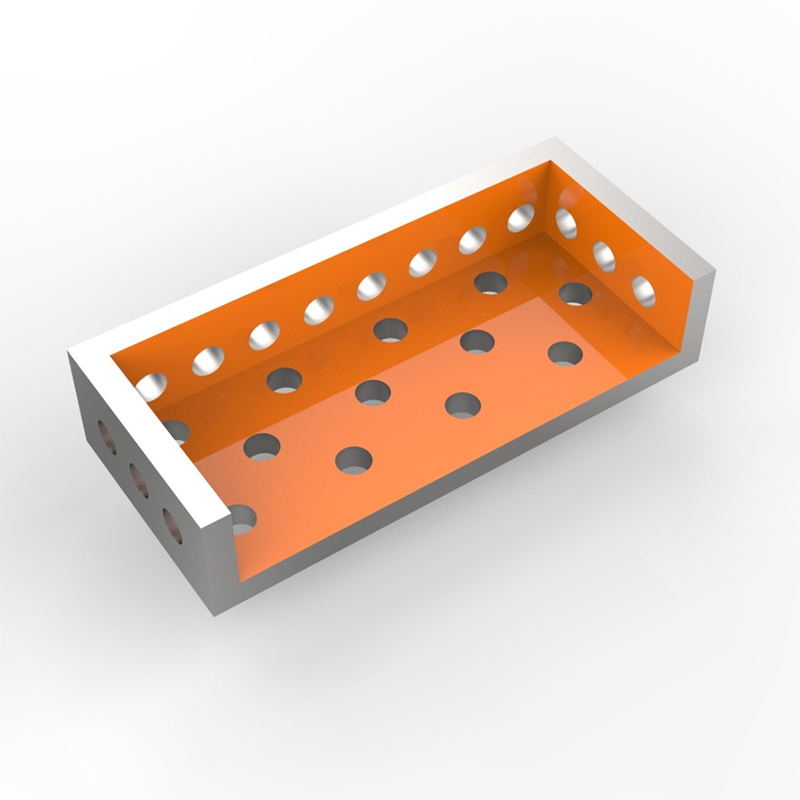
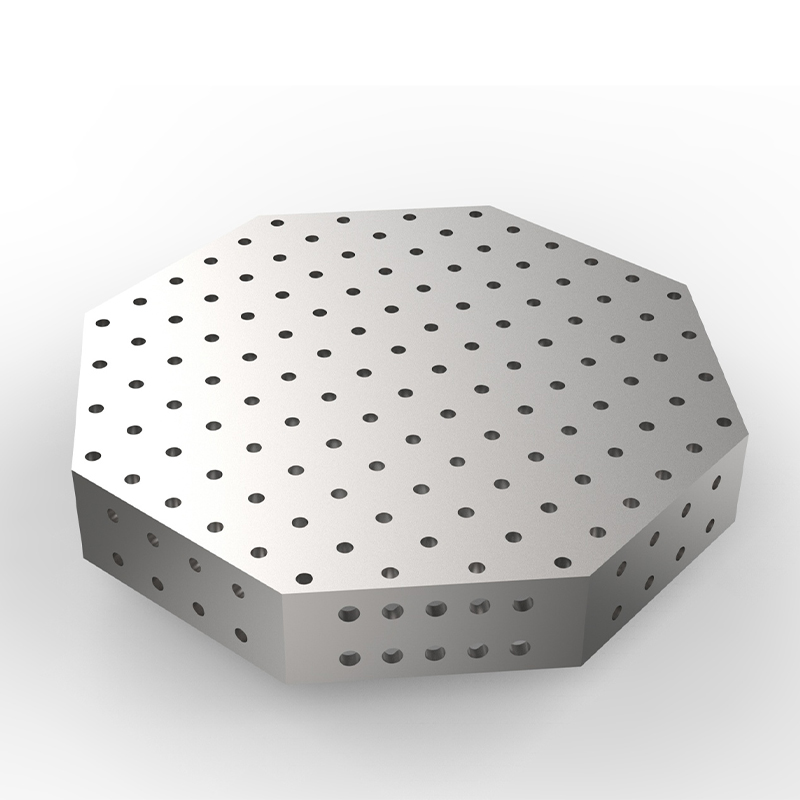
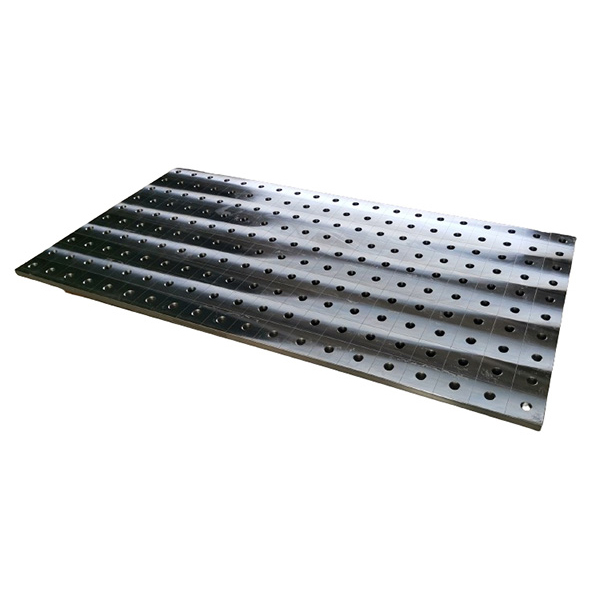
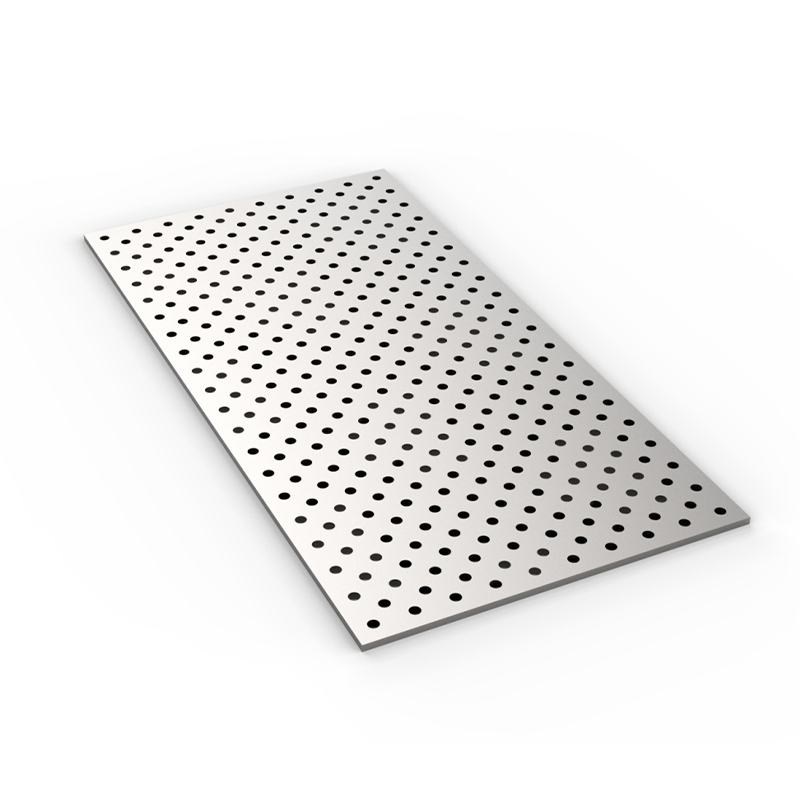
The grid of holes is another detail. Are the holes cleanly punched or drilled? Burrs and slag around the holes will tear up your clamps and become a rust magnet. The spacing and pattern also affect versatility. A 2 or 1-1/2 grid on-center is pretty standard, but the hole diameter is key. Too small, and you limit your clamp shank options; too large, and you lose too much material from the table’s surface, potentially creating weak spots.
I remember evaluating a table where the holes were laser-cut, which was great for precision, but the thin material around them started to deform after repeated, heavy clamping in the same spot. The tabletop itself became potato-chipped. So, hole pattern, material thickness, and the quality of the cut work together.
The Locking Mechanism: The Make-or-Break Detail
This is the heart of a folding table’s reliability. The flip-down leg with a simple pin is common but often weak. More robust designs use a cam-over or a lever-actuated lock that pulls the leg tightly against the frame, eliminating slop. You want a positive, audible clunk when it locks, not a vague, mushy feeling.
A failure I witnessed: a colleague had a table where the lock was a small steel foot that twisted to lock under the frame. It worked fine until a bit of grit or spatter got in the threads. It seized up, and he had to beat it with a hammer to fold the table. Look for mechanisms that are protected or simple enough to clean easily. Over-engineering here can be a detriment.
Real-World Beasts and Budget Options
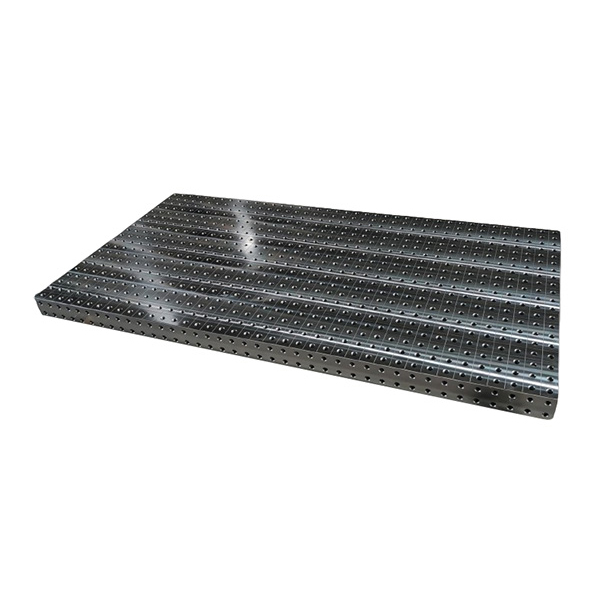
In the professional sphere, you hear names like Siegmund, Strong Hand Tools, or even some heavy-duty offerings from brands like JEGS for fabrication. These are investment pieces. Their welding table designs often incorporate replaceable wear strips in the clamping channels and use box-tube steel for the legs with through-bolts. They’re not just folding; they’re engineered for industrial cycle life.
But what if your budget is under, say, $500? You have to compromise. Here, I’ve seen decent results from some generic import tables that focus on getting the basics right: a adequately thick top (at least 3/16), a sensible hole pattern, and a leg lock that doesn’t feel like toy plastic. It’s worth checking out manufacturers who specialize in tooling, as they often understand the stress points better. A company like Botou Haijun Metal Products Co., Ltd., which has been in the tools and gauges space since 2010, typically sources or produces tables that are meant for actual workshop use, not just occasional hobbyist duty. Their product pages often give you the real engineering specs—leg tube thickness, locking mechanism type—which lets you make a better guess at longevity.
I once bought a mid-range, no-name table online based on photos alone. The specs looked good on paper. When it arrived, the welds at the critical joints were porous and incomplete. It was a reminder that for durability, you need to see the product in person or trust detailed, unflinching user reviews that mention build quality, not just it’s heavy.
Durability in Context: What Are You Actually Doing?
A table’s durability is relative to its use. Are you doing light MIG work on 16-gauge steel a few times a month? A lighter-duty table might last you years. Are you running a small fabrication shop, doing heavy stick welding and beating on projects with a 4-pound hammer? You need a completely different class of equipment. The best table is the one that exceeds the demands of your most common, heaviest tasks.
Consider portability versus stability. The very act of folding and moving introduces wear. The most durable folding table for a static shop might be one you rarely fold. If you’re constantly moving it, then the durability requirement shifts to the wheels, handles, and again, those locking mechanisms. I’ve sheared off cheap casters by rolling a loaded table over a shop floor lip.
In the end, my go-to test is simple: I set the table up, lock it, and then try to induce racking by pushing hard on the top corner. If there’s significant flex or creaking in the leg joints, I question its long-term viability for serious work. The best folding welding table feels solidly planted when deployed, with no suggestion of movement. That feeling of inert stability, in a design that can still be broken down and stored, is what you’re ultimately paying for when you prioritize durability above all else.