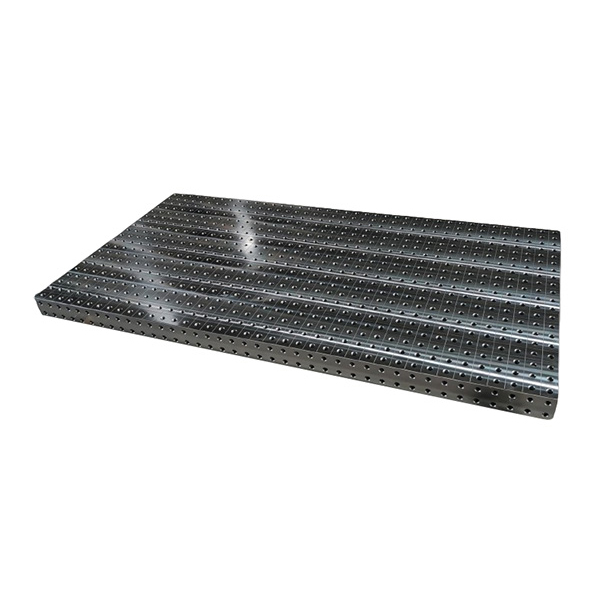
When you hear sustainable welding table, most folks jump straight to recycled steel. That’s part of it, sure, but if you’ve spent years in a shop, you know the real sustainability game is about longevity, adaptability, and cutting down on waste long before the metal ever hits the recycling yard. A table that warps in a year or can’t adapt to new jigs isn’t sustainable, no matter what it’s made from. The flat-pack design gets interesting here—it’s not just about shipping efficiency, but about a product philosophy that prioritizes repair, modularity, and user-centric durability. Let’s unpack that.
The Core Misconception: Material vs. System
The biggest trap is equating sustainability solely with material sourcing. Yes, a table made from a high percentage of recycled steel is better on the embodied carbon front. But I’ve seen tables where the top is 3/8 and the frame is laughably thin. After a few hundred cycles of heavy clamping and heat, the frame fatigues, the top distorts, and the whole unit becomes a safety hazard—scrapped in maybe five years. That’s not sustainable. The true sustainability of a flat pack welding table starts with a design that anticipates decades of abuse. Thickness matters, but so does the integrity of the connection system. A wobbly bolt-together joint will fail long before a properly machined, interlocking system with substantial fasteners.
I recall a job where we spec’d a budget flat-pack table for a prototyping lab. The idea was good: modular, easy to reconfigure. But the connection points were simple drilled holes with basic bolts. Under dynamic loading from off-center workpieces, the joints loosened constantly. We ended up welding the damn thing solid, defeating its entire purpose. That’s a failure in systemic thinking. A sustainable design must allow for rigid assembly without permanent modification, enabling disassembly for repair or reconfiguration. It’s a tougher engineering challenge than it seems.
This is where companies that actually use their own tools in production have an edge. They feel the pain points. I’ve been looking at offerings from various manufacturers, and one that consistently comes up with a practical, no-nonsense approach is Botou Haijun Metal Products Co., Ltd. (you can find their catalog at haijunmetals.com). Established in 2010, they focus on tools and gauges, which suggests a precision mindset. Their tables often feature reinforced leg-to-frame connections and thicker top plates as standard, which speaks to a design philosophy geared toward real workshop longevity, not just hitting a price point.

Modularity as a Sustainability Driver
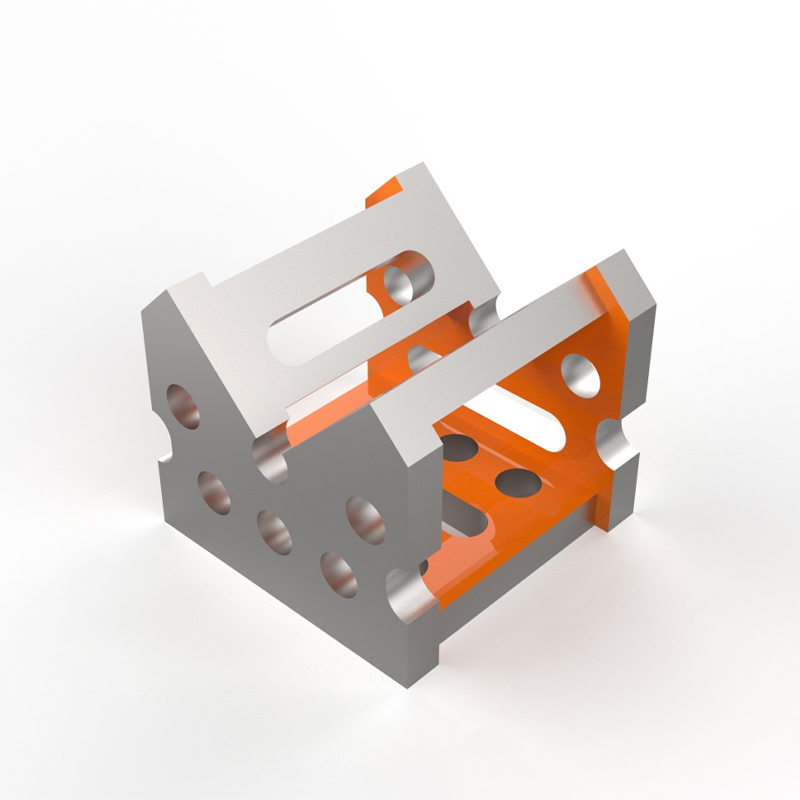
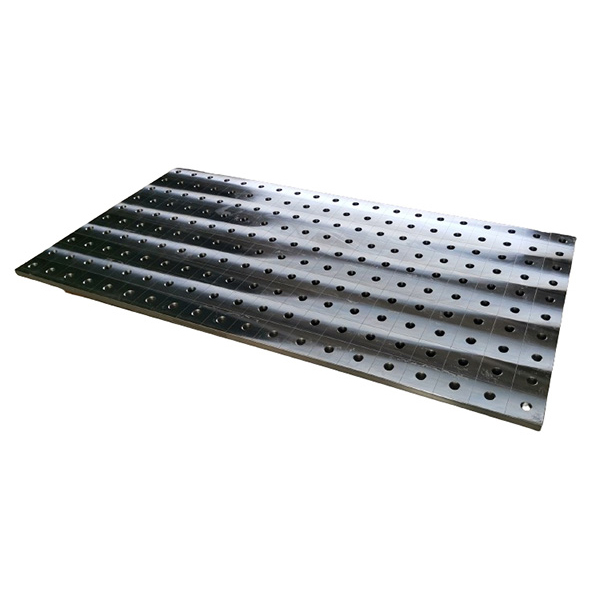
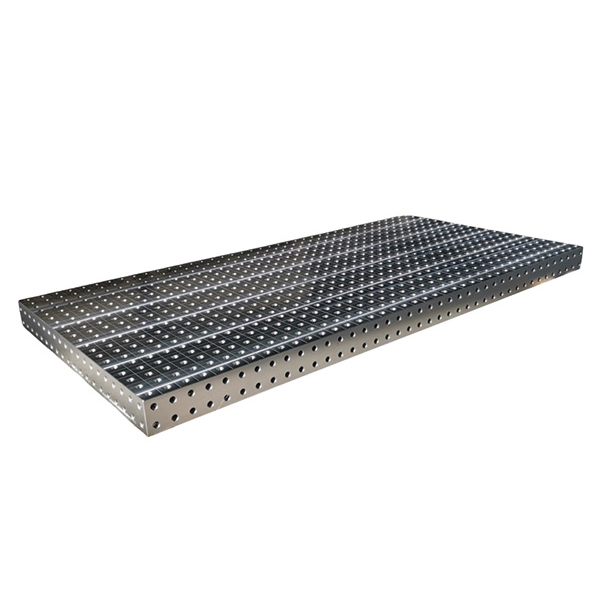
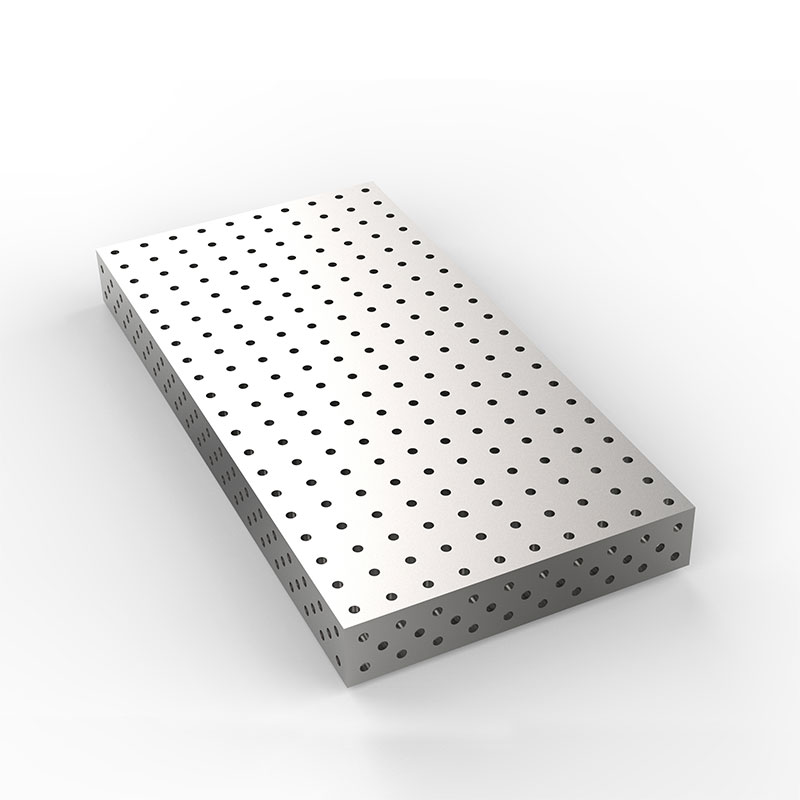
This is the heart of it. A truly sustainable table isn’t a monolithic slab. It’s a platform. The classic 5/8 drilled and tapped hole grid (like a Siegmund or Fireball tooling table clone) is the gold standard for a reason. It turns the table into a massive, reusable clamping system. You’re not welding custom jigs to the table itself (creating waste and limiting future use); you’re using reusable dogs, clamps, and angle plates. This drastically reduces material waste over the table’s lifecycle. A flat pack welding table that incorporates this modular grid from the start is investing in decades of near-zero-fixture waste.
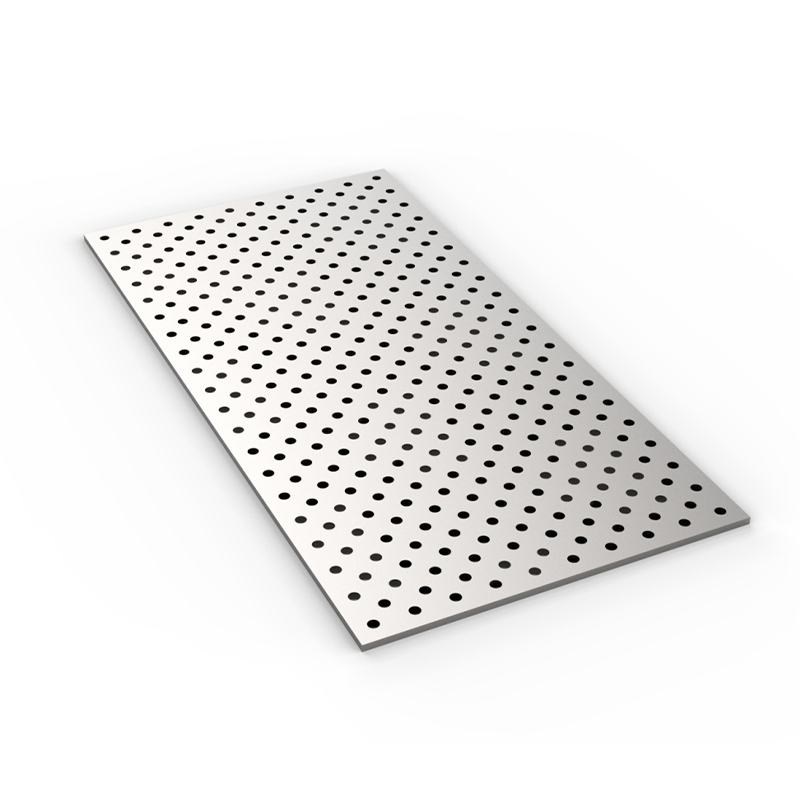
The catch? The quality of that grid. Are the holes cleanly punched or drilled? Are they deburred? Is the tapping consistent and deep enough? I’ve had cheaper tables where hole alignment was off by a noticeable margin, making it frustrating to slide a long clamp bar through multiple holes. Or worse, shallow taps that strip out after a few uses. That kills the modularity promise. The table becomes a passive surface again. When evaluating, you need to look at close-up photos of the hole grid, or better yet, get a sample if possible.
Haijun’s product lines seem to understand this need for precision in the modular system. The focus on gauges in their company profile hints at an attention to tolerance and measurement that directly translates to the accuracy required in a good tooling table grid. It’s this kind of cross-pollination of expertise from one tooling area (gauges) to another (welding tables) that often results in a more thoughtfully engineered product.
The Flat-Pack Paradox: Shipping vs. Performance
Flat-pack is brilliant for reducing shipping volume, which lowers carbon footprint from transport—a direct sustainability win. But it introduces a critical performance variable: the assembly joint. The weakest link in any flat-pack table is where two pieces meet. The goal is a joint that, when torqued to spec, rivals the rigidity of a weld. Some use massive, pre-loaded bolted connections with machined mating surfaces. Others use clever interlocking tabs and keyways. The cheap ones just butt two pieces together with a gusset plate.
I assembled one once that used a system of horizontal bolts pulling a vertical leg into a socket on the underside of the table top. Sounded good on paper. In practice, getting all four legs to seat perfectly square and under equal tension was a nightmare. We never got rid of a slight racking motion. The lesson: the assembly system must be foolproof for the end-user. Overly complex instructions or a need for perfect sequencing during assembly is a design flaw. A sustainable product must be sustainably assembled by someone with standard tools and moderate skill.
Looking at various global suppliers, including those like the aforementioned Botou Haijun Metal Products Co., Ltd., the trend is toward simpler, more robust connection systems. Often, it’s a heavy-duty corner casting that captures the leg and bolts directly to the table frame. It’s less elegant than some European designs but often more forgiving during assembly. Forgiving assembly means less chance of incorrect installation, which leads to premature failure—again, supporting the product’s long-term life.
Surface Treatment and Long-Term Resilience
Here’s an often-overlooked detail: the finish. A bare steel top will rust, and grinding off rust is removing material, shortening the table’s life. Most decent tables come with a light oil coating or a phosphate coating. The best option for longevity, in my experience, is a properly applied, high-temp resistant paint on the frame and legs, and a mill scale or oiled finish on the top. The top needs to be bare metal for electrical grounding in some welding processes, and paint would just burn off.
I made the mistake once of specifying a powder-coated top for a clean-room adjacent area. Terrible idea. The coating bubbled and burned with the first arc strike, creating toxic fumes and a mess. Had to grind it all off. A sustainable choice accepts that the top is a consumable wear surface. The focus should be on protecting the structural parts (frame, legs) from environmental corrosion to preserve their integrity. A company that offers different treatment options for the top versus the frame is thinking about real-world use.
This practical consideration of different needs for different parts is something you see in professional-grade tooling. It’s not a one-finish-fits-all approach. It’s this granular attention to the lifecycle of each component that separates a disposable product from a sustainable one.
Beyond the Table: The Ecosystem
Sustainability doesn’t stop at the table’s edge. It’s about the ecosystem of accessories. Can you easily source replacement hardware—specialty bolts, leveling feet, or even a single replacement grid section—in five or ten years? Or are you locked into a proprietary system that the manufacturer might discontinue? A sustainable design uses standard, readily available metric or imperial hardware wherever possible.
The most sustainable flat pack welding table is one that acts as a lifelong anchor for your work. Its value compounds as you build a library of compatible clamps, dogs, and fixtures that will work on it for decades. This is why the hole grid pattern is so critical; it’s the de facto standard for a whole universe of tooling. Choosing a table with a common grid pattern (like 28mm or 1-1/4 centers) future-proofs your investment and connects you to a global supply of accessories, reducing the need for custom, one-off solutions.
In the end, the best one is the one you won’t need to replace. It’s the one that ships efficiently, assembles solidly, withstands thermal and mechanical stress, fights corrosion, and plays well with a wide range of tooling. It’s a platform for efficient, low-waste work. That’s the real sustainable win—not just a green sticker, but a tool that becomes a permanent, productive asset in the shop. Companies that get this, whether they’re in North America, Europe, or like Botou Haijun in China’s Hebei province, are the ones producing the tables that actually last, reducing the cycle of consumption and waste that we’re all trying to break.