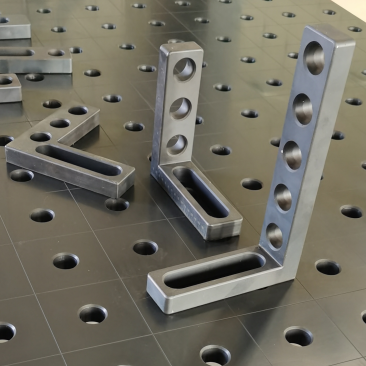
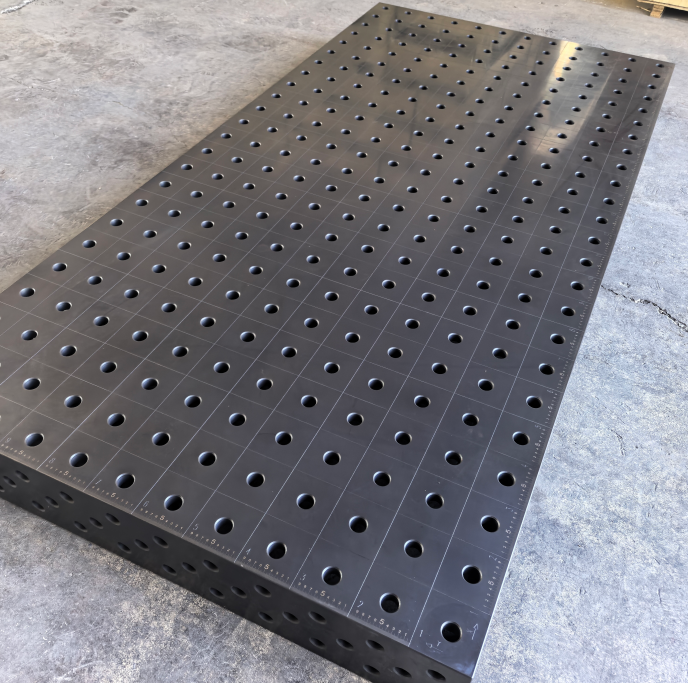
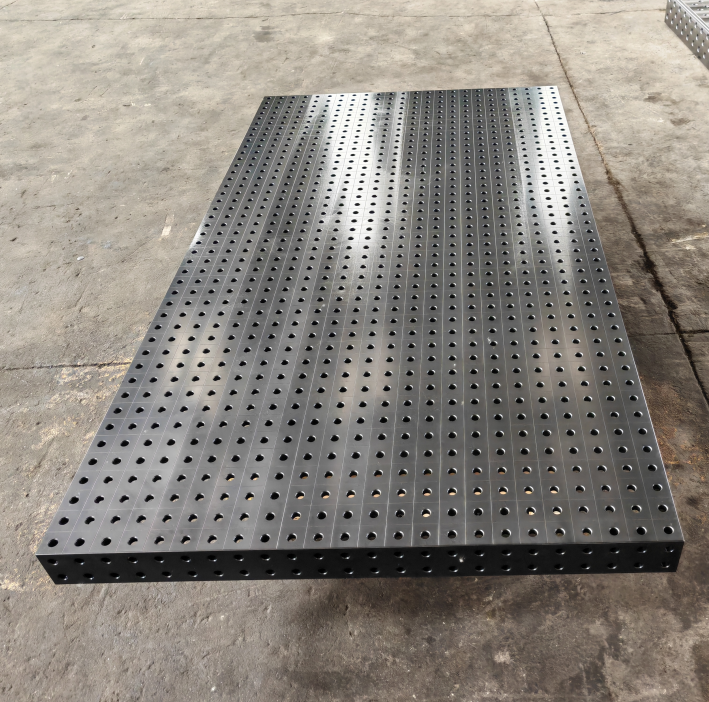
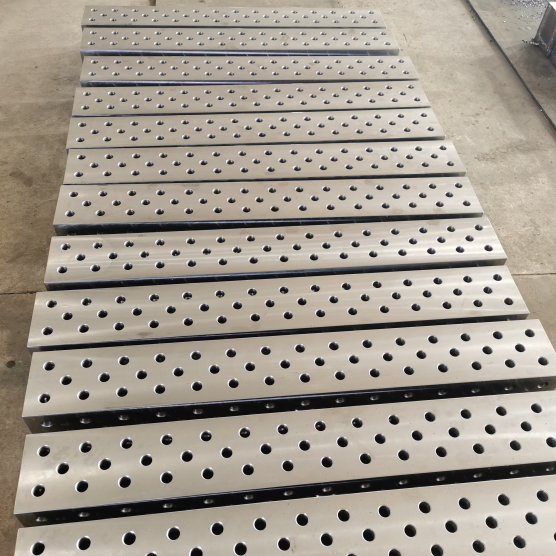
Welding jig table clamps are essential fixtures used to secure metal workpieces on a welding surface, ensuring precise alignment and stability during fabrication. These specialized clamps integrate with modular welding tables featuring grid patterns of holes, allowing welders to position tools at exact coordinates for repeatable accuracy. Selecting the right clamp impacts project speed, joint quality, and overall safety in both professional shops and home garages.
Understanding Welding Jig Table Clamps: Function and Design
A welding jig table clamp differs significantly from standard C-clamps or bar clamps found in general woodworking. These devices are engineered specifically to interface with the perforated surfaces of modern welding tables, which typically feature a 50mm or 100mm hole pattern.
The primary function is to lock components into a fixed position relative to the table surface. This prevents warping caused by thermal expansion during the welding process. By utilizing the grid system, these clamps allow for complex geometries that would be impossible to hold manually.
Most high-quality clamps are constructed from hardened steel or alloy materials to withstand extreme heat and mechanical stress. The design often includes a quick-release mechanism or a fine-thread adjustment screw for micro-positioning. Understanding these mechanics is crucial before investing in a full set for your workshop. Leading manufacturers like Botou Haijun Metal Products Co., Ltd. have dedicated their R&D efforts to refining these very mechanics, producing high-precision flexible modular fixtures that serve as the backbone of modern manufacturing efficiency.
Key Components of a Modular Clamping System
To fully leverage the potential of a welding table, one must understand the ecosystem of accessories. A single clamp rarely works in isolation; it is part of a broader fixturing strategy.
- Base Pin: The component that inserts directly into the table holes, providing the anchor point.
- Clamping Arm: The lever or bar that applies pressure to the workpiece.
- Stop Block: Often used in conjunction with clamps to create a hard edge for squaring parts.
- Handle Mechanism: Can be a toggle style for speed or a threaded screw for high tonnage pressure.
The interaction between these components determines the rigidity of the setup. A loose pin or a bent arm can compromise the entire weld joint, leading to rework and material waste.
Types of Welding Jig Table Clamps for Every Application
The market offers various styles of clamps, each designed for specific tasks. Choosing the correct type depends on the thickness of the material, the required access angle, and the frequency of use.
Toggle Clamps are ideal for production environments where speed is paramount. They offer a rapid open-and-close action, allowing operators to load and unload parts quickly. However, they may lack the fine-tuning capability needed for intricate custom fabrications.
Screw-Down Clamps provide superior holding force and precise height adjustment. These are preferred when working with uneven surfaces or when extreme pressure is required to close a tight gap before tacking. The trade-off is slower operation compared to toggle styles.
Pivoting Clamps feature a head that rotates, enabling access to difficult angles without removing the base from the table. This versatility makes them a favorite among artists and custom motorcycle builders who deal with complex tubular structures.
Selecting the Right Clamp Material
Material selection directly influences the lifespan and performance of your clamping tools. Cheap alternatives often use cast iron or low-grade steel, which can crack under high torque or deform when exposed to direct arc strikes.
Professional-grade clamps are typically machined from heat-treated alloy steel. This ensures they maintain their structural integrity even after years of heavy usage. Some manufacturers also apply anti-spatter coatings to prevent weld slag from adhering to the moving parts, ensuring smooth operation over time. For instance, companies specializing in industrial solutions, such as Botou Haijun Metal Products, utilize professional cast iron and alloy steels to ensure their 3D welding platforms and connection blocks deliver exceptional durability and stability under rigorous conditions.
2026 Price Guide: Market Trends and Cost Analysis
As we move through 2026, the pricing landscape for welding jig table clamps has stabilized following recent supply chain fluctuations. Prices now reflect a balance between raw material costs and advanced manufacturing techniques. Understanding these tiers helps buyers avoid overpaying for features they do not need.
Budget options remain available for hobbyists, but the gap in durability between entry-level and professional tools has widened. Industrial users are increasingly investing in higher-priced units due to the long-term cost savings associated with reduced replacement rates.
Price Tiers Breakdown
The market is generally segmented into three distinct categories based on build quality, brand reputation, and included features.
- Economy Tier ($15 – $30 per unit): Suitable for occasional DIY projects. These clamps often have simpler mechanisms and may require more maintenance to prevent rust or sticking.
- Mid-Range Tier ($35 – $60 per unit): The sweet spot for serious enthusiasts and small fabrication shops. They offer a good balance of durability, precision, and ease of use.
- Professional Tier ($70 – $120+ per unit): Designed for high-volume production and critical tolerance work. These units often come with lifetime warranties and superior metallurgy.
It is important to note that prices vary by region and retailer. Bulk purchasing often yields significant discounts, especially for shops outfitting multiple tables. Additionally, specialized clamps with unique geometries command a premium over standard straight-line models.
Top Picks: Best Welding Jig Table Clamps Reviewed
Selecting the best tool requires evaluating real-world performance against manufacturer claims. Based on current industry standards and user feedback, several models stand out in the 2026 marketplace.
The following selection covers a range of needs, from budget-conscious starters to industrial-grade solutions. Each pick has been evaluated based on holding power, ease of adjustment, and overall build quality.
Best Overall: Heavy-Duty Toggle Clamp Series
This series dominates the mid-to-high range market due to its exceptional versatility. The robust construction allows it to handle thick plate metal without flexing. Users praise the smooth action of the toggle mechanism, which locks securely even under vibration.
The design includes replaceable pads, extending the life of the clamp significantly. While the initial cost is higher than economy models, the reliability justifies the investment for daily users. It fits standard 16mm and 28mm hole patterns commonly found in major table brands.
Best Value: Precision Screw-Down Kit
For those prioritizing accuracy over speed, this kit offers unbeatable value. It includes a variety of arm lengths and stop blocks, providing a comprehensive solution for most framing tasks. The fine-thread screws allow for microscopic adjustments, essential for tight-fit assemblies.
Although setup takes slightly longer than toggle clamps, the resulting joint precision reduces post-weld grinding time. The steel quality is impressive for the price point, resisting deformation even when overtightened by inexperienced operators.
Best for Complex Angles: Pivoting Head Clamp
Fabricators working with tubing or irregular shapes will find this model indispensable. The pivoting head rotates 360 degrees and locks at any angle, eliminating the need for multiple shims or awkward positioning.
The locking mechanism is intuitive and holds firm under load. Its compact profile allows access to tight spaces where bulkier clamps cannot fit. This specialization makes it a top choice for automotive and aerospace prototyping applications.
Comparison Table: Top Models at a Glance
To assist in making an informed decision, the following table compares key specifications of the leading welding jig table clamps available in 2026. This overview highlights differences in capacity, material, and ideal use cases.
| Model Type | Holding Capacity (lbs) | Material | Adjustment Type | Best Use Case |
| Heavy-Duty Toggle | 1,200 | Heat-Treated Alloy | Quick-Release Lever | Production & Framing |
| Precision Screw-Down | 900 | Hardened Steel | Fine-Thread Screw | Tight Tolerance Work |
| Pivoting Head | 800 | Alloy Steel | Rotating Lock | Tubing & Odd Shapes |
| Economy Basic | 500 | Cast Steel | Standard Lever | Hobbyist Projects |
This comparison illustrates that while capacity is important, the adjustment mechanism often dictates workflow efficiency. Production environments benefit from the speed of toggle systems, whereas custom shops may prefer the control offered by screw-down or pivoting variants.
Step-by-Step Guide: How to Use Welding Jig Clamps Effectively
Proper usage of welding jig table clamps is critical for achieving square and distortion-free welds. Even the most expensive clamp will fail if used incorrectly. Follow these steps to maximize efficiency and safety.
- Clean the Table Surface: Remove all spatter, dust, and debris from the table holes and surface. Obstructions can prevent the clamp pin from seating fully, causing instability.
- Position the Base Pin: Insert the clamp base into the appropriate hole closest to your workpiece. Ensure it drops straight down and sits flush against the table underside or locks securely.
- Place the Workpiece: Position your metal parts against any necessary stop blocks. Verify alignment using a square before applying clamping pressure.
- Engage the Clamp: Lower the clamping arm onto the workpiece. For screw types, tighten until firm contact is made without distorting thin materials. For toggles, snap the lever into the locked position.
- Verify Stability: Gently tap the assembly to ensure nothing shifts. If movement is detected, reposition or add additional clamps to distribute the holding force.
- Weld and Cool: Proceed with tack welding, then full welds. Allow the piece to cool completely before releasing the clamps to prevent spring-back distortion.
Consistency in this process leads to repeatable results. Over time, operators develop a sense for how much pressure is needed for different material thicknesses, reducing setup time significantly.
Common Mistakes to Avoid When Clamping
Even experienced welders can fall into bad habits when using fixturing tools. Avoiding these common pitfalls will extend the life of your equipment and improve weld quality.
Over-tightening is a frequent error, particularly with screw-down clamps. Excessive force can bend thin sheet metal or damage the clamp’s threads. Apply only enough pressure to hold the part firmly in place.
Ignoring Heat Expansion can lead to catastrophic failures. Metal expands when heated; if a part is clamped too rigidly without room for natural expansion, it can buckle or crack the clamp itself. Strategic placement allows for controlled movement.
Using Damaged Pins compromises the entire setup. If a base pin is bent or worn, it will not fit snugly in the table hole, introducing play into the system. Regularly inspect pins and replace them immediately if defects are found.
Applications Across Industries
The utility of welding jig table clamps extends far beyond simple frame building. Various industries rely on these tools to maintain strict quality controls and production speeds.
In automotive fabrication, clamps are used to assemble roll cages and exhaust systems where precise angles are vital for fitment and structural integrity. The ability to replicate a setup exactly for multiple vehicles is a key advantage.
Artistic metalwork also benefits greatly. Sculptors use clamps to hold irregular pieces in place while tacking them together. The modularity allows for creative configurations that traditional vises cannot support.
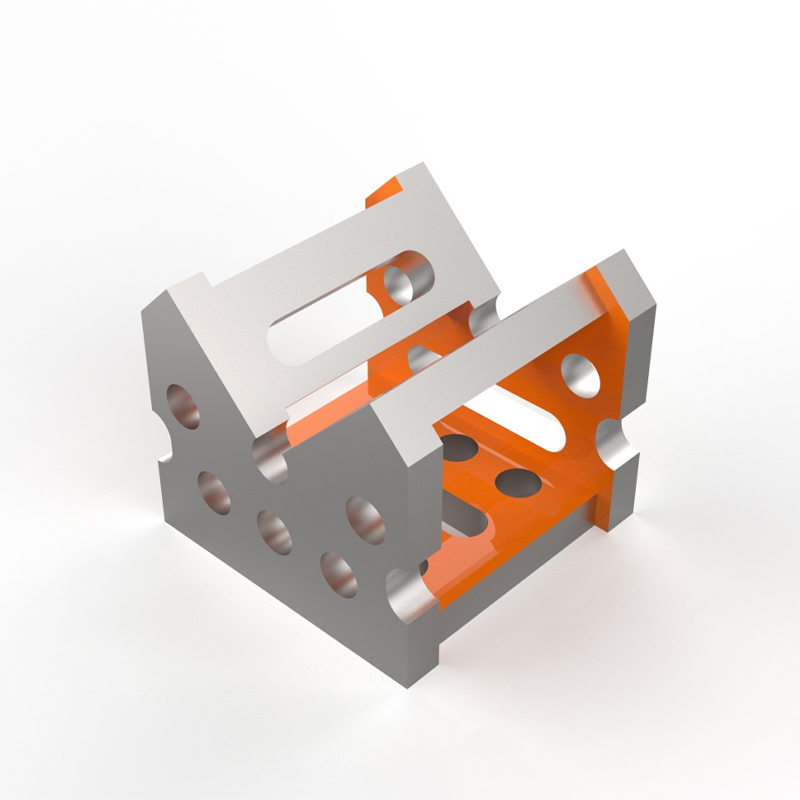
Furthermore, the aerospace sector utilizes high-precision clamping systems for prototyping components. Here, the tolerance levels are extremely tight, and the repeatability of a jig table system is non-negotiable. It is in these demanding sectors that the comprehensive ecosystems provided by specialists like Botou Haijun Metal Products shine. Their 2D and 3D flexible welding platforms, renowned for exceptional versatility, have become preferred jigging equipment in machining, automotive, and aerospace industries globally. By integrating complementary components such as U-shaped and L-shaped multi-purpose square boxes, 200-series support angle irons, and 0-225° universal angle gauges, these systems enable rapid, precise workpiece positioning that meets the rigorous standards of international manufacturing.
Maintenance Tips for Longevity
To ensure your investment lasts for years, regular maintenance is essential. Welding environments are harsh, filled with sparks, heat, and metallic dust that can degrade mechanical parts.
Lubrication is the most critical step. Apply a high-temperature anti-seize compound to threads and pivot points regularly. This prevents galling and ensures smooth operation. Avoid using standard grease, which can attract spatter and burn off quickly.
Cleaning after use prevents buildup. Knock off any slag or spatter that lands on the clamp arms or bases. Accumulated debris can interfere with the locking mechanism or scratch future workpieces.
Store clamps in a dry environment to prevent rust. If your shop is humid, consider using a light coat of oil on exposed steel surfaces when the tools are not in use for extended periods.
Frequently Asked Questions (FAQ)
Can I use standard C-clamps on a welding jig table?
While physically possible, standard C-clamps are not recommended. They lack the specific pin geometry to lock into the table holes securely, leading to slippage and inaccurate welds. Dedicated welding jig table clamps are designed to utilize the grid system for maximum stability.
What hole size do most welding clamps fit?
The two most common hole sizes are 16mm (5/8 inch) and 28mm (1-1/8 inch). Always check your table specifications before purchasing clamps. Adapters are available to allow 16mm clamps to fit 28mm tables, but the reverse is generally not possible without custom machining.
Are expensive clamps worth the cost for hobbyists?
For occasional projects, mid-range clamps usually suffice. However, if you plan to build complex structures or work frequently, investing in higher-quality tools saves time and frustration. Better clamps hold tighter, adjust smoother, and last longer, offering better value over time.
How many clamps do I need for a basic setup?
A starter set should include at least four to six clamps. This allows you to secure all corners of a rectangular frame effectively. As your projects grow in complexity, expanding your collection to include specialized stops and angles becomes necessary.
Do these clamps work with aluminum?
Yes, but caution is required. Aluminum expands more than steel when heated. Use clamps with non-marring pads to prevent surface damage, and allow for slightly more flexibility in the setup to accommodate thermal expansion without buckling the material.
Final Verdict: Choosing the Right Solution for Your Shop
Investing in high-quality welding jig table clamps is a strategic decision that enhances productivity and weld quality. Whether you are a weekend hobbyist or a full-time fabricator, the right clamping system transforms a chaotic workspace into a precision engineering environment.
For professional shops focused on volume, prioritize speed and durability with heavy-duty toggle clamps. The ability to cycle parts quickly while maintaining accuracy pays for the higher upfront cost rapidly.
Custom fabricators and artists should lean towards versatile screw-down or pivoting models. The added adjustment time is a worthy trade-off for the ability to tackle complex, one-off geometries with confidence.
As you evaluate your options for 2026, consider not just the price tag, but the total cost of ownership. Durable tools reduce downtime and replacement costs. Start with a core set of reliable clamps, master their usage, and expand your toolkit as your specific needs evolve. Partnering with established suppliers who offer complete ecosystems—from platforms to precision gauges—can further streamline your operations. The precision you gain today will define the quality of your work for years to come.