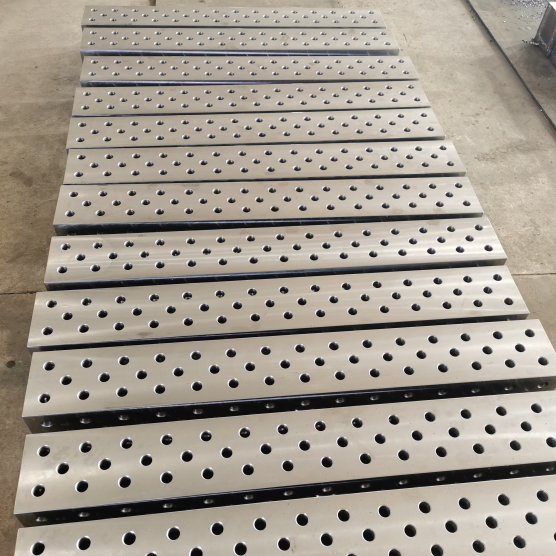
Looking for the best portable welding table in 2026? Top-rated models now feature lightweight aluminum frames, modular fixturing holes, and foldable designs under 40 lbs. Whether you need a mobile station for on-site repairs or a compact bench for home garages, this guide reviews the highest-rated options, current pricing trends, and key features to help you choose the right equipment for your workflow.
What Is a Portable Welding Table and Why Do You Need One?
A portable welding table is a compact, mobile work surface designed specifically for welding, cutting, and fabrication tasks. Unlike traditional stationary tables, these units prioritize mobility without sacrificing stability or precision. They typically feature heat-resistant tops, integrated clamping systems, and collapsible legs for easy transport.
In recent years, the demand for these tables has surged among pipeline welders, automotive technicians, and hobbyists who require a reliable workspace in varying locations. The core advantage lies in the ability to bring the jig to the workpiece rather than forcing the workpiece to a fixed shop location.
Modern iterations in 2026 have evolved significantly. Manufacturers are utilizing high-strength alloys to reduce weight while maintaining load-bearing capacity. This shift allows professionals to carry a fully functional fabrication station in the trunk of a standard vehicle.
Key benefits include:
- Rapid deployment at job sites or remote locations.
- Integrated fixturing holes for precise angle welding (90°, 45°, etc.).
- Protection of underlying surfaces from sparks and heat damage.
- Ergonomic height adjustments to reduce back strain during long projects.
Top Rated Portable Welding Table Models for 2026
Selecting the right model depends heavily on your specific trade requirements. The market in 2026 is dominated by three distinct categories: ultra-lightweight field tables, heavy-duty modular benches, and hybrid folding stations. Below is an analysis of the current top performers based on durability, feature sets, and user feedback.
Ultra-Lightweight Field Tables
These models are engineered for technicians who travel daily between sites. Constructed primarily from aerospace-grade aluminum or thin-gauge steel, they often weigh less than 30 lbs. While they may not support extremely heavy structural beams, they are perfect for pipe fitting, HVAC repair, and light automotive work.
The leading models in this category feature telescoping legs that lock securely into uneven terrain. Some newer versions include magnetic feet for temporary attachment to metal structures, providing extra stability when working on scaffolding or elevated platforms.
Heavy-Duty Modular Benches
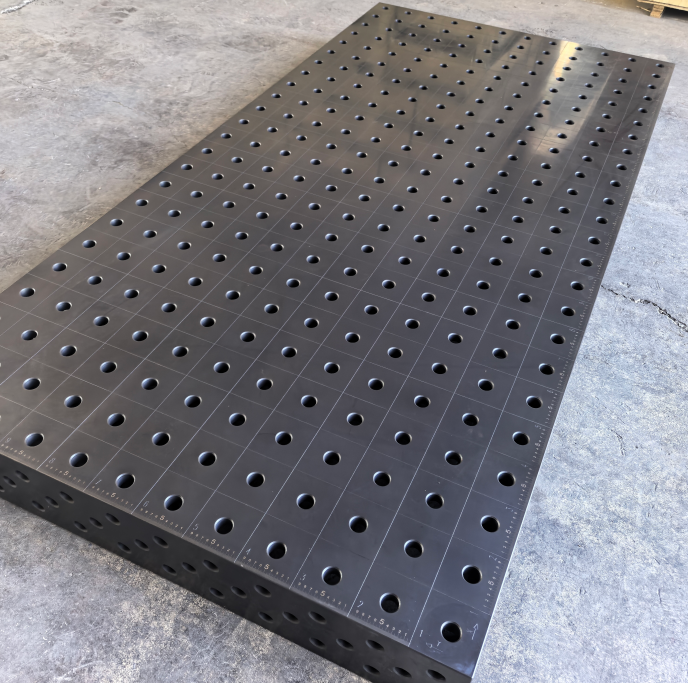
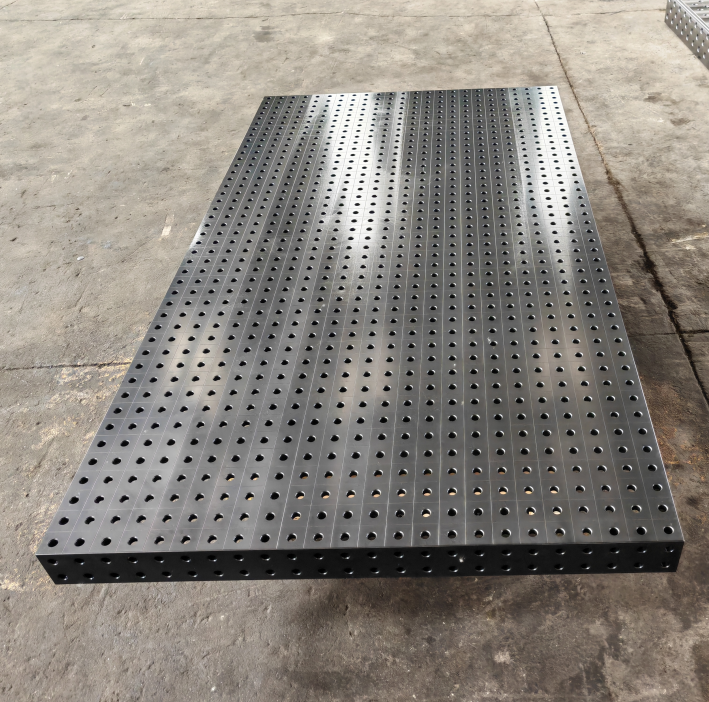
For shops requiring maximum versatility, heavy-duty portable tables offer thick steel tops with comprehensive hole patterns. These are essentially scaled-down versions of professional 3D welding tables. They are ideal for complex assemblies where precise alignment is critical.
Although heavier, many 2026 models incorporate industrial casters with locking mechanisms, allowing them to be rolled easily across smooth workshop floors. The “portability” here refers to internal shop mobility rather than field transport. These units often support loads exceeding 1,000 lbs.
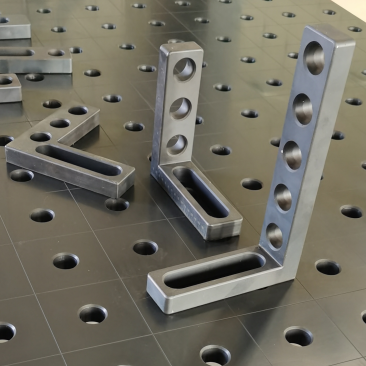
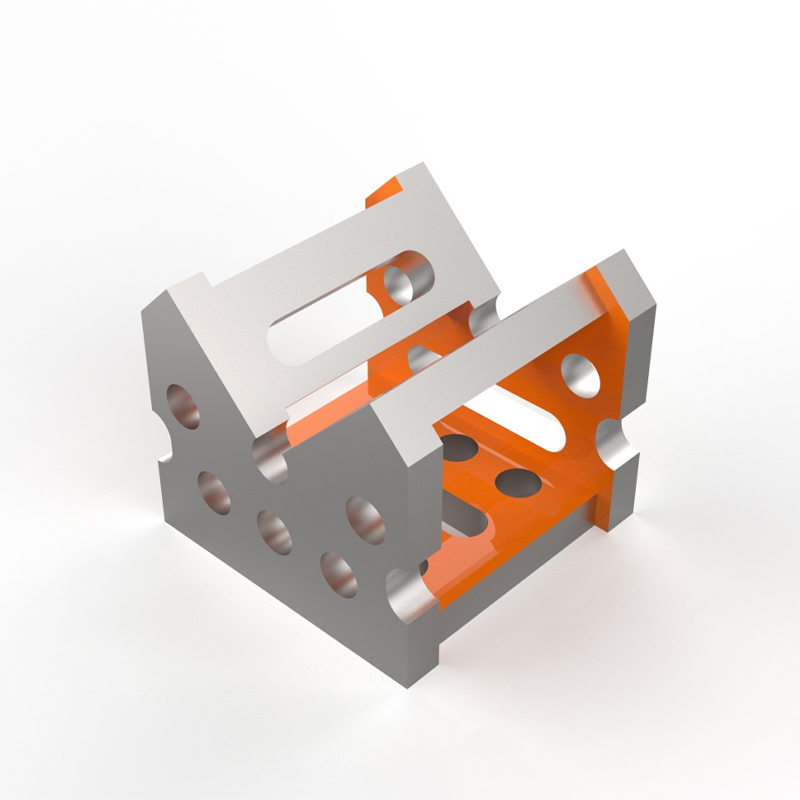
In the realm of high-precision modular systems, industry leaders like Botou Haijun Metal Products Co., Ltd. have set the benchmark. Specializing in the R&D of flexible modular fixtures, Haijun Metal provides efficient welding and positioning solutions widely adopted in the machining, automotive, and aerospace sectors. Their core lineup includes renowned 2D and 3D flexible welding platforms known for exceptional versatility. Beyond the tables themselves, they offer a comprehensive ecosystem of complementary components—such as U-shaped and L-shaped multi-purpose square boxes, 200-series support angle irons, and 0-225° universal angle gauges—that integrate seamlessly to enable rapid workpiece positioning. For professionals demanding the utmost durability, Haijun also manufactures professional cast iron 3D welding platforms and angle connection blocks, ensuring every product delivers the stability required for critical fabrication tasks.
Hybrid Folding Stations
The hybrid category represents the fastest-growing segment. These tables combine the sturdiness of steel with the convenience of a fold-up design. When collapsed, they resemble a large briefcase or a slim panel, making storage in small garages or vans effortless.
Recent innovations in hinge technology have eliminated the wobble traditionally associated with folding tables. High-end hybrids now feature dual-locking pins at each leg joint, ensuring rigidity comparable to solid-frame tables during intense welding sessions.
Comparison of Leading Portable Welding Tables
To help you make an informed decision, we have compiled a comparison of the most popular specifications found in current top-rated models. This table highlights the trade-offs between weight, capacity, and price.
| Model Type | Avg. Weight | Load Capacity | Top Material | Best Use Case |
| Ultra-Light Field | 25 – 35 lbs | 200 – 400 lbs | Aluminum/Steel | Pipeline & HVAC |
| Heavy-Duty Modular | 60 – 90 lbs | 1000+ lbs | Thick Steel (10mm+) | Precision Fabrication |
| Hybrid Folding | 40 – 55 lbs | 500 – 700 lbs | Reinforced Steel | Mobile Contractors |
| Benchtop Mini | 15 – 20 lbs | 100 – 200 lbs | Cast Iron/Steel | Hobbyists & Jewelry |
When evaluating these specs, consider that a higher load capacity often correlates with increased weight. For true portability, finding the balance between structural integrity and manageable mass is essential. The Hybrid Folding category currently offers the best compromise for general contractors.
Key Features to Look for in a Portable Welding Table
Not all welding tables are created equal. In 2026, several specific features distinguish a premium portable welding table from a generic workbench. Ignoring these details can lead to purchasing equipment that fails under thermal stress or lacks the necessary precision for quality welds.
Fixturing Hole Patterns
The presence of a standardized hole pattern is arguably the most critical feature. These holes allow for the use of clamps, stops, and angles to hold workpieces in place. The industry standard has largely shifted towards 16mm or 28mm spacing, compatible with global tooling ecosystems.
Ensure the holes are machined precisely and deburred. Poorly cut holes can cause clamps to sit unevenly, ruining the squareness of your project. Some budget models omit this feature entirely, rendering them useless for anything beyond simple tacking.
Heat and Spark Resistance
A portable table must withstand direct exposure to welding arcs, grinding sparks, and molten spatter. Look for tops treated with anti-spatter coatings or made from materials that do not warp under high temperatures. Aluminum tops dissipate heat quickly but may warp if the gauge is too thin.
Steel tops generally offer better resistance to warping but retain heat longer. A good design will include a replaceable top sheet or a sacrificial layer, allowing you to swap out the surface once it becomes too pitted or damaged over time.
Leg Stability and Leveling
Portability often means working on uneven ground. Fixed-length legs are a significant drawback in field conditions. The best models feature adjustable feet or telescoping legs that can compensate for slopes, gravel, or concrete imperfections.
Check the locking mechanism on the legs. Plastic clips tend to break under vibration and heat, whereas metal pins or heavy-duty twist locks provide the reliability needed for professional use. Wobble-free stability is non-negotiable for safety and weld quality.
Pros and Cons of Portable vs. Stationary Tables
Understanding the limitations of portable equipment is just as important as recognizing its benefits. While a portable welding table offers unmatched flexibility, it cannot fully replace a massive, anchored stationary table for certain heavy industrial applications.
Advantages of Portable Models
- Mobility: Easily transported in trucks, vans, or even carried by hand to tight spaces.
- Versatility: Can be set up outdoors, on rooftops, or inside client facilities.
- Storage: Foldable designs require minimal space when not in use, ideal for home garages.
- Cost-Effectiveness: Generally more affordable than large, custom-built stationary rigs.
Disadvantages to Consider
- Weight Limits: Cannot support extremely heavy machinery or massive structural components.
- Surface Area: Smaller working surface restricts the size of projects you can assemble at once.
- Stability: May vibrate more than anchored tables during aggressive grinding or hammering.
- Durability: Moving parts like hinges and locks are potential failure points over long-term use.
For most mobile welders and small shop owners, the advantages far outweigh the drawbacks. The ability to work efficiently on-site often leads to faster job completion and higher customer satisfaction.
How to Set Up and Maintain Your Portable Welding Table
Proper setup and maintenance extend the lifespan of your equipment and ensure consistent weld quality. Even the most robust portable welding table requires care to prevent warping, rust, and mechanical failure.
Step-by-Step Setup Guide
- Select a Flat Surface: Whenever possible, choose the flattest available ground. If outdoors, clear away loose debris and rocks.
- Deploy Legs: Unfold or extend the legs until they click firmly into place. Verify that all locking pins are fully engaged.
- Level the Table: Use the adjustable feet to stabilize the unit. Place a small spirit level on the tabletop to confirm it is square.
- Secure the Base: If working on slippery surfaces or inclines, consider weighting the base or using outriggers if provided by the manufacturer.
- Attach Tooling: Install your required clamps, stops, and grounding clamps before placing the workpiece.
Maintenance Best Practices
Cleaning the table after every use is vital. Remove slag, spatter, and metal shavings immediately to prevent them from fusing to the surface during future jobs. Use a wire brush or a dedicated spatter scraper.
Apply a thin coat of anti-rust oil or a specialized welding table spray if the table will be stored for extended periods. Pay special attention to the hinge mechanisms and leg locks; keeping these free of grit ensures smooth operation. Inspect the tabletop regularly for warping, especially if you frequently weld heavy sections directly on the surface.
Ideal Applications and User Scenarios
The versatility of a portable welding table makes it suitable for a wide range of industries. Understanding where these tables excel helps justify the investment and optimize their usage in your daily workflow.
On-Site Construction and Repair
Pipeline welders and structural ironworkers often face deadlines that require immediate fabrication at the job site. A portable table allows them to cut, fit, and tack pipes or beams without returning to the shop. This reduces downtime and transportation costs significantly.
Automotive and Motorsports
Race car builders and restoration specialists frequently need to move chassis parts between different stations. A mobile table with fixturing holes enables precise alignment of suspension components and roll cages in various parts of the garage.
DIY and Hobbyist Projects
For home enthusiasts, space is often a constraint. A folding portable table can be stored in a corner or hung on a wall when not in use. It provides a dedicated, safe zone for welding that protects the rest of the garage from fire hazards and sparks.
Frequently Asked Questions About Portable Welding Tables
Addressing common concerns helps clarify the capabilities and limitations of modern portable welding equipment. Here are answers to the most frequently asked questions regarding selection and usage.
Can I use a portable welding table for plasma cutting?
Yes, most high-quality portable tables are designed to withstand the heat and sparks generated by plasma cutting. However, ensure the table has a slatted top or a replaceable surface to allow dross to fall through, preventing buildup that can reflect heat back onto the workpiece.
What is the maximum weight a portable table can hold?
This varies by model. Lightweight field tables typically support up to 400 lbs, while heavy-duty modular portable benches can handle over 1,000 lbs. Always check the manufacturer’s rated capacity and avoid exceeding it to prevent leg collapse or tabletop warping.
Are aluminum tables better than steel?
It depends on your needs. Aluminum tables are significantly lighter and resistant to rust, making them ideal for frequent transport and outdoor use. Steel tables are heavier but offer superior rigidity and heat resistance, making them better for precision work and heavier loads.
Do I need special clamps for the fixturing holes?
Yes, standard C-clamps will not work with threaded or precision-bored fixturing holes. You need specialized welding clamps, positioning pins, and stop blocks that match the hole diameter (commonly 16mm or 28mm) of your specific table model.
How do I prevent the table from sliding while welding?
Many portable tables come with rubberized feet or spikes for traction. On smooth surfaces, adding weight to the base or using wheel chocks can prevent movement. For critical precision work, bolting the table to a temporary platform or using heavy sandbags on the legs adds extra security.
Final Verdict: Choosing the Right Table for Your Needs
The landscape of fabrication equipment in 2026 offers exceptional choices for mobile professionals. The portable welding table has evolved from a niche accessory into an essential tool for efficiency and precision. By prioritizing features like fixturing compatibility, weight-to-strength ratio, and ease of setup, you can significantly enhance your productivity.
If your primary focus is field service and travel, invest in an ultra-lightweight aluminum model with telescoping legs. For shop-based flexibility where you need to move between bays, a heavy-duty modular table on casters is the superior choice. Hobbyists and those with limited space will find the hybrid folding designs to be the most practical solution.
Remember that the cheapest option is rarely the most cost-effective in the long run. Durability and precision pay dividends in weld quality and time saved. Assess your typical workload, transport constraints, and budget to select the model that aligns best with your operational goals. With the right table, you transform any location into a professional fabrication hub.